After being outperformed by Chinese new energy vehicles, BBA can no longer sit still.
During the Auto Show Week, many industry peers have expressed the above sentiment. As for the reason behind this feeling, it is naturally the head - to - head competition between global giants and local new forces. Different from the previous exhibitions that focused on popularity in certain periods, the scale and density of exhibitors and new cars have reached their peak, bringing a long - awaited pure experience to the auto show.
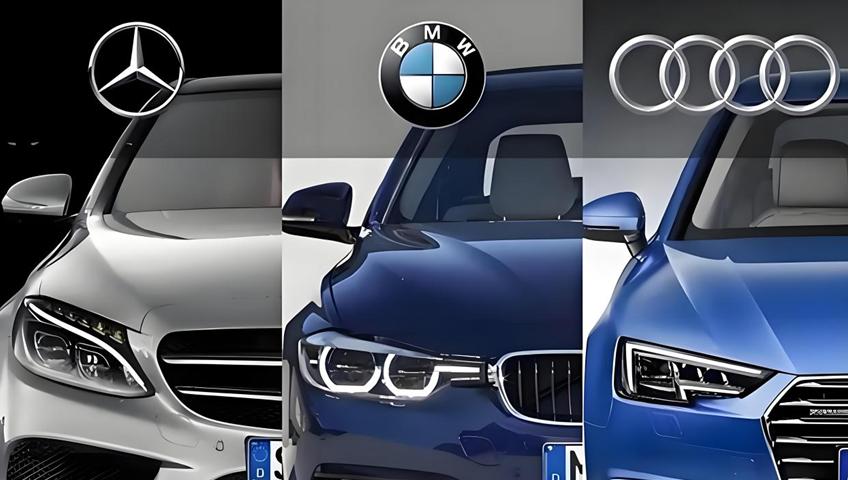
Among them, there is also something to be said about what BBA (Mercedes - Benz, BMW, Audi) presented at the auto show.
At this auto show, BBA can be said to have completely put aside their airs. Under the keywords of "localization, intelligence, and electrification", they have brought their respective blockbuster works. Among them, Mercedes - Benz showcased nearly 40 models, focusing on the upgrade of pure - electric products; BMW brought its strongest exhibition lineup ever, with the models on the "New Generation" platform at the core, presenting the achievements of its electrification and intelligent transformation; Audi focused on the localization strategy, launching pure - electric models specifically adapted to the Chinese market and accelerating the localization of the PPE platform.
If you follow the automotive market, it's easy to notice that the exhibition postures of the three BBA brands this time are completely different from the past.
Because in essence, they are fighting a redemption battle. In the past, the three brands mostly introduced overseas models to China without modification. Most of their electrified products were "fuel - to - electric" derivatives of fuel models, and the corresponding products were seriously out of touch in terms of intelligence, battery life, and localization adaptation, resulting in dismal sales of their electrified models and an inability to break through the bottleneck.
According to statistics, in 2025, the total sales of BBA's pure - electric models in the Chinese market were less than 300,000 units. In the same period, the single - brand sales of new brands such as NIO, Li Auto, Xiaomi, and Tesla easily exceeded 200,000 units, and the gap is obvious.
Therefore, when the penetration rate of new energy vehicles in China exceeded 50% and the market entered the stage of stock competition, consumers' demand for luxury new energy vehicles is no longer just brand worship. In addition, Chinese independent brands have continuously made breakthroughs in the high - end field, and the competition in the luxury new energy market has become white - hot. This means that compared with their absolute dominance in the fuel era, BBA is now facing unprecedented transformation pressure.
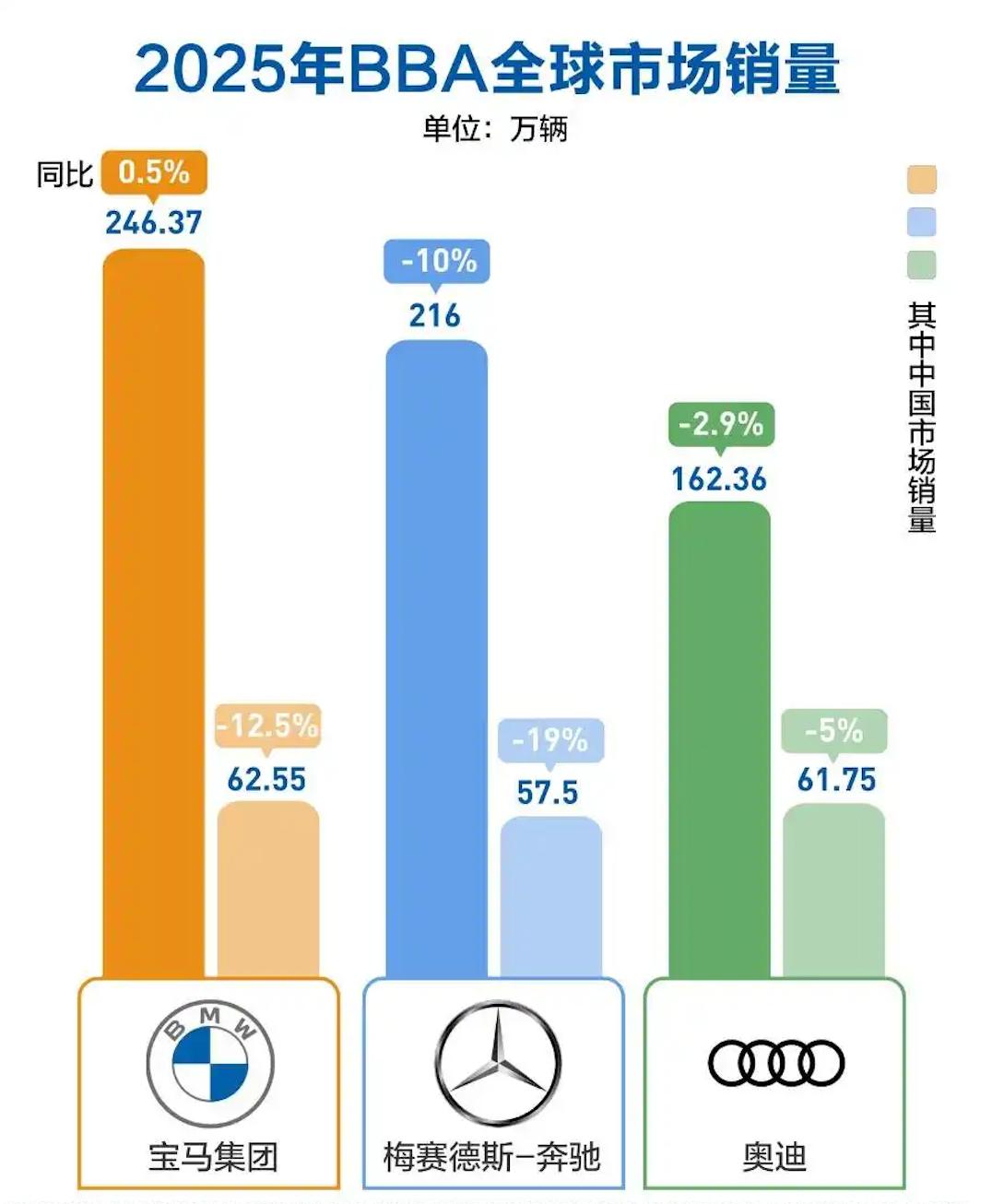
So, BBA took advantage of the momentum of the Beijing Auto Show and showcased more than 60 blockbuster new cars collectively. Among them, electrified products were the absolute main force. They aimed to reverse the market's impression of their backwardness in new energy and make a comeback in the Chinese market with their new electrified products.
If they can break through the bottleneck through this exhibition, they can maintain their position in the luxury market and even make a comeback; if they still can't break through the bottleneck, they may completely become followers in the Chinese new energy market. Therefore, this battle is not only a summary of BBA's electrification transformation but also the beginning of the final game in the Chinese market.
01 BBA's Setbacks and Breakthroughs in Electrification
To understand BBA's electrification layout at the Beijing Auto Show, it is necessary for us to first review their past setbacks. Because those past mistakes came at a huge cost. It not only made BBA miss the golden development period of the Chinese new energy market but also impacted their brand image in the minds of consumers.
Looking back at BBA's electrification journey, the reasons for their setbacks can be roughly summarized into three points. First, the mindset of "fuel - to - electric" conversion was deeply ingrained; second, there was insufficient localization adaptation; third, the development of intelligence lagged behind and failed to keep up with the iteration speed of the Chinese market.
Take Mercedes - Benz as an example. The early - launched pure - electric EQC model was transformed from the fuel - powered GLC platform, with low battery life and average cockpit experience, and finally had dismal sales; BMW's iX3, i3 and other models also had the problem of insufficient localization, and their intelligent driving assistance systems had poor adaptability; Audi was slow in its progress, and the mass - production of electrified models on the PPE platform was delayed, missing market opportunities.
Based on this, we can see the sadness of Audi hanging the banner "Audi also has new energy" in 4S stores, which is a microcosm of BBA's early setbacks in electrification.
After learning from their mistakes, BBA finally adjusted their electrification strategies. The electrified products showcased at the Beijing Auto Show are the best manifestation of their new strategies. Each model addresses the previous shortcomings in a targeted manner, showing stronger competitiveness.
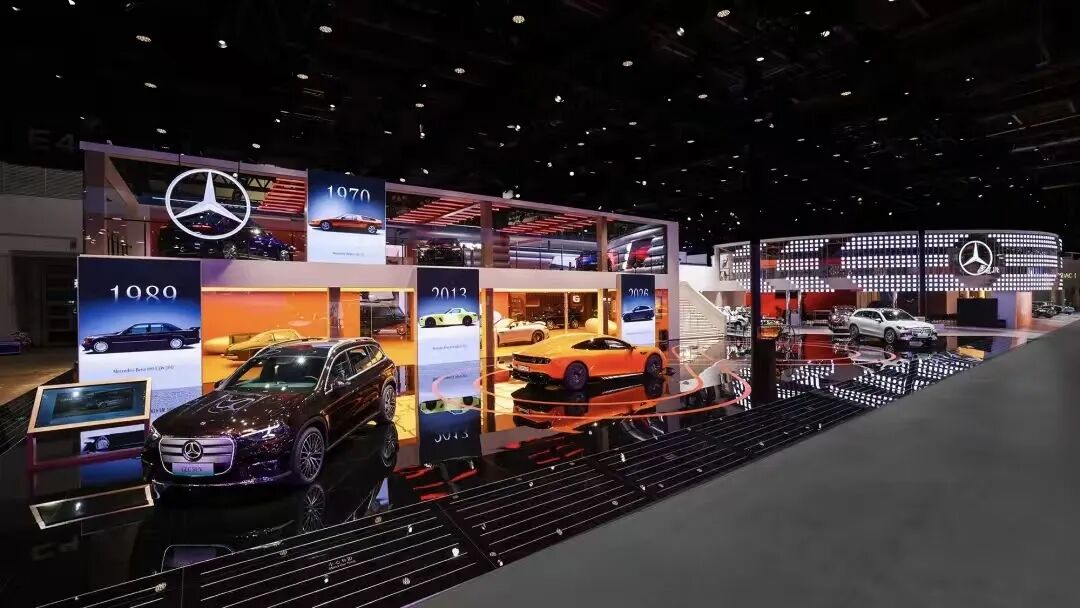
Specifically, Mercedes - Benz showcased nearly 40 models this time, with electrified products as the absolute main force. Among them, the global premiere of the new all - electric Mercedes - Benz GLC SUV and the Chinese launch of the new all - electric Mercedes - Benz CLA 260 L form the core of its electrification layout.
As the first pure - electric model of Mercedes - Benz's best - selling model in recent years, the new all - electric GLC SUV breaks away from the "fuel - to - electric" concept and is built on a new pure - electric platform. In terms of intelligence, it is equipped with an AI - empowered intelligent cockpit and an assisted driving system with a reinforced learning large - model, aiming to completely solve the problem of poor adaptability in previous intelligent driving systems.
In addition, the launch of the new all - electric CLA 260 L further improves Mercedes - Benz's luxury electric product matrix, precisely targeting the mid - sized pure - electric sedan market. With an affordable price and the continuation of Mercedes - Benz's luxury texture, it aims to capture the market of young consumers.
In 2026, which marks the 140th anniversary of the birth of Mercedes - Benz, this exhibition lineup also carries the brand's inheritance and innovation, demonstrating its determination to develop electrification. It is worth mentioning that Mercedes - Benz's new pure - electric models have fully implemented the "fixed - price" sales model, canceling the terminal bargaining process, reshaping the price system, reducing consumers' decision - making costs, and coping with the impact of the direct - sales model of new forces.
Regarding the electrification innovation and long - term layout in the Chinese market, Mercedes - Benz has already set a clear strategic blueprint. Ola Källenius, Chairman of the Board of Management of Mercedes - Benz Group, said: "By 2027, Mercedes - Benz will launch more than 40 new models, covering a variety of power forms, including 7 models specifically designed for the Chinese market." It is obvious that Mercedes - Benz is no longer adhering to the global unified product strategy but is deeply customizing products to meet the needs of Chinese users and making every effort to make up for its electrification shortcomings.
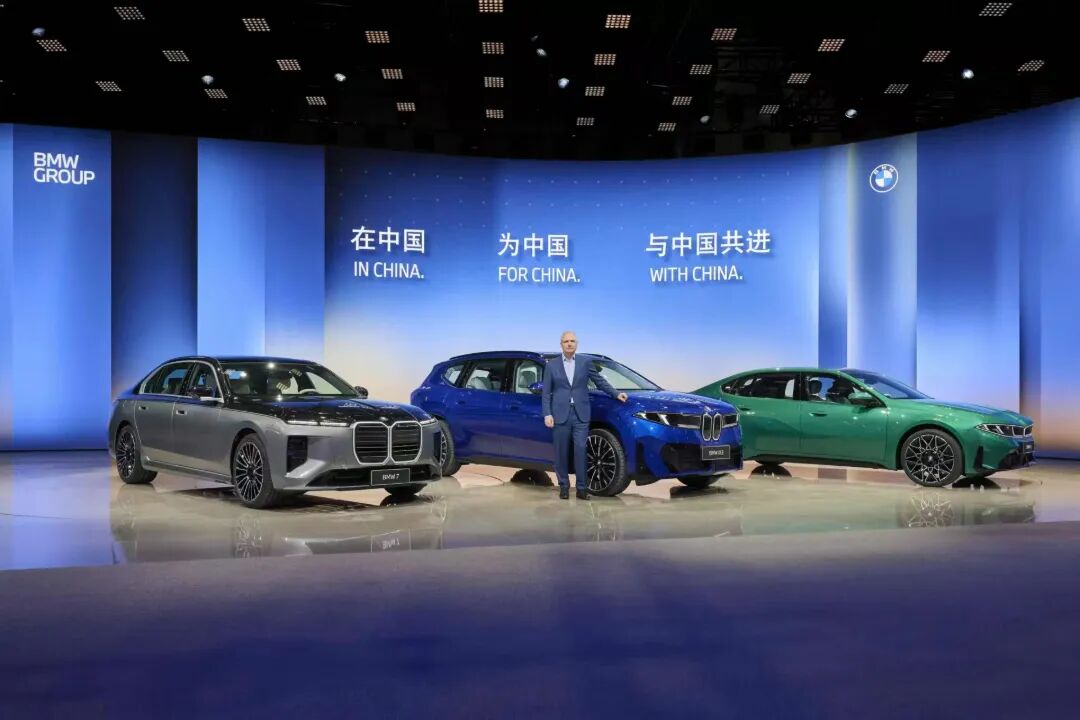
BMW brought its strongest exhibition lineup ever, covering three brands: BMW, MINI, and BMW Motorrad, with a total of 16 new cars, including 4 global premieres and 8 Chinese premieres, focusing on the implementation of the "New Generation" platform.
The global premieres of the long - wheelbase version of the new - generation BMW i3 and the long - wheelbase version of the new - generation BMW iX3 were the highlights of this exhibition. These two models are built on the "New Generation" dedicated pure - electric platform, with an 800 - volt high - voltage architecture across the board, and the CLTC comprehensive range exceeds 900 kilometers; the new cars are equipped with a full - scenario pilot driving assistance system jointly developed with Momenta, which is expected to reverse BMW's lagging image in the field of intelligent driving.
At the same time, like Mercedes - Benz, BMW's "New Generation" models also adopt the online ordering and unified price model, promoting the transformation of the sales model to direct sales.
After years of in - depth development in the Chinese market, BMW has deeply realized the importance of localization and intelligent transformation and has continuously increased investment in local R & D and product iteration. Oliver Zipse, Chairman of the Board of Management of BMW AG, said: "The launch of models specifically designed for the Chinese market under the background of new - generation technology marks the beginning of a new chapter in BMW's development in China." In recent years, BMW has continuously strengthened its localization layout in China, building the largest R & D system outside Germany. Four innovation bases and three software companies work together to quickly respond to the needs of the Chinese market, laying a solid foundation for the product - power upgrade of new electric models.
Audi focused on the localization model strategy. 2026 is a big year for its products. At this auto show, it exhibited 4 models and 1 new racing car, covering both fuel and pure - electric tracks. The core highlight was the debut of the SAIC Audi E7X. This mid - to - large - sized pure - electric SUV is one of the core mass - production models on Audi's PPE platform and a key layout for Audi's in - depth development of the Chinese local luxury electric market.
In addition, Audi implemented the "integrated direct sales" model for PPE platform models, converting terminal discounts into official price cuts, reshaping the price system, and promoting the transformation of the channel system to make up for its previous shortcomings in the sales model.
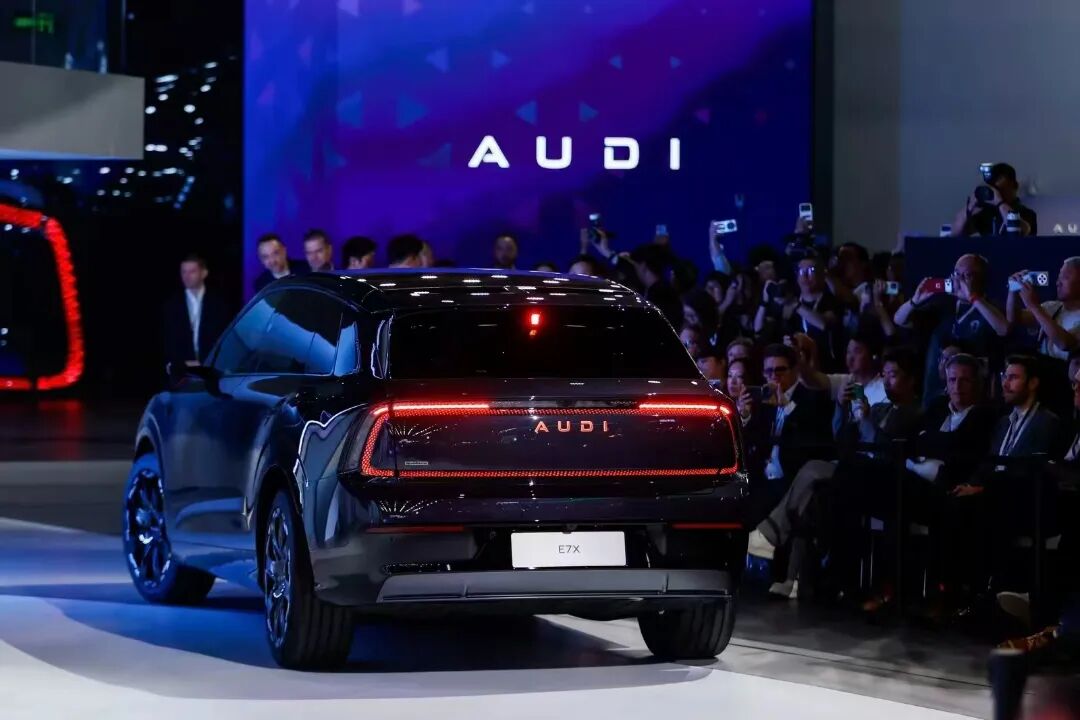
Facing the highly competitive Chinese luxury new energy market, Audi has comprehensively accelerated its electrification layout in China. Gernot Döllner, CEO of Audi AG, said: "Audi is striding forward, which is particularly evident in the key Chinese market.
In 2026, relying on a more refined strategic layout and through the joint efforts of two brands, we will launch multiple new localized models, opening a new chapter in Audi's largest - scale product layout in China."
Overall, it is not difficult to see from the exhibited products this time that BBA's electrification strategy has changed: no longer prioritizing overseas markets but adhering to Chinese localization; no longer relying on "fuel - to - electric" conversion but focusing on dedicated pure - electric platforms; no longer ignoring intelligence but focusing on intelligent adaptation to local road conditions; no longer adhering to the traditional sales model but actively embracing the direct - sales and fixed - price models...
These changes are not only a summary of past setbacks but also an inevitable choice for BBA to adapt to the Chinese new energy market. And these new electrified products are the basis for their comeback.
02 In the Comeback Battle, No One Has an Absolute Advantage
Undoubtedly, at the Beijing Auto Show, the new electrified products showcased by BBA are full of highlights. These products are important for BBA's future brand development and are the key chips for their comeback in the Chinese new energy market.
But we all know that the Chinese new energy market has changed greatly. It is not easy for BBA to make a comeback against the odds. At present, many independent brands and new forces have already established a firm foothold and formed competitive barriers. In every niche market, there are excellent products that can compete with BBA. Even in the luxury price range where BBA excels, Chinese brands have already made breakthroughs.
The most obvious manifestation is in the luxury new energy market above 300,000 yuan. Once, this was BBA's exclusive territory, but now, Chinese brands have already made breakthroughs and occupied a considerable market share. According to incomplete statistics, in 2025, the year - on - year growth rate of domestic high - end new energy SUV sales exceeded 60%, and the penetration rate of independent brands in the 300,000 - 500,000 yuan price range has exceeded 35%.
For example, the continuously popular large six - seat SUV market since 2025 is the best evidence of the rise of Chinese brands. In this niche market, the 9 - series flagship models of various brands have been launched one after another. Models such as the Wenjie M8/M9, NIO ES9, and Li L9 have become consumers' favorites with their large space, high - end configurations, and advanced intelligent driving systems.
Most of these cars are concentrated in the 300,000 - yuan range, overlapping with BBA's main - sales models; in terms of sales, the monthly sales of many models exceed 10,000 units, far exceeding BBA's electric models of the same level; in terms of word - of - mouth, these models have accumulated good market reputations with product designs and service experiences that meet the needs of Chinese consumers and have become veritable luxury flagship models. The rise of this niche market has rewritten the pattern of the luxury SUV market and also proved the strength of Chinese brands in the high - end field.
Looking at the niche markets that BBA has focused on this time, its new products are facing huge competitive pressure.
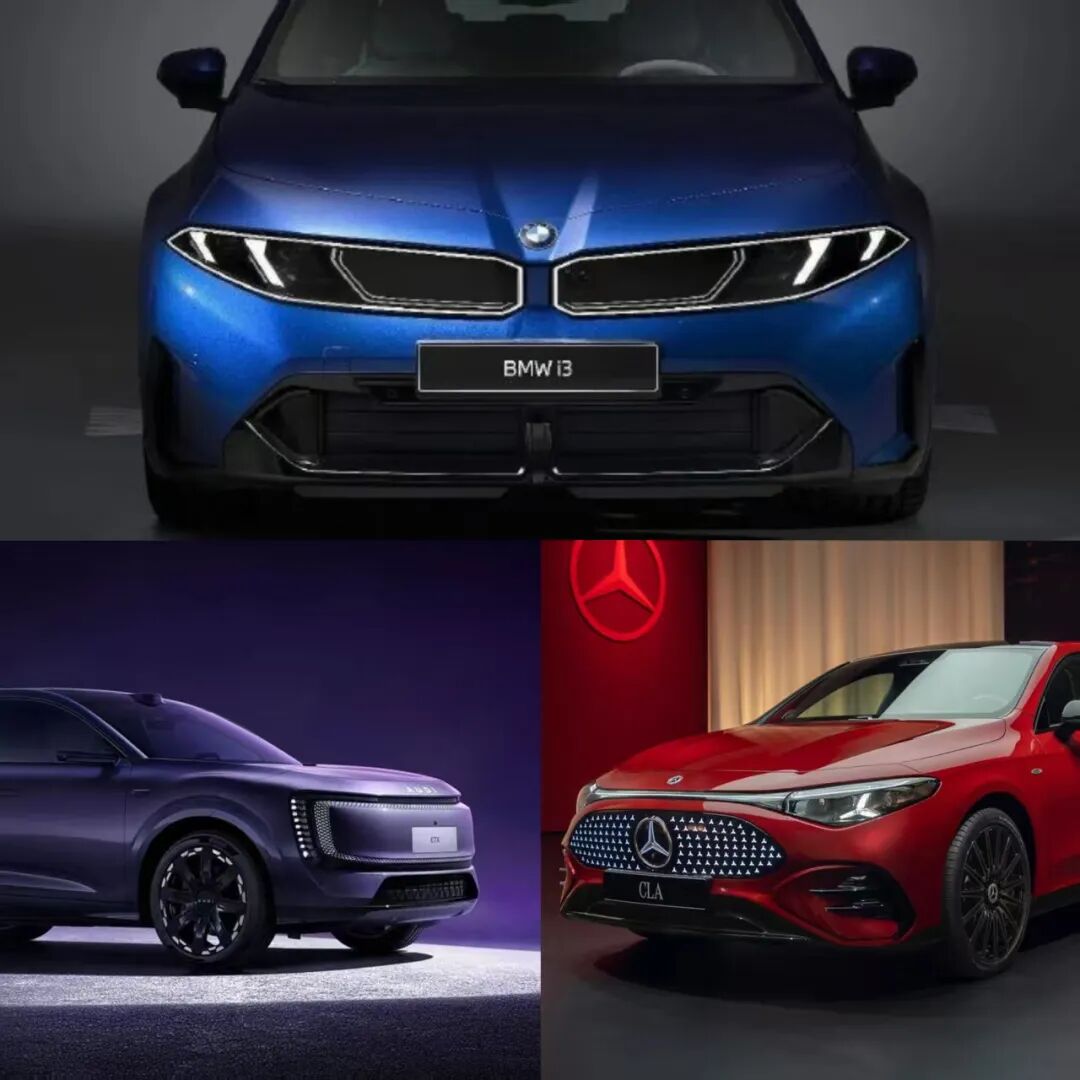
For example, the long - wheelbase version of the new - generation BMW i3 and the new all - electric Mercedes - Benz CLA 260 L focus on the mid - sized pure - electric sedan market, which is already a highly competitive red ocean, with many strong competitors.
Among them, Tesla Model 3 occupies a considerable market share; Xiaomi SU7 has already been on the shopping lists of many young consumers, and there are also NIO ET5, Zeekr 001, etc. These models have the strength to compete with BBA's new models in terms of product power, intelligence, price, and service. It will really take some effort for the latter to break through in this market.
In addition, the mid - to - large - sized pure - electric SUV market where the Audi E7X is located is also highly competitive. In this niche market, models such as NIO ES8, Xiaomi YU7, Zeekr 8X, Tesla Model Y, and Li L8/L9 have each formed their own competitive advantages. Even with Audi's brand influence, the Audi E7X still needs to use some strategies to grab market share from these competitors.
It is worth noting that the Chinese new energy market is evolving rapidly, and consumers' demands are constantly changing. Every dimension, such as intelligence, battery life, charging efficiency, and service experience, is upgrading rapidly. Although the new electrified products launched by BBA this time are full of highlights at present, it is still unknown whether they can keep up with the market's iteration speed and continuously meet consumers' needs.
In addition, BBA's transformation of the sales model is still in its early stage. Whether the "fixed - price" and "integrated direct sales" models can be smoothly promoted, whether they can balance the interests of dealers, and avoid channel instability are still important challenges they face.
Therefore, the 2026 Beijing Auto Show can only be regarded