As the Pocket 4 enters the dual-camera era, DJI is rewriting the rules.
On the evening of April 16th, even on a weekday, long queues formed in front of DJI stores across the country. The store staff held a megaphone and reminded the customers present that they could now enter the store to verify and pick up their pre - ordered Pocket 4. The voice was soon drowned out by the noisy inquiries.
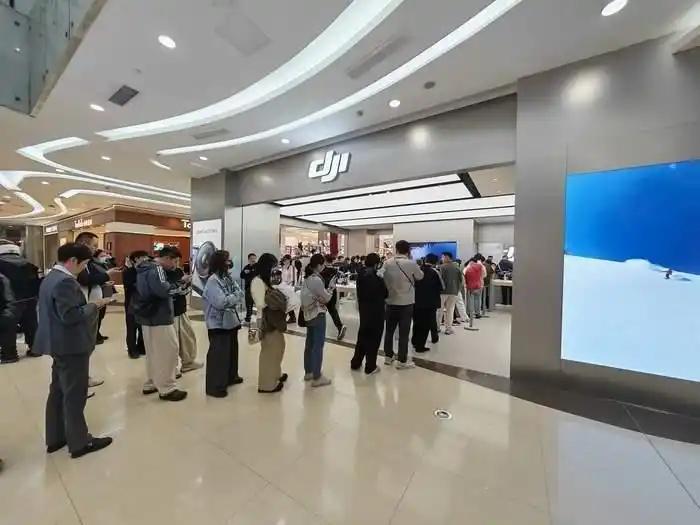
It should be noted that the Pocket 3, which set a high standard before, still maintained a high level of attention even at its "two - year - old" stage.
The market's eagerness for the Pocket 4 has long exceeded the expectations of a regular product iteration.
Now, DJI has shown sufficient sincerity - the Pocket 4 has once again achieved a comprehensive evolution in image quality, storage, and professional functions.
The Pocket 4 brings a brand - new one - inch CMOS, a 14 - stop dynamic range, and for the first time, it introduces the professional - grade 10 - bit D - Log color mode. It also unprecedentedly achieves the "ten - thousand - yuan camera level" high - frame - rate specification of 4K/240fps on a pocket gimbal camera. Even when the global storage prices are continuously rising, the new model comes standard with a 107GB high - speed built - in storage worth two or three hundred yuan.
The excitement about the Pocket 4 has not subsided yet, and the preview of the dual - camera version, Pocket 4P, on the first release day has sparked a new round of enthusiasm.
Long before the release of the Pocket 4, rumors and leaks about the dual - camera version had been spreading, and the market's demand was quite high. No one expected that this time, DJI not only responded to the outside world's expectations for the dual - camera but also broke the previous standard answer of "one model per generation" and directly launched two substantial versions.
Behind the parallel development of the "single - camera + dual - camera" strategy, how has DJI's product methodology evolved? As the category definer, how does DJI cover a wider and more real range of user needs through its product layout?
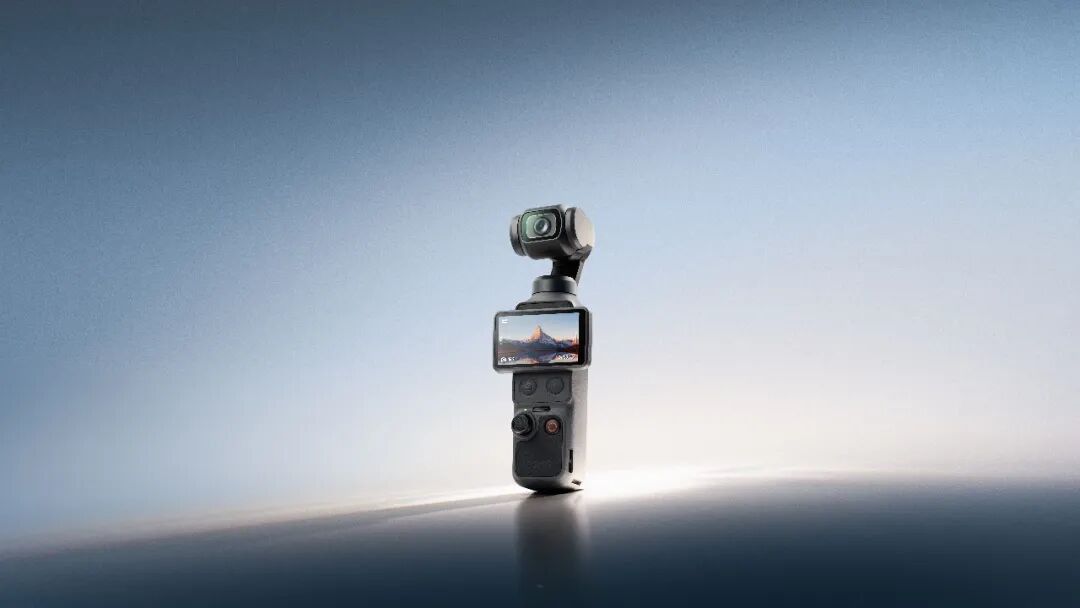

Deconstructing the Pocket 4
What does product stratification bring?
In the public's perception, the iteration of technology products often follows the linear logic of "stronger, bigger, and more comprehensive". However, when we deeply analyze the fourth - generation Pocket, we will find that DJI is trying to break this single - minded evolutionary thinking.
We can see a clear "dual - line" layout: a single - camera version of the Pocket 4 that is extremely easy to use, and a dual - camera version of the Pocket 4P in the preview, which is specially designed for advanced creation.
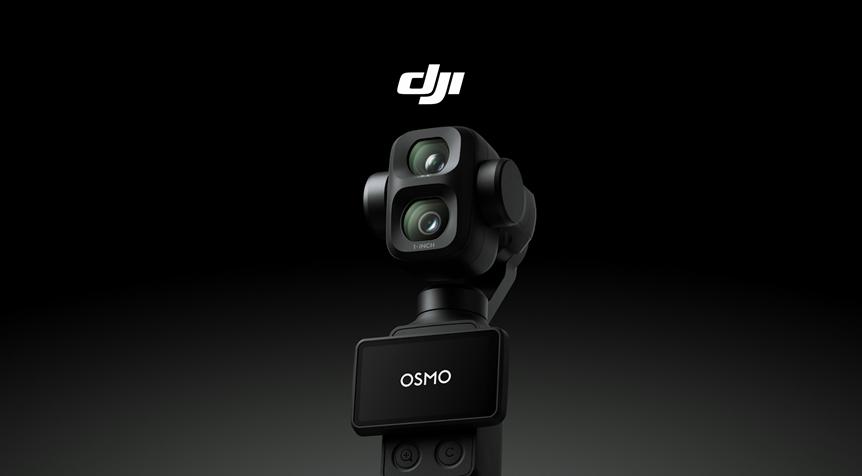
To understand this strategy, we should not view any of these products in isolation but regard them as an integrated whole with clear division of labor and complementary functions.
Let's first look at the released single - camera version of the Pocket 4. It is not simply a regular upgrade but more like a "better - than - before" improvement based on the success of the Pocket 3, a systematic response to the real feedback from users.
DJI did not compromise on the core imaging capabilities just because it is targeted at a wider range of general users. Instead, it showed great sincerity: the brand - new one - inch CMOS, 14 - stop dynamic range, the first - introduced professional - grade 10 - bit D - Log color mode, and the unprecedented 4K/240fps specification on a pocket gimbal camera together form the imaging foundation of this generation.
It should be noted that the 14 - stop dynamic range has exceeded that of most mainstream mirrorless cameras. DJI has incorporated the 10 - bit D - Log color mode and the high - frame - rate recording ability of 4K/240fps into such a compact device, which were once parameters only boasted by professional film cameras worth tens of thousands of yuan.
These upgrades bring not only an improvement in paper parameters but also better image quality, more natural light - and - dark transitions, and more realistic and delicate portrait restoration.
However, the truly important aspect of the single - camera version lies not only in the performance improvement but also in its corresponding product mission: to enable more ordinary users to obtain a stable and high - quality video experience at a lower threshold.
For users who record travels, capture family moments, create daily Vlogs, or are upgrading from mobile phone video shooting, what they need is not a device with a full set of parameters and a steep learning curve but a portable, reliable, and easy - to - use tool that can significantly improve the quality of the final video.
Lightness and speed are in the DNA of the single - camera version of the Pocket 4. The iconic 2 - inch rotating screen has been further optimized in this generation. With a gentle spin of the finger, the device can power on and enter the shooting state within seconds. This intuitive operation logic reduces the sense of the equipment. Coupled with Intelligent Tracking 7.0 and the powerful three - axis mechanical stabilization, even a novice in short - video shooting who has never touched a camera before can capture smooth, movie - like footage while walking without being troubled by complex adjustments.
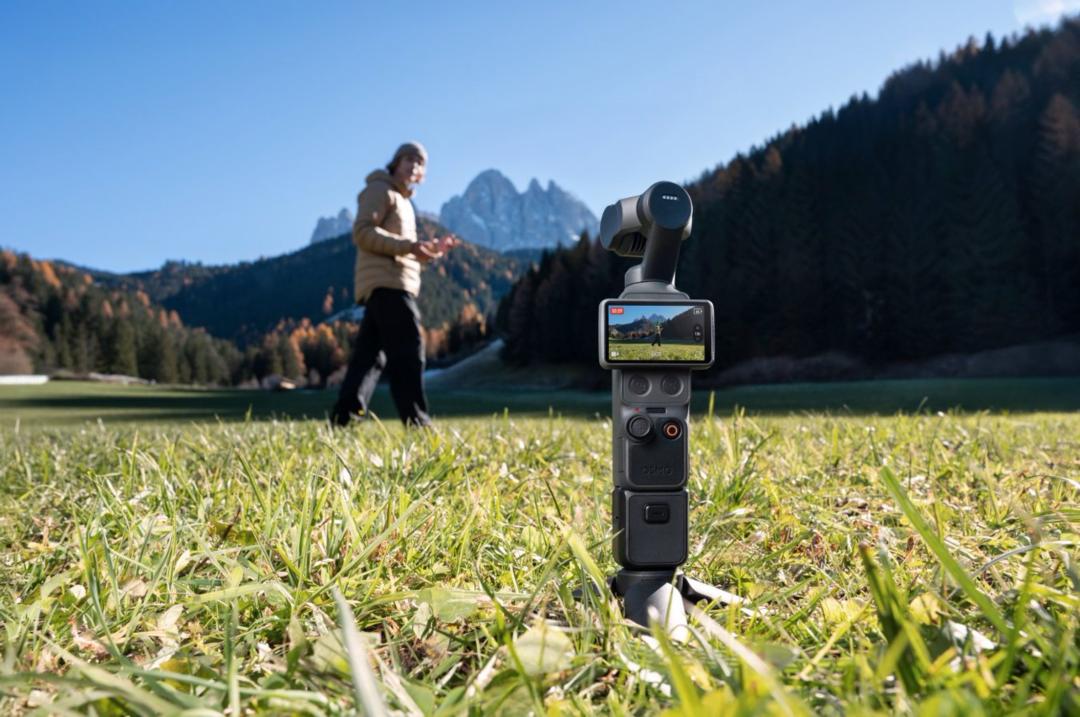
From a price perspective, the price of 2,999 yuan breaks down the price barrier for users to switch from mobile phones to professional equipment.
What the single - camera version of the Pocket 4 does is to compress image quality, usability, and portability into a more mature balance point.
The previewed dual - camera version of the Pocket 4P points to another dimension: meeting the high - frequency and complex professional - grade creation needs. From the information released so far, the core direction of the dual - camera version is to expand the capabilities of the Pocket in multi - focal - length expression and complex creation scenarios.
For advanced creators, focal length means perspective, and perspective means narrative. The dual - camera version allows for seamless switching between wide - angle scene narration and touching close - up details during solo shooting, greatly enhancing the freedom of creation and the quality of the final video.

"Choice" is a more advanced form of innovation
In today's era of increasingly fierce competition with homogenized parameters, too many brands are used to stuffing all kinds of functions into products and then telling the public through marketing that "you need this".
DJI has done something that seems simple but is actually very difficult: acknowledge and face the fact that users are not a homogeneous group, and their needs should not be roughly bundled by a single product.
Therefore, the biggest highlight of the Pocket 4 this time is not the parameters or the dual - camera but the clear shift in DJI's product methodology: truly returning the right of choice to the users.
It is thinking about and answering a more mature question - how to make the same product line serve a wider range of general users and also meet the deeper advanced needs.
The single - camera version is targeted at the wider general market: it enables those who are using a gimbal camera for the first time to quickly obtain better image quality and a more stable experience than mobile phones; the dual - camera version caters to the more complex and high - frequency content production needs: entering more serious and systematic creation scenarios.
The dual - line strategy of the Pocket 4 is essentially a more restrained and mature way of defining products: it puts "user - first" before "technology - show - off - first".
To put it more directly, true innovation is not just about adding functions but also about having the courage to eliminate unnecessary fantasies, acknowledge differences, and respect choices.
It no longer tries to tell everyone "what is the best" but instead hands the question of "what is more suitable for you" back to the users.
And this is actually more difficult and more advanced than a victory in terms of parameters.
Of course, this "returning the right of choice to the users" is not just an expression at the conceptual level. Its implementation is also based on DJI's profound technological accumulation. Only when a manufacturer truly has the ability to split, reorganize, and stably implement complex capabilities can stratification not become a compromise, and choice not become a mess.
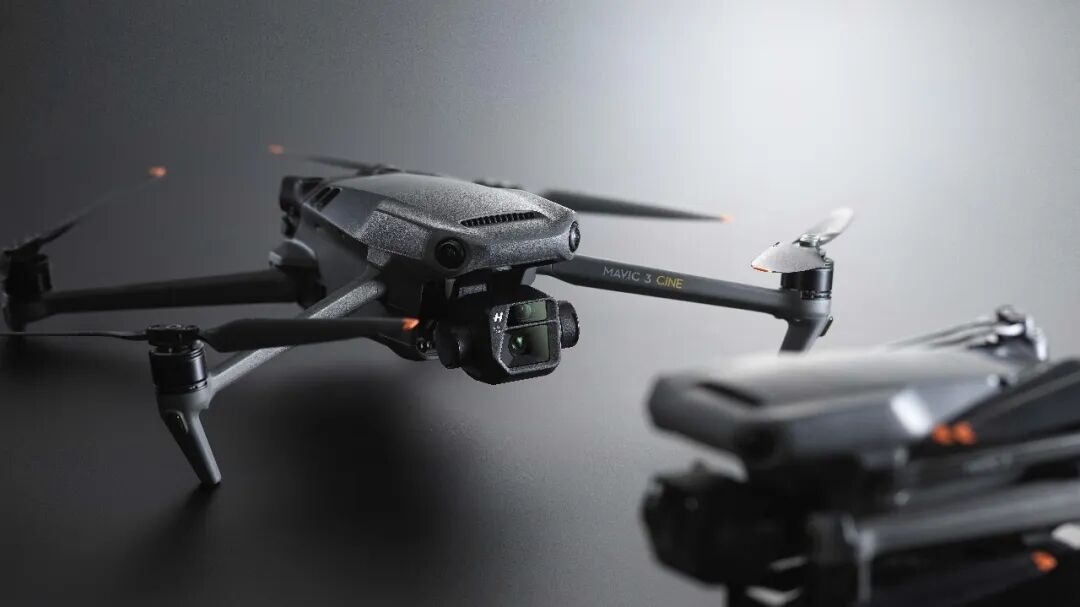
Looking back at DJI, it has continuously broken through the product capability limitations from aerial drones to professional - grade film cameras. As early as 2021, on the flagship drone Mavic 3, DJI first massively applied and verified the civilian dual - camera gimbal technology in consumer - grade drones. The smooth multi - focal - length switching and stability demonstrated by the Mavic 3 at that time were rigorously tested and well - received by a large number of users around the world.
Whether it is the long - term accumulation in gimbal stabilization or the technological precipitation in multi - camera system coordination, focal - length switching, and color consistency, all give DJI the confidence to support this dual - line parallel product structure.
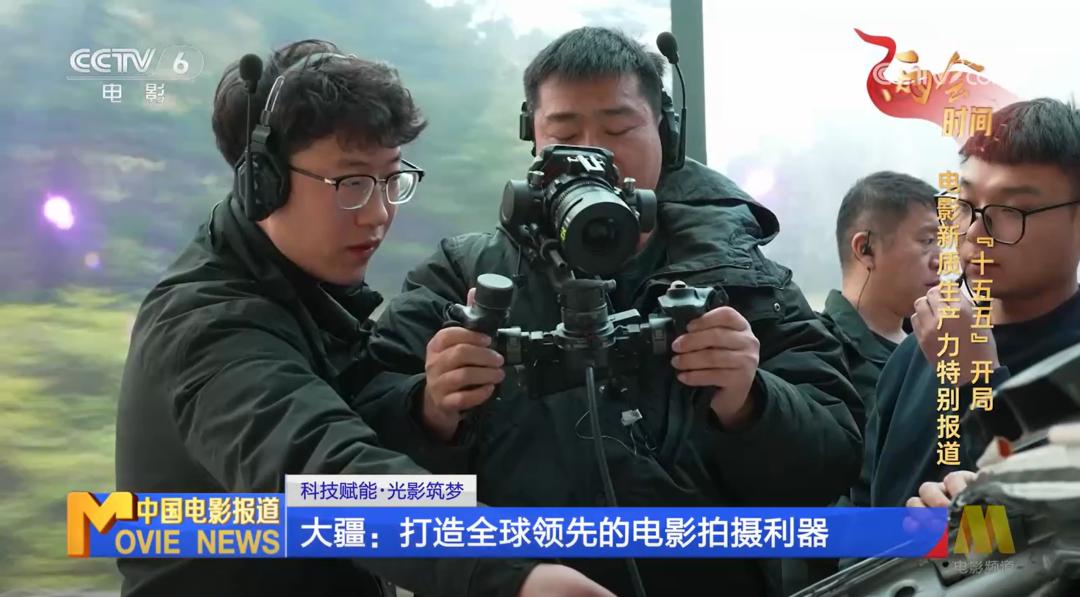

When the market starts to anticipate the 4P
What did the Pocket do right?
In the past, the Pocket was more like a phenomenon - level single product: fresh, successful, and highly recognizable. Now, with the parallel development of the fourth - generation single - camera and dual - camera versions, it is moving towards more refined user stratification.
DJI is no longer just thinking about how to make a single product stronger but is seriously sorting out why different users choose the Pocket, how they will enter, and how they will upgrade and stay on this product line.
This is probably not the end but more like a beginning. In the future, the Pocket will no longer be just "a small camera suitable for everyone" but will gradually form a clearer user path and scenario boundary.
And this is precisely the most valuable signal of the Pocket 4. It makes the "portable gimbal camera" for the first time not just a product concept driven by a single hit but start to take on the form of a complete category.
From a longer - term perspective, the Pocket series itself is an embodiment of DJI's ability to define new categories. Before the Pocket appeared, mobile phones, action cameras, and mirrorless cameras had long dominated the consumer - grade imaging market, but they could never simultaneously meet the requirements of "portability, stability, good image quality, and easy - to - use shooting". Relying on the stabilization technology, structural miniaturization ability, and system integration experience accumulated in the drone field, DJI compressed professional - grade stable shooting capabilities into a device that can truly fit into a pocket, creating a new category of "handheld gimbal cameras".
The value of the Pocket has never been just about leading in parameters but about filling the long - existing experience gap between several traditional categories.
Today, the clearer stratification and more mature definition shown by the Pocket 4 further indicate that DJI's investment in this product line has entered a new stage.
We can see that DJI is trying to cultivate the Pocket into an independent imaging track that, like drones, will exist for a long time and be irreplaceable.
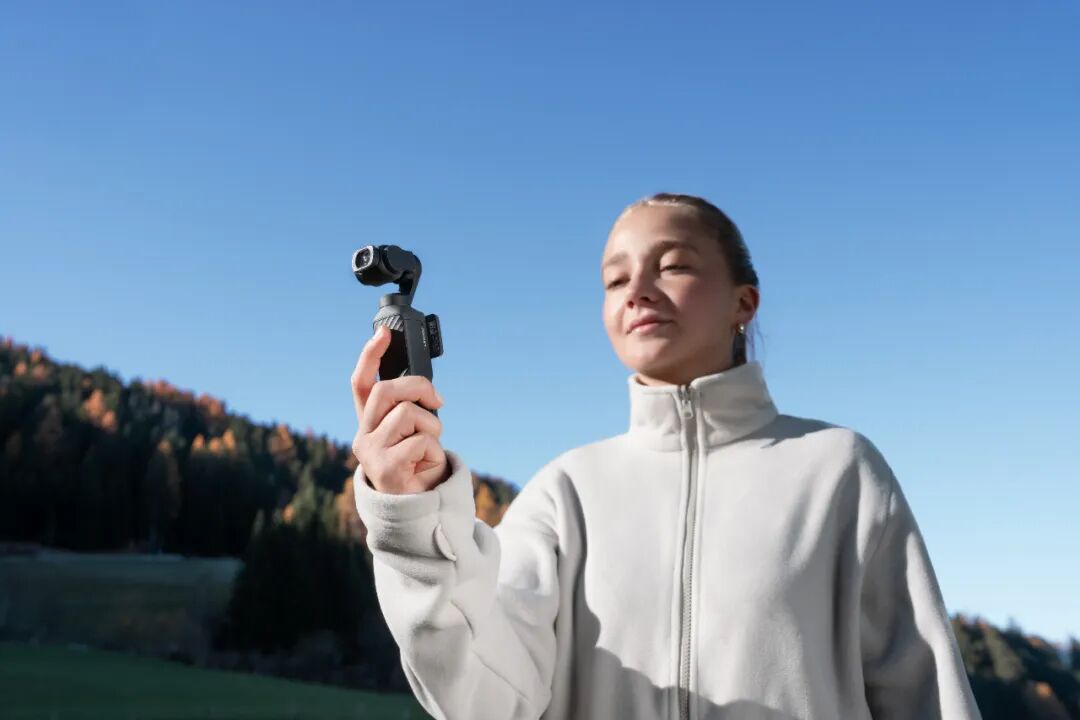
In fact, what makes DJI most intimidating to its competitors is not its technological reserves but its determination to abandon short - term efficiency and make strategic long - term investments.
DJI has been deeply involved in the pocket gimbal field for nearly a decade. From the miniaturization of mechanical gimbals to intelligence, from the imaging system to the coordination of structure and algorithms, it is not pursuing short - term parameter leadership but continuously deepening its moat in various dimensions.
In the fast - moving consumer goods era where trends change rapidly and the average product lifespan is shortening, users are more willing to trust those "long - termists" who have been dedicated to a product form for a decade.
Therefore, while the enthusiasm for the Pocket 4 has not faded, the discussion about the "Pocket 4P" in the market is also heating up.
This anticipation, on the surface, is enthusiasm for the new product, but in fact, it is a deep - seated trust