36Kr Research Institute | 2026 China Silver Economy Industry Research Report
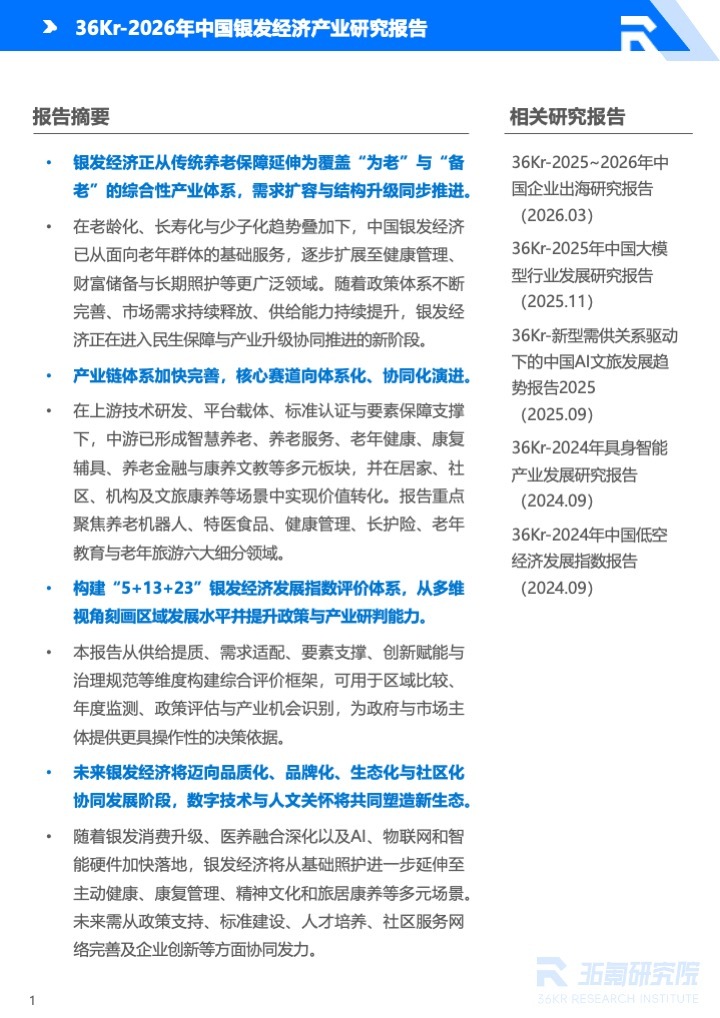
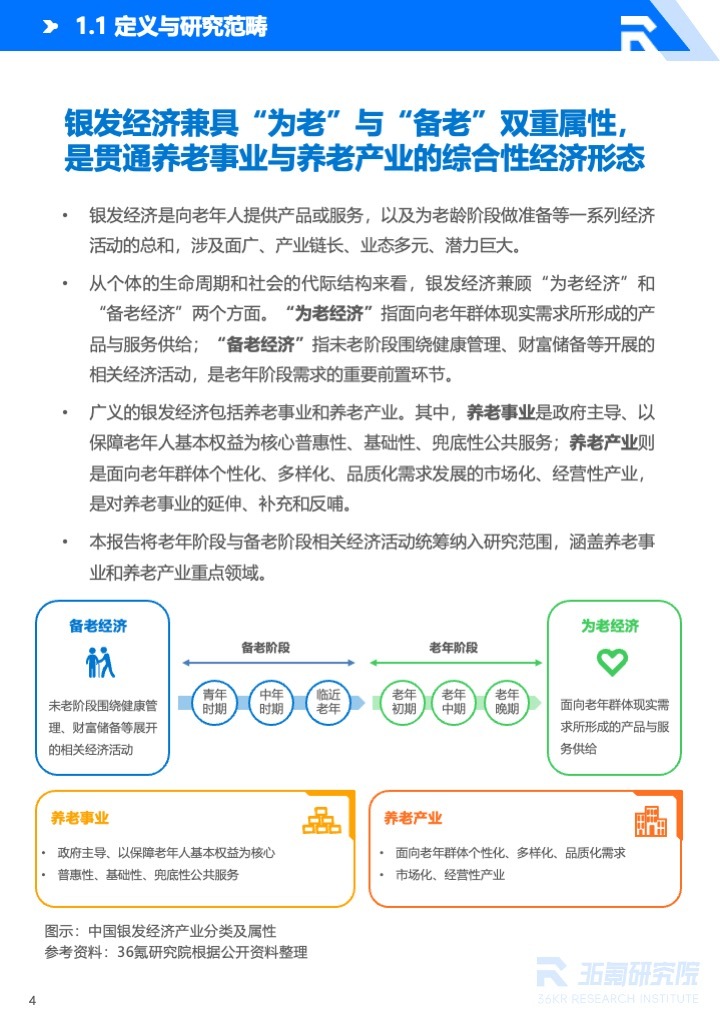
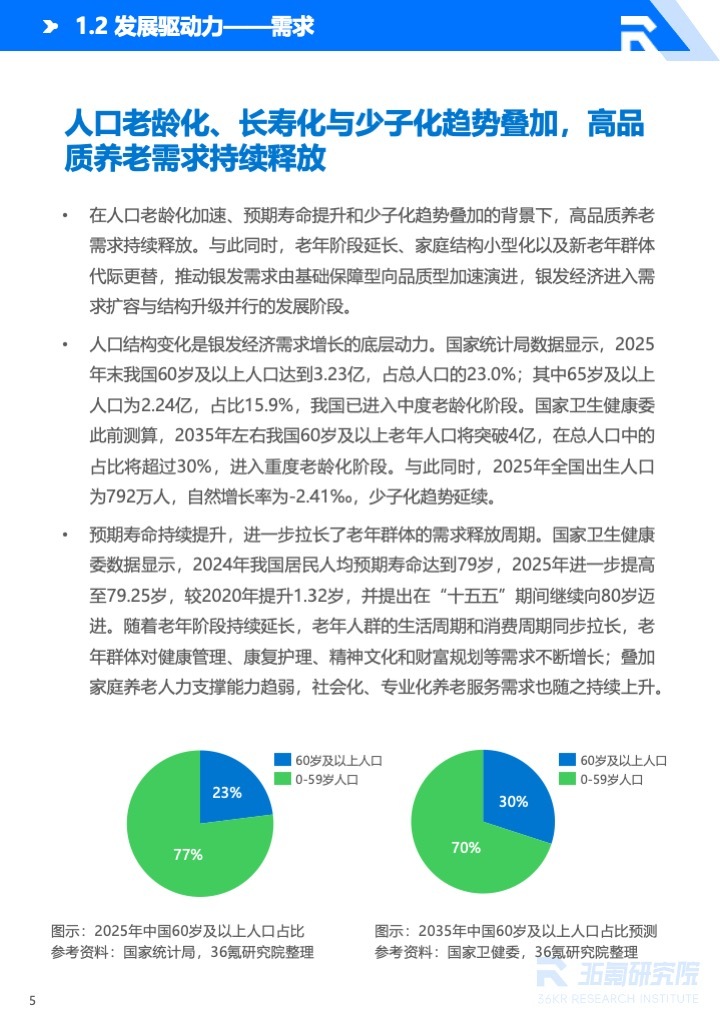
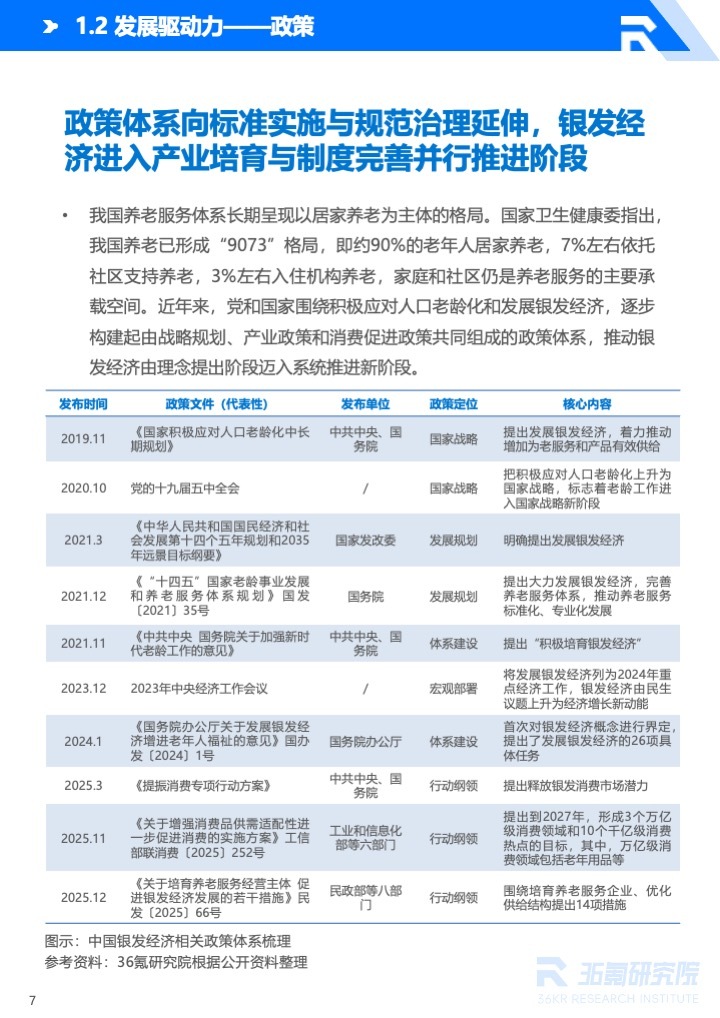
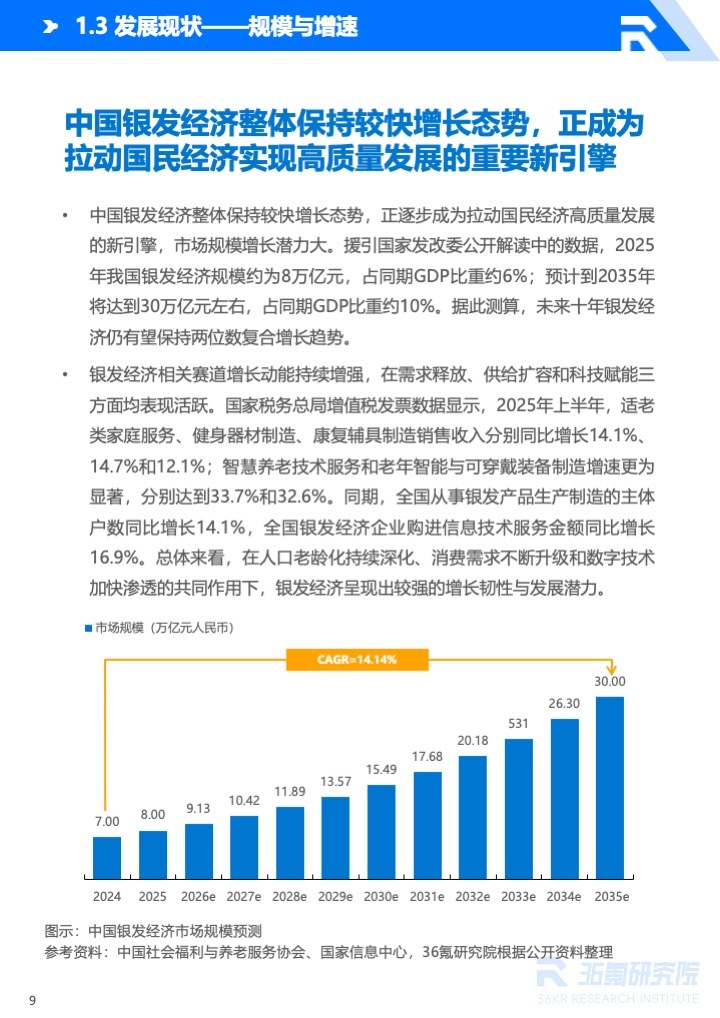
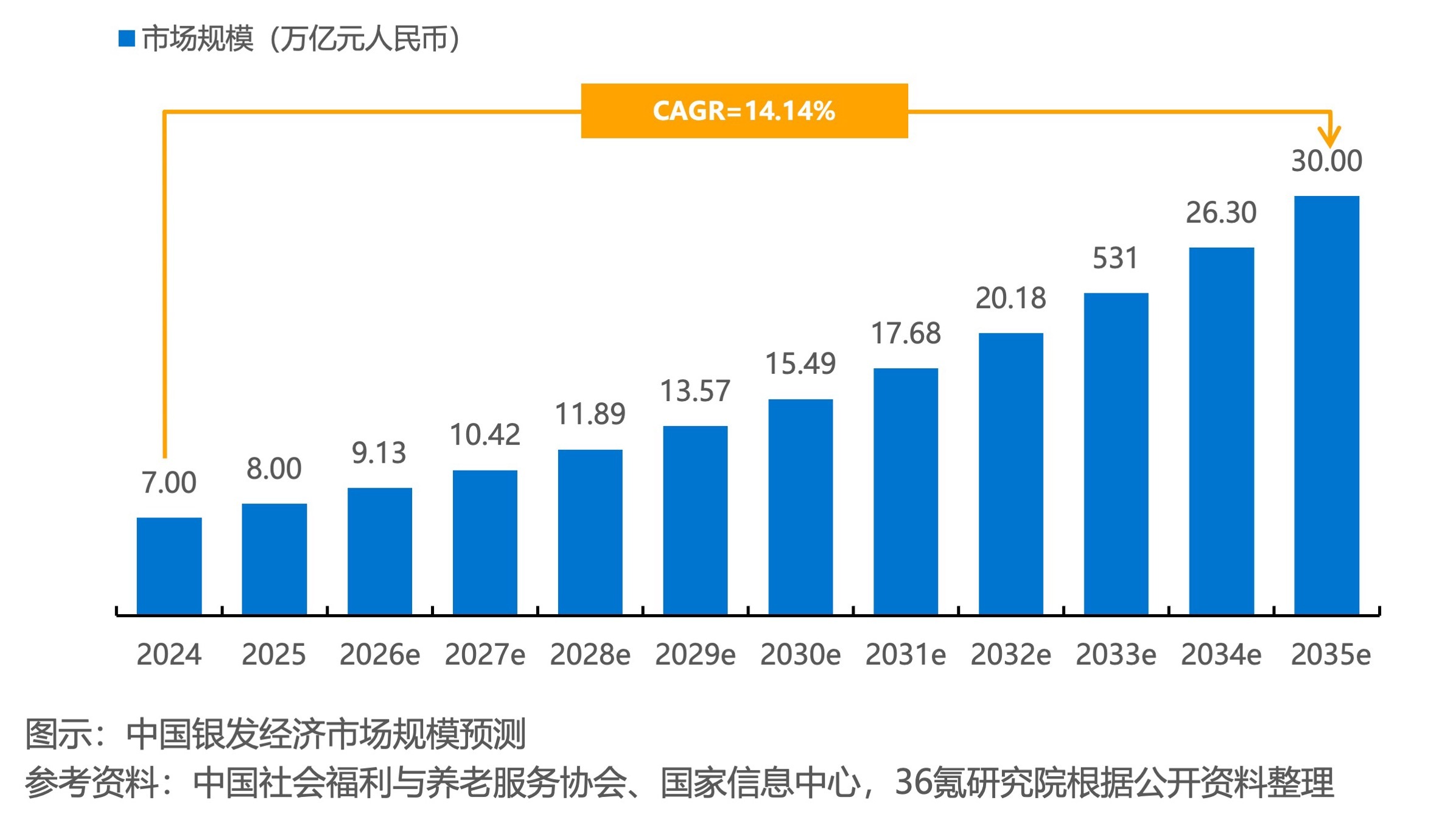
Currently, driven by the combined trends of population aging, longer life expectancy, and a declining birth rate, along with continuous policy improvement, accelerating demand release, and continuous upgrading of the supply system, China's silver economy is rapidly evolving from traditional elderly care security to a comprehensive industrial system covering both "elder - oriented" and "pre - elderly" services. According to data from the National Bureau of Statistics, by the end of 2025, the population aged 60 and above in China had reached 323 million, accounting for 23.0% of the total population. The National Health Commission estimates that around 2035, the population aged 60 and above will exceed 400 million, accounting for over 30% of the total population, indicating that China will enter a stage of severe aging. Against the backdrop of profound changes in the population structure, the silver economy is no longer limited to basic care services for the elderly but has further expanded to broader areas such as health management, wealth reserve, long - term care, spiritual and cultural activities, and tourism and health - preserving services. Public data shows that the scale of China's silver economy was approximately 8 trillion yuan in 2025 and is expected to reach around 30 trillion yuan by 2035, with the potential for double - digit compound growth in the next decade. Thus, the silver economy is becoming a comprehensive economic form that integrates elderly care undertakings and industries, covering both the elderly stage and the pre - elderly stage.
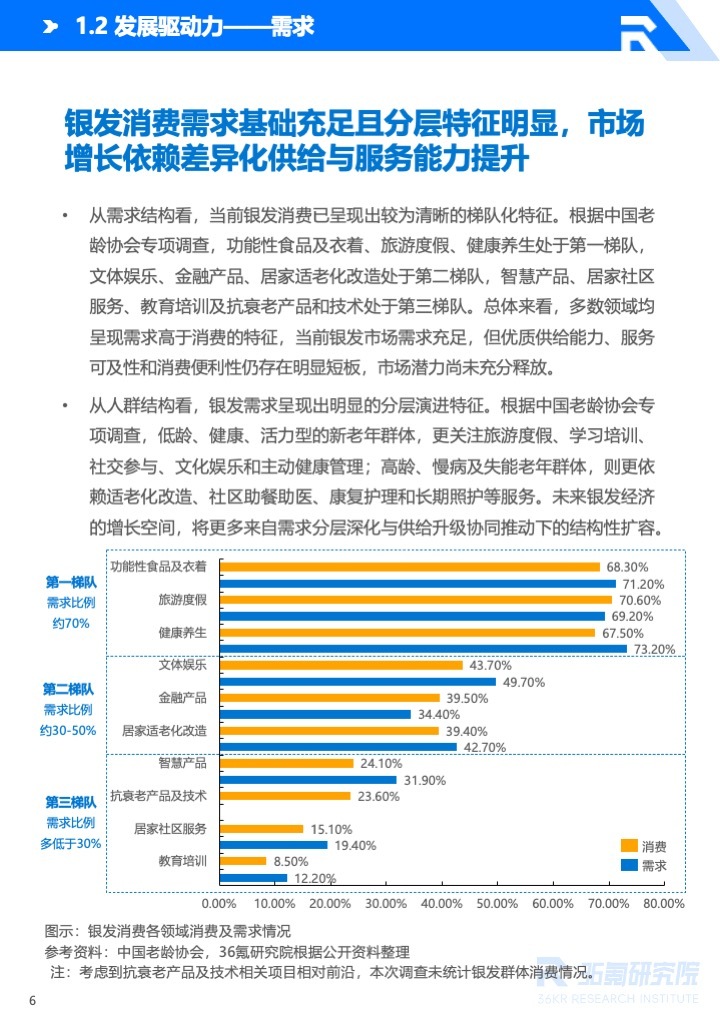
China's silver economy is shifting from "basic security" to "structural expansion driven by demand stratification"
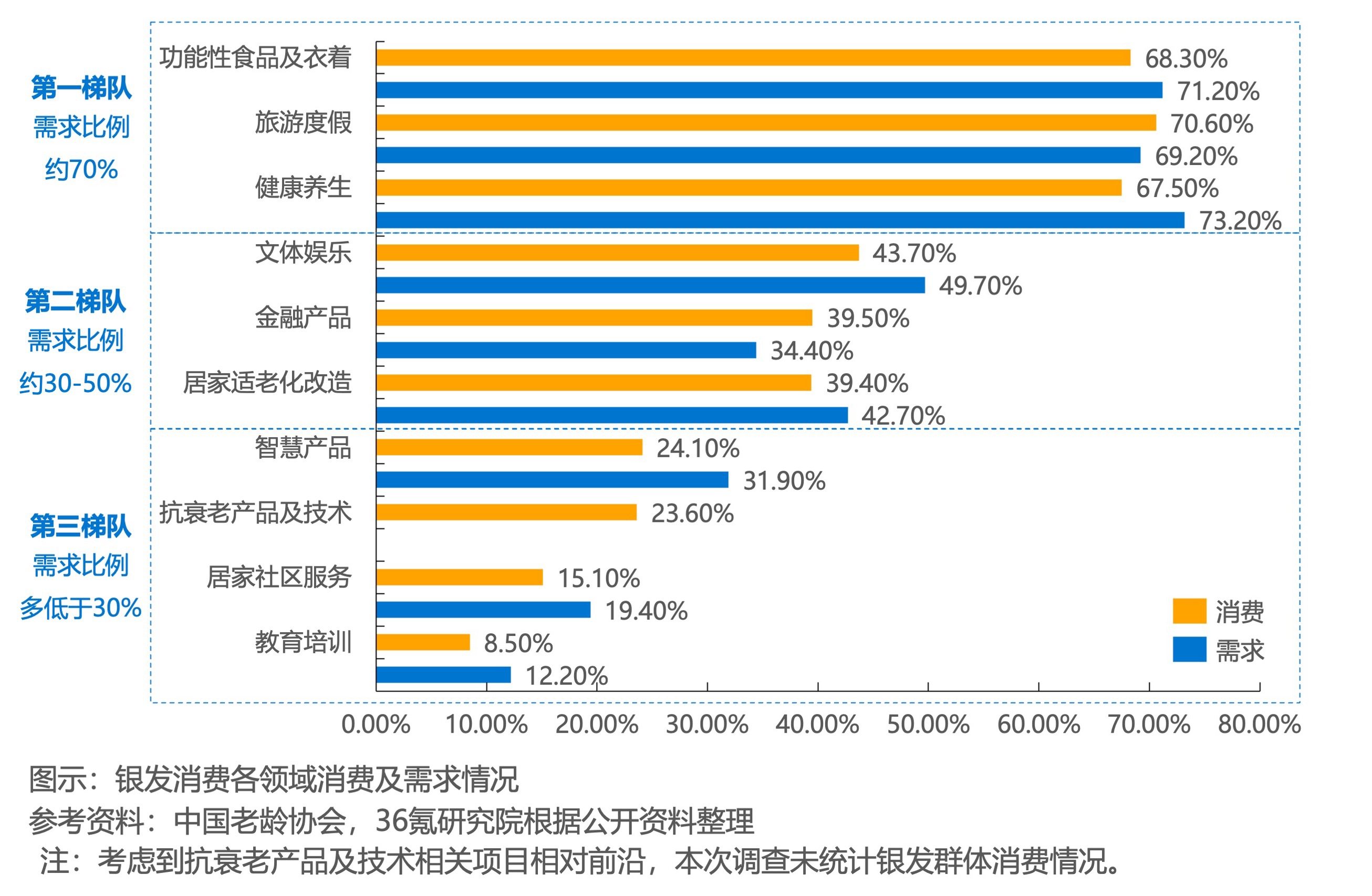
From the demand side, silver consumption has shown obvious characteristics of echelon and stratification. Functional foods, clothing, tourism, and health preservation are in the first echelon; cultural and sports entertainment, financial products, and home aging - friendly transformation are in the second echelon; smart products, home and community services, education and training, and anti - aging products and technologies are in the third echelon. Meanwhile, different elderly groups with varying ages, health conditions, and lifestyles have significant differences in consumption preferences and service needs. The younger, healthier, and more active elderly are more concerned about proactive health, social participation, learning and training, and leisure tourism, forming the most dynamic growth pole in silver consumption. The older, chronically ill, and disabled elderly rely more on aging - friendly transformation, community support, rehabilitation care, and long - term care services, creating a security - oriented consumption market centered on rigid care needs. This means that in the future, the incremental space of the silver economy will no longer mainly come from the extensive expansion of a single track but will more likely result from the structural growth driven by the continuous deepening of demand stratification and the precise adaptation of supply.
The industrial chain system is being improved rapidly, and six key tracks are outlining the new growth mainline of the silver economy
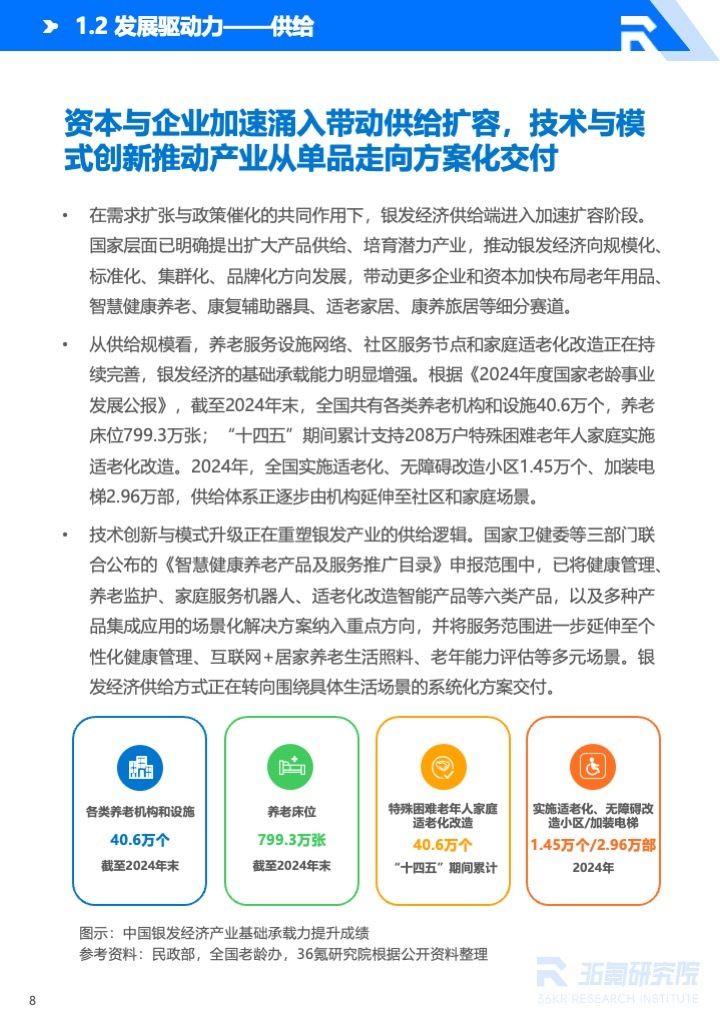
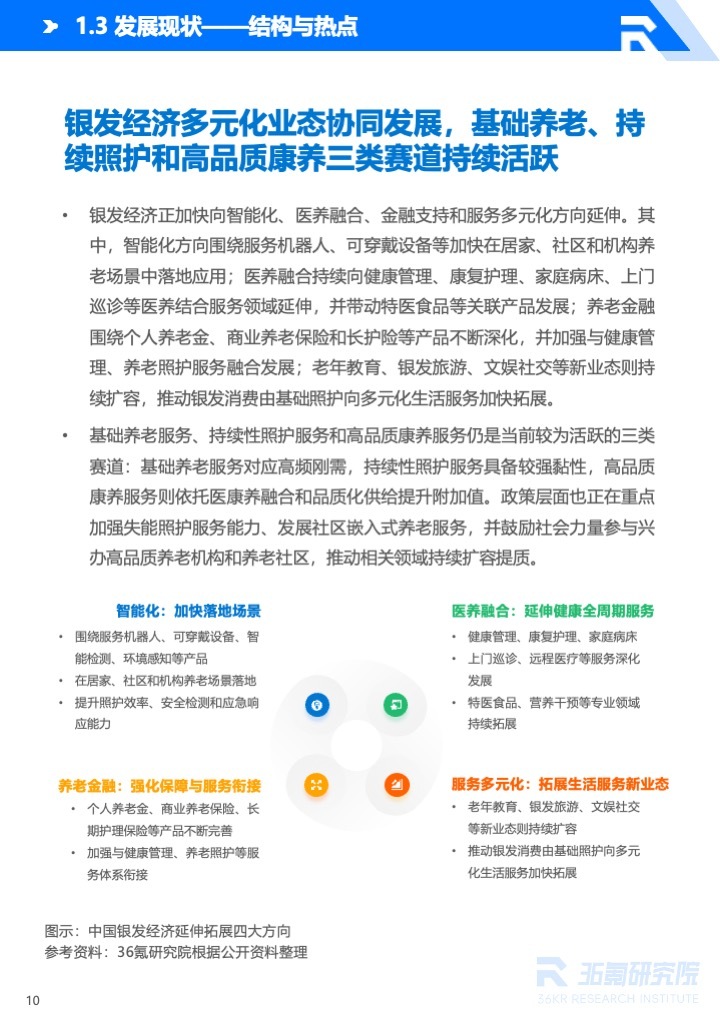
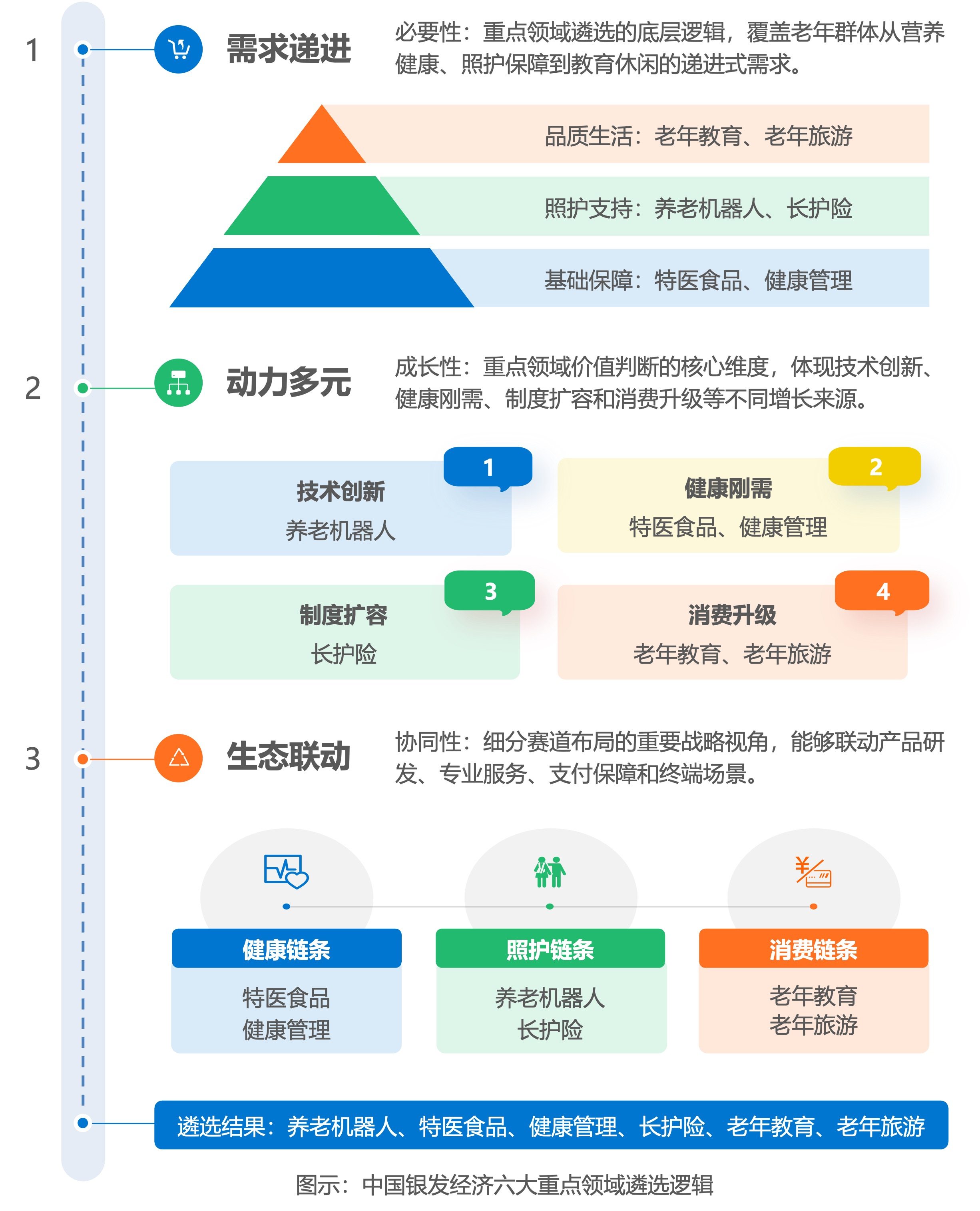
From the perspective of industrial structure, the silver economy has gradually formed a complete industrial chain system. The upstream includes technology R & D, platform carriers, standard certification, and element support as the foundation; the mid - stream consists of product manufacturing and service supply as the main body; and the downstream covers diverse scenarios such as home, community, institutions, public spaces, and cultural and health tourism as the implementation terminals. In the mid - stream, multiple sectors such as smart elderly care, elderly care services, elderly health, rehabilitation aids, elderly finance, and cultural and educational services for the elderly have emerged, showing the characteristics of coordinated development of "products + services". Based on this, the report focuses on six sub - sectors: elderly care robots, special medical foods, health management, long - term care insurance, elderly education, and elderly tourism, which correspond to different growth logics such as technological innovation, health necessities, institutional expansion, and consumption upgrading. These six tracks not only reflect the trend of the elderly's needs shifting from "survival security" to "improvement of life quality and self - development" but also indicate that the silver economy is moving from single - point breakthroughs to systematic layout and coordinated development.
The evaluation system of the silver economy development index provides a new tool for regional comparison, annual monitoring, and policy research
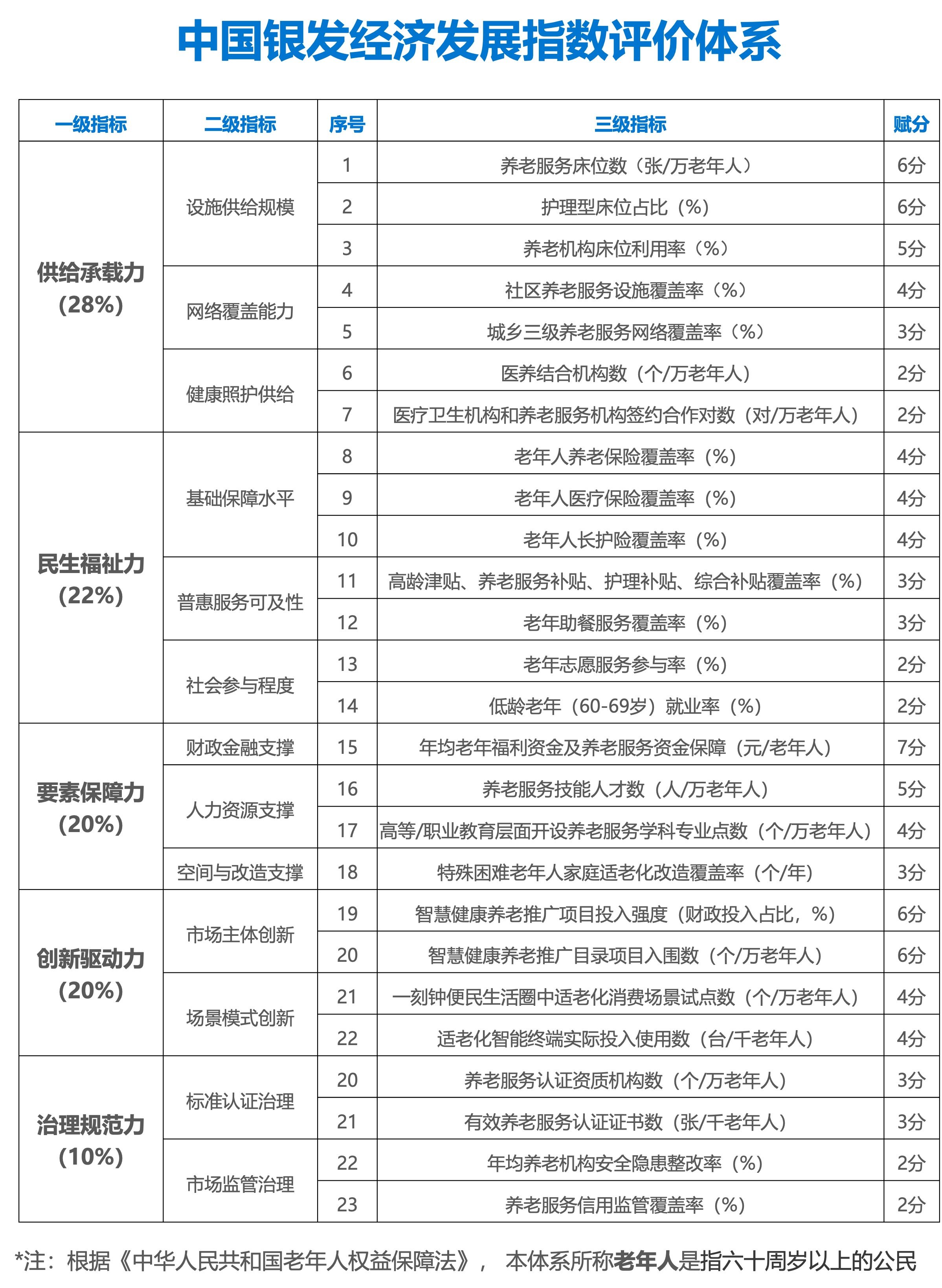
36Kr Research Institute has constructed an evaluation system for the silver economy development index from five dimensions: supply carrying capacity, demand adaptation ability, element support ability, innovation driving force, and governance standardization ability. Composed of 5 first - level indicators, 13 second - level indicators, and 23 third - level indicators, this system provides a more operable quantitative tool for regional comparison, annual monitoring, policy evaluation, and identification of industrial opportunities in regions involved in the silver economy industry across the country. The establishment of this system marks that the research perspective of the silver economy is shifting from a simple assessment of market scale to a comprehensive measurement of industrial quality, innovation ability, institutional environment, and development balance. It also provides more solid methodological support for government departments and market players to identify development short - boards and optimize industrial strategies.
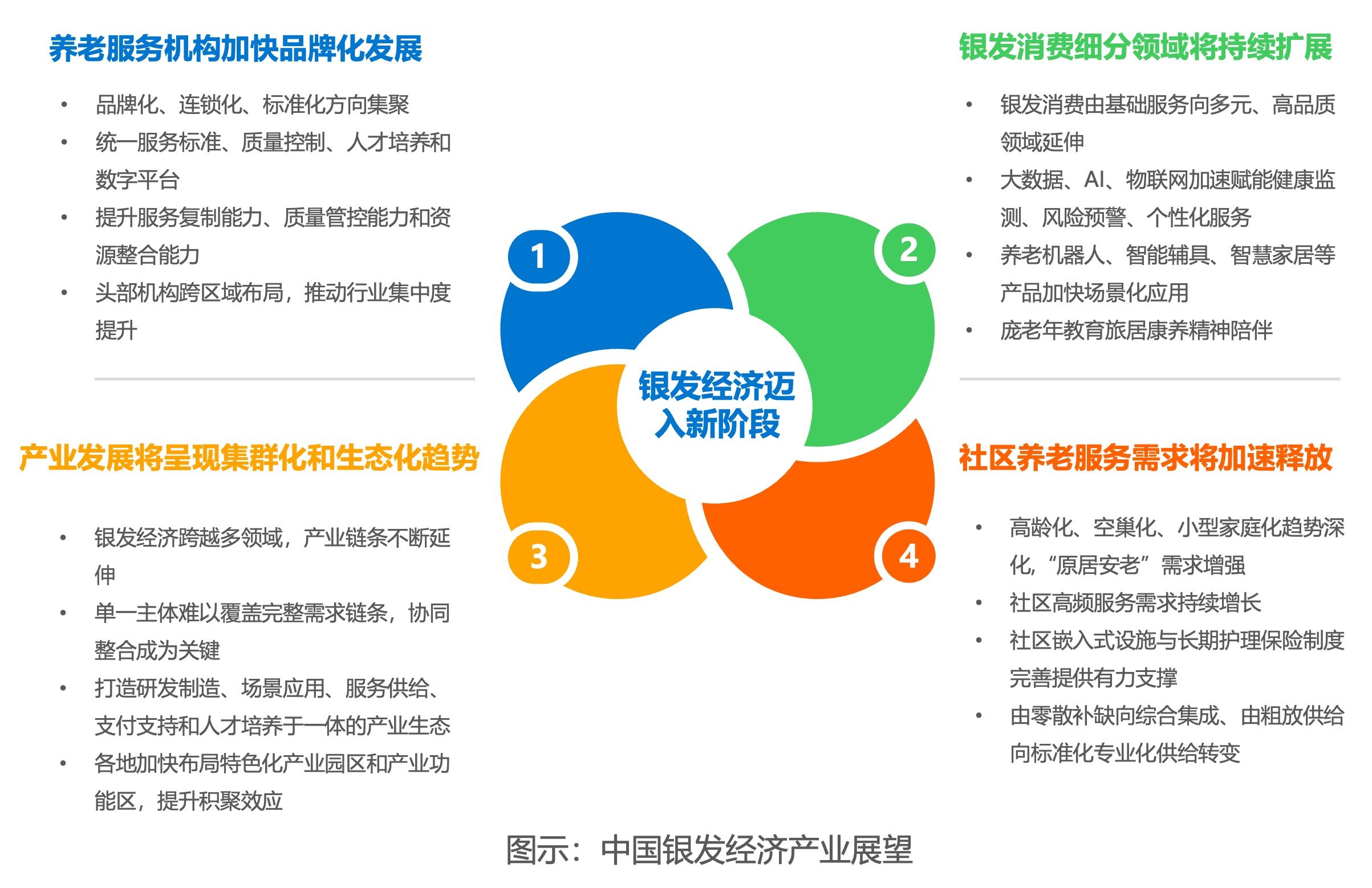
In the future, the silver economy industry will enter a new stage of coordinated development featuring high - quality, brand - building, ecological development, and community - based services
With the upgrading of silver consumption, the continuous deepening of the integration of medical care and elderly care, and the accelerated implementation and application of AI, the Internet of Things, and smart hardware, the silver economy will further extend from basic care to diverse scenarios such as proactive health, rehabilitation management, spiritual and cultural activities, and tourism and health - preserving services. Meanwhile, the focus of market competition in China's silver economy will shift to a systematic competition of comprehensive capabilities, including policy support, standard construction, talent cultivation, improvement of community service networks, and enterprise innovation. In this process, digital technology and humanistic care will jointly shape a new ecosystem for the silver economy. "Technology adapted to the elderly" will improve service efficiency and precision, while "services adapted to the elderly" will safeguard the warmth and dignity of the elderly. The deep integration of the two will promote the high - quality development of the silver economy.
The key research questions in this report are as follows:
- How can the industrial boundary of China's silver economy extend from traditional elderly care services to a comprehensive industrial system with both "elder - oriented" and "pre - elderly" attributes?
- Against the backdrop of the combined trends of population aging, longer life expectancy, and a declining birth rate, how will the silver demand be stratified and evolved, and in which directions will the future structural growth opportunities be mainly concentrated?
- What are the current development stages of the six sub - sectors of elderly care robots, special medical foods, health management, long - term care insurance, elderly education, and elderly tourism, and what are the differences in their core driving forces and commercialization logics?
- How to construct an evaluation system for the silver economy development index that can reflect regional development levels and use it for regional comparison, annual monitoring, policy evaluation, and identification of industrial opportunities?
- Facing the future, how can the government, associations, and enterprises collaborate in terms of institutional guarantee, standard construction, talent cultivation, community service networks, and scenario - based innovation to jointly promote the silver economy to a new stage of high - quality development?
For more exciting content, please refer to the 2026 China Silver Economy Industry Research Report. Click Download Link, extraction code: fp4f