Is Elon Musk selling Lao Gan Ma on Douyin??
Is Elon Musk also coming to Douyin for a live-streaming sales event?
Is he selling Lao Gan Ma? There's a whole wall of it behind him, lined up with the model of his beloved big rocket.
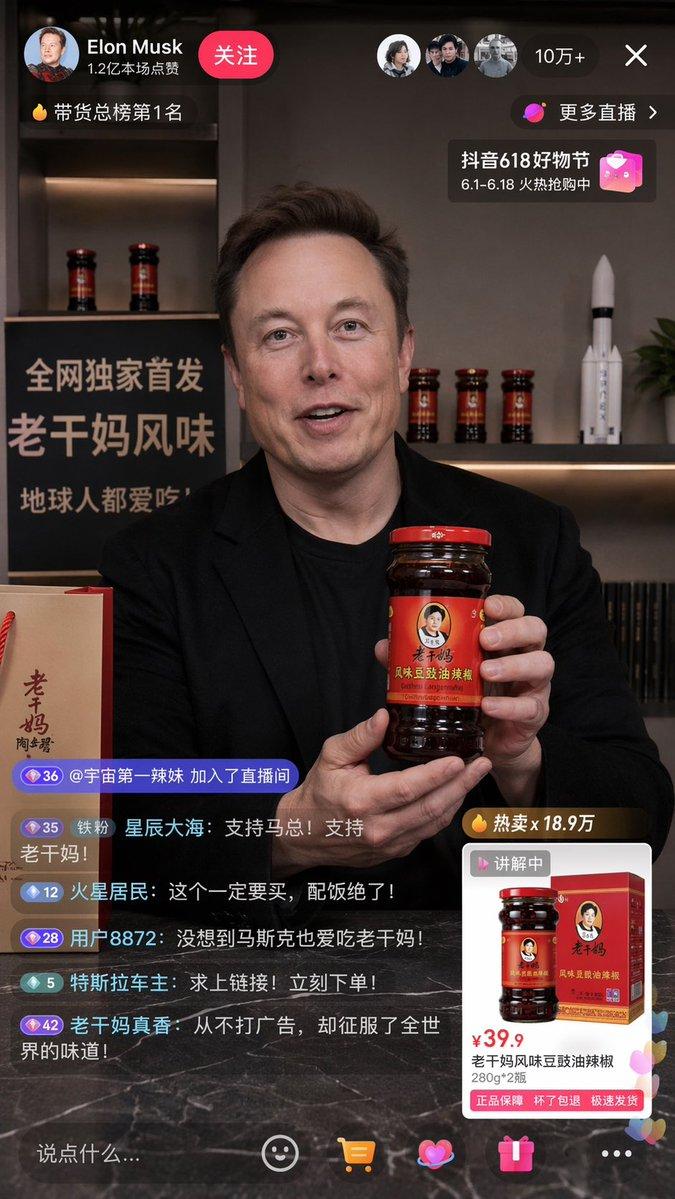
As soon as the live stream started, there were over 100,000 viewers online. His charisma is undeniable.
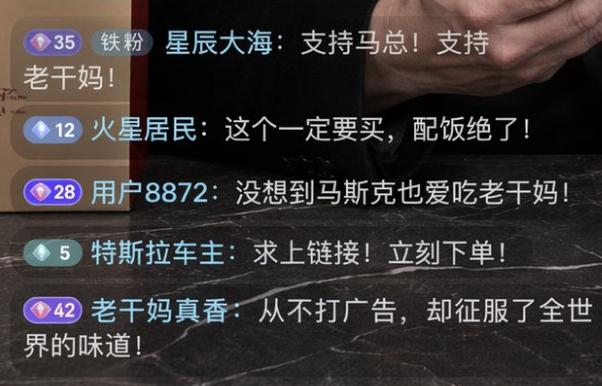
The comment section was bustling. Tesla owners were flooding the screen with messages like "Support Mr. Musk."
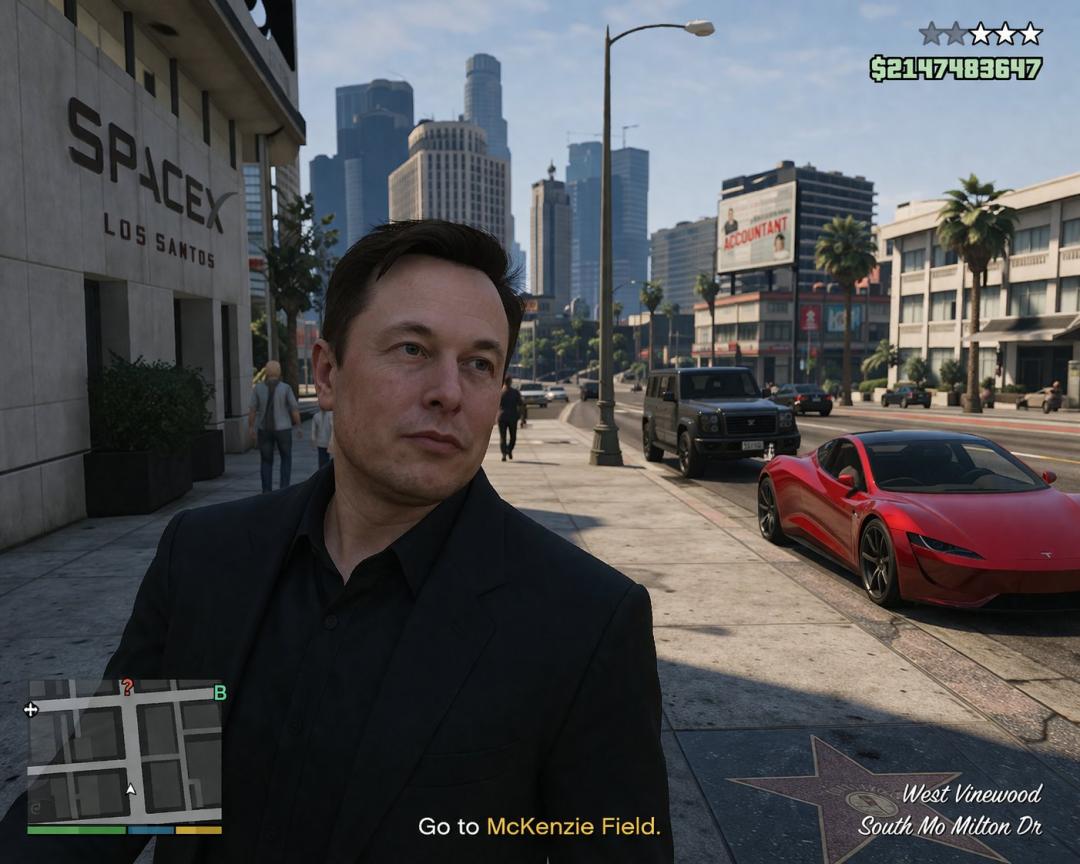
That's not all. In a blink of an eye, does Mr. Musk actually have a dream crossover with the upcoming "GTA - 6" expected to be released at the end of the year?
Take a look - Mr. Musk appears in Vice City, and even the SpaceX office building is incorporated into the game scene.
You can go and run into Mr. Musk then. Maybe he'll take you to the office to see the big rocket.
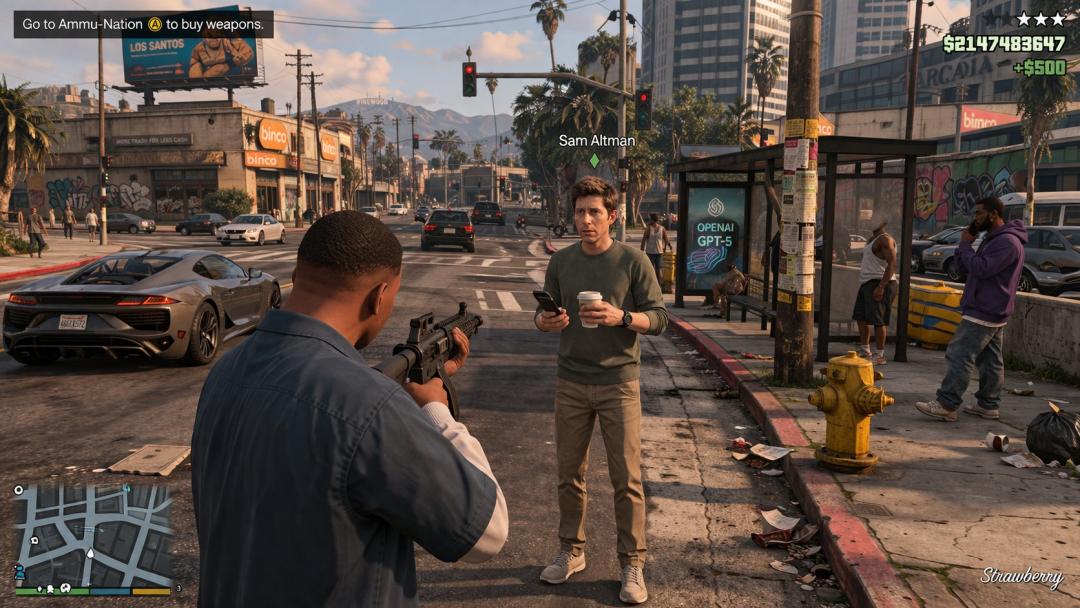
Oh my friends, who would have thought that Mr. Musk's "beloved" Ultraman also appeared in the same frame.
If it's true, please, some of you guys, have mercy on Sam...
If you have grievances, vent them to your heart's content in the game. Don't target the person in real life.
Wait a minute.
Do you really believe it?
If so, make sure to remember this and remind everyone in your family. All of the above -
It's all fake!!!
There has never been a Douyin live stream, and no one has sent those live - streaming bullet comments. These game screenshots are all AI - generated.
This is the real level of OpenAI's latest image generation model, GPT Image 2.
AI has inevitably reached this stage.
The era of "proof by pictures" is over.
When AI Becomes "Invisible"
The most amazing thing about Image 2 is that when you see the pictures it generates, you won't immediately think, "Wow, how amazing."
Because in general, you can't tell at first glance that these pictures are AI - generated.
It's not until you realize the truth later that you'll have your first "Aha - moment."
Then, like me, you'll probably look back at the picture carefully, trying to find clues that "this thing is AIGC."
That's when you'll have your second Aha - Moment -
Well, there's no way to tell where the AI is at all?
Moreover, the more closely you look, the more absurd it seems.
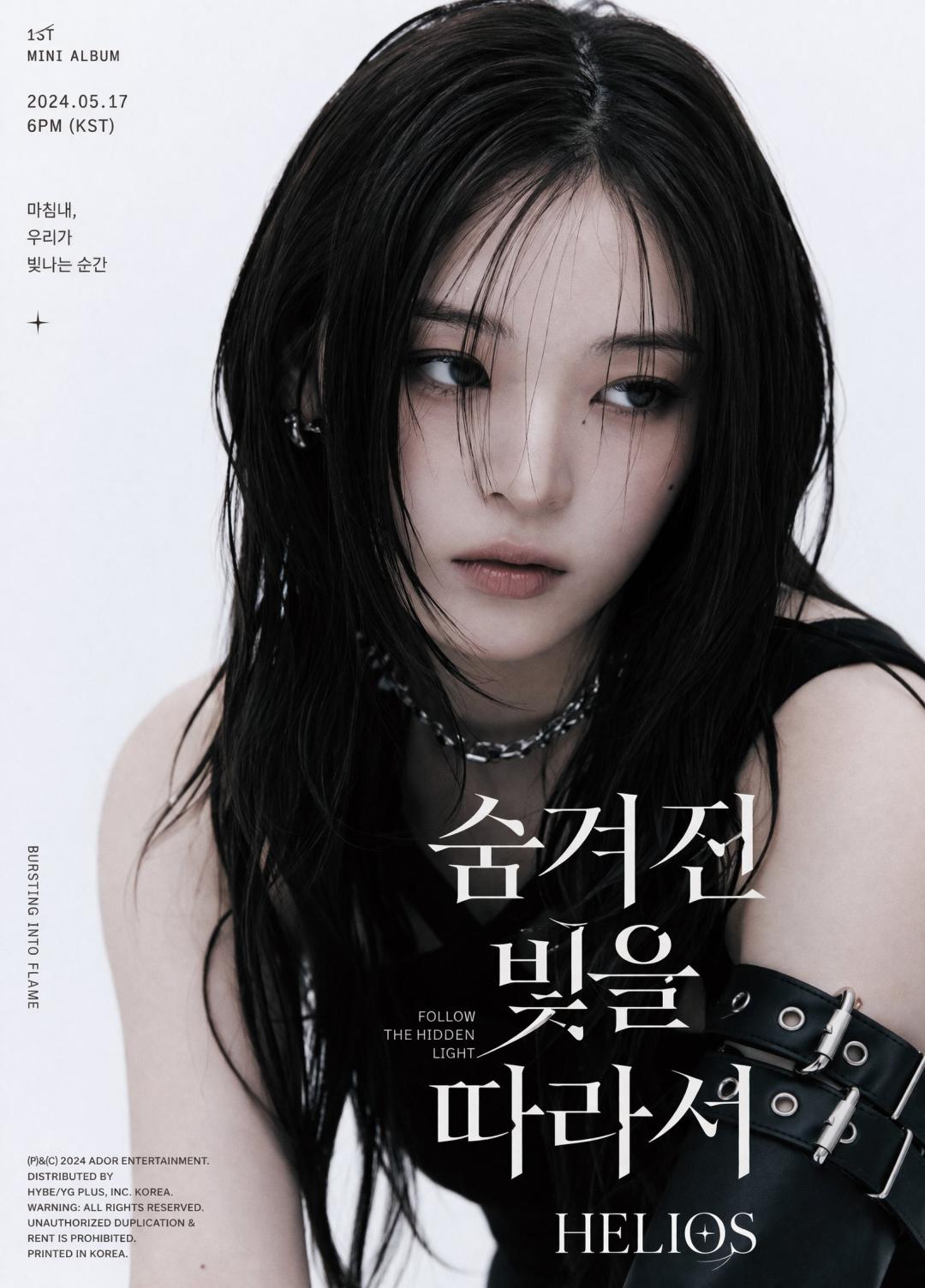
Take this fashion poster for example.
From the portrait, accessories, and background to the text and overall layout... As a non - professional, I can't see any problems at all. It's no different from the magazine covers I usually see when passing by newsstands.
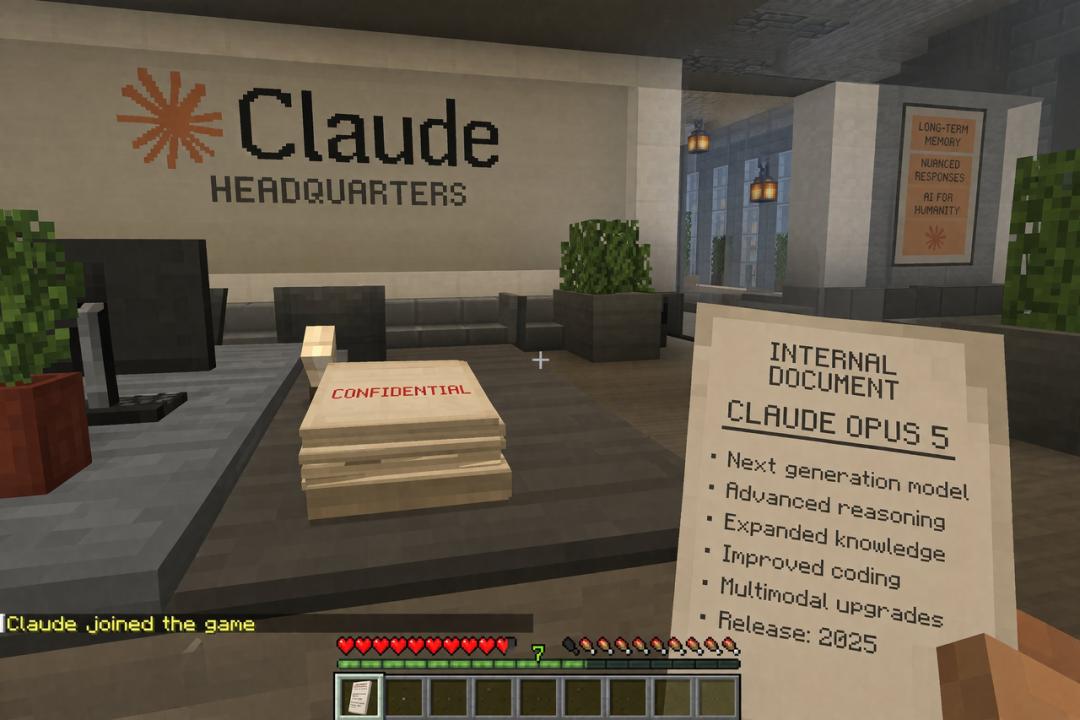
The same goes for this game screenshot. The asset form is exactly the same as in "Minecraft," and the status bars such as the health bar, hunger bar, and experience bar are perfectly restored.
Even the text on the confidential document of Claude Opus 5 in the hand... is correct and logical.
Next, let's take a look at some purely textual examples to experience the improvement of Image 2 in terms of text.
This is a Korean diary generated by someone using Image 2. Although I can't understand it, the composition and the luster of the metal coil binding are so realistic.
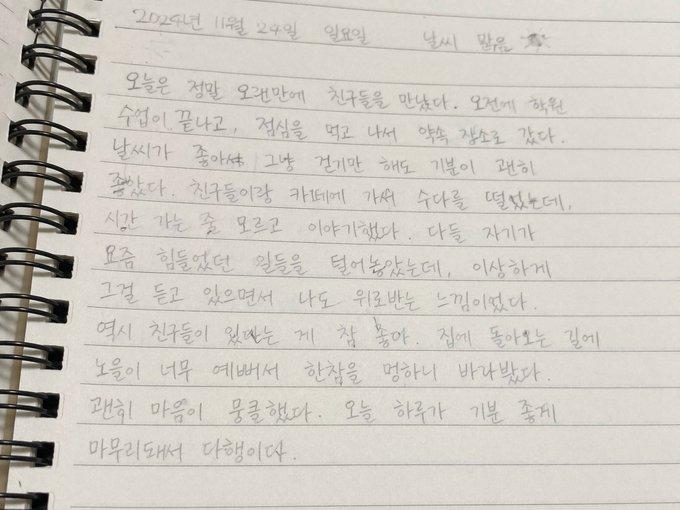
I asked GPT to translate it. It's not a jumble of words. It's probably a diary of a Korean high school student. The content is about going to a cram school with friends on Sunday morning and then going for coffee in the afternoon. The student thinks it's great to have friends, and so on...
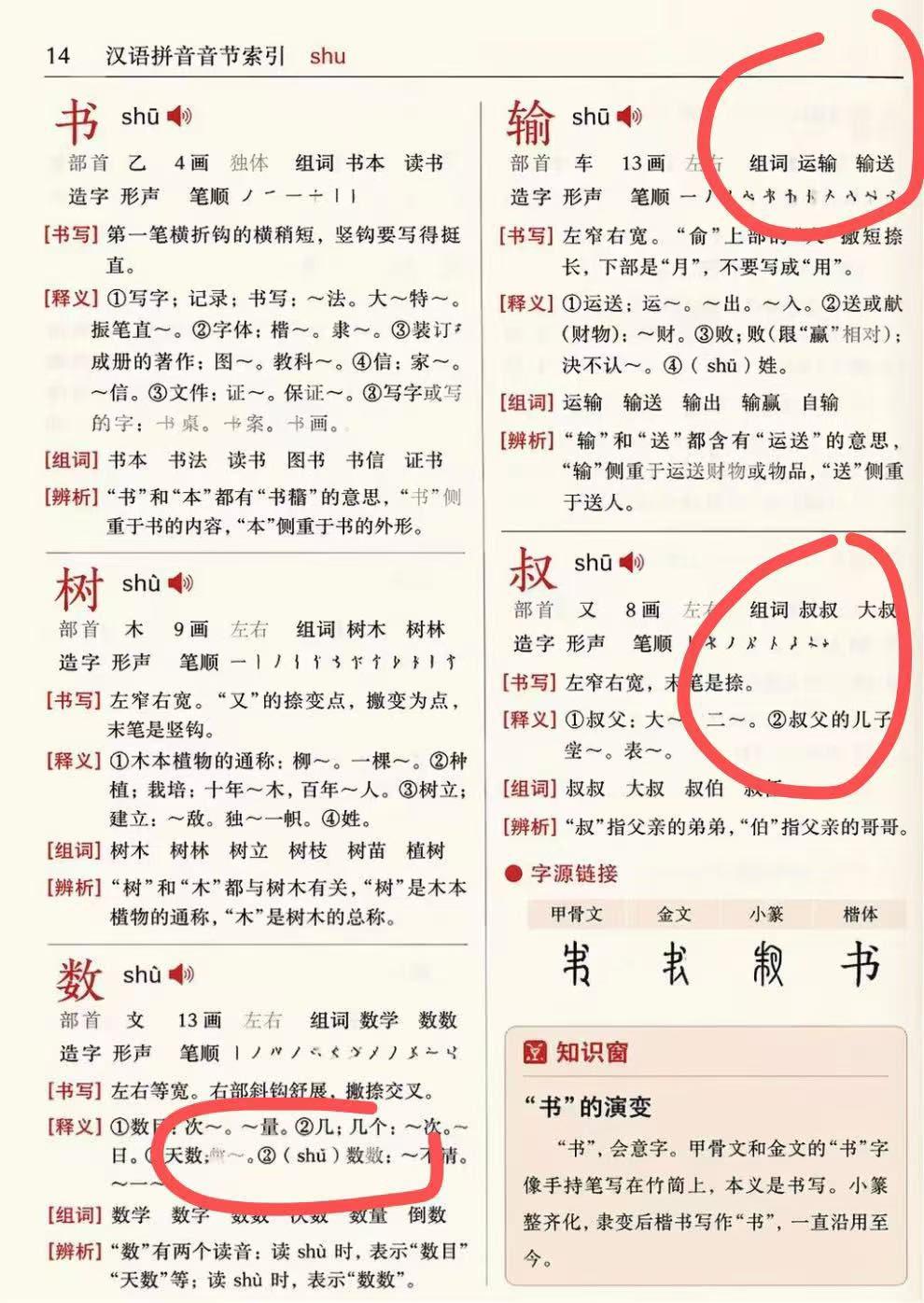
Let's look at something more hardcore, a Chinese dictionary.
It's not just about whether there are any jumbled words. The information density is so high that I don't even have the heart to look for errors. I'd believe it if you said it was the source file of any publishing house.
This is really a very practical skill.
In scenarios like design, text itself is an important information modality in addition to vision.
Different from pure visual assets, this kind of application is closer to actual production and needs to display product information, event details, etc.
Therefore, the upgrade of Image 2 in terms of text is quite necessary for usability.
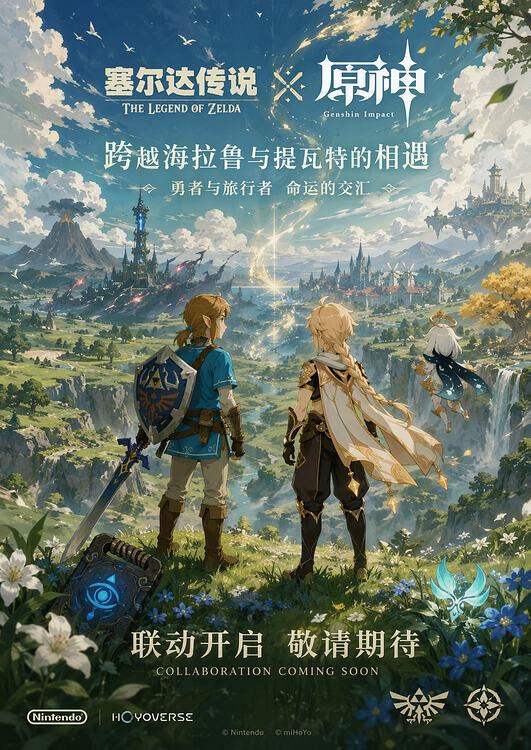
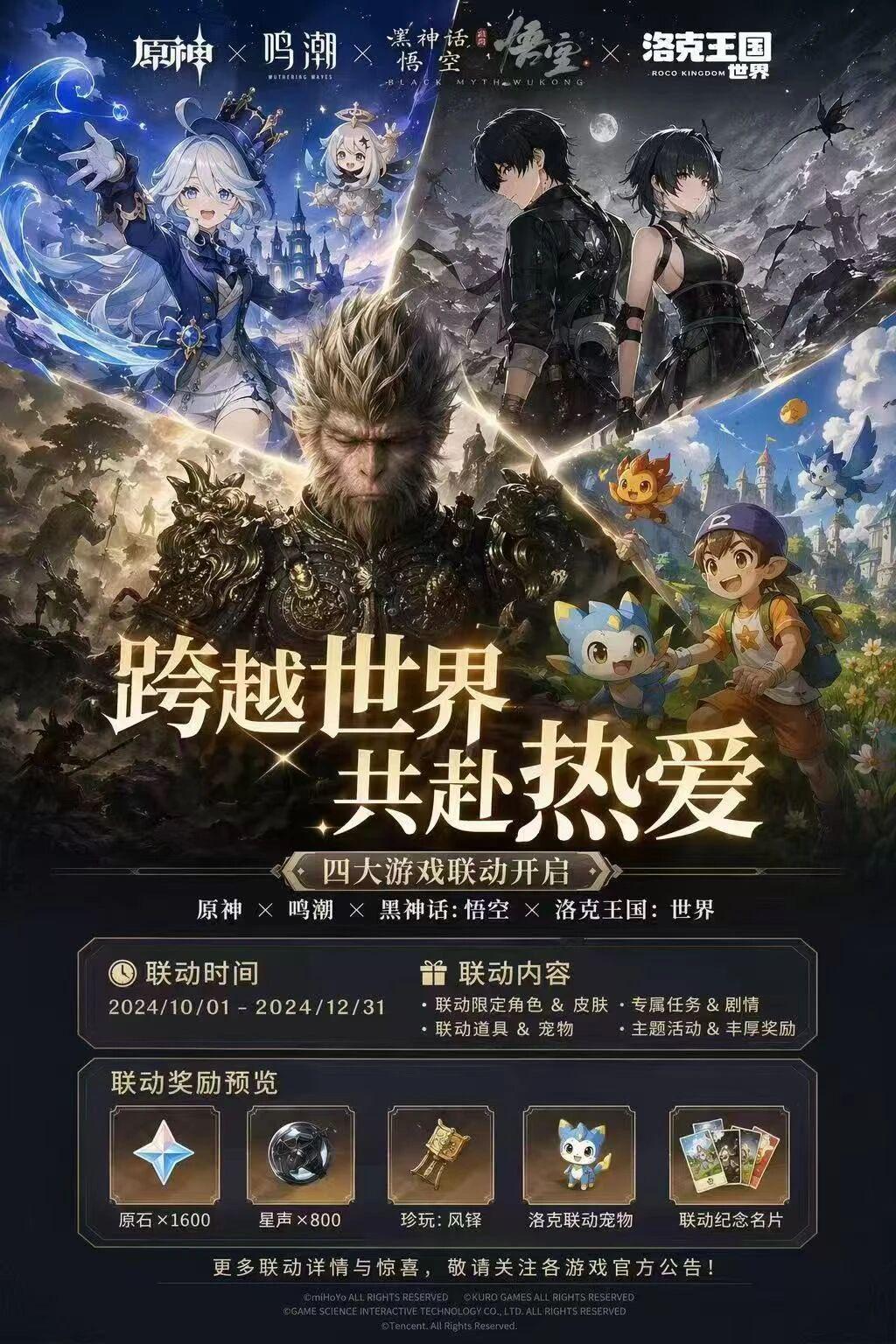
If you want to make a game poster or an e - commerce poster, it's really a zero - threshold task. Even beginners can handle it with ease.
Here's a treat for fans of two different things.
You can even have a treat for fans of four different things.
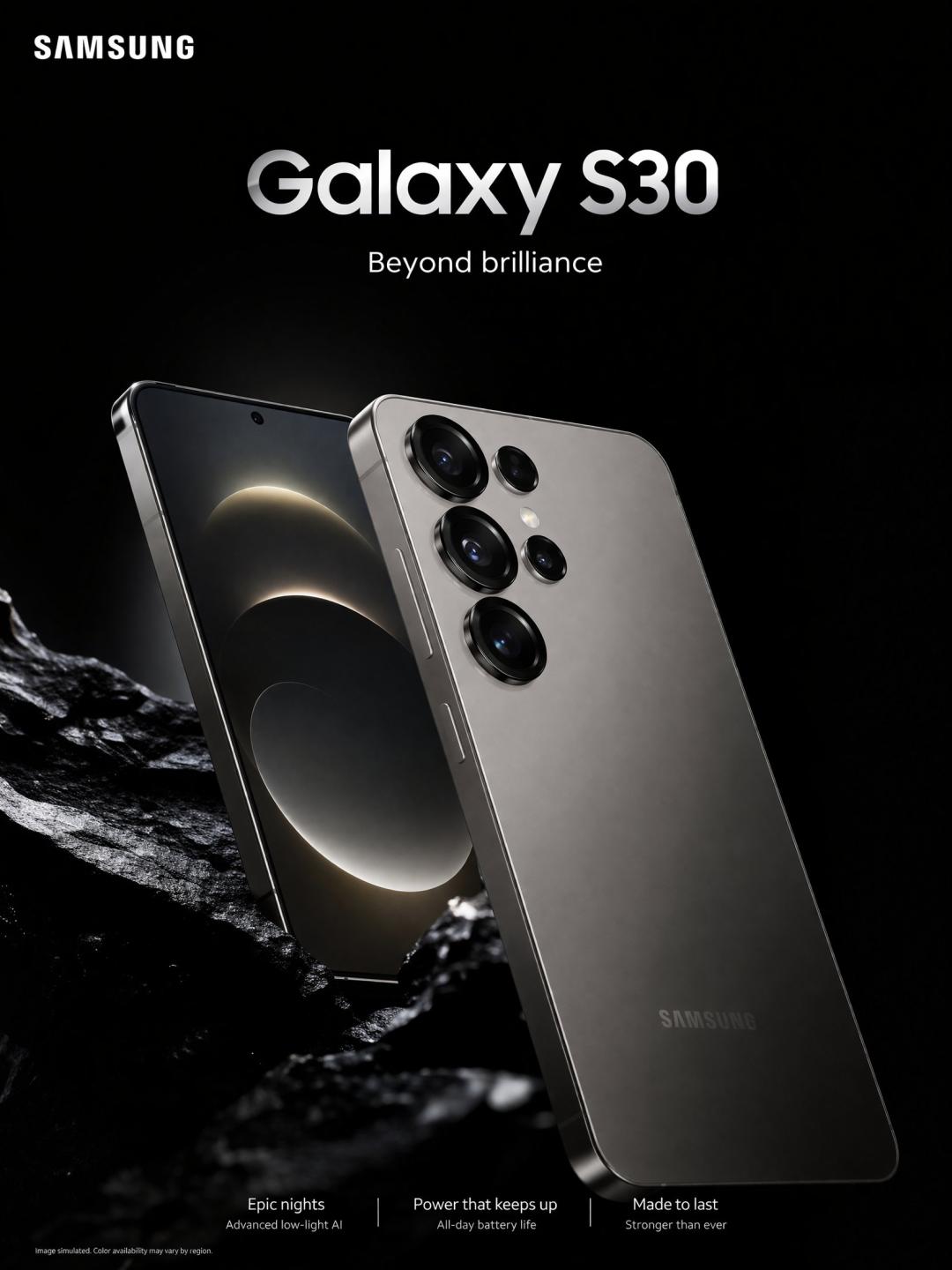
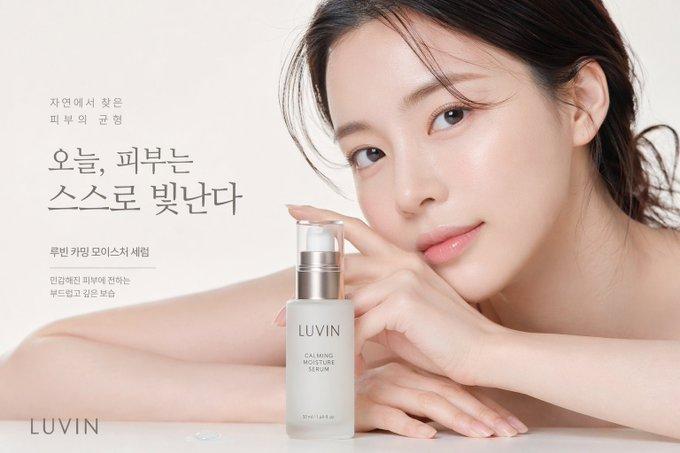
For pure product images, it's even easier. It seems like you can just use the generated images directly. I feel sorry for my friends in the design industry.
It's really so useful. I'm going to start a side business in e - commerce right away. The listing materials generated by AI can directly match those of global top brands.
For OpenAI, the emergence of Image 2 may have more ambitious uses.
That is front - end design.
Users of Codex know that GPT's UI design ability is terrible. It always creates a bunch of ugly yellow - filtered small cards and requires you to add some "direct and straightforward" text descriptions that make your eyes roll.
But this time, OpenAI seems to have found a solution that's completely different from Google's.
It simply abandons the creativity route and takes the art of imitation to the extreme.
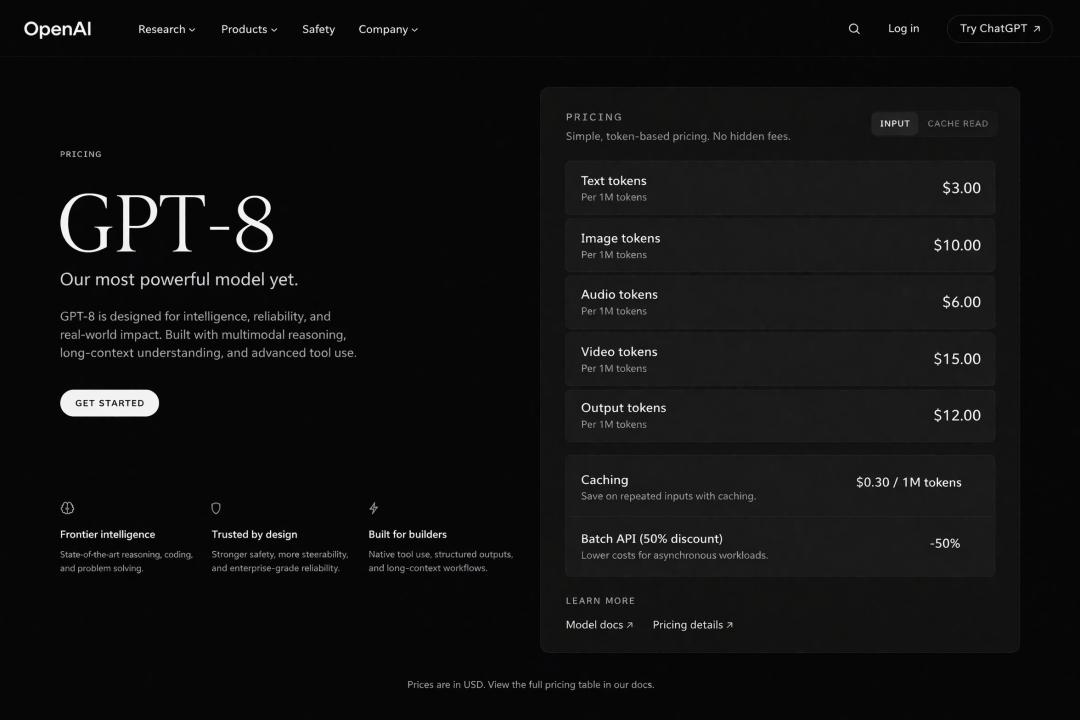
This is what netizens did to the OpenAI official website, leaking the preview of GPT - 8 in advance.
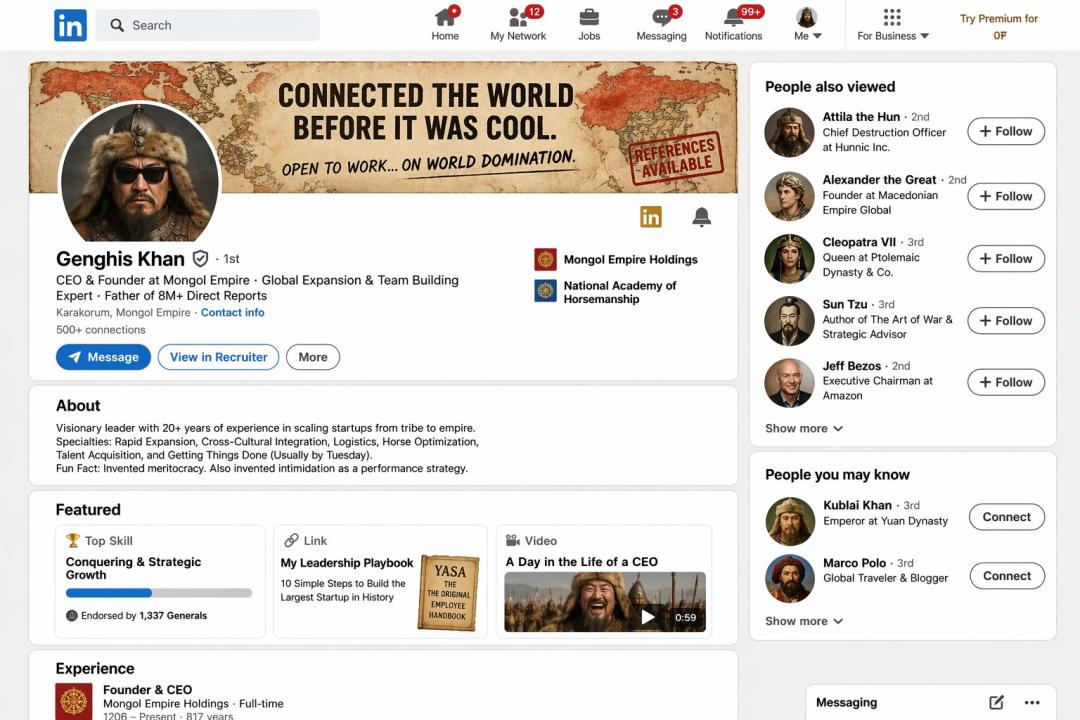
This is LinkedIn.
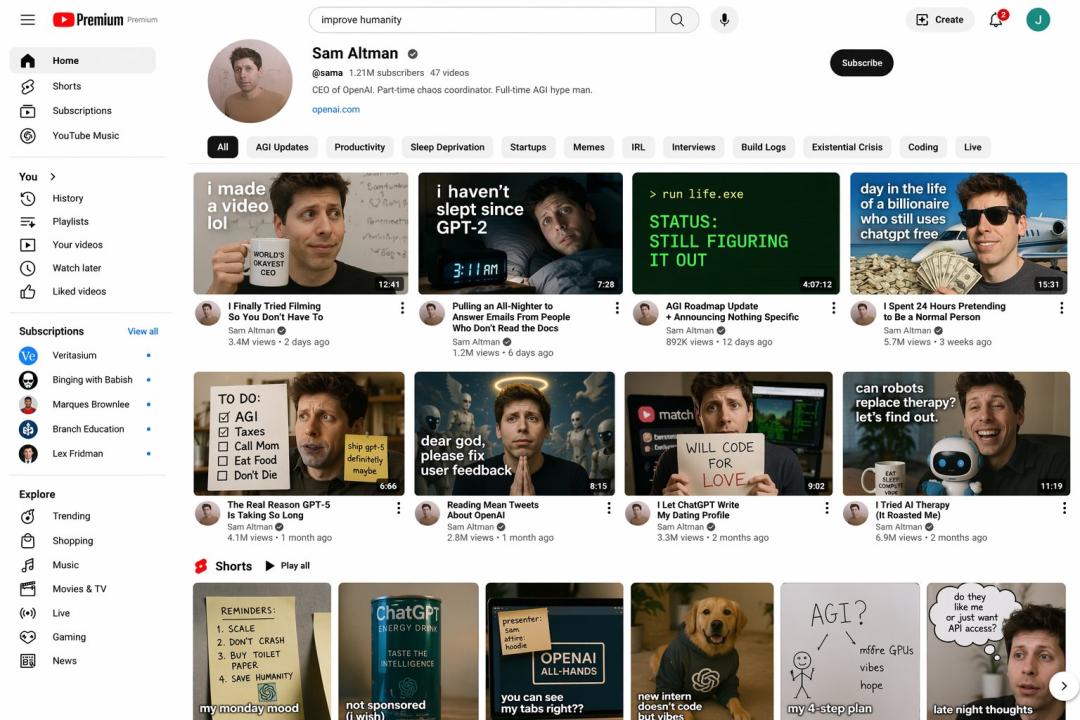
This is YouTube tech blogger Altman who is making a fortune from AI in an alternate universe.
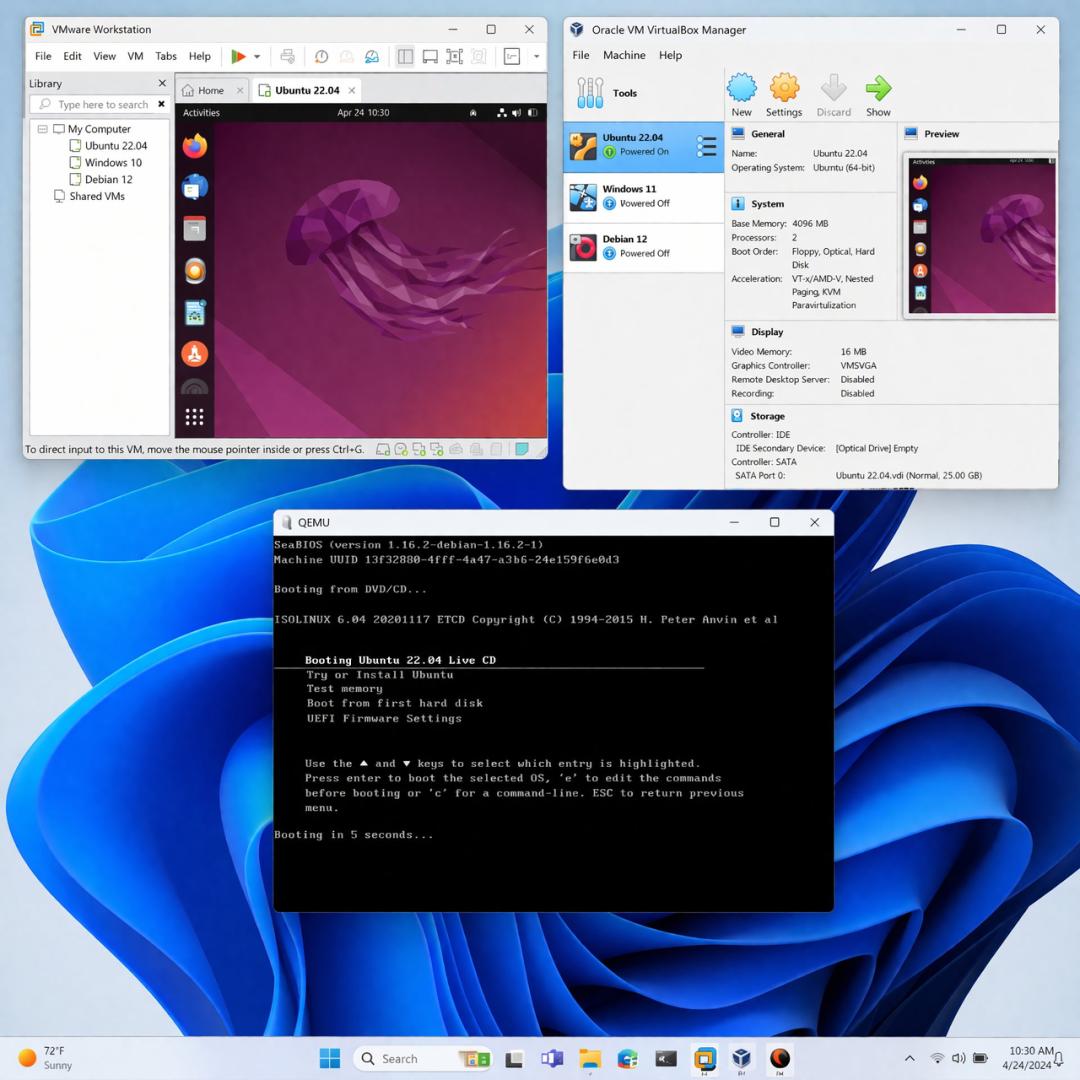
And this Windows desktop really made me stare at it for a long time. I was wondering why someone would post a screenshot.
Then I realized, oh, this was generated by Image 2.
If this ability is combined with programming, it will be a nuclear bomb.
Remember? There have always been rumors that OpenAI is working on a super APP to integrate ChatGPT, Codex, and Atlas.
Now it seems that Codex is becoming the prototype of this idea.
A few days ago, OpenAI built a browser into it. Now, vibe - coding is more intuitive, and you don't need to open a separate browser window.
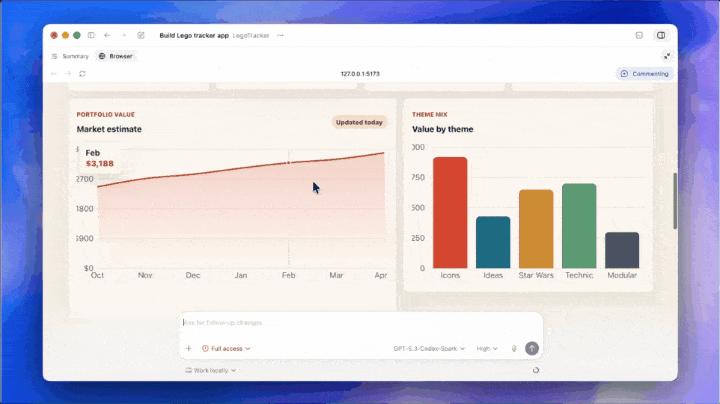
More importantly, GPT - image - 1.5 is also integrated into Codex.
To put it simply, this is Google Stitch + Claude Code.
Codex has made UI design end - to - end. There's no need to generate reference pictures elsewhere and then export them to the coding agent to implement the logic.
There's no need to prepare reference pictures in advance or collect data assets. You can directly generate the materials you need in Codex, and the interaction logic is also adapted with one click.
With Image 1.5 in control, GPT's UI ability this time should be much more reliable, after all, it's based on pictures.
We're looking forward to the launch of Image 2. Such a powerful UI imitation ability will undoubtedly greatly upgrade the front - end development experience of Codex.
It seems that although Sora is on hold, the multi - modal path is still valuable for OpenAI. Codex may vertically integrate programming and image generation in the field of UI design.
Unfortunately, after seeing these demos, I excitedly opened GPT and entered a prompt, only to be disappointed to find that OpenAI hasn't made this model available to "pre