The former "back garden" of the wealthy in Hong Kong is no longer favored by the young.
Another "back garden" in Hong Kong has been taken over by the mainland.
Recently, new energy vehicles from the mainland have swarmed into the luxury car market in Hong Kong. Geely ZEEKR 009, BYD Denza D9, XPeng X9 - these domestic new energy MPVs have directly occupied the top three positions in the Hong Kong MPV market.
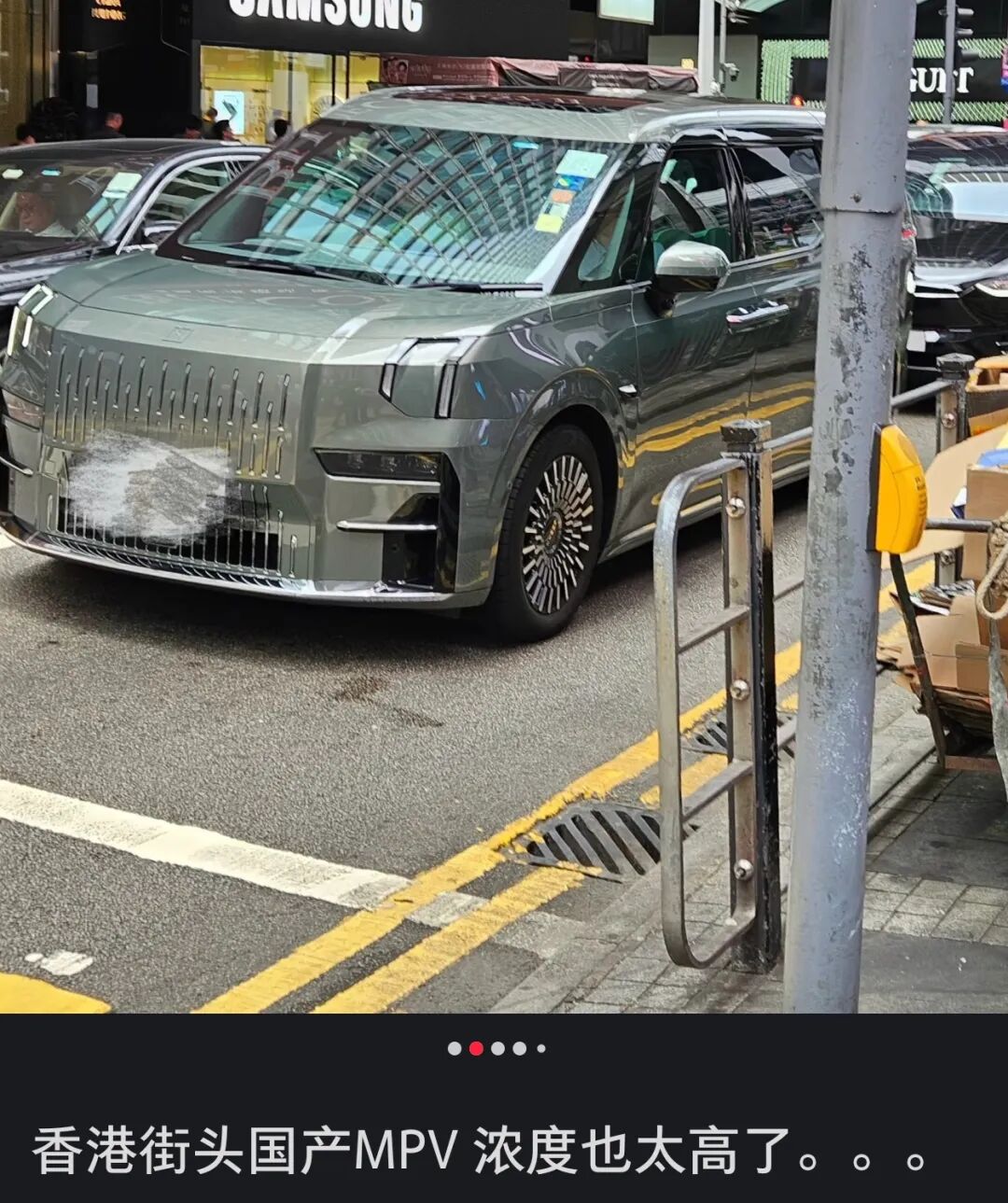
In contrast, the Toyota Alphard, once the "hard currency" among the wealthy in Hong Kong, a divine car that required a premium of hundreds of thousands of Hong Kong dollars and a six - month wait to get, has seen its sales halved.
It's not just cars that are hard to sell; watches are also in the same boat.
Who would have thought that another money - printing machine in Hong Kong, the watch industry, would also become a victim. Nowadays, Hong Kong watch dealers are having a really tough time.
Some netizens sighed that when they traveled to Hong Kong, they found that many stores of classic old watch brands were no longer there. When they visited watch stores, the number of customers was pitifully small.
This is not an isolated case. As stores become increasingly deserted, sometimes only a few watches are sold in a whole month, or even none at all. Many stores have been forced to close. Some watch shops have even started to transform into maintenance centers.
Who would have thought that watches were once the "darling" of Hong Kong. They not only made many watch dealers prosperous but also boosted Hong Kong's tourism business. There were more second - hand luxury watch stores than supermarkets.
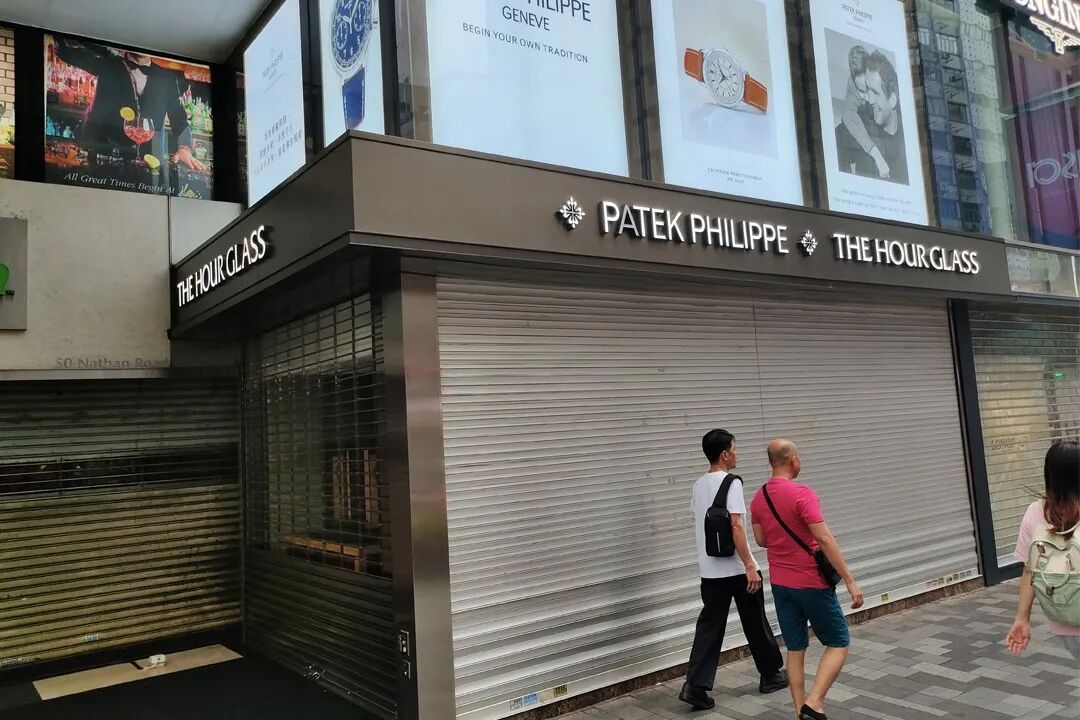
However, with the end of the speculative boom, it only took a few years for the watch industry to go from a "money - printing machine" to being abandoned by the times.
Why has the once - prosperous "money - printing machine" in Hong Kong lost its appeal?
Once queuing to grab goods, now time - honored brands are forced to close
To understand this big setback, we need to first look at how glorious the Hong Kong watch industry used to be.
Once in Hong Kong, a watch could set you on the path to success.
This is not a joke. In those days, what Hong Kong people wore on their wrists was not just a watch; it was a symbol of status.
Hong Kong was once a holy land for watch enthusiasts in Asia. At its peak, Hong Kong was the world's second - largest watch exporter and importer.
What does this mean? It means that when the rich around the world wanted to buy a watch, the first place they thought of was not Geneva, Switzerland, but Hong Kong.
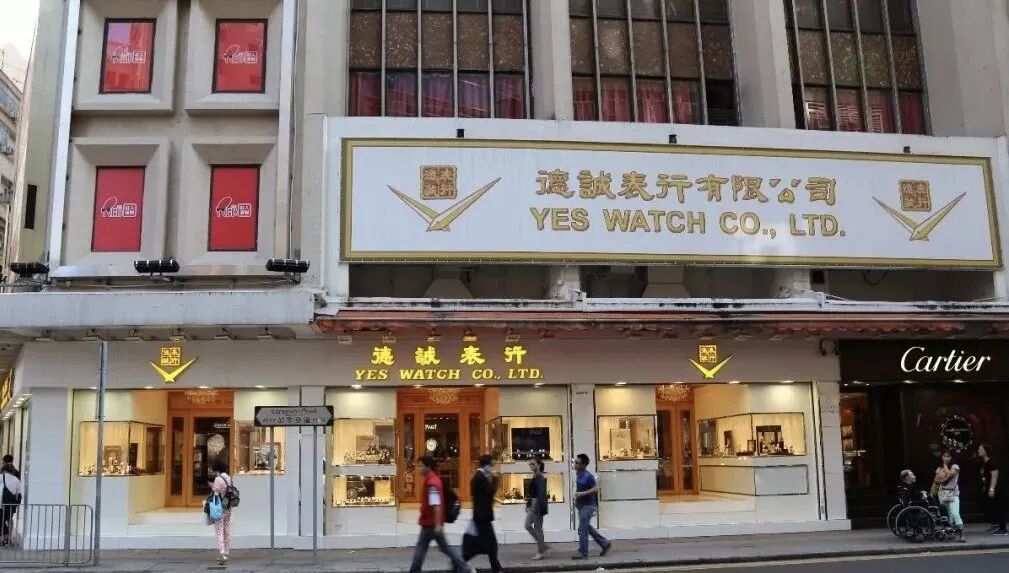
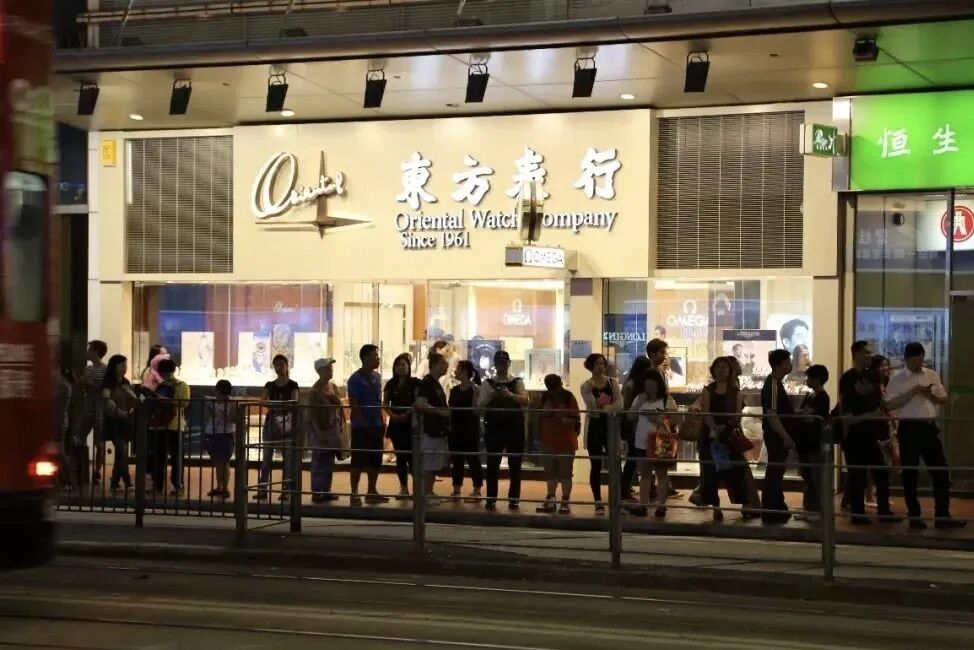
On the streets of Hong Kong, there were more watch shops than convenience stores. In Causeway Bay and Tsim Sha Tsui, you could find a watch shop every three steps and a luxury watch specialty store every five steps. At that time, buying a watch was as common as buying groceries for Hong Kong people.
"The first Rolex in life" was the coming - of - age ceremony for countless Hong Kong men.
Where there is demand, there is business. The related watch dealers made money like crazy.
How comfortable were the watch dealers back then?
First of all, information asymmetry was the biggest bonus.
Brands needed dealers to distribute products and expand the market, and consumers needed dealers to provide purchase channels and professional services. Naturally, dealers in the middle didn't have to worry about customers.
Stories like "I bought my first Rolex watch at Fung Leung Kee" were everywhere in Hong Kong.
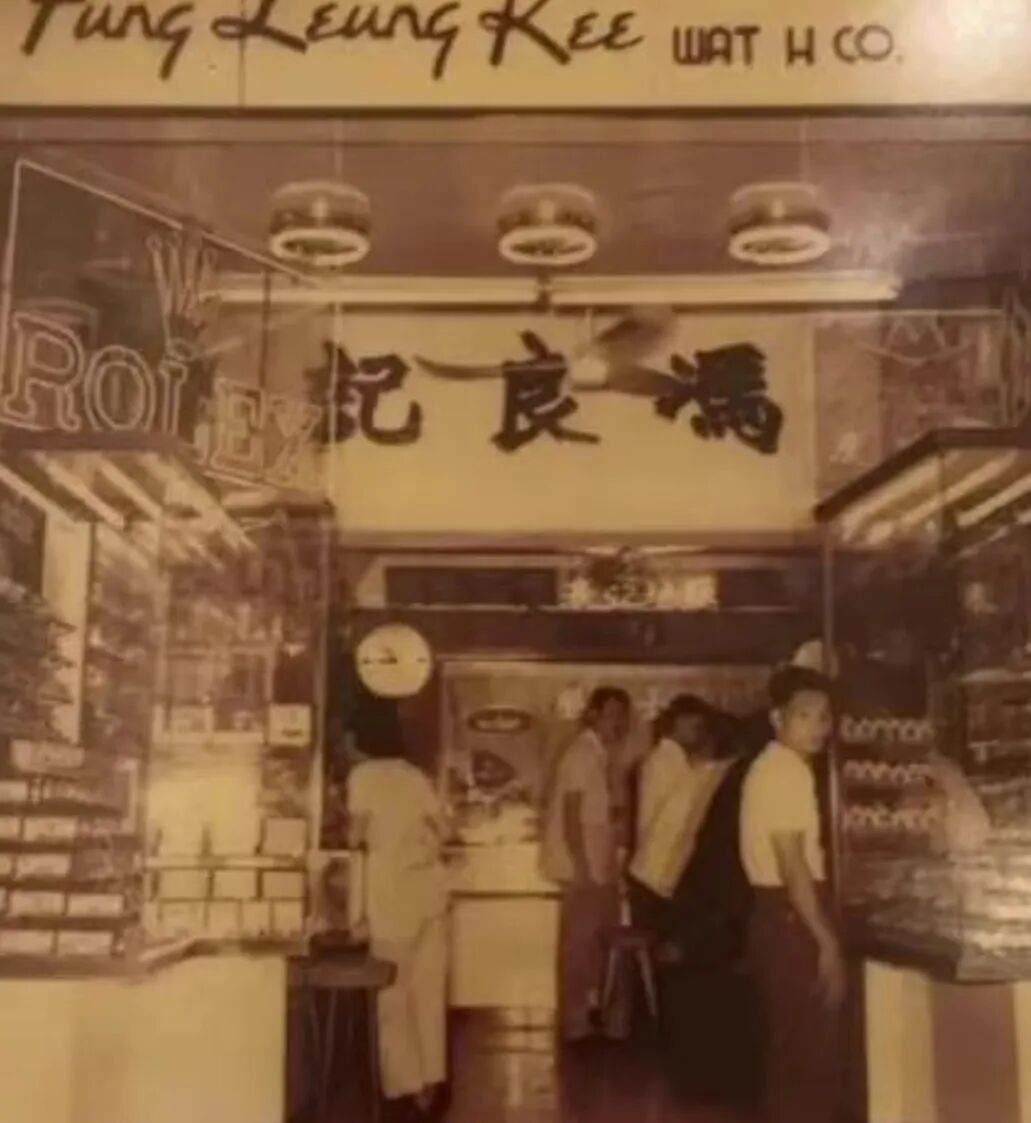
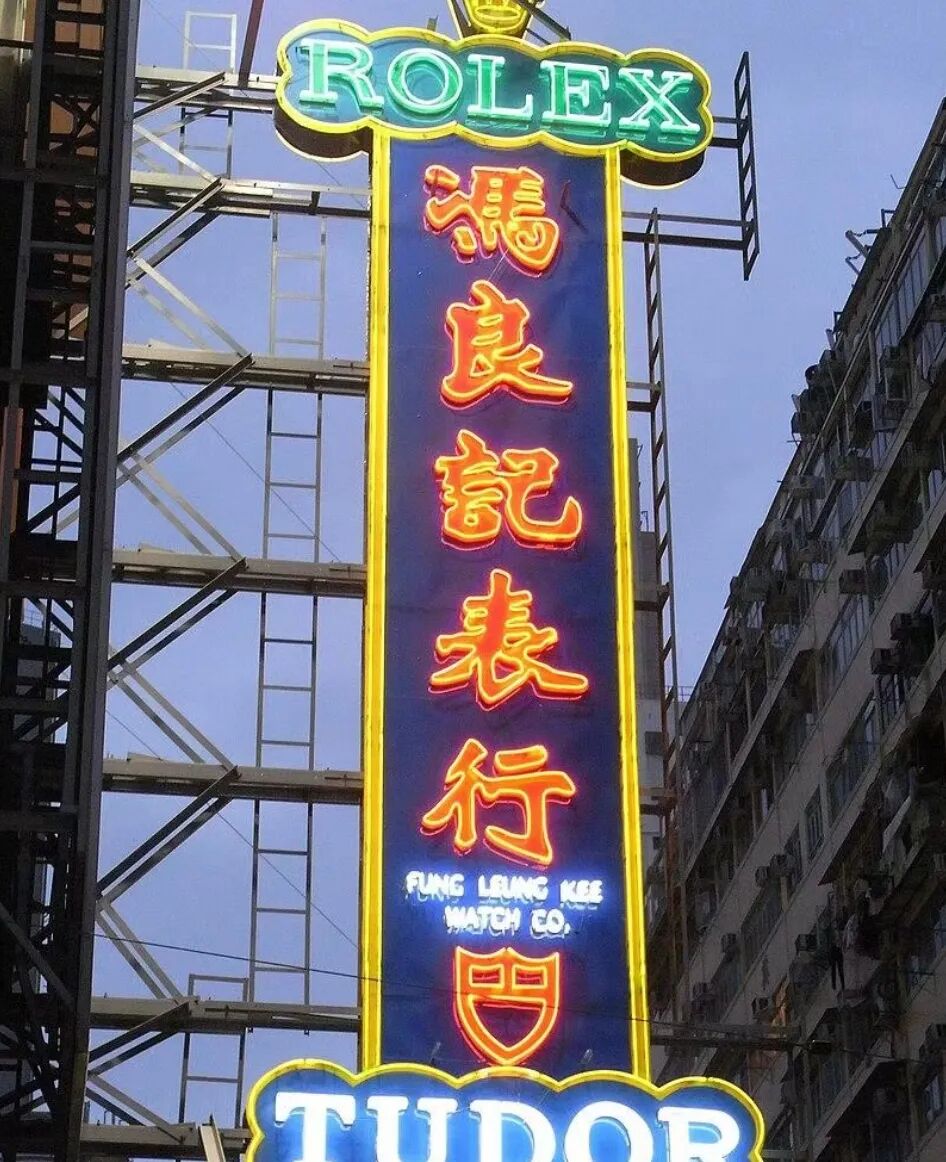
There were many time - honored brands like Fung Leung Kee Watch Shop, which witnessed the golden age of the industry. It started its business in a tenement building on Johnston Road, Wanchai in 1943 and obtained the exclusive distribution rights for Rolex in the 1960s. In those days, getting the authorization from Rolex was like getting a money - printing machine.
Secondly, relationship - based business was the secret weapon of traditional watch shops.
A watch shop owner knew half of the rich people in Hong Kong: doctors, lawyers, and celebrities were all their customers.
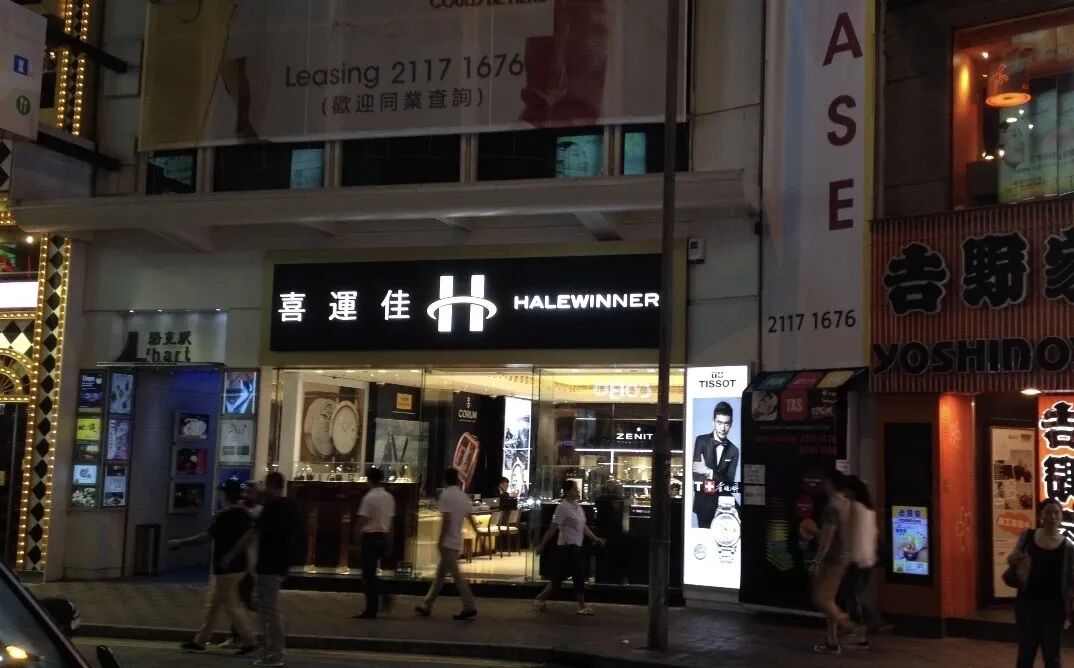
Many long - term customers bought watches from the same watch shop for generations, establishing a deep - seated trust relationship.
Therefore, giants like Oriental Watch Group and Emperor Watch & Jewellery maintained a gross profit margin of over 30% for a long time by monopolizing scarce goods. For popular models, watch shops even had the "pricing power", and it was normal to add a premium and bundle sales.
"The most glorious time in the watch business was the four or five years after 2010. At that time, there were still famous watches like Tudor, Longines, and Omega in the shop, and the business just couldn't stop," recalled a Hong Kong watch shop manager.
After the individual visit policy to Hong Kong was launched in 2003, a magical scene emerged - at the watch shops on Canton Road in Tsim Sha Tsui, mainland tourists queued up to buy watches, just like during the Spring Festival travel rush.
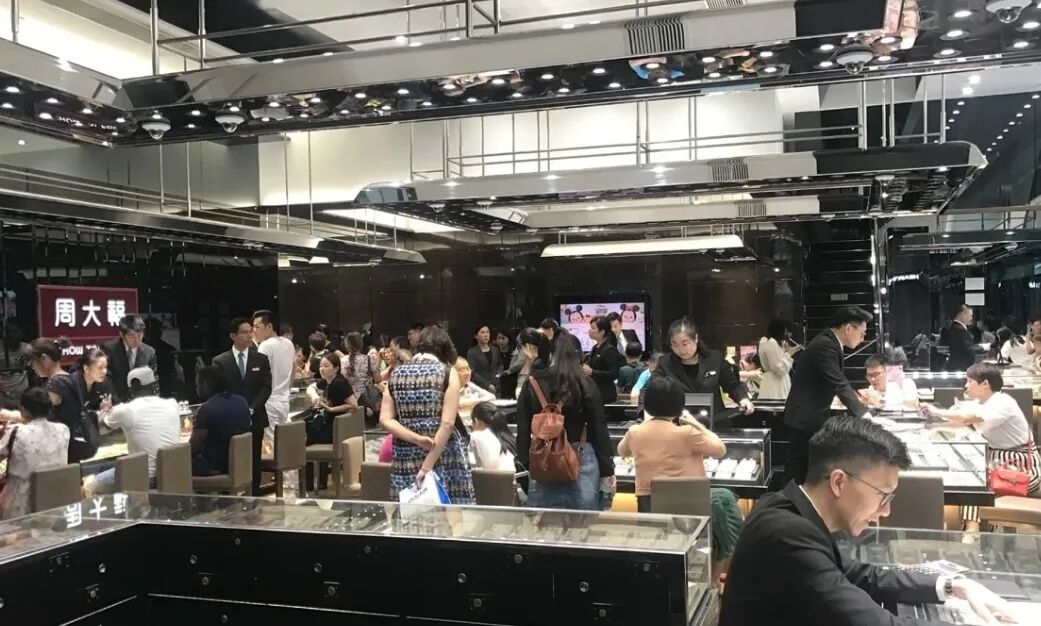
It was popular among both men and women. Not only male customers but also wealthy women bought expensive watches as easily as "picking cabbages".
But no one could have imagined that all these crazy behaviors would quietly change a few years later.
From 2024 to 2026, the financial reports of Hong Kong watch dealers were extremely dismal: the interim profit of Oriental Watch Group in the fiscal year 2025 plummeted by 15.1%, and its turnover dropped by 10.1%; the net profit of Emperor Watch & Jewellery in 2024 decreased by 14% year - on - year.
Given such a stark contrast in market treatment, why are young people not interested anymore?
Why can't the once money - printing machine sell anymore?
Nowadays, whether in Hong Kong or on the mainland, the era when you could tell someone's identity just by looking at their wrist is long gone.
Nowadays, young people wear smart watches or fitness trackers on their wrists, and luxury watches are becoming less and less noticeable.
Why has the Hong Kong watch industry gone from being a favorite to being out of favor in just a few years?
Brands enter the market directly, and the information gap no longer works
Once, watch dealers relied on the "channel is king" strategy. Those with distribution rights could make money easily.
For example, an 83 - year - old store like Fung Leung Kee, relying on the reputation accumulated over generations, held the Rolex distribution rights. They didn't need to understand the Internet or do marketing. As long as they sat in the store, business would come automatically.
However, the most fatal blow came in recent years.
Brands like Rolex found that with the increasing transparency of information, they no longer needed to rely on local dealers to "educate the market". So, starting from 2026, Rolex took back the distribution rights from old stores like Fung Leung Kee and switched to direct sales or authorized large - scale chains like Chow Tai Fook.
The brands are tearing down the "bridge" of dealers because they can reach users directly through their official websites and direct - sale stores.
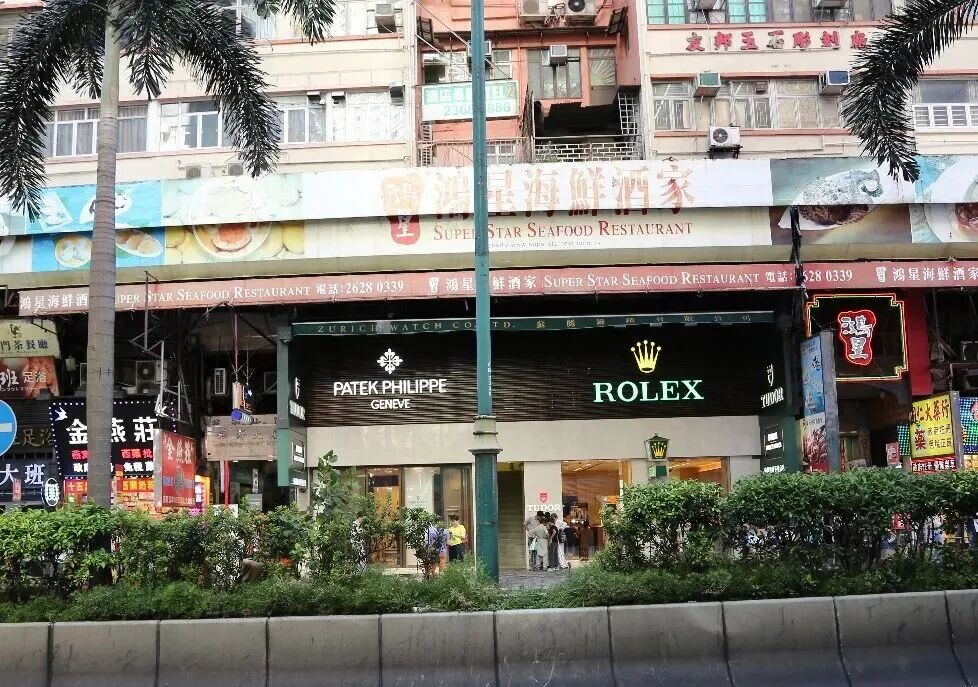
Soon, Fung Leung Kee Watch Shop closed due to the loss of the Rolex distribution rights; at the same time, the 55 - year - old Tai Hing Watch Shop also announced its closure.
Demystifying the "old - fashioned business", young people don't wear watches anymore
Compared with the brands' act of "kicking away the ladder", the change in the market is an even more powerful blow.
"Time is money, and you need a watch to tell the time." This used to be the truth in Hong Kong. But now, young people have changed.
What's more obvious is the generational gap in watch - wearing. Nowadays, those who still often wear watches are mostly the older generation in Hong Kong or middle - aged and young elites in fields such as finance, law, and real estate. However, ordinary office workers have long used their mobile phones to tell the time, and the mass market has shrunk rapidly.
The rise of smart watches has dealt a heavy blow to the traditional watch industry. A survey shows that many respondents expect smart watches to remain the most popular product category in 2026.
A watch enthusiast sighed: "The watches that have a history of more than 150 years were very popular before, but now few young people know about them."
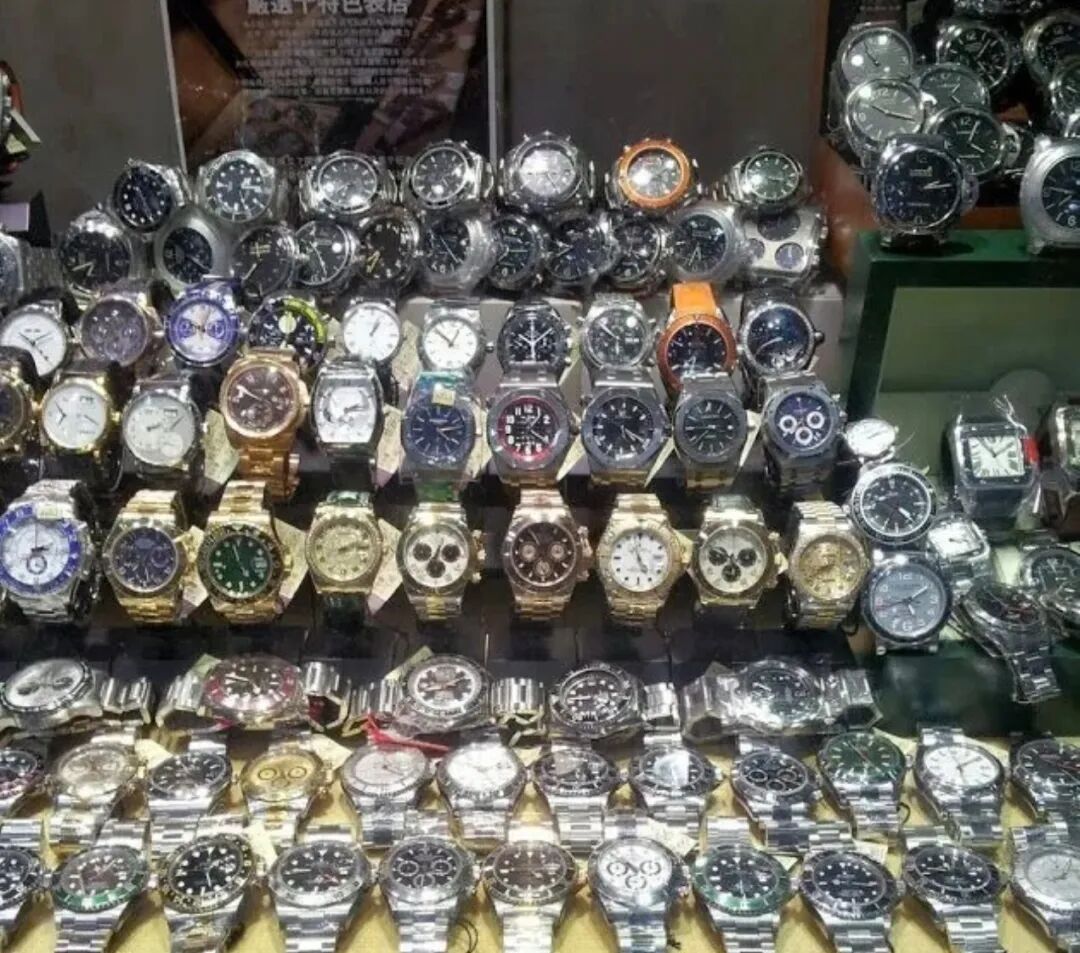
Not only do young people not wear traditional watches, but their purchasing habits have also completely changed.
They don't like to engage in status - based comparisons and even regard luxury watches and high - end liquor as "old - fashioned" businesses. This has become the last straw that breaks the back of traditional watch dealers.
These two core blows have completely wiped out the prestige of Hong Kong watch dealers.
Just being a "porter" of luxury goods has no future
Many people say that the difficulty of watch dealers in selling their products is also related to the general environment.
After all, in the past, the Hong Kong watch industry relied heavily on tourism, especially mainland tourists.
However, now, more than 36 million Hong Kong people travel north to Shenzhen for consumption, and mainland tourists have turned to Japan or Hainan duty - free shops. The retail sales of jewelry and watches in Hong Kong have plummeted by 13.8%, the largest decline ever.
This view has some truth, but it's not entirely correct.
The biggest mistake of Hong Kong watch dealers is that they mistook the dividends of the era for their own abilities. In the era when channels were king, they were indeed strong. But when brands cut off the supply and consumer habits changed, they had no ability to resist.
Facing such a major change, do traditional watch dealers still have a way out?
The first way out is to transform from selling goods to providing services. Every little bit helps.
The business model of relying on a single brand's authorization and just being a porter of luxury goods is fragile. Some watch shops have started to transform into maintenance centers, and some have focused on niche markets such as antique watches and limited - edition watches. Some have even transformed from original part manufacturing to original brand business.
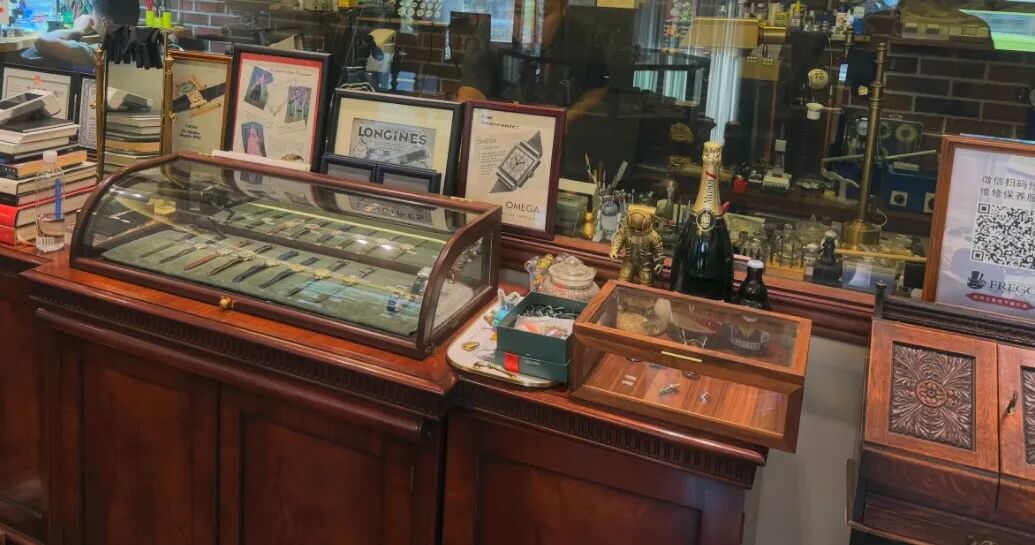
Although this is a niche market and difficult to support a large - scale store network, it's a good start.
In the future, if dealers want to survive, they must transform into service providers. For example, providing value - added services such as watch custody, second - hand trading, and appraisal and maintenance. Only by building their own unique service capabilities can they get rid of their absolute dependence on brands.
The second way out is to transform online and diversify.
Mainland watch brands like FIYTA have long attracted customers through live - streaming and short - videos, while Hong Kong watch shops still rely on the old strategy of "location + sales staff".
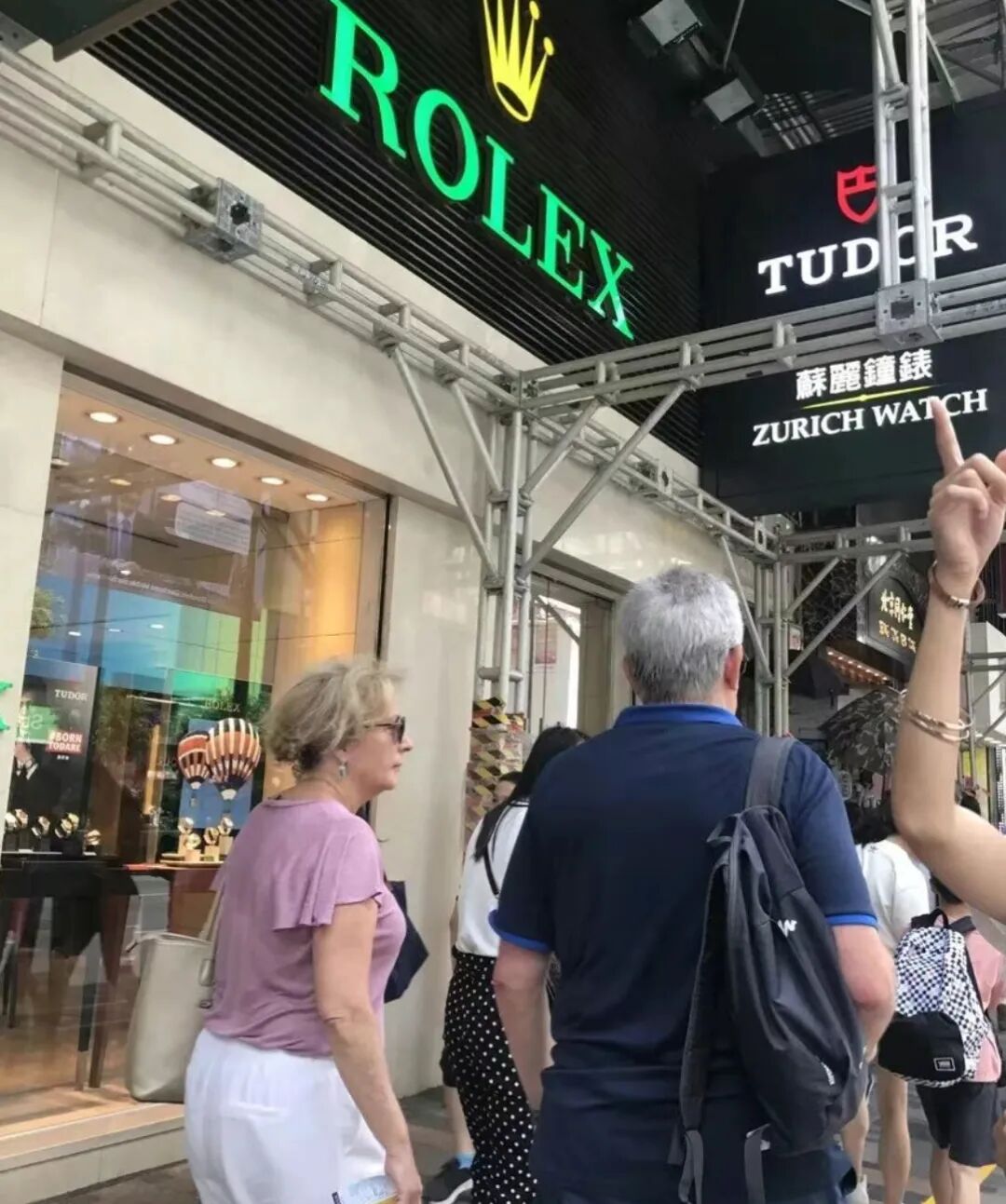
When traffic has shifted from offline to online, it's obviously not feasible for Hong Kong watch shops to just wait for customers to come. They can't just sell other people's popular products. They should try