Observation of the offline AI PC market: After the "lobster fever" subsides, has it left any traces?
The latest shipment data for PCs and smartphones have been released one after another, showing completely different development trends for these two major consumer electronics categories.
According to IDC data, in the first quarter of 2026, the global PC shipments increased by 2.5% year-on-year, while smartphone shipments decreased by 4.1% year-on-year.
Against the backdrop of a tight supply of memory chips, the PC market still delivered a steady growth performance. The reasons include market expectations of rising component prices, "defensive stocking" by channels, and the demand for migrating from the Windows 10 system. In addition, industry institutions generally believe that the booming demand for AI agents represented by "Lobster" has stimulated new demand, driving the popularity of AI PCs, which is also a major driving force for market growth.
AI has begun to enter the work scenarios of ordinary users, and the corresponding mini PCs (such as Apple Mac mini) have quickly become popular. Even professional edge-side large model all-in-one machines (such as NVIDIA DGX Spark) have shown a very stable price trend.
Based on these two technological routes, many domestic manufacturers have launched ultra-small mini PCs (Lobster all-in-one machines) and edge-side large model all-in-one machines (AI mini workstations) in the domestic market. There are even new functional products such as ultra-low-cost desktop smart boxes (Smart Box Lobster Edition), with prices ranging from a few hundred yuan to tens of thousands of yuan. All manufacturers want to take a share of the consumer market boom of "Lobster" mini PCs.
In mid-to-late April, Lei Technology (ID: leitech) visited computer cities in Guangzhou and Shenzhen, trying to systematically sort out the AI mini PCs with certain sales volumes in the offline market, their representative products, and the corresponding actual and detailed demand scenarios at the user level. What pitfalls might consumers encounter when purchasing? Among so many types of products, are there any IQ tax products?
After riding on the "Lobster fever", mini PCs are still niche in the offline market
In computer cities such as Gding Baihui in Guangzhou, Lei Technology (ID: leitech) searched everywhere, from the stores of well-known brands such as Lenovo, HP, Dell, and ASUS on the core floors to the small computer and DIY assembly shops on non-core floors. As a result, they didn't see any store with "mini PC" written on the signboard or any promotional posters for "Lobster PC/all-in-one machine".
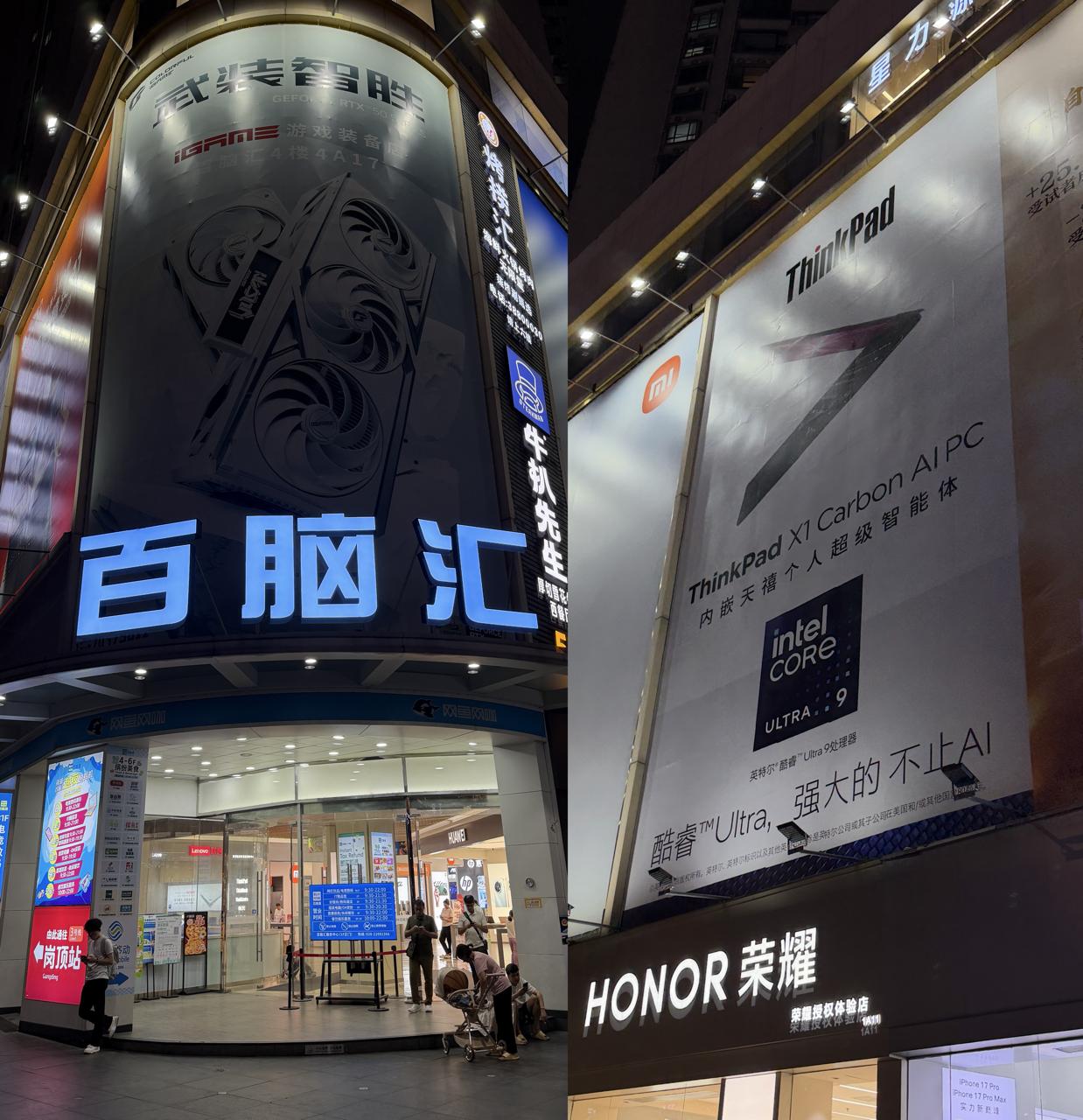
Source: Photographed by Lei Technology at Guangzhou Baihui Computer City
Of course, in the stores of brands like Lenovo, Lei Technology (ID: leitech) saw the AI PCs they were promoting, including the specially set up displays.
Lei Technology (ID: leitech) asked a Lenovo salesperson if there were any mini PC displays and experiences. The salesperson said that currently there were only notebook products in the store. If you wanted to learn about AI functions, you could experience the "Tianxi AI" application on Lenovo notebooks; if you wanted to experience a regular large PC, you could go to a nearby Lenovo store; as for ultra-small mini PCs, the salesperson didn't know the specific situation.
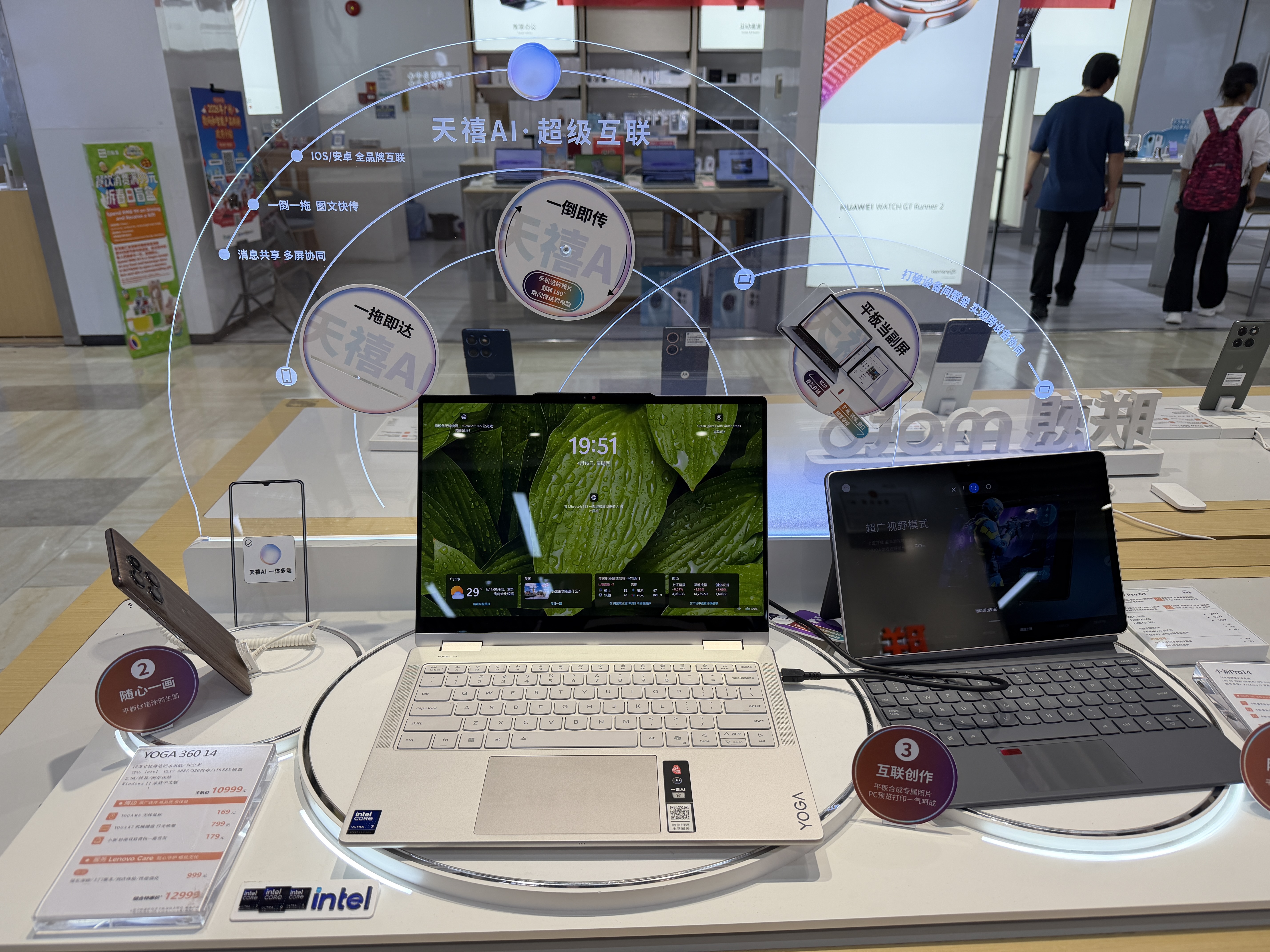
Source: Photographed by Lei Technology at Guangzhou Baihui Computer City
In small computer and DIY assembly shops, Lei Technology (ID: leitech) asked several stores, and none of them had mini PC products.
Since it's difficult to find mini PCs in computer cities in Guangzhou that cater to consumers, we can only go to Huaqiangbei in Shenzhen, known as the "No. 1 Street of Chinese Electronics".
As soon as Lei Technology (ID: leitech) got out of the Huaqiangbei subway station, they saw the specially opened "Global Artificial Intelligence Scene Application Center", but the store was closed and didn't open all day.
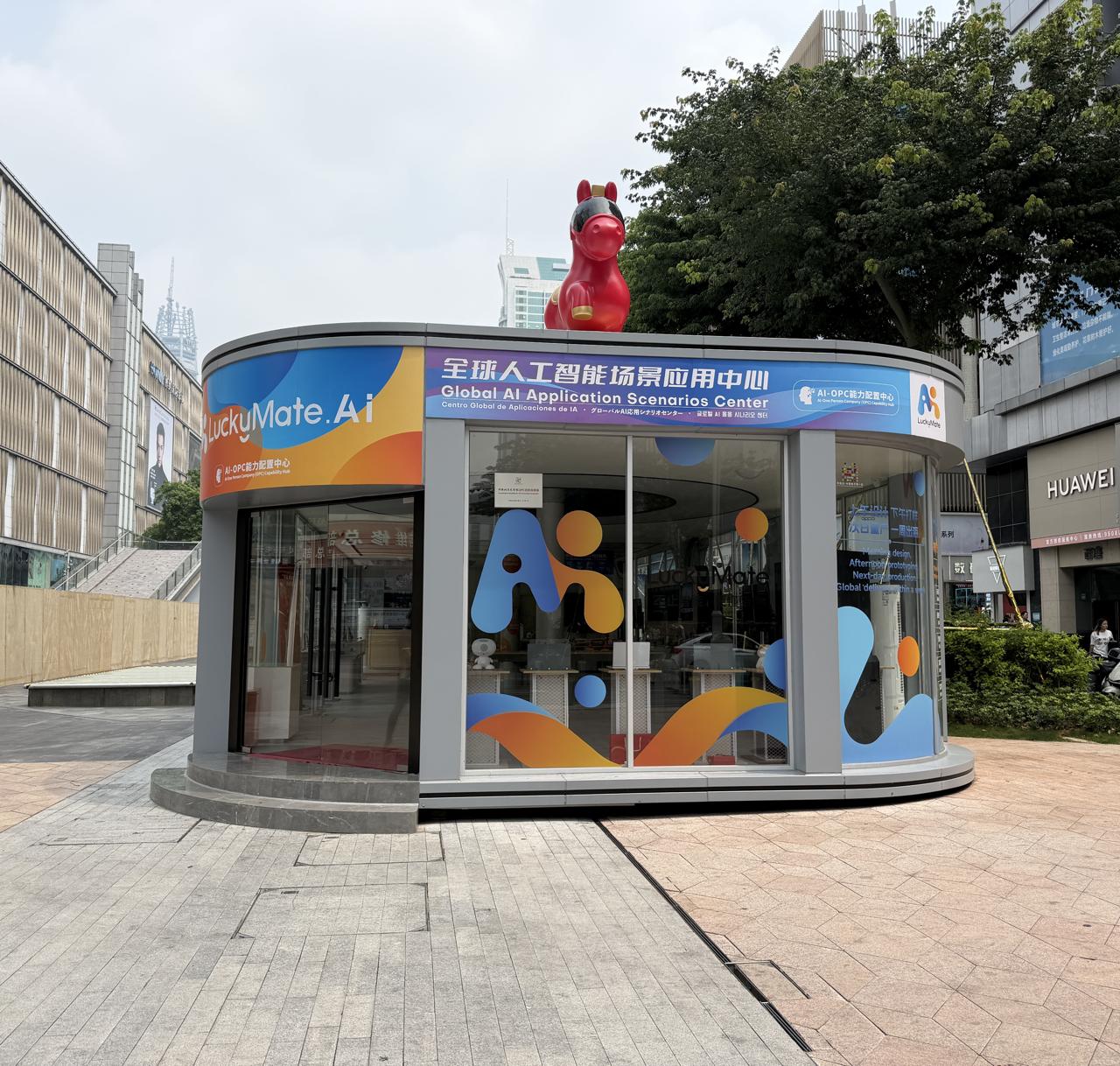
Source: Photographed by Lei Technology at Huaqiangbei, Shenzhen
This flagship store, which opened in February this year, experienced the peak of the "Lobster fever" in March and began to fade in April, just like the change in the popularity of "Lobster PCs" after the Spring Festival this year.
Subsequently, Lei Technology (ID: leitech) entered Huaqiang Electronics World. In this large electronics mall, it was still difficult to find a dedicated store for mini PCs or AI PCs.
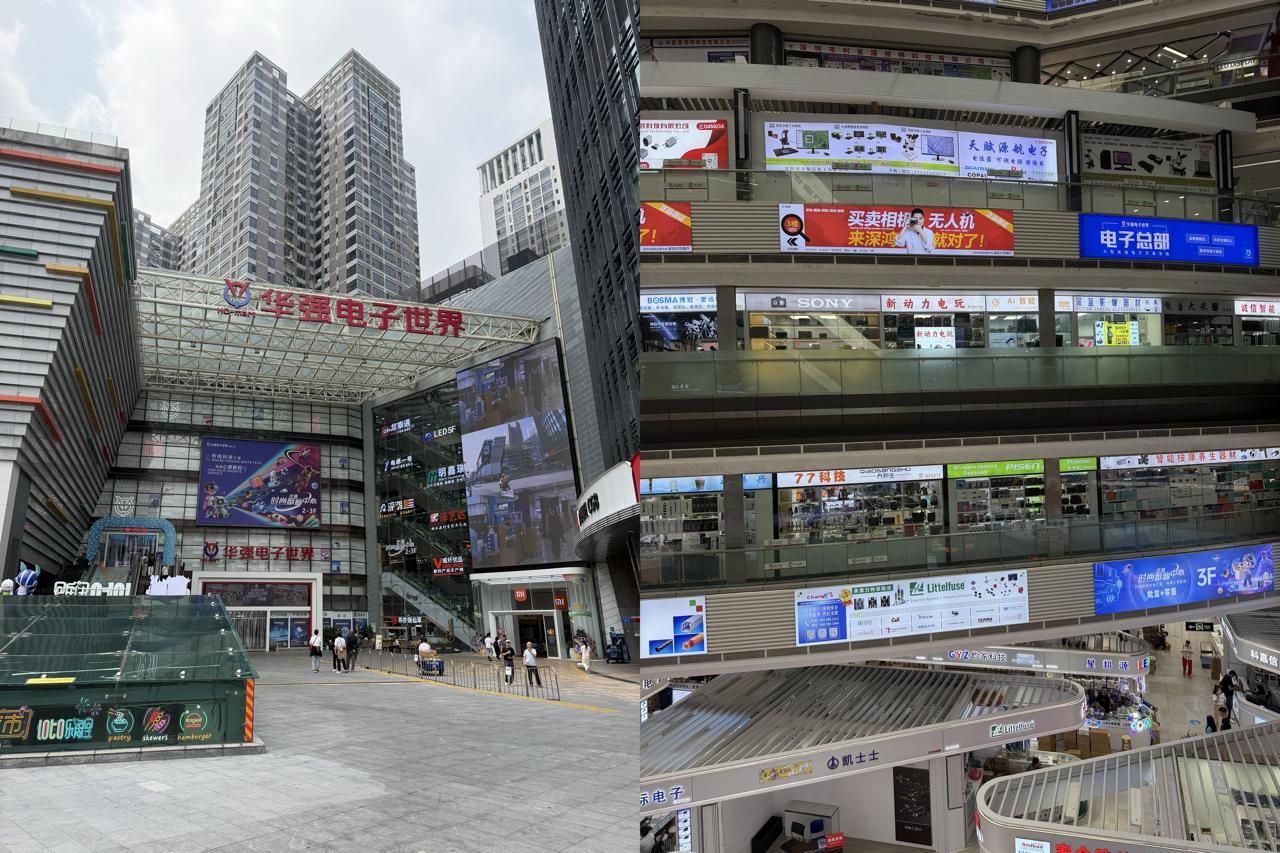
Source: Photographed by Lei Technology at Huaqiang Electronics World, Shenzhen
It should be noted that both Lenovo and HP have launched mini PCs for the consumer market.
Lei Technology (ID: leitech) visited two Lenovo stores in Huaqiangbei and was told by the salespeople that there were no ultra-small mini PCs on display or for sale. In a HP store, they finally saw the actual mini PC product launched by HP, with a starting price of 5,999 yuan. This HP mini PC not only has a much higher starting price than the Apple Mac mini, but also has a starting memory of only 8GB, which is quite eye-opening.
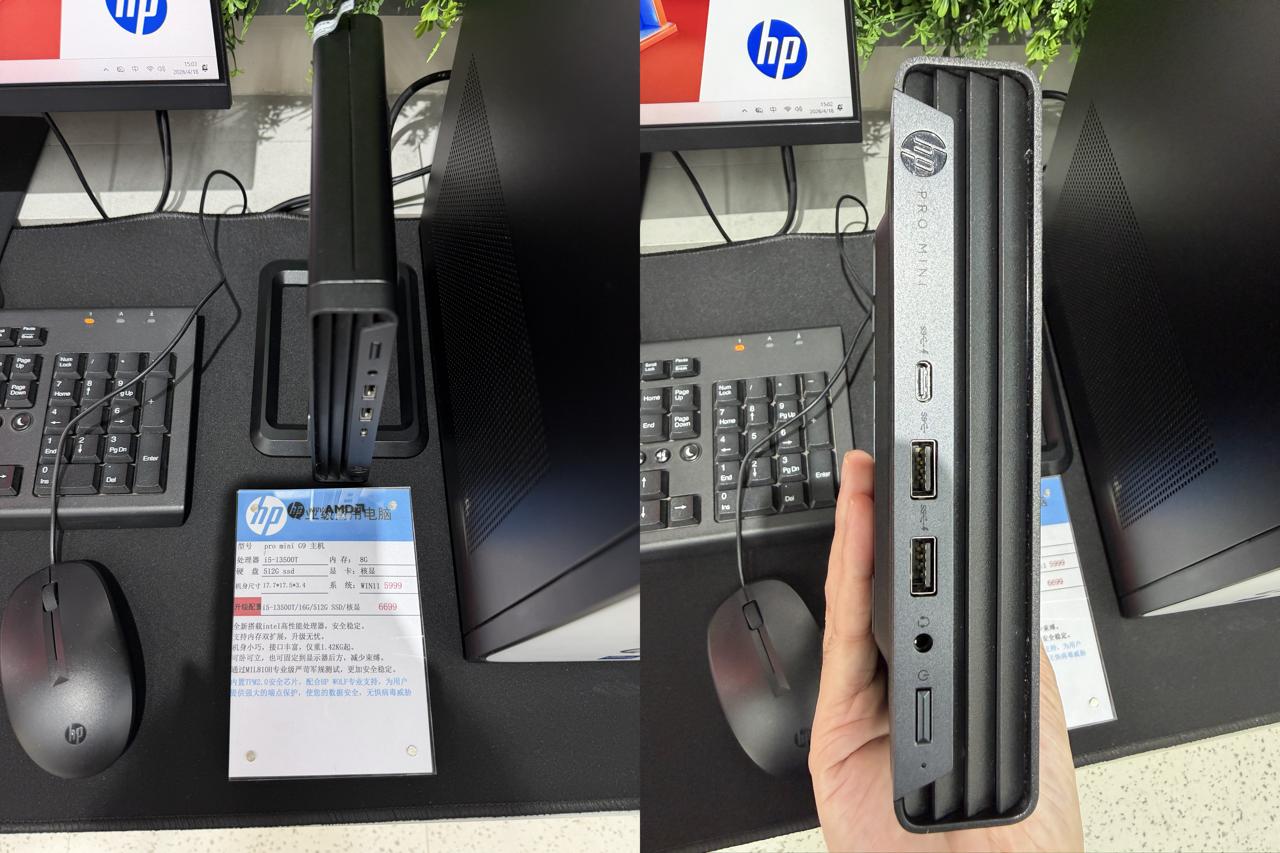
Source: Photographed by Lei Technology at Huaqiang Electronics World, Shenzhen
There are also dedicated computer malls in Huaqiangbei, such as SEG Plaza (SEG Electronics Market). Lei Technology (ID: leitech) finally had greater gains here.
Consumers need to be knowledgeable when choosing domestic mini PCs offline
In SEG Plaza, Lei Technology (ID: leitech) found a store that specializes in "AI stock selection".
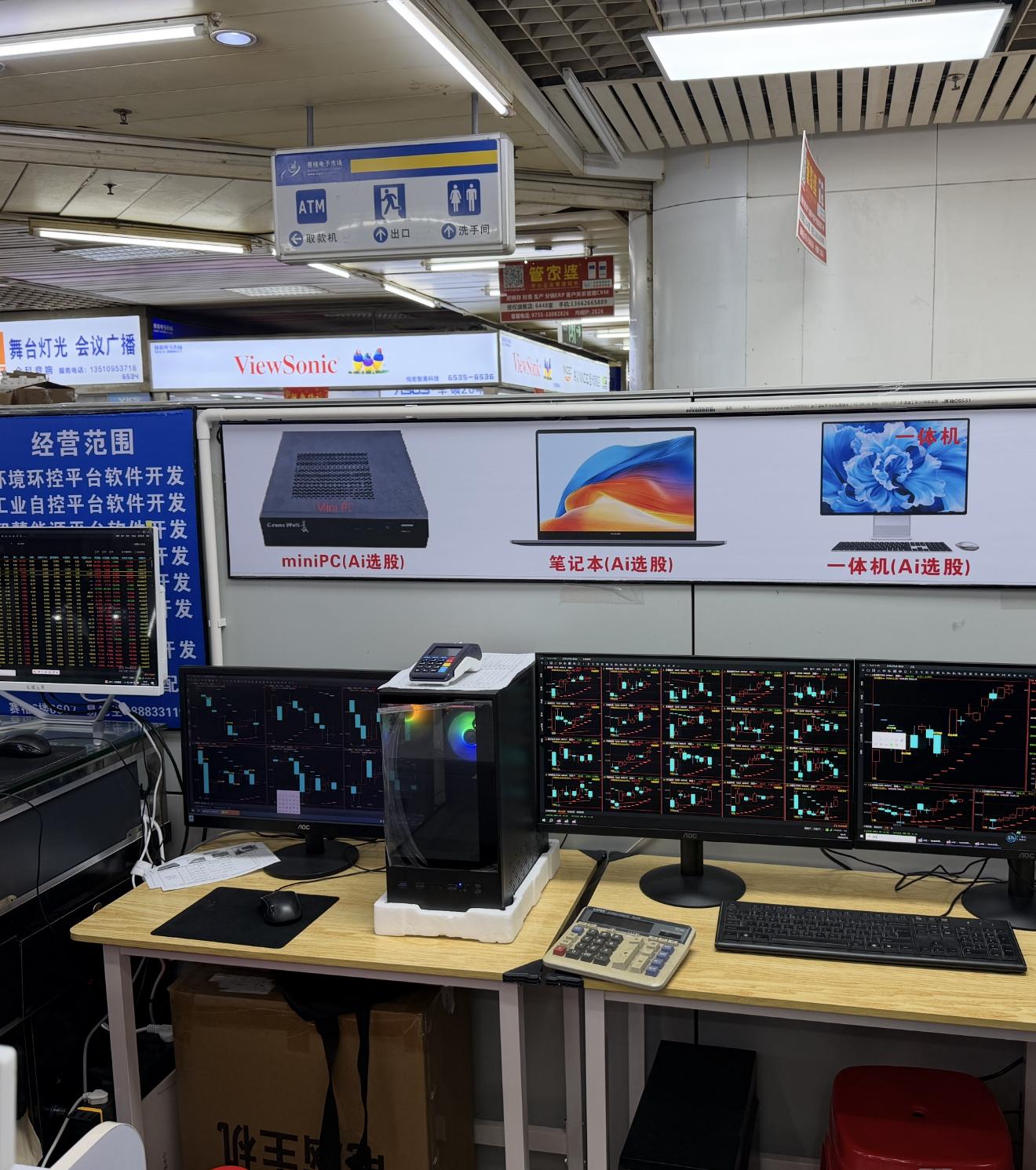
Source: Photographed by Lei Technology at SEG Plaza, Shenzhen
On the counter of this store, there are two mini PC products from Great Wall, both of which are "semi-finished systems", as follows:
MH3, with 6th - 9th generation Intel chips
MH5, with 10th - 11th generation Intel chips
What is a "semi-finished system"? That is, users need to install the CPU, memory, hard drive, and operating system for the host product.
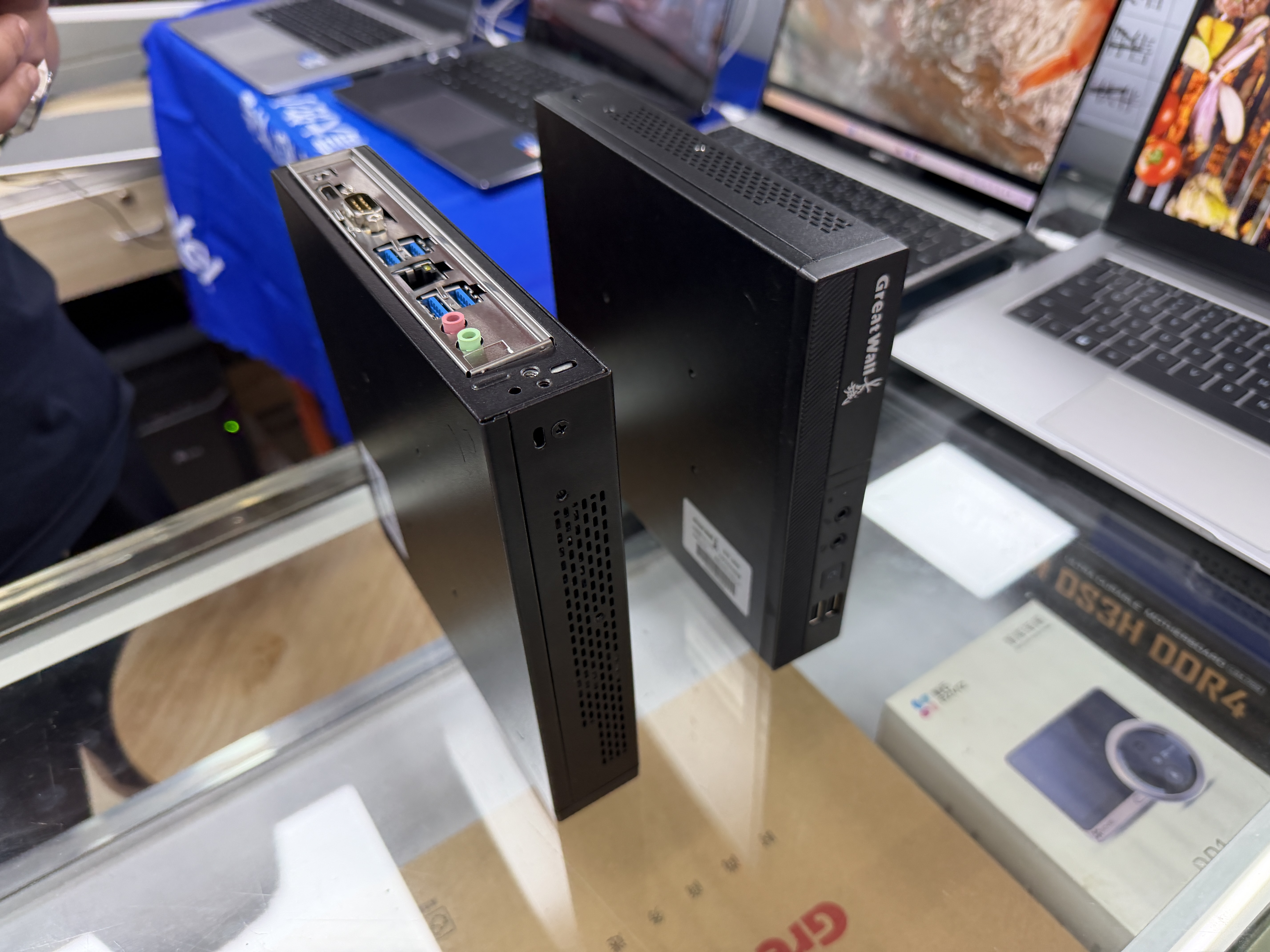
Source: Photographed by Lei Technology at SEG Plaza, Shenzhen
For ordinary consumers, since they are considering mini PCs, they prefer an all-in-one solution. The store owner then recommended a third mini PC product that was not on display in the store: Lingyun DHC37, which includes a 12th generation Intel CPU (i5 - 12450H), memory, hard drive, and operating system, priced at 2,340 yuan, and no price negotiation is accepted. For comparison, the current post - national - subsidy price of this product on the JD platform is 2,548 yuan.
The premise of trying it out is to place an order, that is, so - called machine inspection, so it couldn't be experienced. But according to the store owner, the Great Wall mini PC has worked continuously for 12 hours in the store and has also tried 24 - hour continuous work, during which there was no overheating or loud noise. However, "Lobster PCs" require not just 12 or 24 hours of continuous work, but 7×24 hours (or even longer) of work intensity.
It's worth noting that the store owner said that if you want to install and deploy "Lobster (OpenClaw)" on the mini PC, an additional service fee of 500 yuan will be charged.
The main target group for mini PCs in the offline market is not ordinary consumers, but two distinct customer groups:
1. Customers in traditional industrial - level control scenario applications
2. Customers from emerging small and medium - sized enterprises for configuration and deployment
In SEG Plaza, Lei Technology (ID: leitech) entered a computer all - in - one OEM customization store, which offers "semi - finished system" mini PCs and their personalized customization. However, the salesperson didn't even know what "Lobster" was. You need to add the business manager's WeChat, report the configuration information such as the CPU, memory, and hard drive you need, and then you will get the final product solution price.
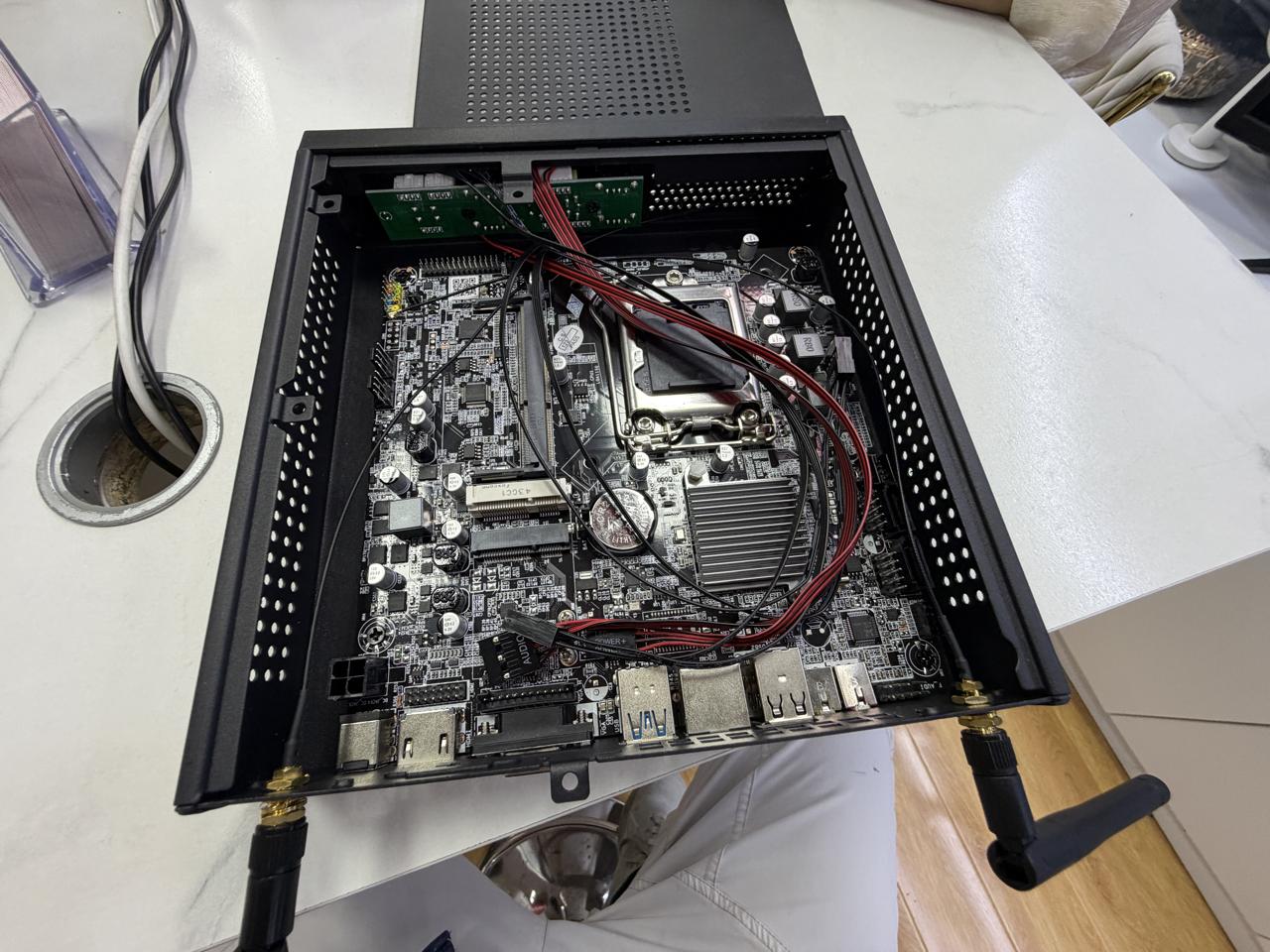
Source: Photographed by Lei Technology at SEG Plaza, Shenzhen
The traces of the "Lobster fever" in Huaqiangbei now only exist in "one in a hundred" stores. Also in SEG Plaza, Lei Technology (ID: leitech) saw the world's first ARM - based OpenClaw software - hardware integration solution. Interestingly, this company is also promoting the DeepSeek AI local inference all - in - one machine that was popular last year.
The young sales manager of the company was very enthusiastic and gave a detailed explanation of the newly developed "dual - core" Lobster box. This is a box product priced at 5,000 yuan, using a Rockchip dual - core chip design, supporting a deployment plan where one computer can control two "Lobsters" or one "Lobster" and one "cloud phone".
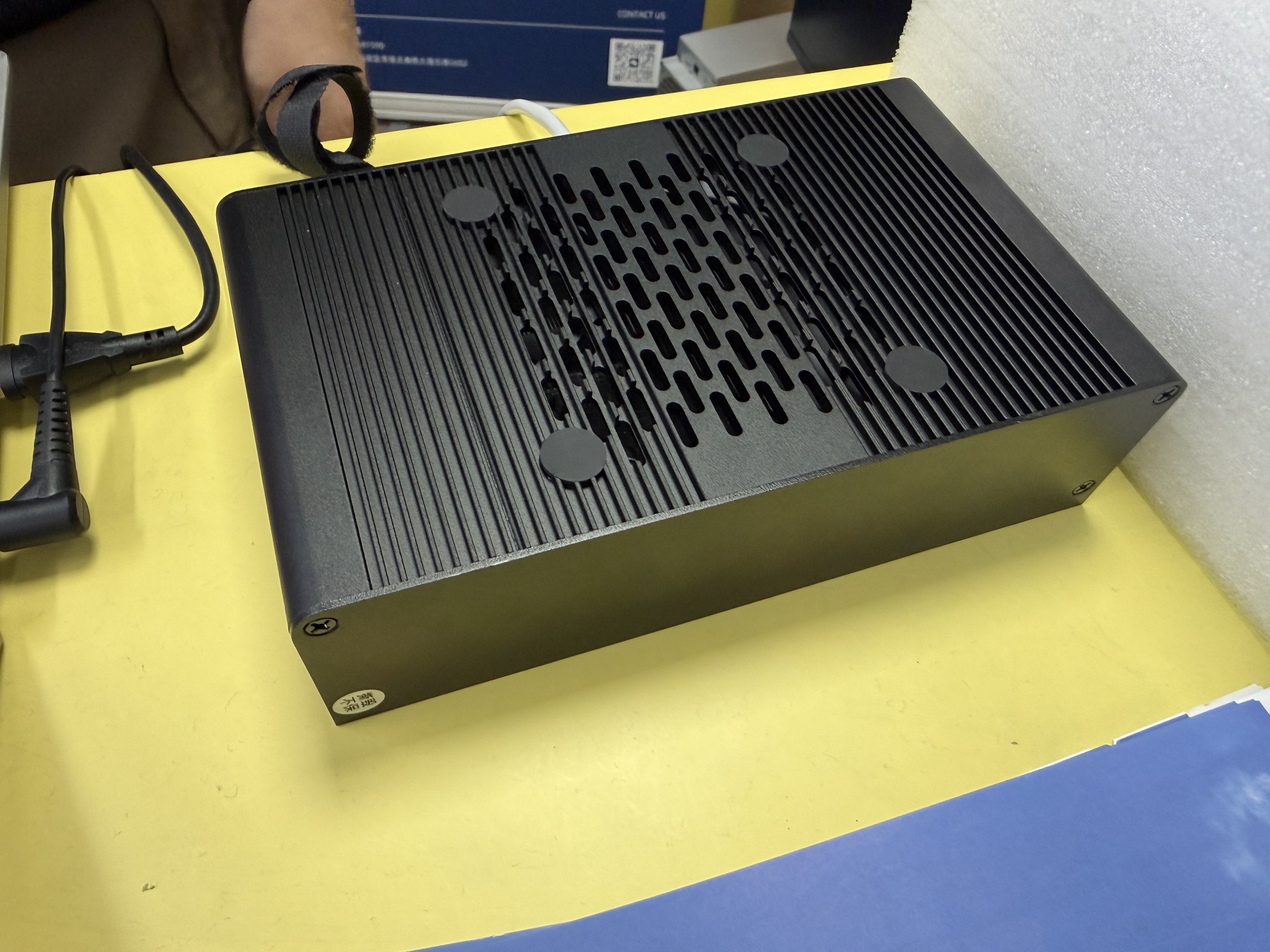
Source: Photographed by Lei Technology at SEG Plaza, Shenzhen
Obviously, this is not a device that ordinary users can use. The sales manager said that the "Lobster" runs completely inside the box, eliminating the risk of leakage and loss of control of important and private information that may occur when a user's computer runs the "Lobster" directly.
Lei Technology (ID: leitech) noticed that telecommunications operators have also launched similar Smart Box Lobster Editions, but at a much lower price.
In March, Henan Radio and Television Technology launched its first desktop AI workstation, the "Desktop Smart Box", with a starting price of 799 yuan. In the same month, China Telecom's Tianyi Cloud also launched the Smart Box Lobster Edition for commercial customers such as small and medium - sized enterprises, and the price is unknown.
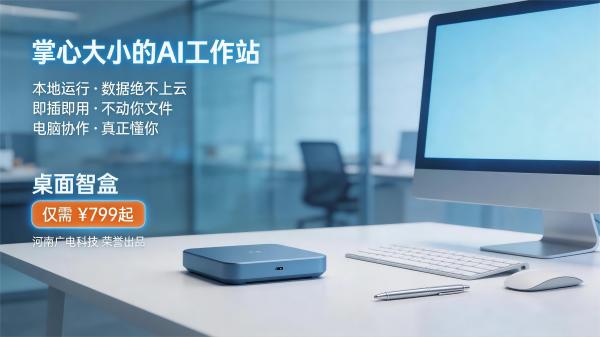
Source: Henan Radio and Television Technology
Why does the explosion of domestic mini PCs only occur in the online market?
The Omdia report shows that in 2025, the proportion of global mini PCs (Mini PC/Small Form Factor) in PC devices was between about 10% and 13%, mainly due to their transformation from "geek toys" to "enterprise standard configurations". The IDC report shows that in 2025, the global shipments of traditional tower PCs decreased by 8.2%, while the shipments of mini PCs increased by 47%.
For domestic enterprise - level customers, they will directly purchase mini PC products from Lenovo, HP, Dell, and Apple through commercial channels. For ordinary consumers, mini PC products are mainly sold through e - commerce platforms and the online market.
In the domestic consumer - grade mini PC market, well - known brands such as Mingfan, Jimo Ke, and Lingke have gradually emerged in recent years. The popular products are concentrated in the price range of 1,000 yuan or 2,000 yuan, aiming to be "affordable alternatives" to the Apple Mac mini. However, none of these brands have opened official offline stores so far. During Lei Technology's (ID: leitech) visit to computer cities in Guangzhou and Shenzhen, no third - party channels were found selling products of these online brands.
The main reasons are as follows:
1. The profit margin of mini PCs is thin, and offline merchants lack the motivation to sell them.
The business model of computer cities, especially for merchants mainly engaged in DIY assembled computers, focuses on making profits from information gaps and product margins through component combinations and recommendations.
The profit margin of traditional assembled computers is large because merchants can obtain high profits by