Su Hao, the author of ImageNet, has returned to China to teach at Fudan University. As a protégé of Fei-Fei Li, he is the most highly cited researcher in the field of embodied AI and has taken up the position of Dean of the School of General Physical AI.
The Chinese scholar with the highest number of citations for papers in the field of embodied intelligence has returned with 17 years of overseas experience.
Just now, at the 5th China 3D Vision Conference (China3DV 2026), Su Hao, a disciple of Fei-Fei Li and the author of ImageNet, was officially announced by Fudan University to join the university.
After joining Fudan, Su Hao will serve as a specially-appointed professor of Haoqing, lead the construction of the Institute of General Physical Intelligence, and serve as the director.
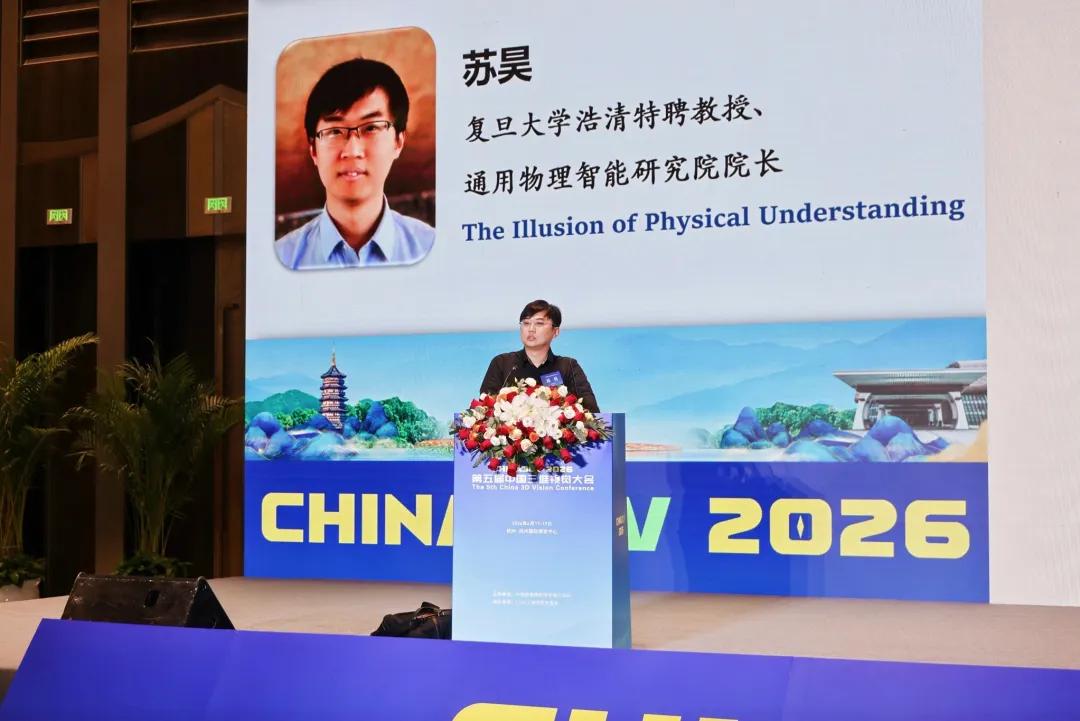
△
Fudan University officially defined Su Hao's return as a "key move for Fudan in the intelligent era."
Actually, even before the official announcement, there were rumors on the campuses of UCSD and Fudan that Su Hao, a leader in the field of embodied intelligence, was about to teach at Fudan.
Now that the matter is settled, it confirms this highly anticipated return to China.
Who is Su Hao?
Su Hao is the Chinese scholar with the highest number of citations for papers in the field of embodied intelligence. He is one of the creators of ImageNet and the leader of a series of foundational projects such as ShapeNet, PointNet, PartNet, SAPIEN, and ManiSkill. He is also the co-founder and CTO of the embodied intelligence company Hillbot.
Previously, he was an associate professor in the Department of Computer Science and Engineering at the University of California, San Diego (UCSD), and also the director of the Embodied Intelligence Laboratory.
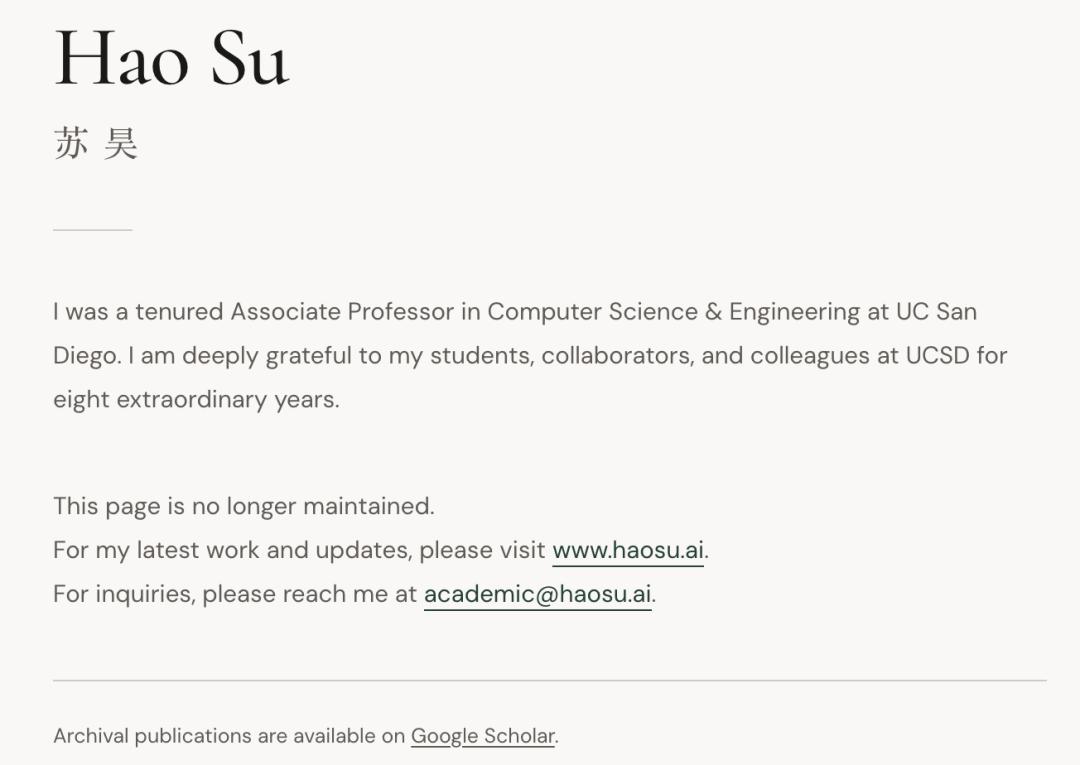
Earlier, Su Hao's personal homepage at UCSD stopped being maintained and updated.
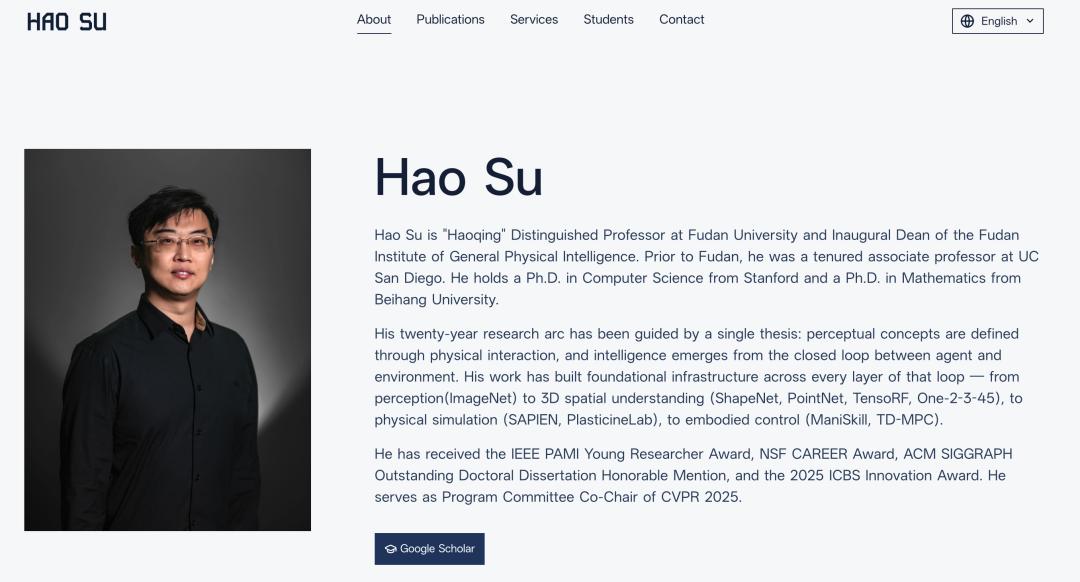
On Su Hao's new personal homepage, his latest position at Fudan has been updated.
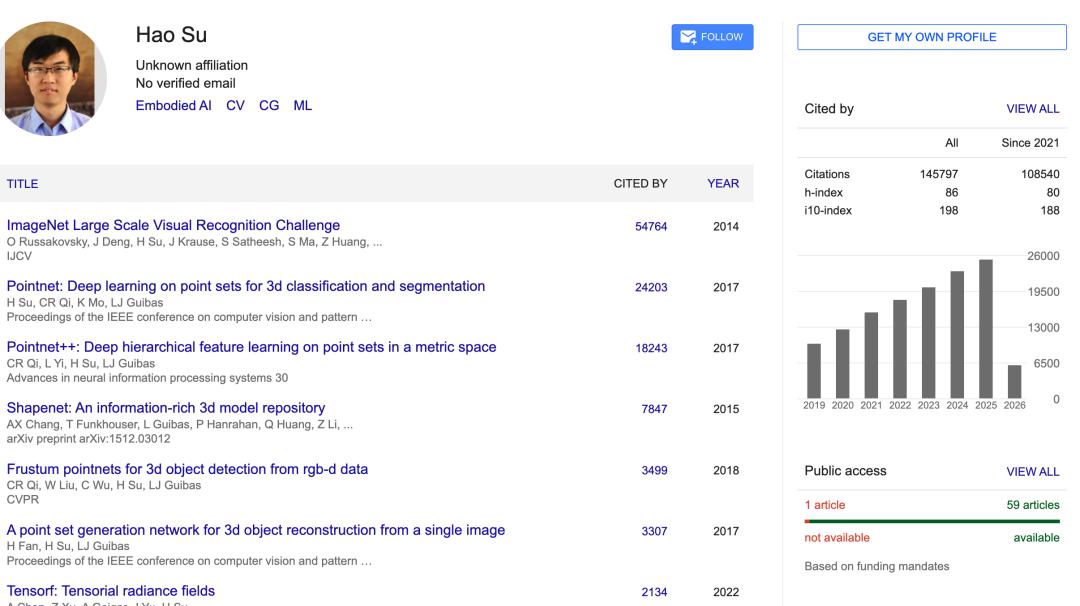
As of now, the number of citations of his papers on Google Scholar has exceeded 145,000, ranking first among Chinese scholars in the field of embodied AI.
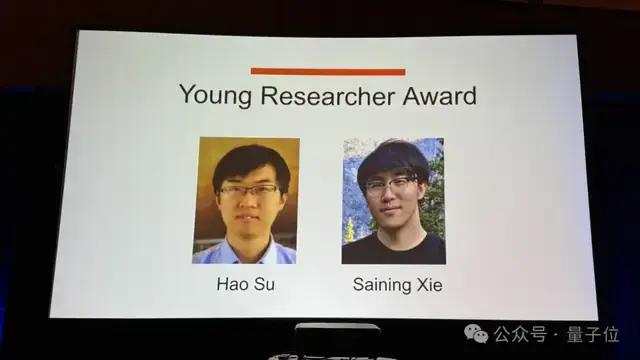
Last year, he and Xie Saining jointly won the CVPR Young Scholar Award in recognition of their outstanding contributions in the field of computer vision.
It is worth mentioning that Su Hao is also the senior fellow of a group of well - known scholars, including Yi Li (Assistant Professor at Tsinghua University's Institute for Interdisciplinary Information Sciences), Lu Cewu (Founder of Qiongche Intelligence and Professor at Shanghai Jiao Tong University), Wang He (Founder of Yinhe General and Assistant Professor at Peking University), Yan Mengyuan (Researcher at OpenAI), and Mo Kaichun (Researcher at NVIDIA).
From Beihang University to Princeton, and then to Stanford
In 2002, Su Hao entered Beihang University to pursue a bachelor's degree in computer science. He was a member of the first class of Beihang University's School of Advanced Science and Technology.
During his undergraduate studies, he studied under Professor Li Wei, an academician of the Chinese Academy of Sciences and the former president of Beihang University, researching mathematical logic and automatic theorem proving.
In 2005, recommended by Professor Li Wei, he went to Microsoft Research Asia (MSRA) for an internship, studying under Sun Jian, Shen Xiangyang, and Zhou Ming.
At that time, he focused on natural language processing. However, as his research deepened, he gradually realized that compared with abstract language, signals directly from the physical world (such as vision) are a more fundamental way to understand intelligence.
Su Hao's research focus then shifted to computer vision.
In 2008, recommended by Shen Xiangyang, Su Hao participated in the ImageNet project at Princeton and Stanford successively and officially transferred to Stanford with Fei - Fei Li in 2009.
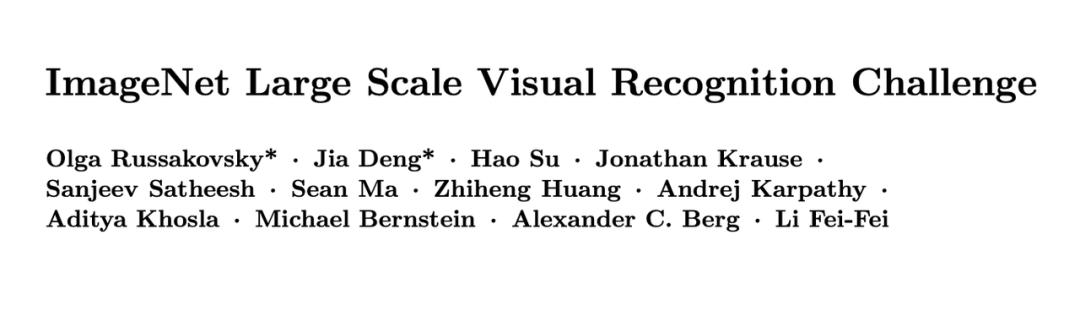
The foundational ImageNet dataset later drove the artificial intelligence wave for nearly two decades.
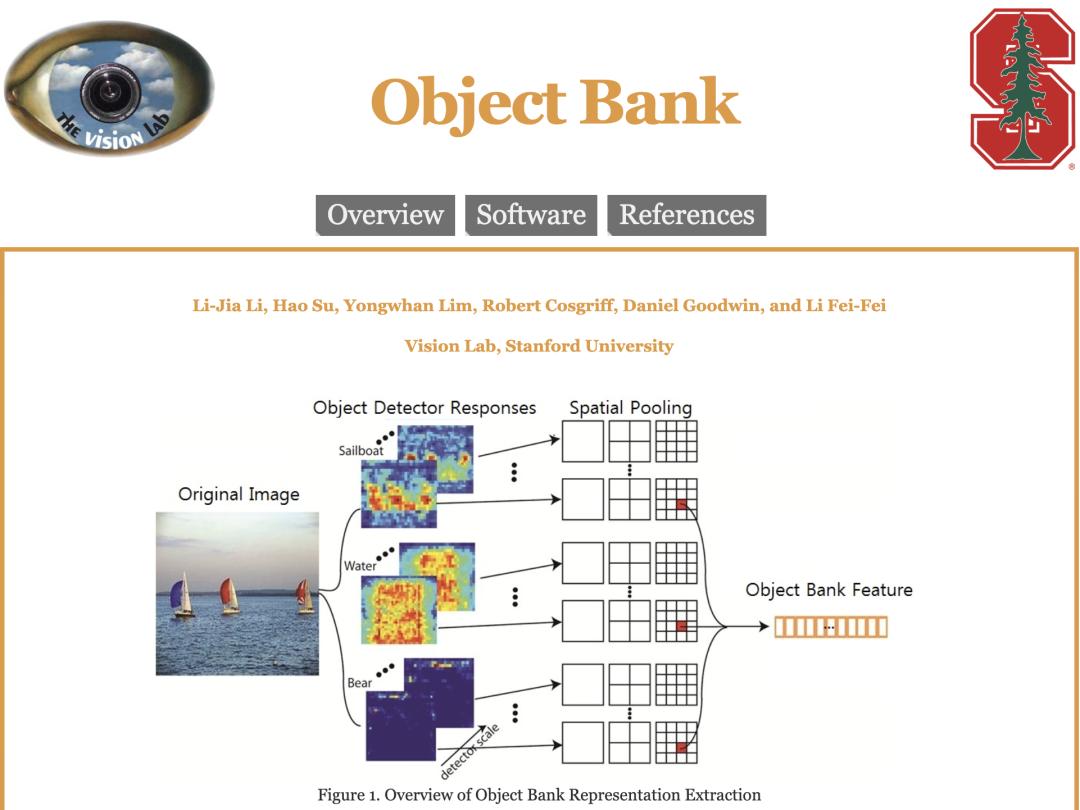
After ImageNet, Su Hao collaborated with Li Jia on the Object Bank, further enhancing the semantic representation ability of images in high - level vision tasks. This enabled simple classifiers to achieve excellent performance in tasks such as object recognition and scene classification. This research was published in NIPS in 2010.
The founder of 3D vision
After the methodology of 2D vision became increasingly perfect, Su Hao turned his attention to 3D vision.
In 2014, after obtaining a doctorate in mathematics from Beihang University, he pursued a doctorate in computer science at Stanford under the guidance of Leonidas Guibas, focusing on 3D perception.
In 2015, he released ShapeNet, the world's first large - scale 3D dataset, containing more than 3 million 3D CAD models covering 3,135 categories. It is hailed as the "ImageNet in the 3D field" by the outside world.

After the release of ShapeNet, 3D vision research entered a golden development period.
In 2017, PointNet and PointNet++ were successively released, increasing the proportion of 3D vision - related papers in top - tier conferences from less than 10% to 70%.
Among them, PointNet is the first deep - learning model to directly process raw point - cloud data, while PointNet++ further captures local structural information in point clouds.
These two works are now widely used in autonomous driving systems.

After obtaining a doctorate in computer science from Stanford in 2018, Su Hao released the 3D object dataset PartNet and joined the University of California, San Diego.
From vision to embodiment
After perception, Su Hao's next question was whether it was possible to integrate specific perception algorithms into a larger system.
This thinking drove him to shift from computer vision to robot research.
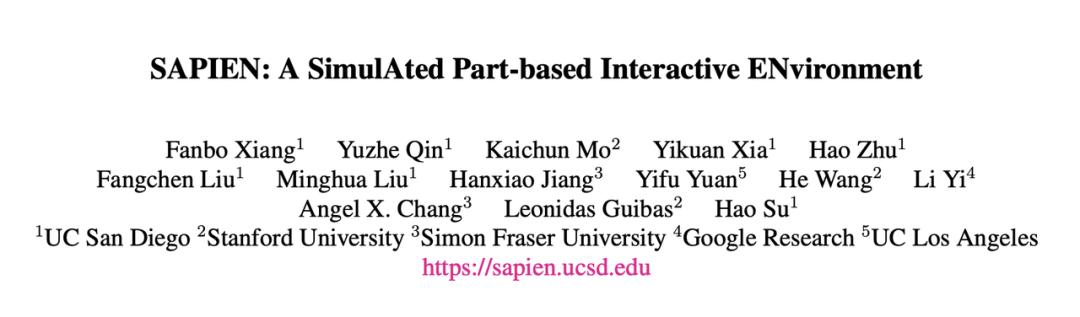
In 2020, based on PartNet, he released SAPIEN, the world's first simulator centered on generalizable operations (named after "Homo sapiens" in "Sapiens: A Brief History of Humankind"), which built key infrastructure for the research of robot vision and interaction tasks.
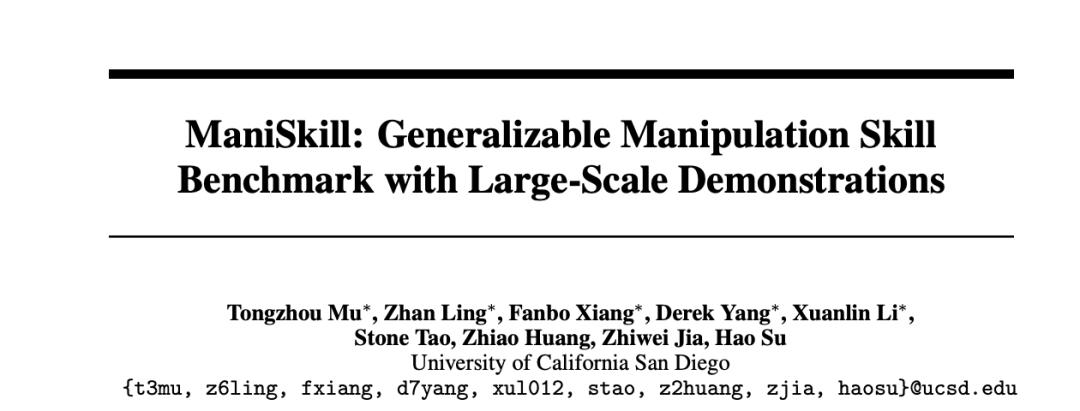
In 2021, he further launched the ManiSkill robot operation simulation platform on this basis, which is used to test and train robot operation skills.
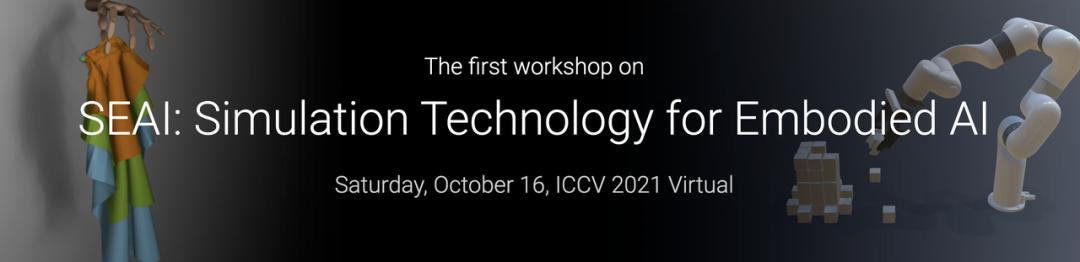
At the ICCV in the same year, Su Hao initiated a workshop focusing on a wide range of topics, including physics - based modeling and simulation, learning - based simulation, human body simulation, embodied vision, and robot learning.
These achievements have also been carried forward in the embodied intelligence company Hillbot founded by Su Hao.
In 2024, Su Hao joined the entrepreneurial wave of embodied intelligence, founded Hillbot, and served as the chief technology officer.
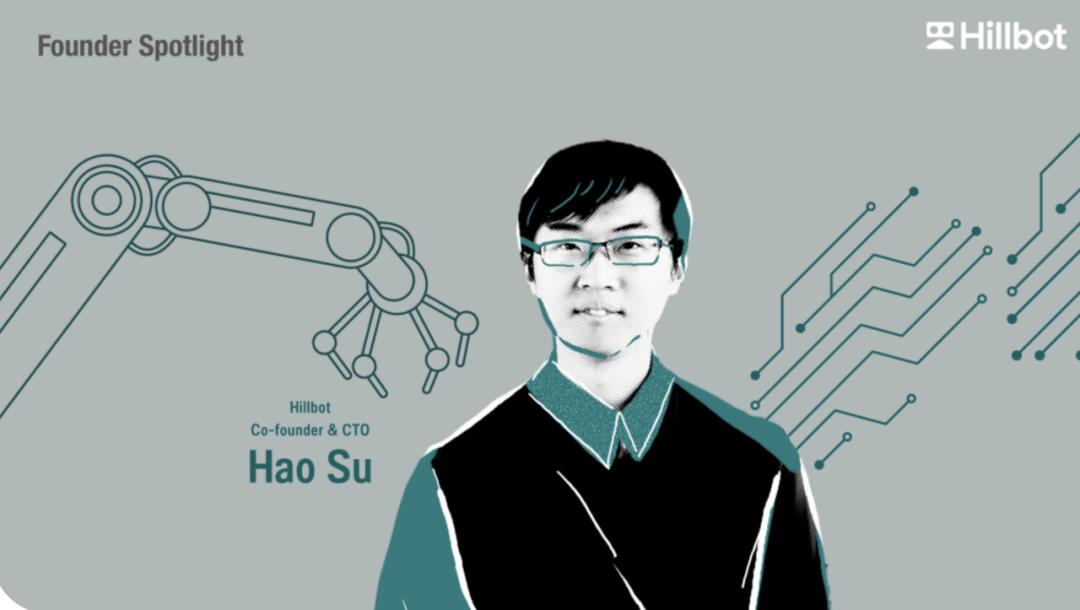
The two aces of Hillbot are precisely the SAPIEN simulator and the ManiSkill training platform previously released by Su Hao, focusing on simulation and 3D generation.
In addition, Hillbot has cooperated with NVIDIA to generate high - fidelity video training data through the Nvidia Cosmos platform.
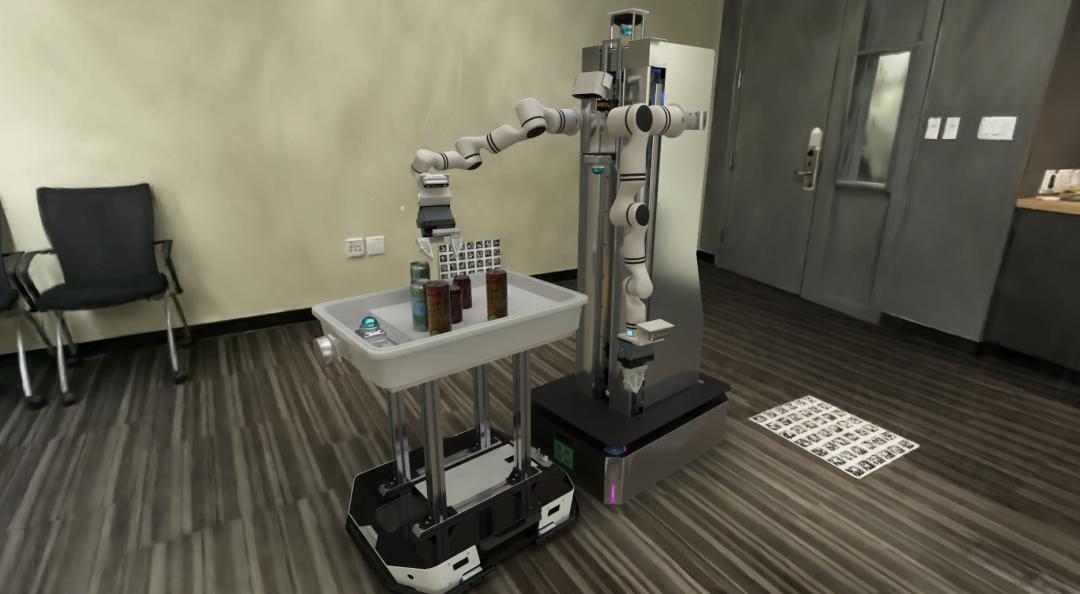
In terms of products, Hillbot has launched the wheeled robot Hillbot Alpha, which is based on simulation training and is mainly used for mobile manipulation tasks in complex environments such as retail stores, cafes, and manufacturing workshops.
Why choose Fudan?
Regarding the choice of joining Fudan, Su Hao gave a concise and firm explanation:
Because what Fudan wants to do is the same as what I want to do.
That thing refers to promoting the ultimate realization of "physical intelligence".
So - called physical intelligence means enabling an AI system to effectively complete tasks in the physical world - being able to understand the world and execute appropriate actions.
In Su Hao's view, this is not only an algorithm problem but also involves robot entities, multi - disciplinary integration, and a complete industrial ecosystem.
The reasons why he values Fudan are specific and practical. Fudan has a profound foundation in mathematics and physics, is actively promoting the construction of new engineering disciplines, and has industrial and geographical advantages as it is located in the center of Shanghai and the Yangtze River Delta.
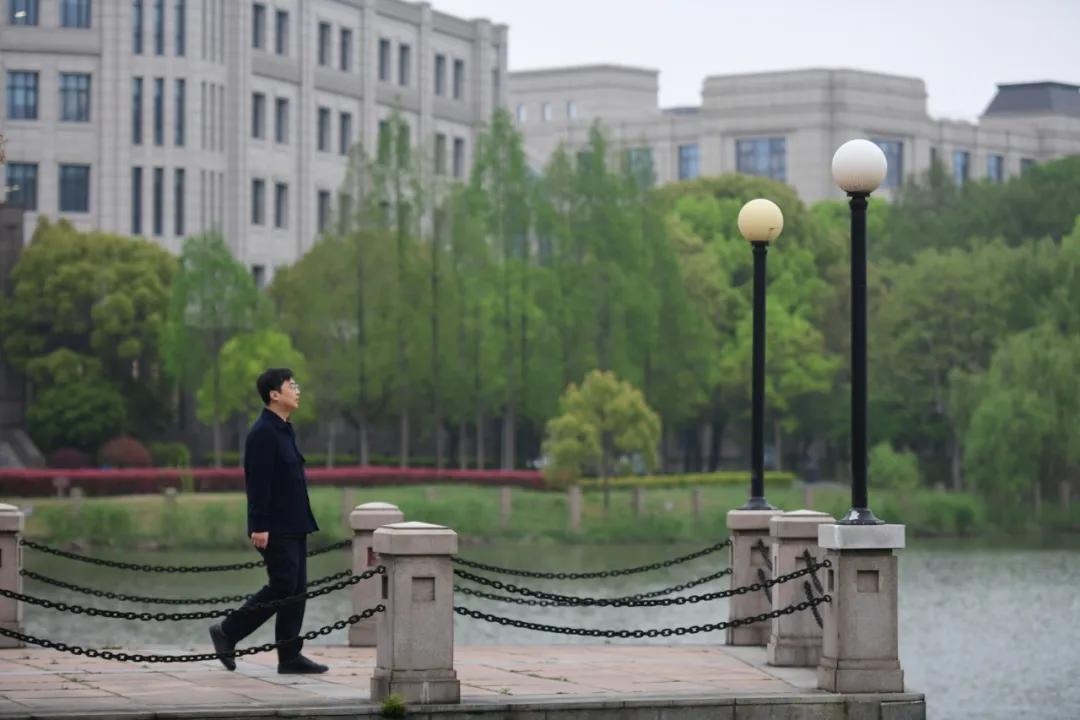
△
With this goal in mind, after joining Fudan, Su Hao will lead the construction of the Institute of General Physical Intelligence.
This institute is affiliated with the Innovation Academy for Intelligent Robotics and Advanced Manufacturing of Fudan University. It breaks the traditional division of faculties, has no disciplinary boundaries, and is completely problem - oriented, bringing together top - notch talents from multiple fields such as mathematics, physics, computer science, human - computer interaction, and brain - computer interfaces.
He said bluntly that the goal of the institute is to cultivate leading figures in artificial intelligence in the next 5 to 10 years.
In terms of the talent cultivation concept, he emphasizes two points - a high - quality research vision (knowing what problems are worth solving) and patience for long - term exploration (being willing to solve problems to the end).
Papers are