Although there are more competitors, the MacBook Pro remains unbeatable.
Preface: Is the High - end MacBook Pro Facing Great Pressure This Year?
Earlier in early March, Apple took a full three days to "unhurriedly" update some of their laptop, tablet, and mobile phone product lines.
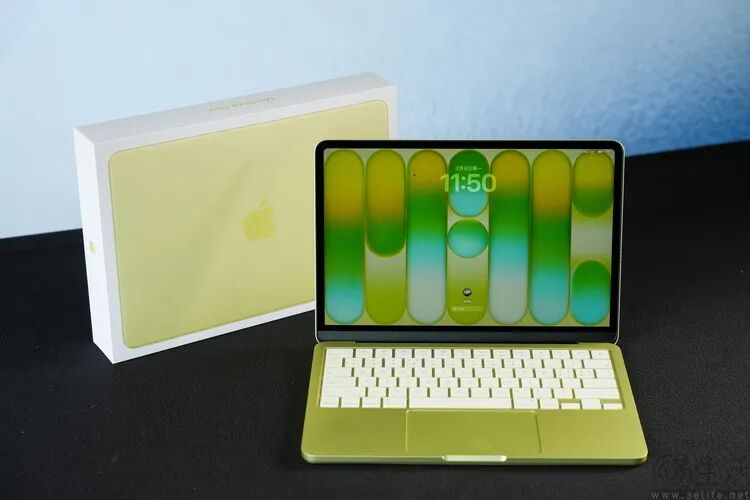
For most people, the most eye - catching product in this round of new releases might be the most affordable "Apple laptop" in history, the MacBook Neo. Previously, we at SanYi Life had already tested it and pointed out in the article "First Review of MacBook Neo: Small but Enough to Disrupt the Industry" that in its price range, it currently has no real competitors.
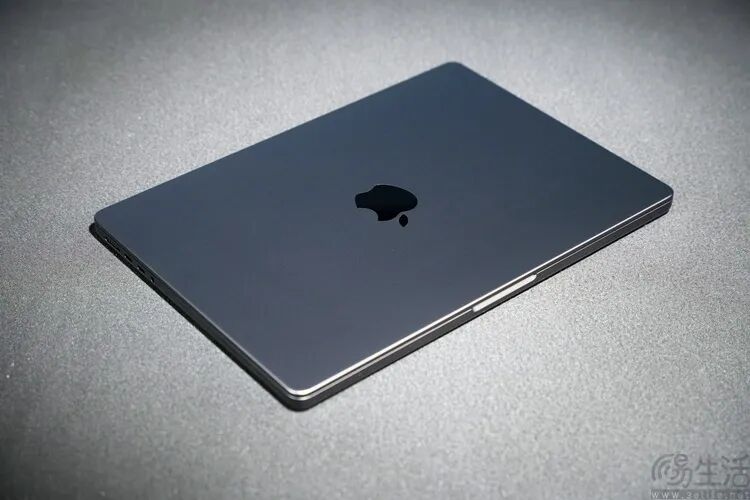
However, among the PC new products released by Apple at that time, in addition to the high - volume MacBook Neo, we of course can't ignore the M5 Pro and M5 Max versions of the MacBook Pro, which are designed for professionals and high - performance needs.
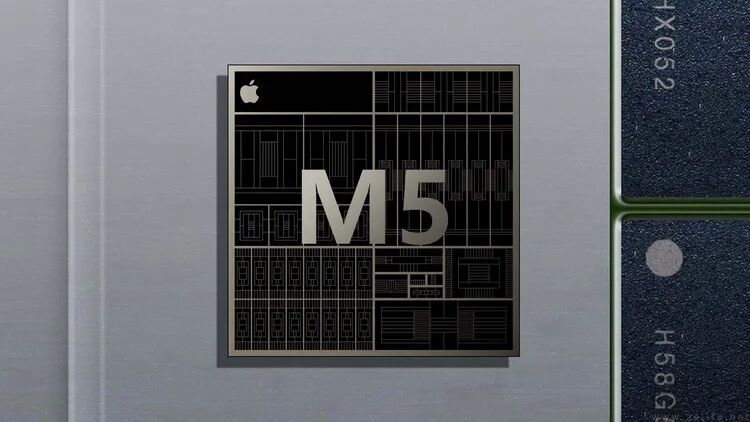
After all, on the one hand, in terms of architecture, the M5 generation is the first time Apple has embedded an AI accelerator in the GPU (similar to NV's Tensor Core or Intel's XMX unit). The AI computing logic of the entire chip is no longer limited to the NPU, which means the AI potential of the M5 generation is much greater than previous models, and it may even lead to a gap in software support in the future.
On the other hand, as we all know, since the success of Apple's M - series chips, there have been more and more "imitators" in the market. Especially this year, Qualcomm and NVIDIA will launch new Arm PC processors, and AMD's "unified memory" SoC solution has reached the nominal second generation.
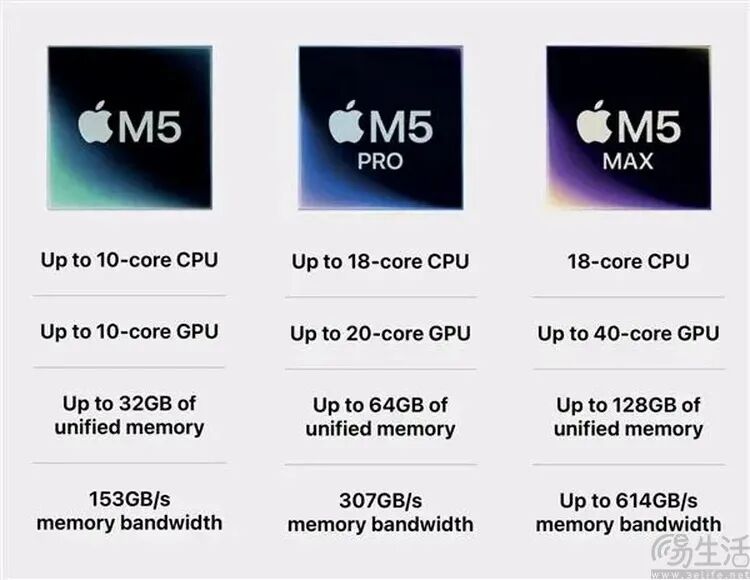
In this situation, the high - end M5 Pro and M5 Max naturally face considerable competitive pressure. So, can it maintain the performance leadership of previous generations this time, and can it meet the needs of more and a wider range of users?

With these questions in mind, we conducted a detailed test on a MacBook Pro equipped with an M5 Pro.
Appearance Appreciation: Still the Familiar Mold, but the Details Are Still Unbeatable
Friends who follow SanYi Life may know that we previously tested a 14 - inch MacBook Pro equipped with an M4 chip at the end of 2024 and compared it with the earlier M1 Pro version.
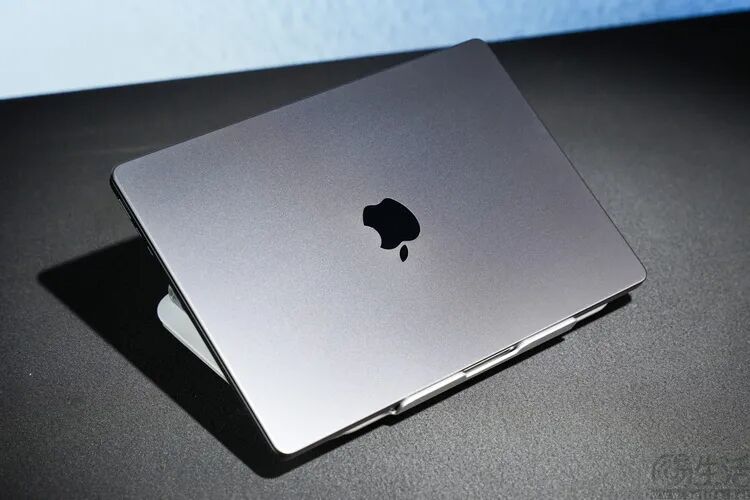
The mold that Apple currently uses for the MacBook Pro has been in use for many years. Even on models equipped with the M5 - series chips, it's almost impossible to distinguish them from the products of the previous M4 family just by their appearance features.
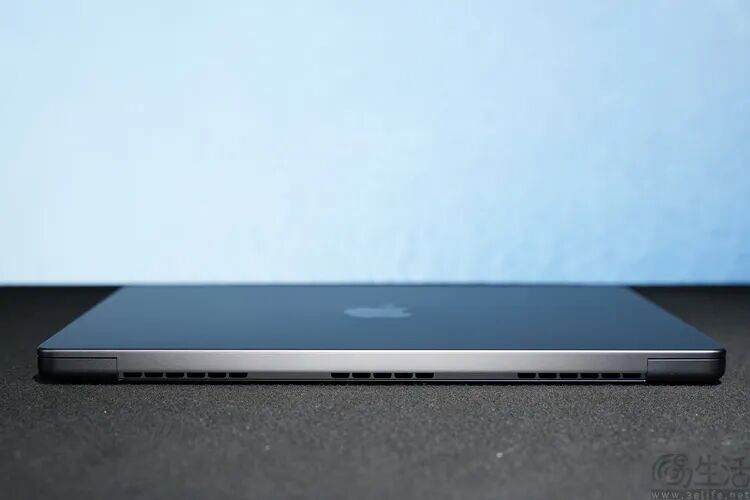
In terms of basic dimensions, the 14 - inch M5 Pro version of the MacBook Pro we got this time is exactly the same as the previous M4 generation in terms of body width (31.26 cm), depth (22.12 cm), and thickness (1.55 cm). The only change might be that it weighs 0.05 kg more.
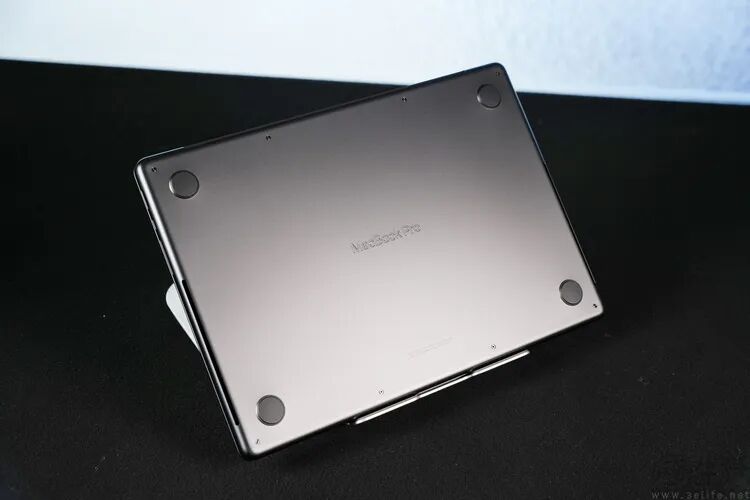
Looking at the bottom of the body, Apple is still one of the very few manufacturers that adheres to the "Laptop" principle and designs the air inlets on both sides of the body. This design has two advantages. First, you can use it comfortably on your lap without worrying about affecting heat dissipation. Second, compared with models with direct bottom - opening air intakes, it is less likely to accumulate dust in daily use.
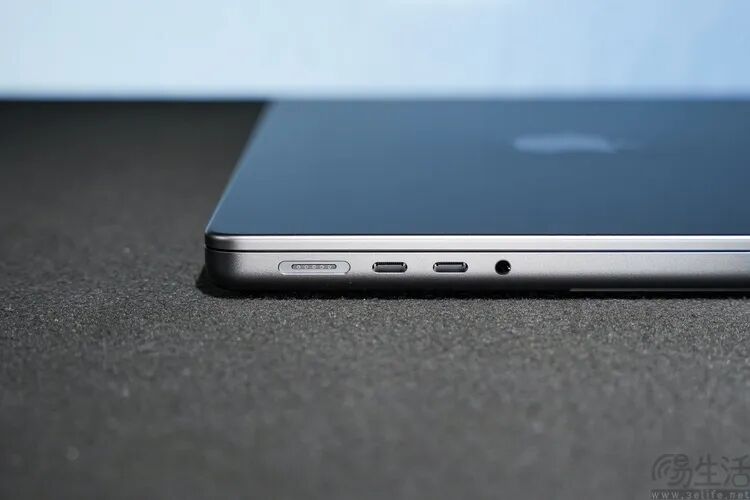
As for the interface part, there aren't any major changes in the M5 Pro version of the MacBook Pro.
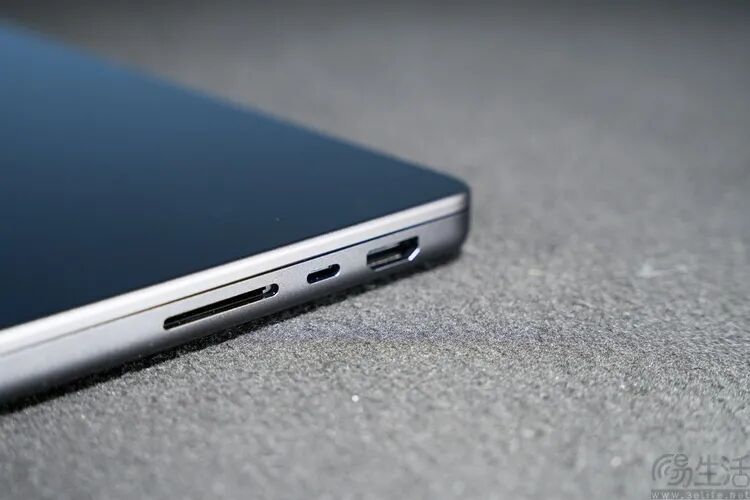
There are still three USB - C interfaces, one HDMI, one SDXC card reader, one 3.5mm audio output interface, and one MagSafe magnetic power interface on the side of the body. The biggest change might be that the protocol corresponding to the USB - C has been upgraded from Thunderbolt 4 to Thunderbolt 5.
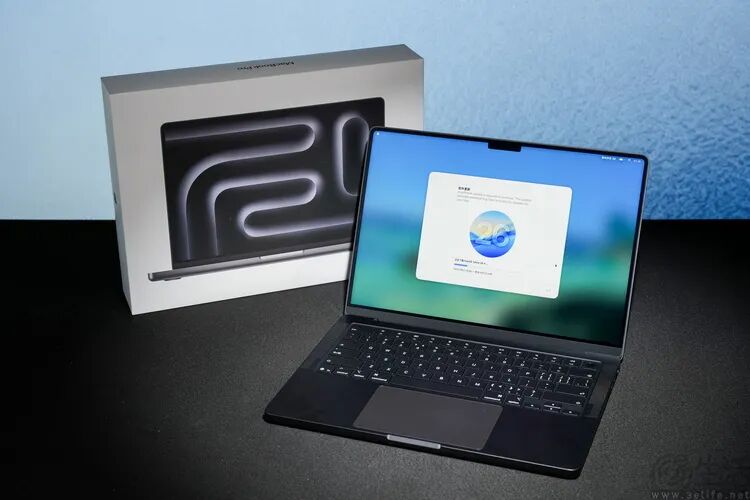
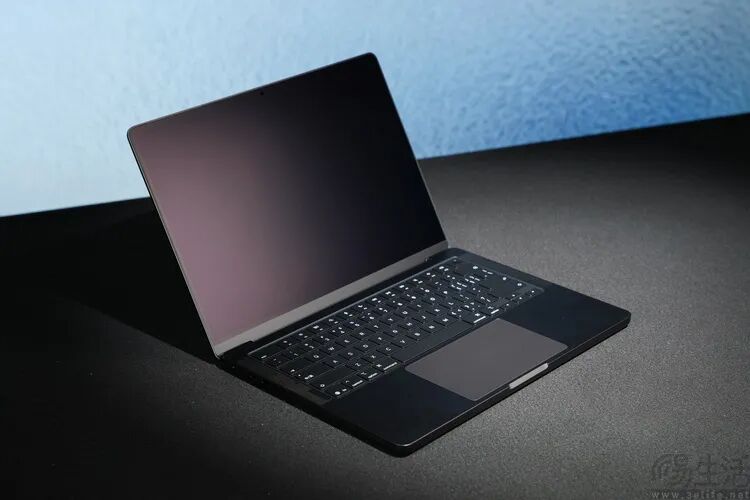
Next, when you open the screen, you'll still see that 14.2 - inch mini - LED screen. Its resolution is 3024*1964, with a maximum refresh rate of 120Hz and a peak brightness of up to 1600 nit.
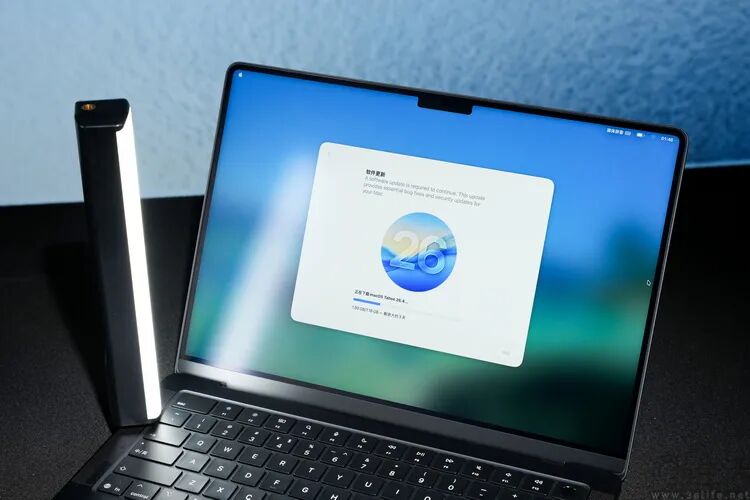
Apple's anti - reflection technology for the screen is still among the best in the industry.
If you just look at the parameters, it's not very outstanding in the current high - end laptop field. But as we all know, Apple's color management at the system level is much better than most Windows PCs. So, it still has an irreplaceable position among some professional user groups.
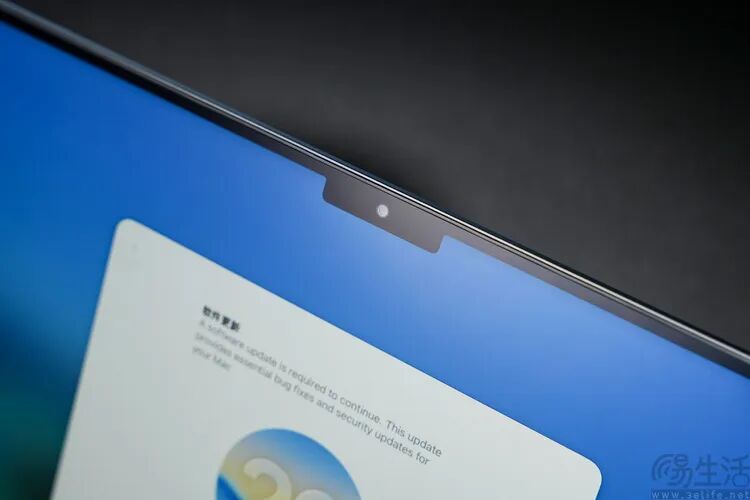
Also above the screen, the new MacBook Pro is equipped with a 12 - megapixel Center Stage camera that supports portrait centering, and there is also a three - microphone array that is relatively rare in Windows products. For users who pursue a good video conferencing effect, this is still an unrivaled configuration at present.
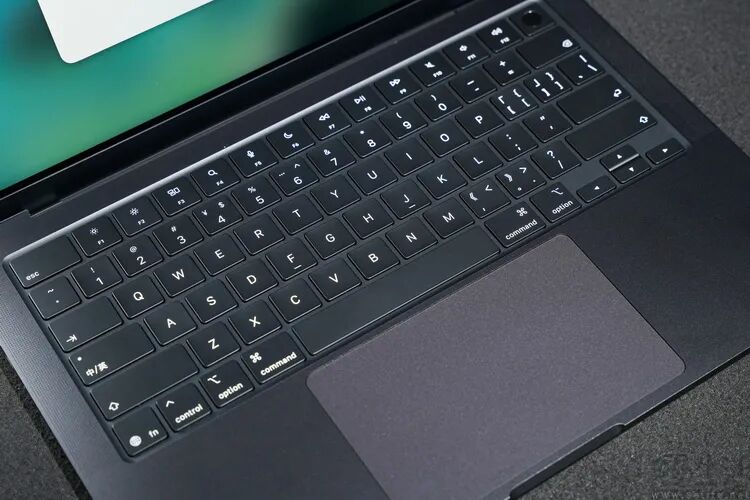
As for the C - side part, the keyboard feel of the M5 Pro version of the MacBook Pro hasn't changed and remains the same as the previous generations.
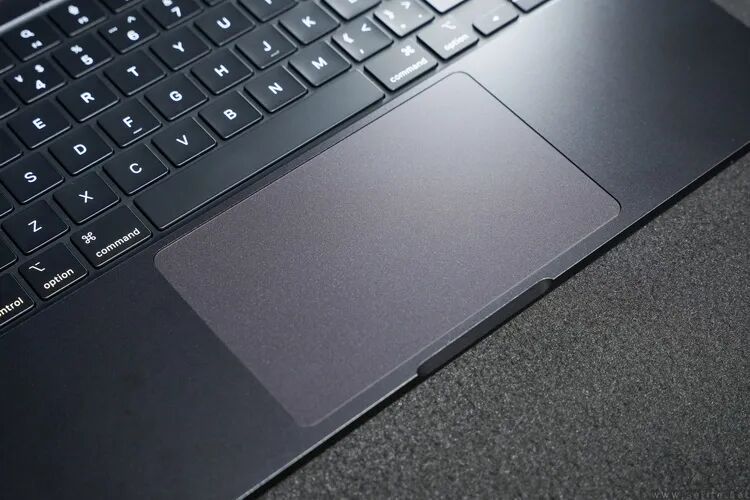
In contrast, the large - area pressure - sensitive trackpad, combined with the probably T0 - level six - speaker configuration in the industry, better shows Apple's uncompromising attitude towards the detail quality of its high - end products.
Chip Analysis: Major Changes in CPU and GPU, Memory Bandwidth Continues to Lead
If you've paid attention to Apple's current generation of MacBook Pro, you might notice that they "changed the way" they describe the kernel architecture of the M5 Pro and M5 Max. This time, they no longer call them "performance cores" and "efficiency cores", but "super cores" and "performance cores". The 14 - inch MacBook Pro we got this time is the top - of - the - line version equipped with an M5 Pro, which has an 18 - core CPU, a 20 - core GPU, and is equipped with 64GB of memory + 4TB of solid - state drive.
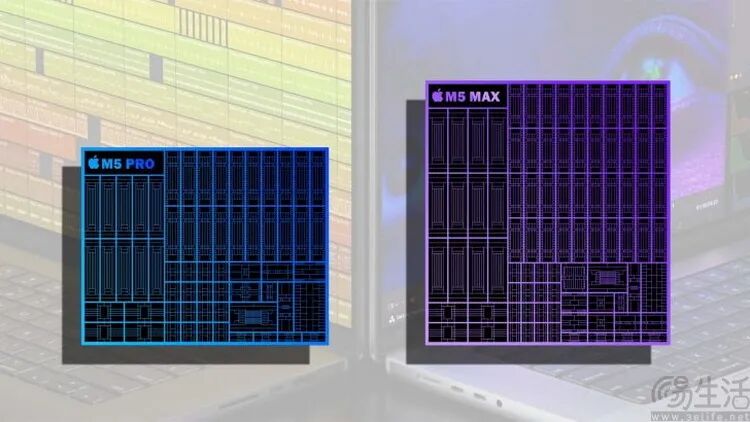
So, does this mean that the "small cores" of the CPU in the M5 Pro and M5 Max are actually larger in scale than those in the M5 or the previous M4 and M3 series?
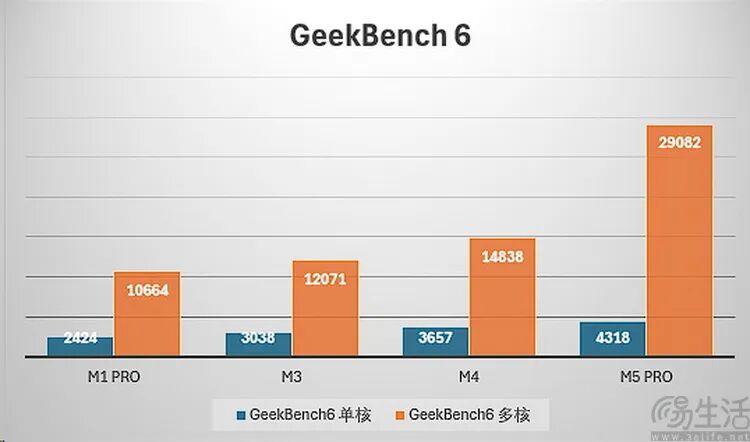
The answer is yes. From the currently known information, the decoding and issuing width of the small cores (Sawtooth V5) of the M5 Pro's CPU has increased from 6 - wide in the M5 (Sawtooth V4) to 7 - wide, which makes it closer to the 10 - wide design of the large cores (Everest V4). So, it makes sense to call them "performance cores".
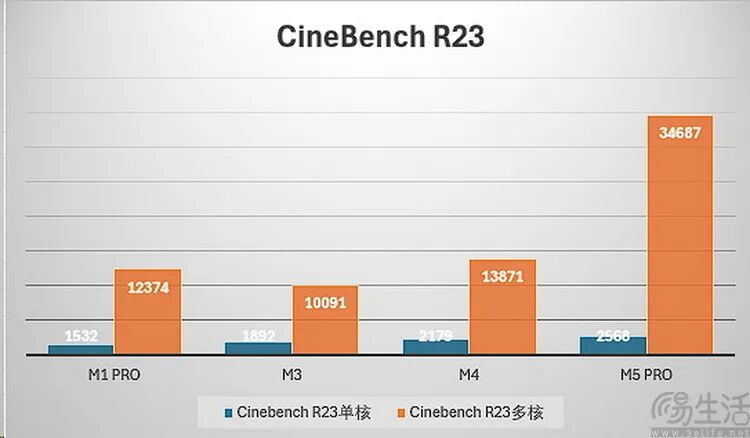
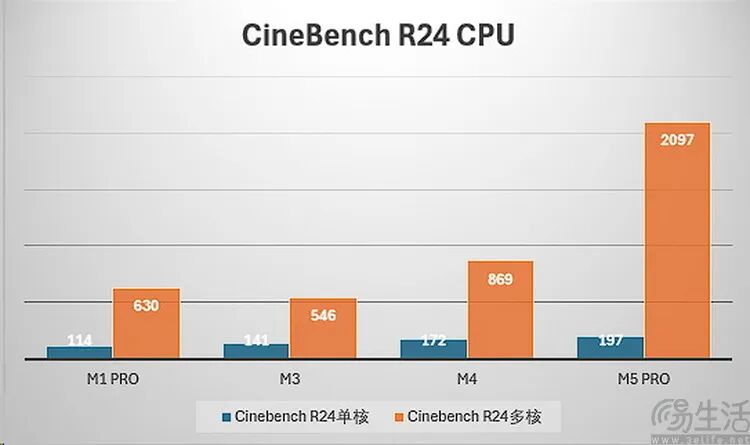
From our actual test results, compared with the previous generations of models equipped with M - series chips, the single - core performance of the super cores of the M5 Pro doesn't improve significantly because the decoding width is the same as that of the previous large cores. But obviously, with more cores and a larger - scale "performance core", its multi - core performance far exceeds that of ordinary "big - little core" processors.
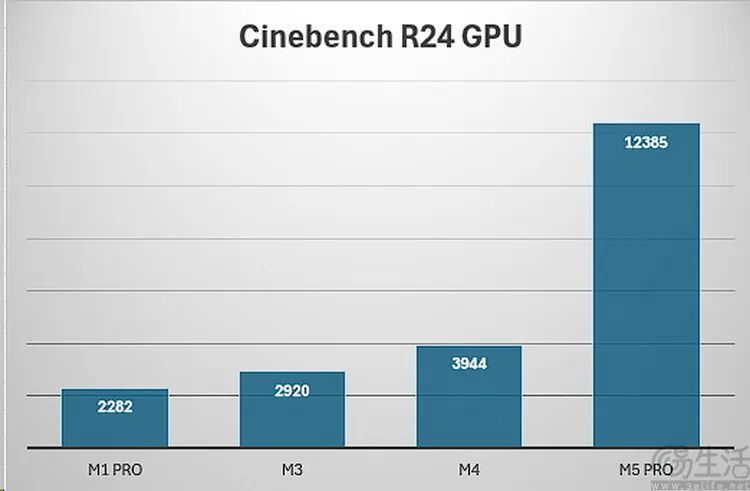
In terms of the GPU, the maximum scale of the M5 Pro's GPU reaches 20 cores and 2560 ALUs. This scale seems to be the same as the top - of - the - line M4 Pro, but the biggest difference