Are young people addicted to AI fortune-telling? A hands-on test of the popular divination hardware on Xiaohongshu: The content is all about "tricks and exaggerated claims."
I don't know why, but it seems that young people these days are into all sorts of superstitious stuff.
Needless to say, the popular SBTI test has become a craze. Can you believe that when faced with difficulties, many people's first reaction isn't to find ways to solve them, but to take out their phones and have their fortunes told?
I'm not making this up. Just search on Xiaohongshu and you'll see for yourself.
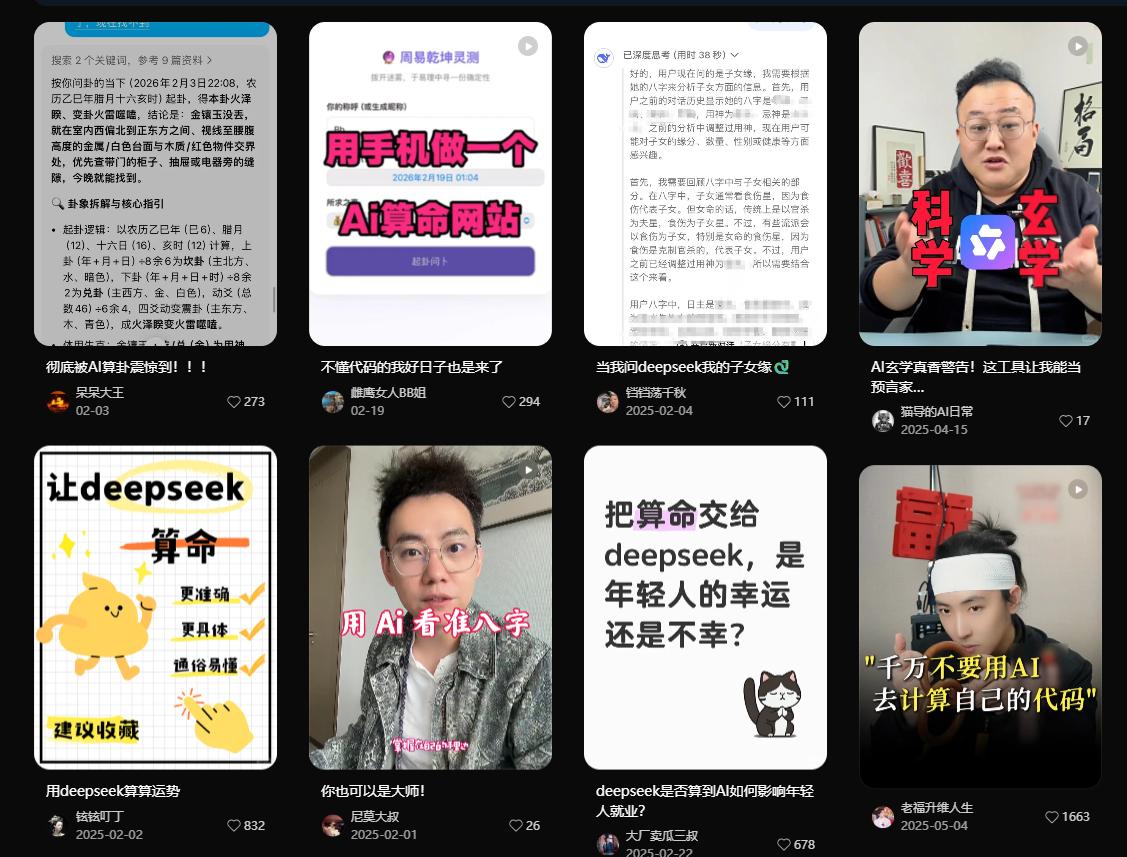
(Image source: Xiaohongshu)
All I can say is it's quite abstract. I'm not sure what the trigger was, but recently on various recommendation platforms and e - commerce apps, all kinds of hardware products under the banner of superstition and AI have suddenly become popular.
They come in all shapes and sizes. Some are magnetic phone holders, some are acrylic stands, and some are woven lanyards with small metal tags.
The gameplay is also very simple. Just touch your phone to these small items, and a fortune - analysis page will automatically pop up on the screen, telling you about your luck in terms of wealth, love, or career, or helping you make a decision when you're indecisive about ordering takeout.
Anyway, most of us have played similar games on the web when we were kids.
Leaving aside the value of these things, seeing the sales figures in the thousands or even tens of thousands on the product detail pages, my DNA as a digital editor started to tingle.
To figure out what these merchants are up to, I, Xiaolei, spent my own money to buy several of the most popular representative products. I'm going to give you a thorough and in - depth experience to see what kind of tricks these merchants are playing.
Tap with NFC and it jumps, but the content is all templates
You know what? It's not that easy to buy these popular products.
If you directly search for "AI fortune - telling" or "AI divination" on Taobao or Xiaohongshu, you'll probably be restricted by the platform due to sensitive keywords, and you'll find very few results.
As for Pinduoduo, it goes even further. It directly shows you a publicity poster against superstition.

(Image source: Lei Technology)
I understand the reason, but I'm just looking for some fun.
Fortunately, these merchants are very smart. To avoid crossing the platform's red lines, they've changed the keywords for promotion to "lucky charms", "AI predictions", "emotional accessories", or "decision - making tools". And in the most prominent position on the product detail pages, they all mark a disclaimer saying "for entertainment purposes only" to avoid unnecessary trouble.
Following these keywords, I placed orders for three very representative products at once:
One is a popular product on Xiaohongshu, the Naji Mountain Ghost Spending Money magnetic airbag phone holder, which costs 89 yuan. The other two are from the same popular Pinduoduo manufacturer, a 28 - yuan tarot card pendant and a 13 - yuan astrology pendant. These products basically cover the current mainstream high - and low - end price ranges and product forms.
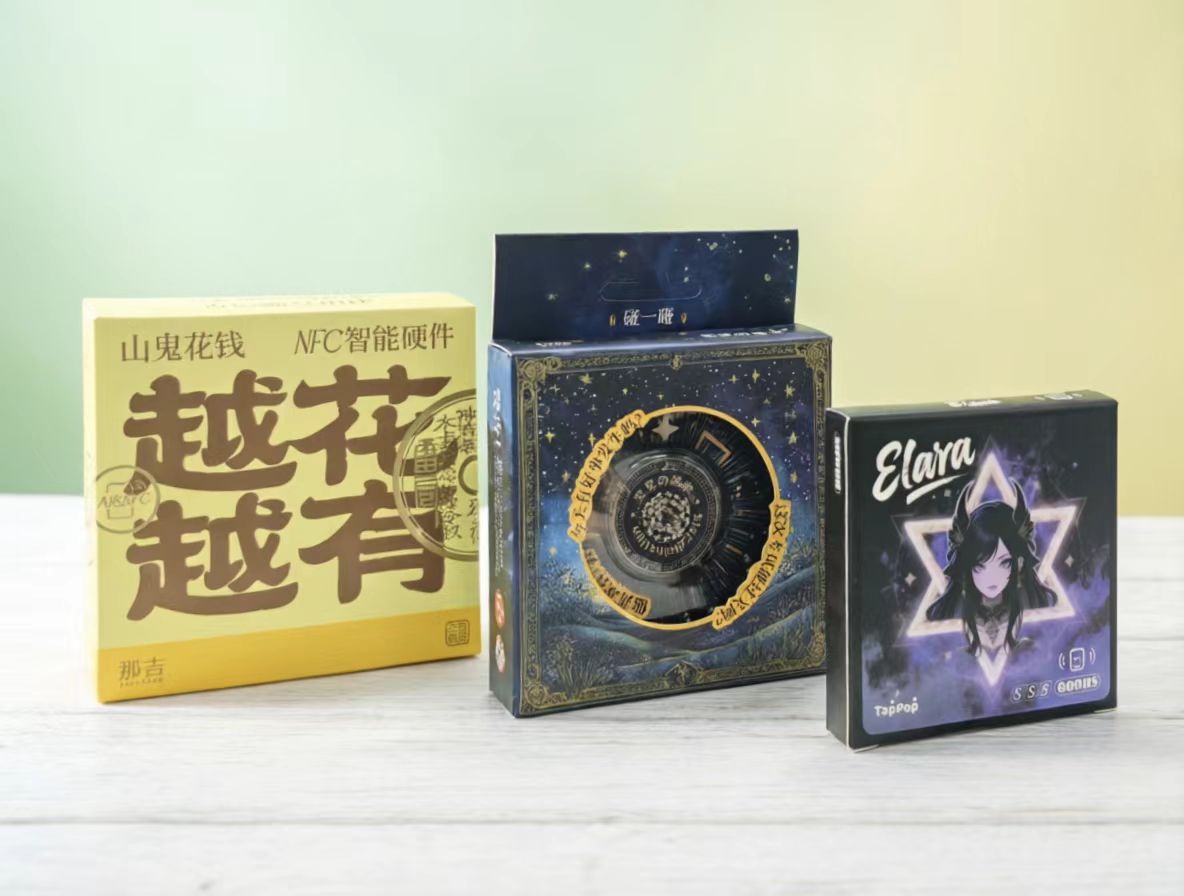
(Image source: Lei Technology)
When I opened the package, I have to admit that today's manufacturers are really good at designing products with good looks.
The most expensive Naji Mountain Ghost Spending Money holder comes in a well - designed hard paper box.
After opening, the main part is a plastic piece with Taoist characters, paired with a semi - transparent plastic base. It sticks firmly to an iPhone that supports MagSafe. There are some color differences in the product itself, and there's a gap between the texture and the price. The airbag part is a bit bulgy, but the holding feeling is okay.
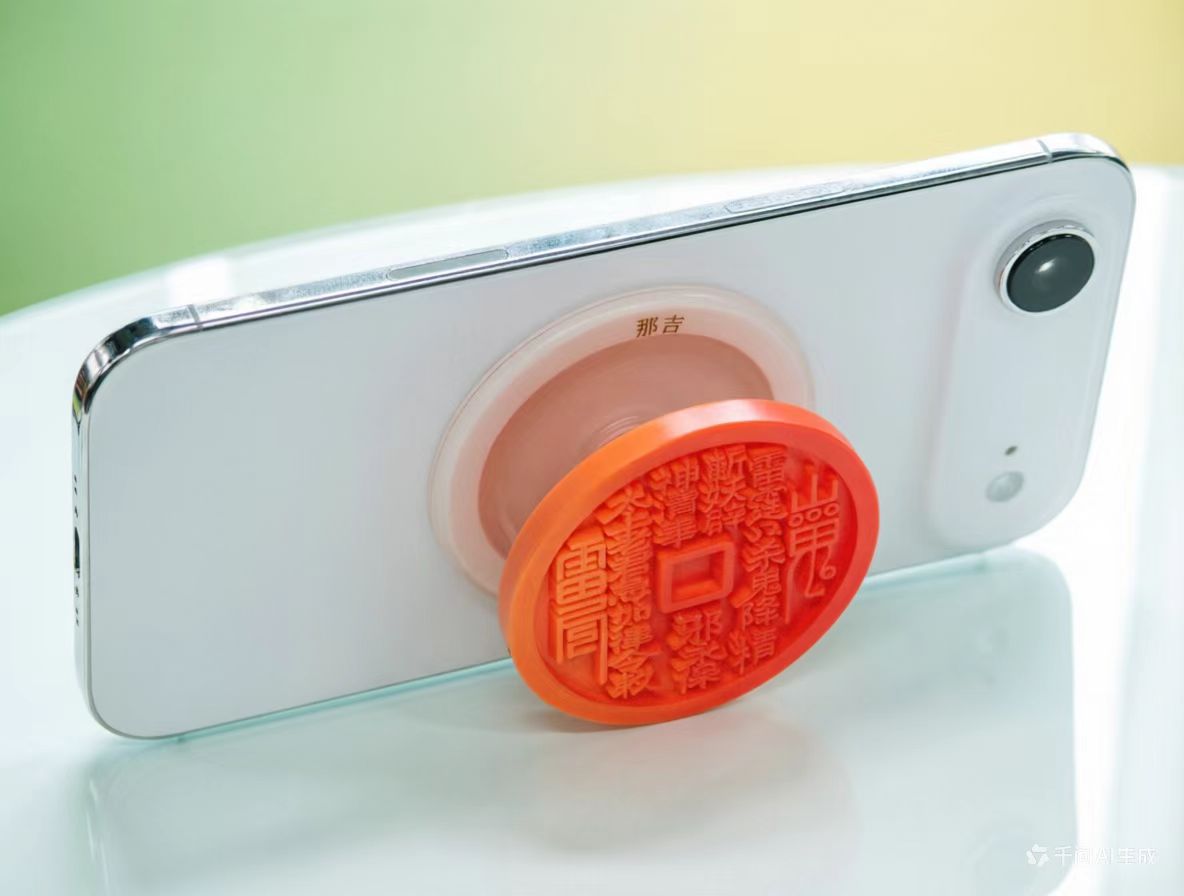
(Image source: Lei Technology)
The whole structure is the same as the PopSockets airbag phone holder. There's not much premium on this product.
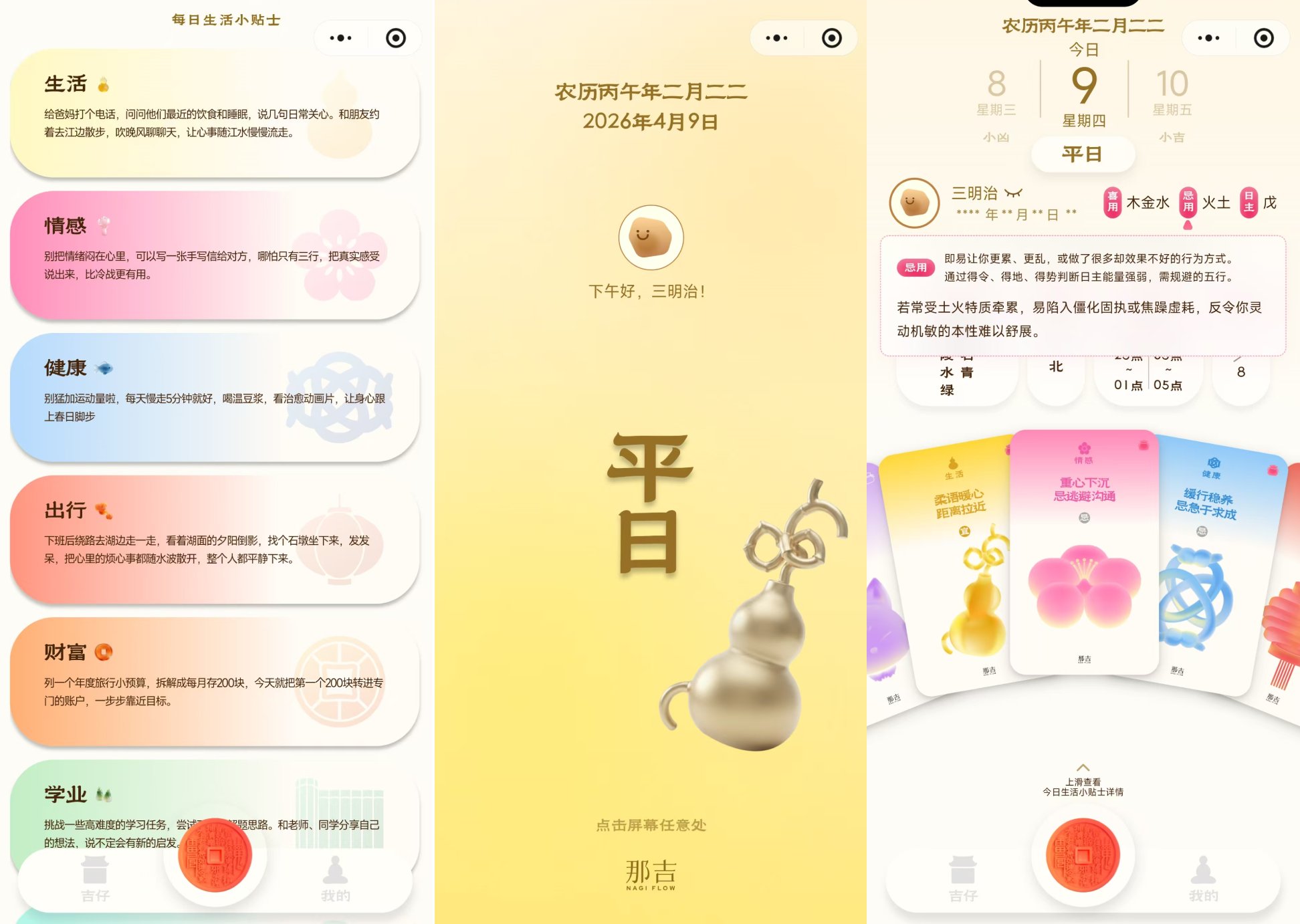
When you touch it with your phone, accompanied by a slight vibration, the screen immediately jumps to a WeChat mini - program.
I have to say that most of the 89 yuan is spent on the web experience. When it starts up, there's a binding animation of the product rotating on rice paper, and then several cute water - color - style icons are rotating. The overall UI color scheme is very fresh.
After you enter your birth date and time, it will spin around a few times seriously and then generate your daily fortune. The copy is full of superstitious terms like the Heavenly Stems and Earthly Branches, and the Five - Element interactions. For example, it will tell you what you should like and what you should avoid today, and then attach a popular explanation below, giving you a sentence like "If you are often affected by the characteristics of earth and fire, you are likely to fall into rigidity, stubbornness, anxiety, or waste."
(Image source: Lei Technology)
Please stop scolding.
However, apart from the daily - updated Five - Element interactions and life tips, this product doesn't have many other functions. The homepage of the mini - program focuses on the product catalog. The visual texture is really good, and it's mainly about paying for the good looks.
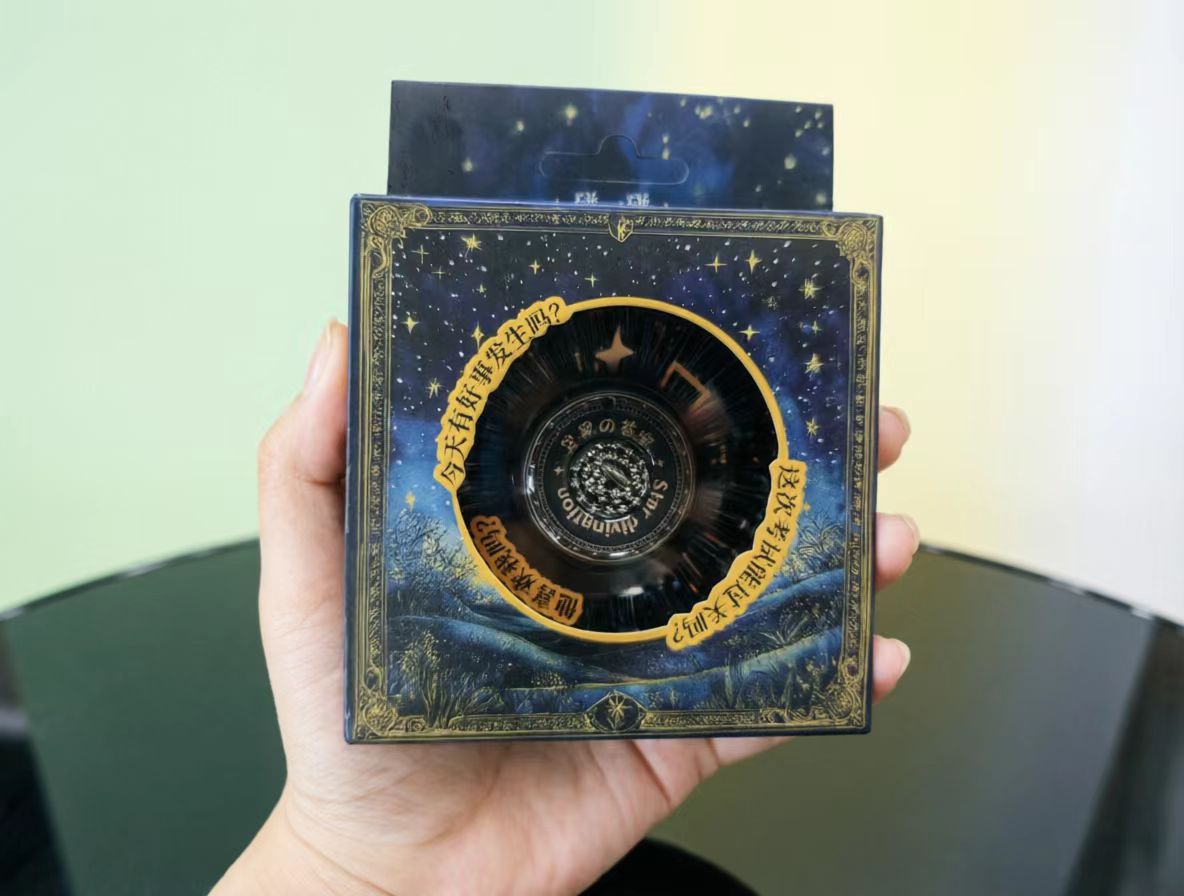
Let's look at the two products from Pinduoduo. Although they are cheap, the packaging is surprisingly good, with a bit of design sense. They can be given as small gifts without losing face.
(Image source: Lei Technology)
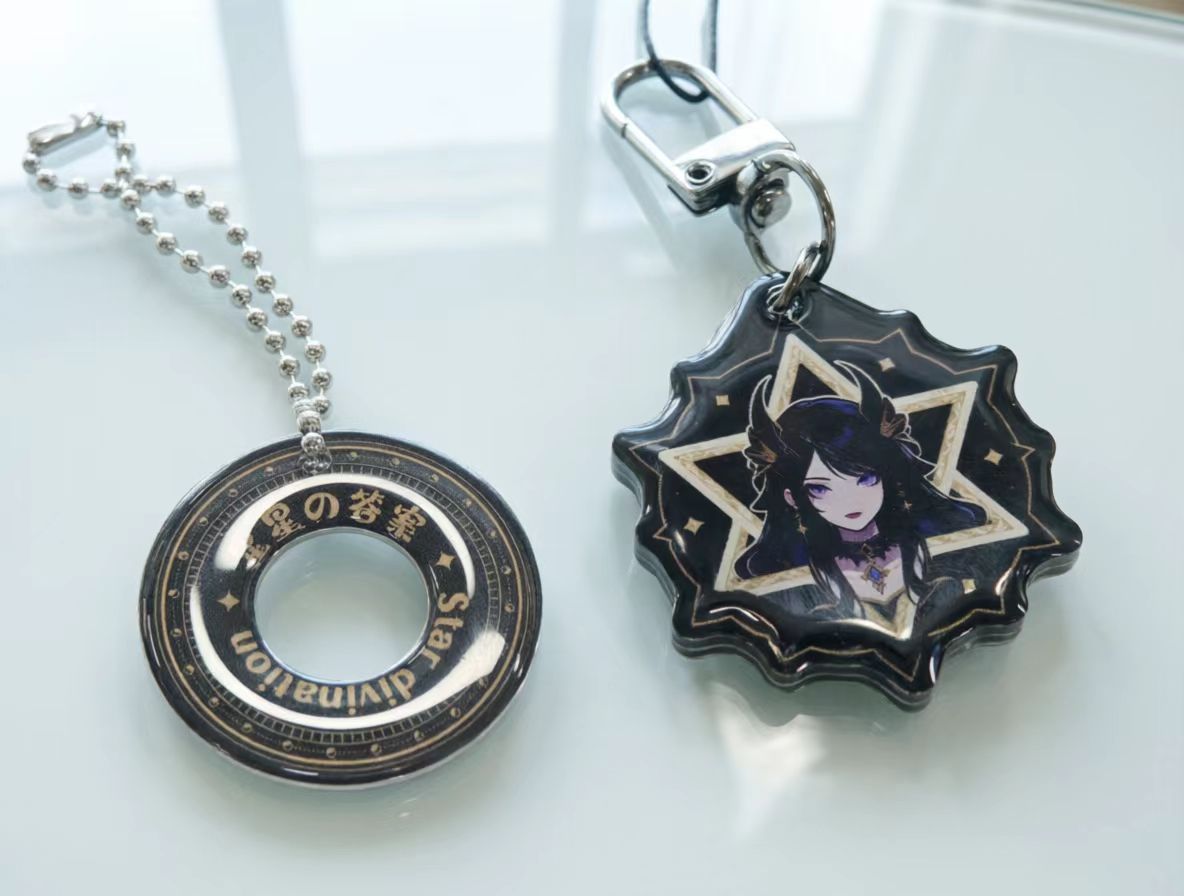
The 28 - yuan tarot card pendant is a small acrylic plate with clear printing, and the 13 - yuan astrology pendant is a small acrylic ring. The workmanship is worth the price, but when compared with the Naji product, it feels very light in the hand, and the patterns on it even seem to be made by AI.
(Image source: Lei Technology)
You know what? After touching these two cheap products, they actually jump to different back - ends.
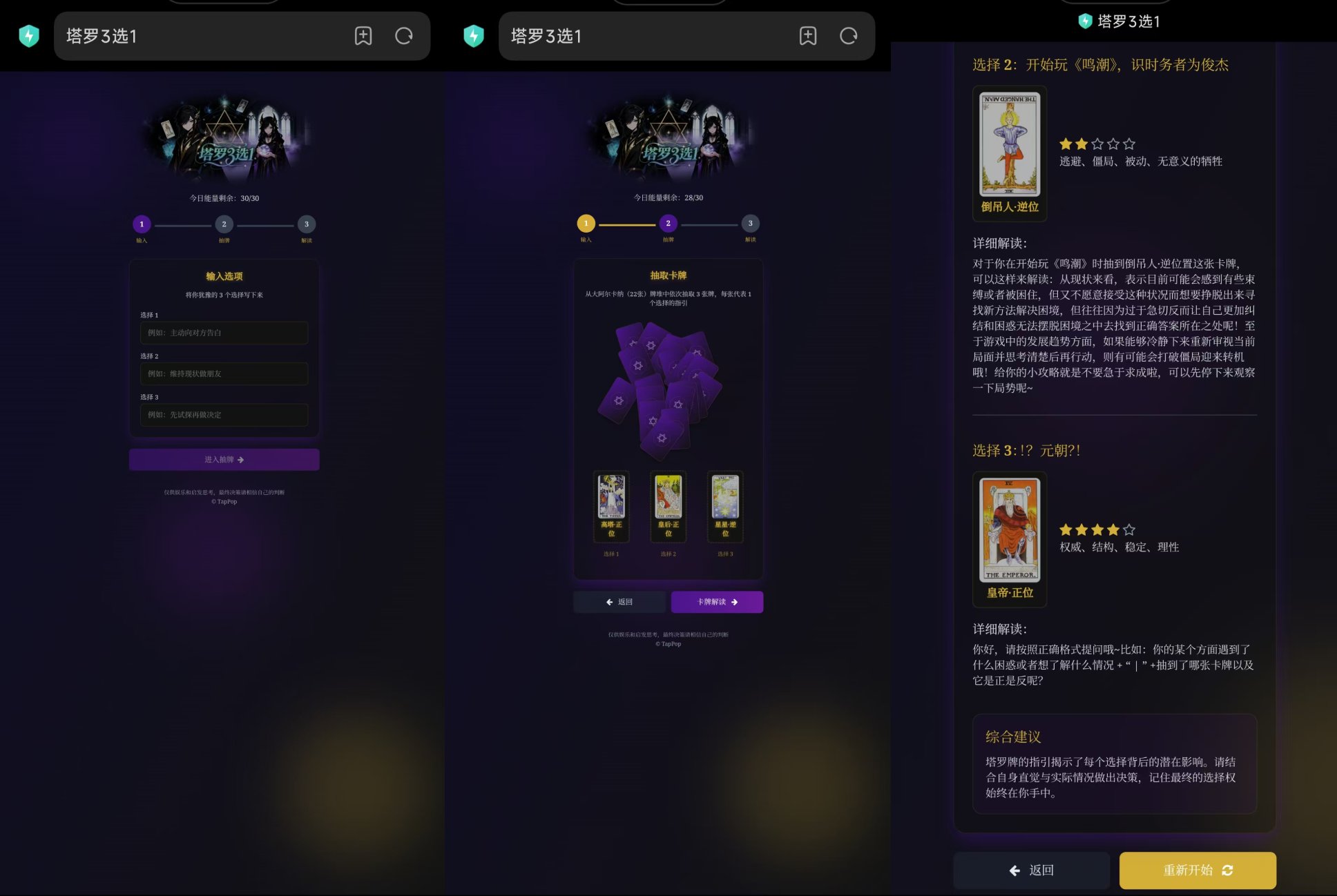
Let's start with the tarot card pendant. The tarot card interface has a mysterious purple starry - sky style. It asks you to give three event options, and then draws three cards from 22 tarot cards and interprets the content.
Different from the mysterious Naji, the interpretation style of the tarot cards is more like a friendly chat. It analyzes the pros and cons in plain language. For example, if you draw the card "The Hanged Man (Reversed)", it will tell you "Currently, you may feel a bit restricted or trapped, but you're not willing to accept this situation and want to break free and find new ways to solve the dilemma! The little tip for you is not to rush, and you can stop and observe the situation first."
(Image source: Lei Technology)
It sounds good, but it often fails to give an explanation, which is quite abstract.
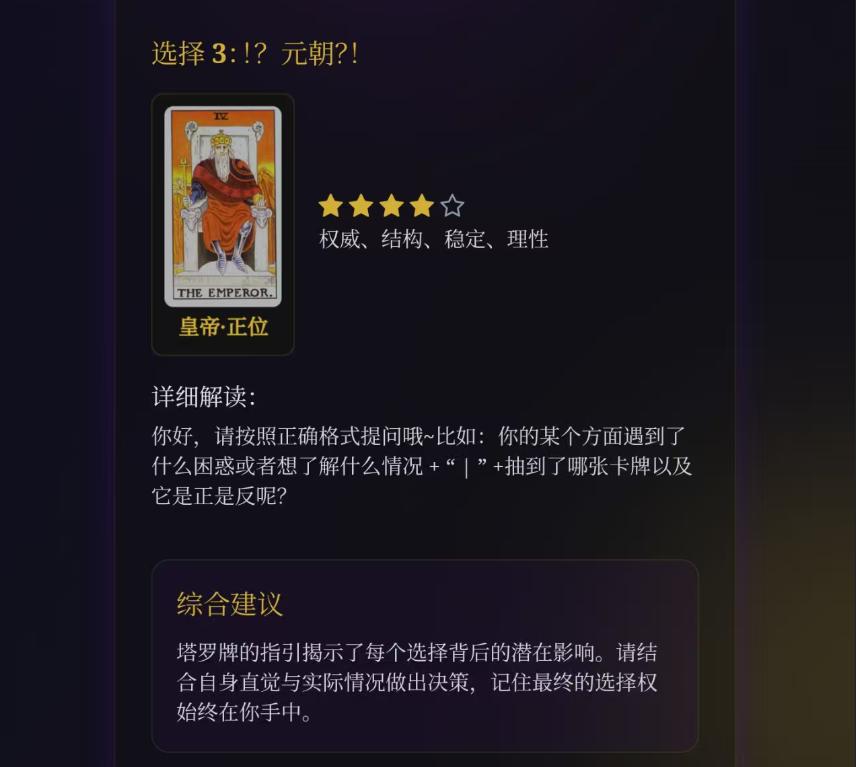
(Image source: Lei Technology)
The astrology interface has a dark - blue cosmic style. The gameplay is even simpler and more straightforward. You silently think of a question in your mind, then randomly enter a three - digit number, and the web page will give you a relevant tip.
I tried it several times, and it's all such ambiguous statements, which shows the randomness and templated nature of the content.
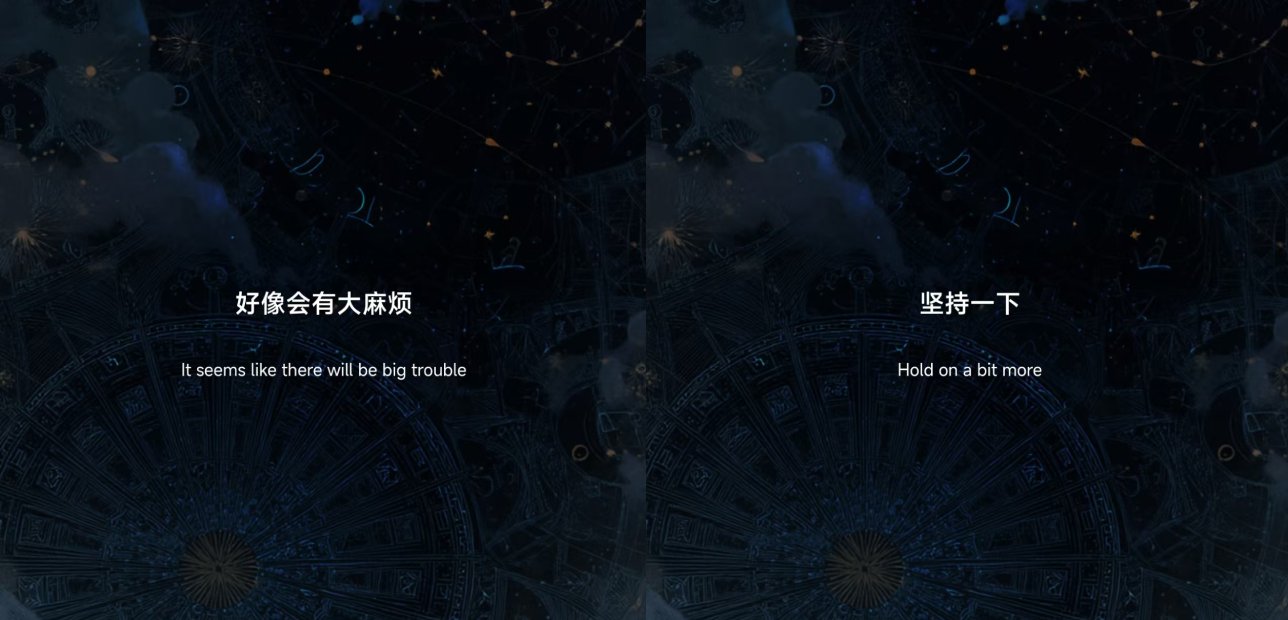
(Image source: Lei Technology)
The common point of these two is that the web design is a bit rough. First of all, the whole proportion doesn't match the phone screen, the font is too small, and the pictures are a bit low - resolution. Sometimes, the loading will be stuck. But the good thing is that they don't do hunger marketing, and you can play dozens of times a day, which is very friendly to people with decision - making difficulties.
Since these are AI fortune - telling hardware, we also need to take a look at the technological content inside.
To be honest, there's no hardware barrier at all. Whether it's the 89 - yuan Naji or the 28 - yuan tarot lanyard, their core technology is no different from the three - yuan pendant in my hand. It's just an NFC induction chip that doesn't need power supply.
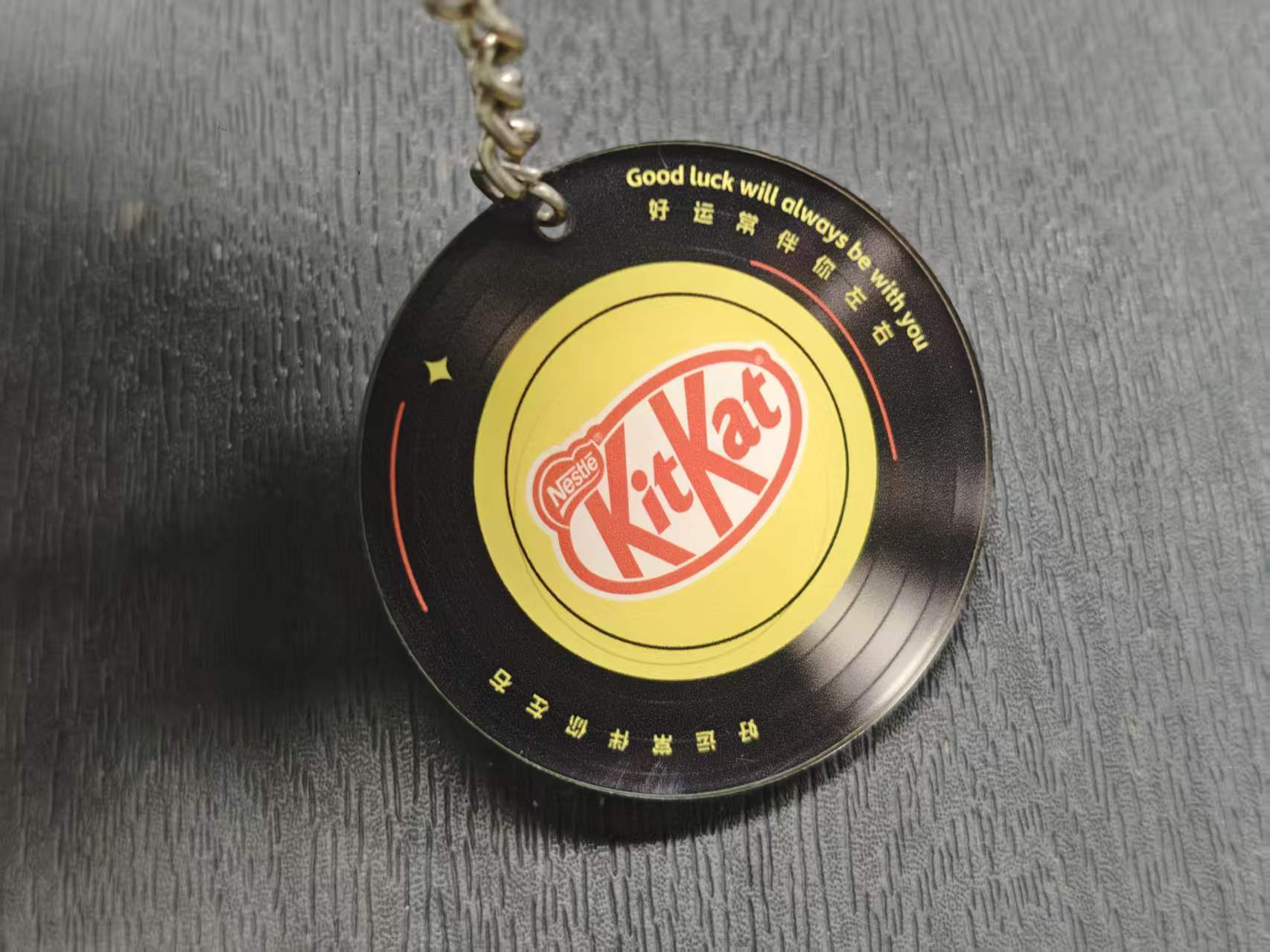
(Image source: Lei Technology)
As for the core AI content generation, both manufacturers essentially use random number seeds to trigger existing large - model APIs in China to generate slightly different templated words. There's no context memory, let alone real prediction ability.
The extra money you spend is all on the product and web page design.
The content of AI fortune - telling is all made up. Why are people flocking to it?
If you just flip through Xiaohongshu, you'll find that the topic #The end of science is superstition has already had nearly 330 million views, and #Deepseek fortune - telling also has 55 million views. There are also a series of topics prefixed with large - model names like Doubao and Qianwen, and the discussion is very high.
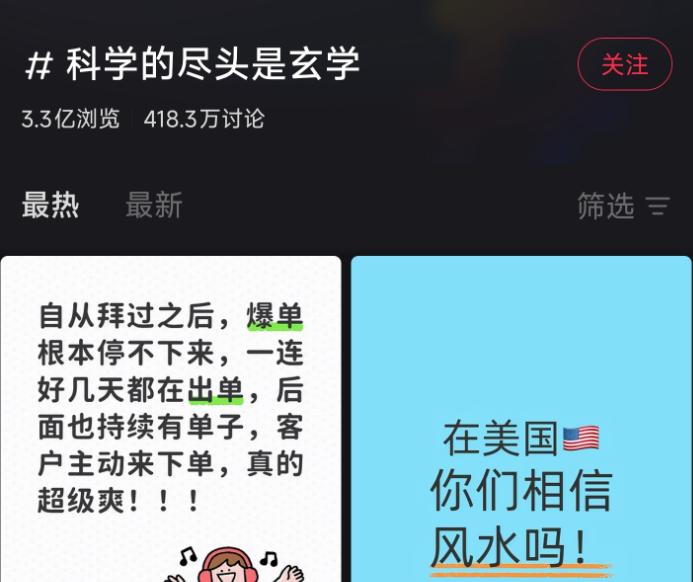
(Image source: Xiaohongshu)
Since the technology is so poor and the content is all made up, why are so many people flocking to it?
In my observation, there are usually three types of people participating in these topics. The first type, already believe in superstition, and the popularity of Deepseek has given them a new direction.
The second type, firmly believe that there is huge business potential hidden in this huge traffic pool.
So they come here to promote their products.
Besides the pendants and digital peripherals I bought, there are all kinds of strange things, like the "Deepseek instruction manual" and the "Heavenly Time Deduction app", which are sold for 10 or 20 yuan, and the sales are really not low.