The prices of Microsoft Surface products across the board have increased by up to $500 to pass on the cost of memory chips.
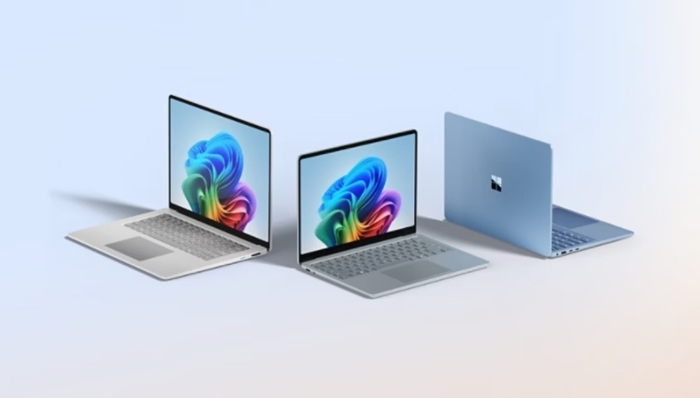
Image source: Microsoft's official website
The price increase wave caused by the shortage of memory chips is sweeping more and more PC brands.
On April 14, Microsoft comprehensively raised the prices of its Surface Laptop and Surface Pro on its US official website. Whether it's the mid - range or flagship product lines, the prices have increased significantly compared to a few weeks ago. Among them, the starting prices of the flagship Surface Laptop 7 and Surface Pro 11 are $500 higher than when they were launched.
Microsoft released the Surface Laptop 7 and Surface Pro 11 in 2024. These two products are the first Microsoft devices equipped with Qualcomm Snapdragon X - series chips, and their starting prices are both $999. In 2025, Microsoft cancelled the lowest storage capacity version, resulting in a price increase. The starting price of the model equipped with the Snapdragon X Plus processor, 16GB of memory, and 512GB of storage space has increased to $1,199, and now it is $1,499.
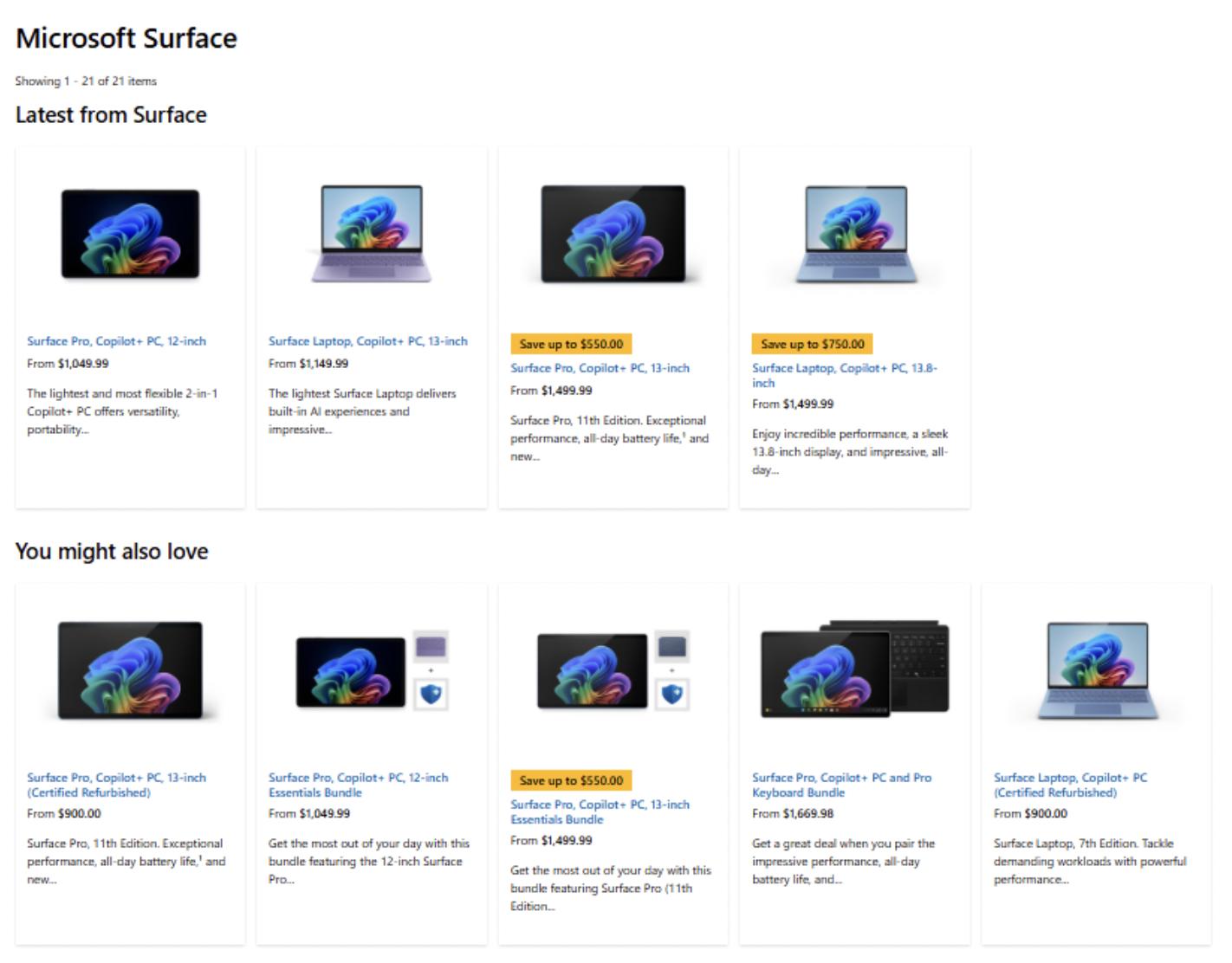
Pricing of Microsoft Surface products in the US market. Image source: Microsoft's official website
The prices of other products in Microsoft's product line have also increased, including the 13 - inch Surface Laptop launched last year. The specific price increase details are as follows:
· Surface Laptop (13.8 - inch X Plus version, 16GB of memory, 256GB SSD), the original price was $1,199, and the current price is $1,499.
· Surface Laptop (15 - inch X Plus version, 16GB of memory, 512GB SSD), the original price was $1,499, and the current price is $1,599.
· Surface Laptop (13 - inch X Plus version, 16GB of memory, 256GB SSD), the original price was $899, and the current price is $1,199.
· Surface Pro (13 - inch X Plus version, 16GB of memory, 512GB SSD), the original price was $1,199, and the current price is $1,499.
· Surface Pro (12 - inch X Plus version, 16GB of memory, 512GB SSD), the original price was $799, and the current price is $1,049.
Although Microsoft has not synchronously announced an official price increase in the Chinese market, the Microsoft China store shows that the current starting price of the 12 - inch Surface Pro keyboard package is 10,276 yuan, the starting price of the 13.8 - inch Surface Laptop is 10,988 yuan, and the 15 - inch version starts at as high as 14,088 yuan. Compared with the converted prices in the US market, domestic products with the same configuration generally have a premium of 5% - 15%, and most of the promotions are in the form of "gift packages" rather than cash discounts.
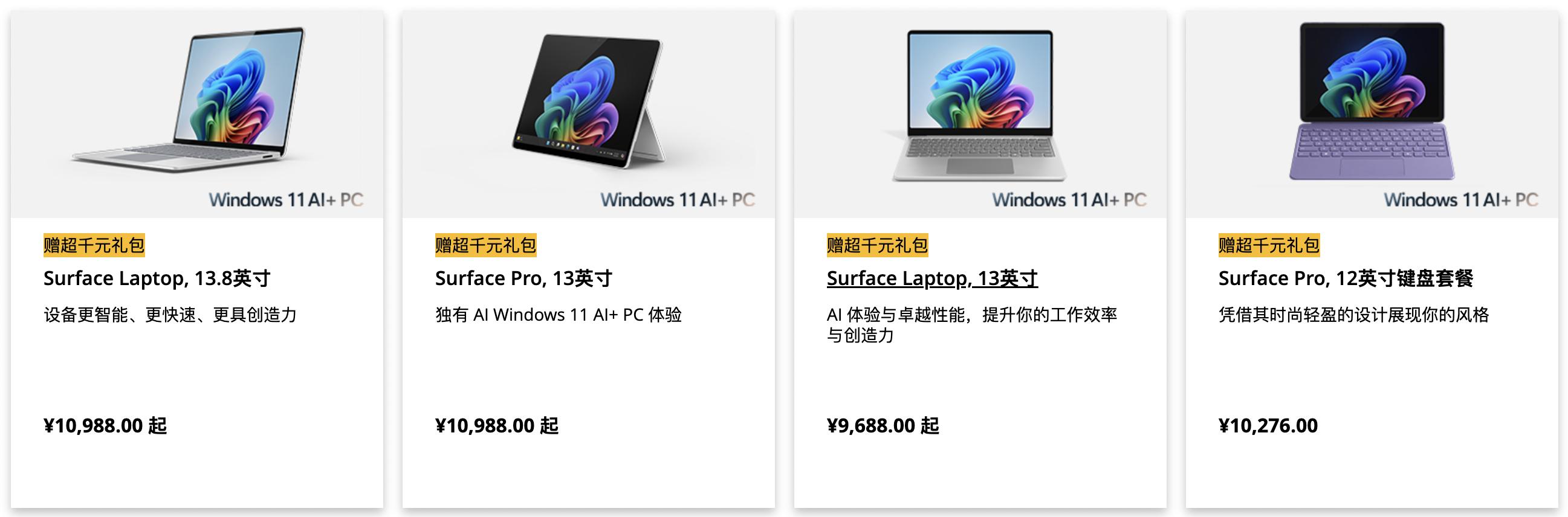
Pricing of Microsoft Surface products in the Chinese market. Image source: Microsoft's official website
Regarding the price increase of Surface products, Microsoft said in a statement, "Due to the recent increase in the cost of memory and components, Microsoft's official website is updating the prices of the current generation of Surface hardware products. We will continue to be committed to creating value for customers and partners while adhering to our high standards for quality and innovation."
For Microsoft, the Surface series is not just a hardware product but the core hub of its "software + hardware + service" ecosystem. Since its launch in 2012, the Surface has become a key tool for Microsoft to compete with Apple's Mac and expand the enterprise - level market, thanks to its 2 - in - 1 design and deep adaptation to the Windows system.
In Microsoft's financial report for the second quarter of fiscal year 2026, the proportion of this business was not disclosed separately. However, Microsoft's "More Personal Computing" division (including Surface, Windows licensing, etc.) achieved revenue of $14.3 billion, a year - on - year decrease of 3%.
The current PC industry is facing a historic shortage of memory chips. Omdia data shows that since the first quarter of 2025, the costs of memory and storage have increased by about five times and three times respectively. The large - scale construction of AI data centers has further squeezed the memory supply for the consumer market, and chip manufacturers are more inclined to allocate production capacity to the more profitable AI field. Coupled with the expectation that Intel and AMD plan to raise CPU prices by 10% - 25% in the second quarter of 2026, the cost pressure on PC manufacturers has approached the critical point.
At the end of last year, Acer and ASUS both confirmed that they would raise the prices of their PC products. ASUS co - CEO Hu Shubin said that ASUS will decide the most suitable (price - increase) timing based on market dynamics and adjust the product portfolio and prices very flexibly. Acer Chairman Chen Junsheng pointed out that the product prices in the first quarter of 2026 are definitely different from those in the fourth quarter of 2025, but the real challenge lies in the quotes in the second quarter of 2026.
Lenovo CFO Winston Cheng (Zheng Xiaoming) previously said that in 2026, due to the overall increase in the memory price level, a price increase is inevitable. Dell has comprehensively raised the prices of its commercial computers since December 17 last year, with a price increase ranging from 10% to 30%.
Omdia data shows that in the first quarter of 2026, the global PC shipments achieved a modest growth of 2.5% - 3.2%. However, the growth momentum does not come from the recovery of demand but from the fact that manufacturers and channels stocked up in advance in response to the expected price increase, combined with the end - of - cycle effect of Windows 10 replacement.
Ye Maosheng, the chief analyst at Omdia, said, "As the supply - chain pressure continues to intensify, starting from the second quarter, the costs of memory and storage are expected to rise faster and more significantly than previously expected. This will compress the gross profit margins of PC manufacturers and force them to pass on some of the costs to channel partners and end - customers."
Another data agency, IDC, predicts that the shipment volume of the PC market in 2026 will decline by more than 10%. This is mainly the result of the combined effects of factors such as memory shortages, rising component prices, and broader supply restrictions. These negative factors will also continue into 2027, curbing the recovery momentum.
This article is from Jiemian News, author: Song Jianan. Republished by 36Kr with permission.