The "new toy" that makes tough guys ecstatic, leaving gas guzzlers in the dust.
"No man doesn't want an off-road vehicle in his life."
It's a pity that in the past, not every man could realize this dream. Looking back at the entire automotive market in the past, the pricing and market supply of off-road vehicles destined them to be a niche product.
Hardcore off-road vehicles were even exclusive toys for the wealthy circle, symbolizing both "money and wildness."

The prices of Jeep Wrangler, Toyota Prado, and Mercedes-Benz G-Class often reach hundreds of thousands or even millions of yuan. Coupled with the fuel consumption of more than a dozen liters or even twenty liters per hundred kilometers, it discourages ordinary people. They can only envy those who drive off-road vehicles to cross mountains and gallop across the Gobi on the screen.
The label of "gas guzzler" has further confined this powerful vehicle model to a niche circle, making it difficult to enter the public life.
However, recently, the once unattainable off-road vehicles have been completely "brought down" by new energy.
In just one month, Chery, Geely, and Great Wall have successively taken major actions: the new energy off-road track has become extremely competitive.
On March 13th, Chery's first extended-range off-road vehicle was launched; on March 20th, Geely unveiled its first AI all-terrain hardcore SUV, the "Galaxy Battleship 700"; on April 6th, Great Wall Motors publicly solicited names for its new flagship off-road vehicle.

A "off-road war" sweeping the entire industry has officially begun.
01
New energy brands are collectively eyeing off-road vehicles
In the past, when people talked about cars, they were still struggling with whether to buy a sedan or a city SUV. Now, when you open the comment section, the screen is full of "square boxes."
Indeed, in the domestic SUV circle in the past two years, this kind of hardcore styling with a bit of wildness and straight lines has been extremely popular. Whether it's the big shots who really go off-roading or the urban white-collar workers who just like to go camping with their families on weekends, they all seem to have no resistance to this square-shaped big toy.
Data released by the China Association of Automobile Manufacturers shows that in 2020, the sales volume of domestic hardcore off-road vehicle models was only 423,000 units, and the market scale was about 105.8 billion yuan.
In the just-passed 2025, the sales volume soared to 894,000 units, a year-on-year increase of 11.75%, and the market scale exceeded 223.5 billion yuan. That is to say, in just five years, the sales volume of domestic hardcore off-road vehicles has doubled, and the market scale has increased by more than 110%.
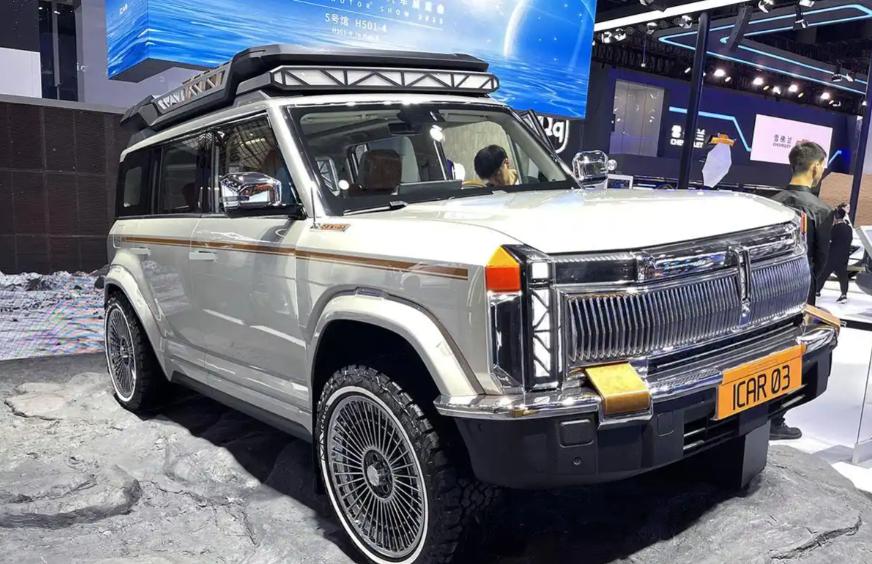
The strong entry of domestic new energy brands has become the core driving force for this transformation.
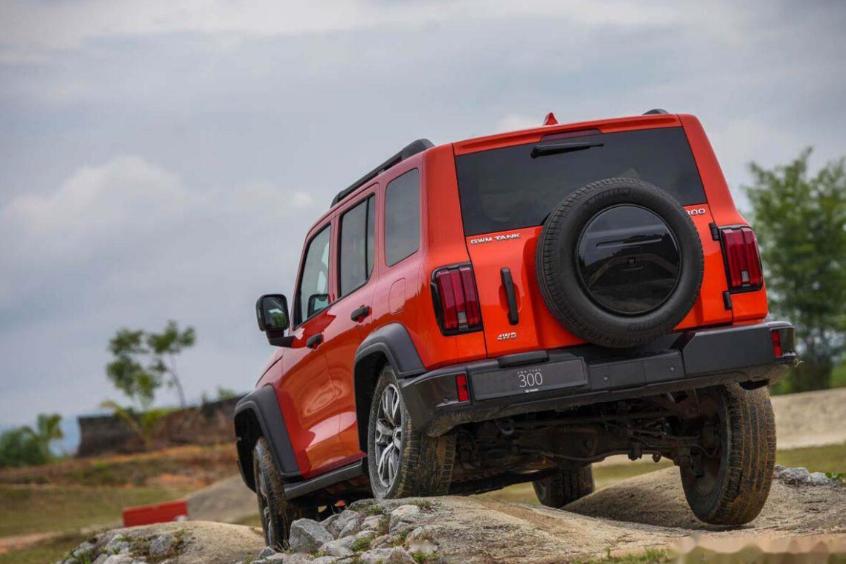
Great Wall's Tank brand took the lead in layout. From the Tank 300 to the new energy version of the Tank 500, with its "hardcore performance + affordable price," it has completely broken the monopoly of traditional fuel off-road vehicles.
Among them, the Tank 300 was sold out as soon as it was launched, making the hardcore off-road vehicle a popular model. It costs just over 200,000 yuan, which is more than half cheaper than imported fuel off-road vehicles with the same configuration, but it has more abundant configurations, including intelligent car systems and comfortable interiors. It has become the first choice for young people to play off-road.
BYD's Fangchengbao brand has emerged as a dark horse in the new energy off-road track.
Let's talk about the Fangchengbao brand first. From its official release in early June 2023 to the official release of its first model, the Baobao 5, in August, and now the Bao 8, its development speed has been quite fast.
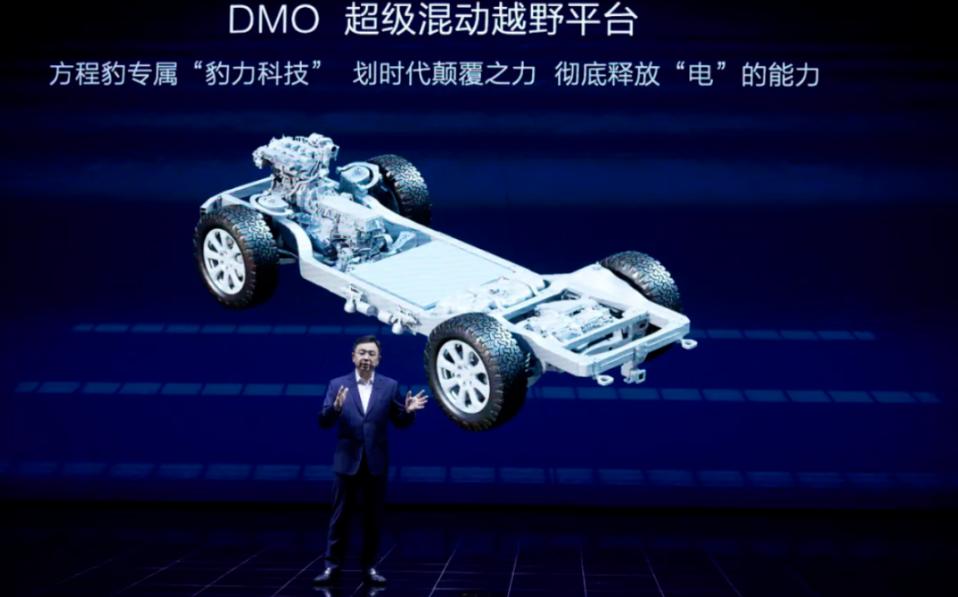
The trump card of Fangchengbao starts with its exclusive hybrid platform, DMO.
People who are familiar with BYD must be no strangers to the term DM. Similar to the DM - i and DM - p that have been mass - produced in BYD's Dynasty and Ocean models, it refers to "Dual Motor," which means "dual - mode" hybrid.
The O exclusive to Fangchengbao refers to off - road, that is, exclusive for off - roading.
In addition to these two leading brands, other new energy brands have also accelerated their layout, forming a situation of "competing heroes."
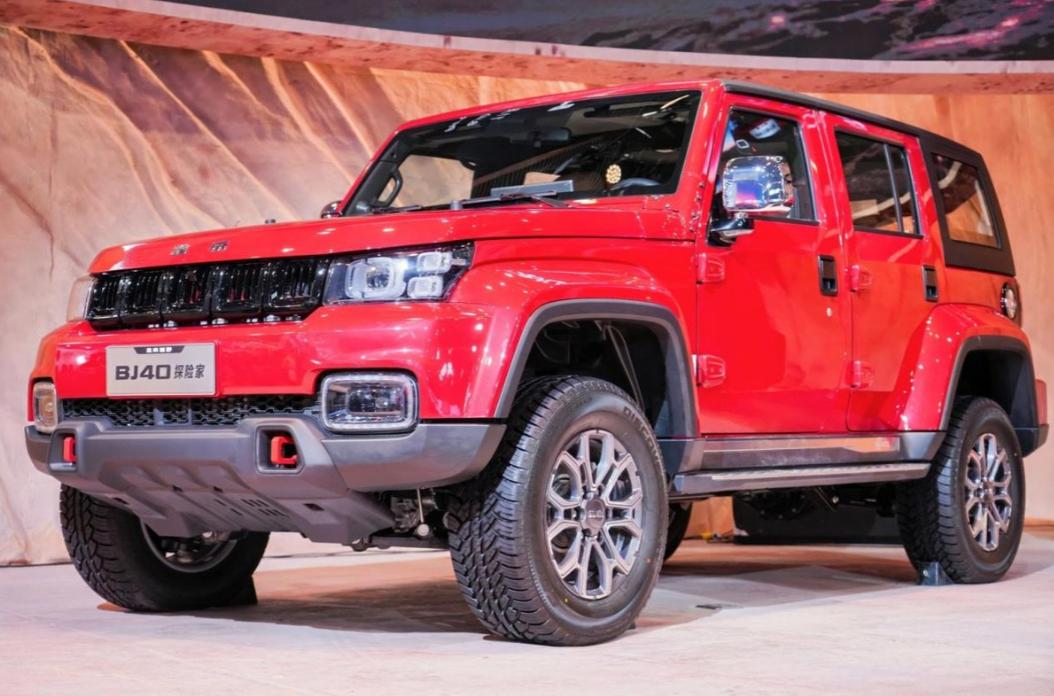
Beijing Off - Road, an established player in the domestic hardcore off - road field, has also followed the new energy trend and launched the new energy version of the BJ40. With a detachable roof and part - time four - wheel drive, it combines hardcore off - road performance with urban commuting. In 2025, the annual sales volume of the BJ40 series was nearly 67,000 units, firmly ranking in the first echelon.
The situation has become even more chaotic in 2026.
In February, GAC Trumpchi launched a high - profile global name - soliciting activity for its hardcore off - road vehicle, marking the official entry of this brand, which is good at urban family cars, into the hardcore off - road market.
On March 10th, Geely Galaxy's first technology - hardcore SUV started a global name - soliciting activity. As a flagship product positioned as an AI all - terrain hardcore SUV, it was finally named the Geely Galaxy Battleship 700.
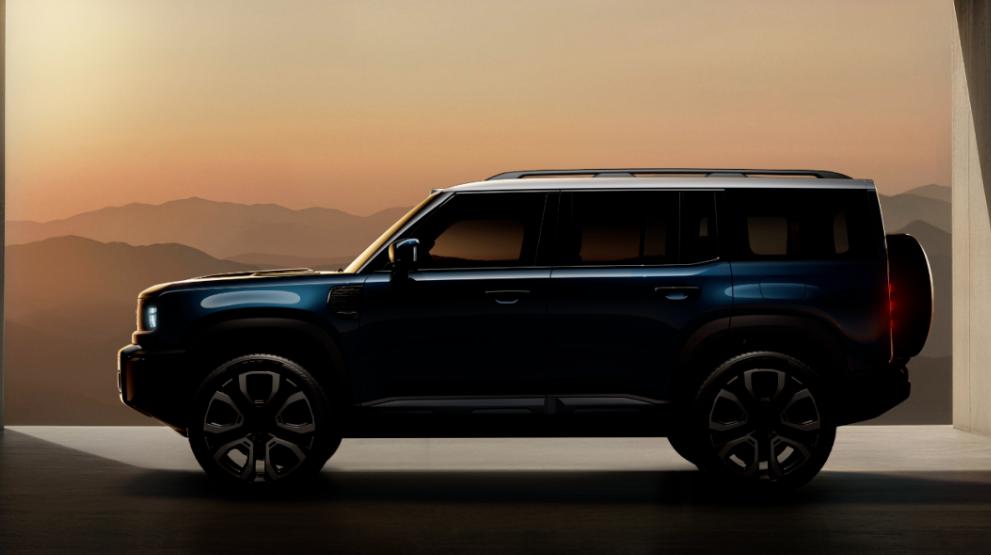
It can be seen that the conventional sedan and SUV tracks are extremely crowded, with fierce price wars and shrinking profit margins.
The hardcore off - road track, with its high technical threshold, strong brand premium, and high user stickiness, has instead become a good way for new energy brands to enter the market.
02
The era of gas - guzzling off - road vehicles should have ended long ago
When it comes to traditional hardcore off - road vehicles, the label of "gas guzzler" is unavoidable, and it is also the core pain point that has long prevented them from entering the mass market.
The core reason is that in the fuel era, in order to ensure strong off - road performance, hardcore off - road vehicles had to be equipped with large - displacement internal combustion engines. Coupled with non - load - bearing bodies, four - wheel drive systems, off - road tires and other configurations, the weight of the whole vehicle generally exceeded 2.5 tons. In addition, the high wind resistance caused by the square shape design made high fuel consumption inevitable.
How amazing is the fuel consumption of traditional fuel off - road vehicles?
Let's take a look at a set of data: The 3.6L version of the Jeep Wrangler has a fuel consumption of up to 15 - 18L per 100 kilometers on urban roads, and it even exceeds 20L under off - road conditions; the 2.7L version of the Toyota Prado has a fuel consumption of between 13 - 16L per 100 kilometers. When driving it on a long journey, the fuel cost is even higher than the toll; the 5.0L version of the Mercedes - Benz G - Class easily exceeds 20L per 100 kilometers, and after filling up a tank of gas, the cruising range is less than 500 kilometers.
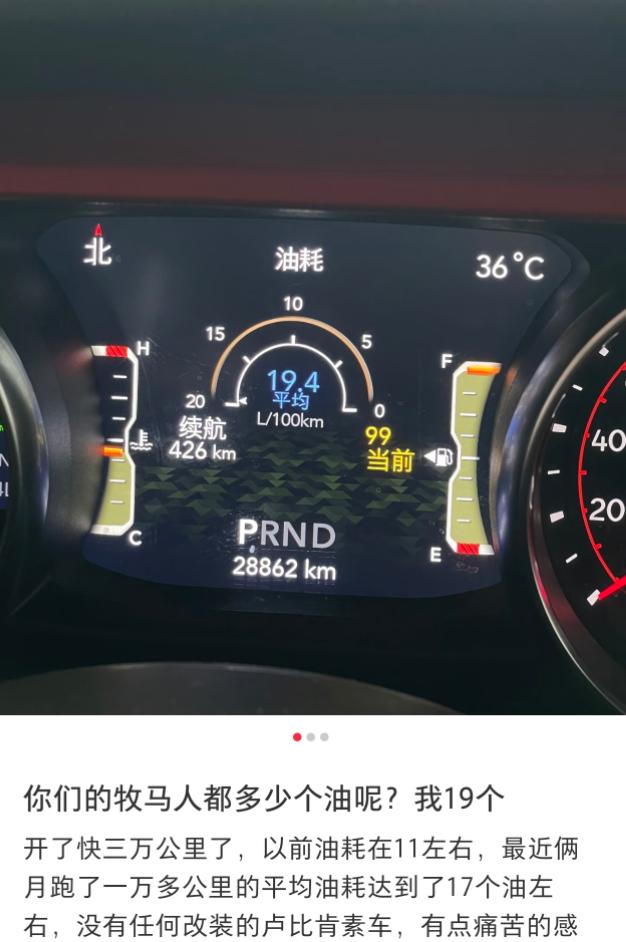
For ordinary consumers, they can afford to buy the car, but they can't afford to maintain it.
According to the current price of 8 yuan per liter for 92 - octane gasoline, a hardcore off - road vehicle with a fuel consumption of 18L per 100 kilometers will cost as much as 2,880 yuan in fuel per month if it travels 2,000 kilometers.
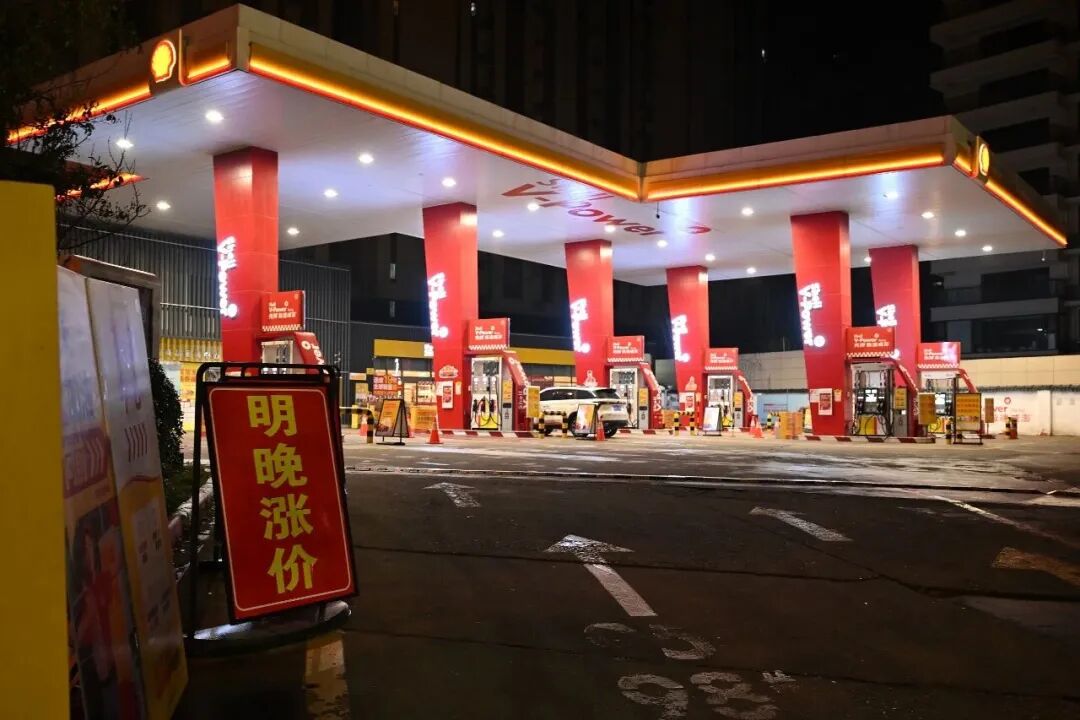
In addition to high fuel consumption, traditional fuel off - road vehicles also have many difficult - to - solve shortcomings.
In terms of power output, the peak torque of a fuel engine needs the engine speed to gradually climb, and the working conditions need to be slowly adjusted. The power output rhythm is naturally lagging, and the power output is not linear. In extreme off - road scenarios, it is difficult to achieve precise control, and it requires extremely high operating precision from the driver.
For example, when climbing steep slopes or crossing cross - axles, traditional fuel vehicles often need to sprint for momentum to break through obstacles. A slight operation error may cause the power to interrupt, the vehicle speed to get out of control, and even increase the risk of getting stuck.
At the same time, the mechanical structure of traditional fuel off - road vehicles has natural limitations. Limited by the mechanical structure, in scenarios such as narrow forest roads and small spaces for getting out of trouble, due to the large body and large turning radius, the operation difficulty is extremely high, and it is easy to scratch the body or get into trouble.

More importantly, with the tightening of global environmental protection policies, large - displacement fuel vehicles are being gradually phased out.
Countries have successively introduced timetables for banning the sale of fuel vehicles, and China is also vigorously promoting the "dual carbon" goal. The living space for large - displacement internal combustion engines is getting smaller and smaller, and the shortcoming of high fuel consumption of traditional fuel off - road vehicles has become even more prominent.
In this context, if hardcore off - road vehicles want to survive and develop, they must get rid of their dependence on large - displacement fuel engines, and the emergence of new energy technology happens to provide the optimal solution.
03
Why are there hidden opportunities in what used to be a game for the wealthy?
The arrival of new energy off - road vehicles has completely ended the era of "gas guzzlers" and at the same time achieved a comprehensive upgrade in performance.
Compared with traditional fuel off - road vehicles, the biggest advantage of new energy off - road vehicles (pure electric, plug - in hybrid, extended - range) is low fuel consumption and low vehicle usage cost.
Plug - in hybrid and extended - range models can run on pure electricity for short trips in the city, with a cost of only a few yuan per 100 kilometers for electricity. For long - distance off - road trips, they can use a combination of gasoline and electricity, and the comprehensive fuel consumption per 100 kilometers is generally controlled within 8L or even lower.
The comprehensive fuel consumption per 100 kilometers of the Fangchengbao Baobao 5 is only 5.9L, which is more than half less than that of traditional fuel off - road vehicles; pure electric off - road models, although relying on charging, only cost 10 - 20 yuan per 100 kilometers for electricity, and the vehicle usage cost is extremely low.
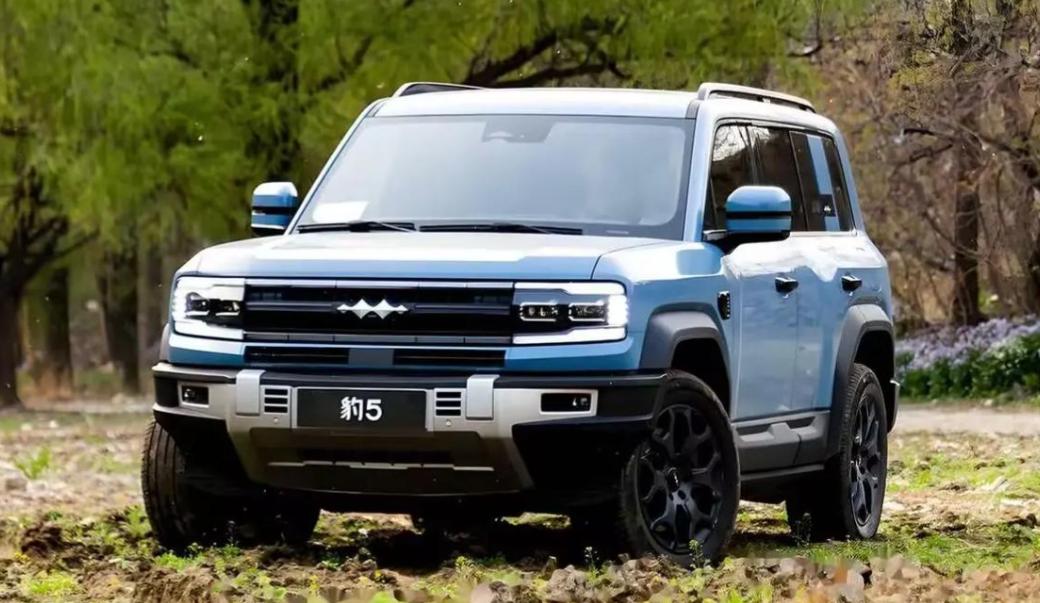
In addition to low fuel consumption, the power performance of new energy off - road vehicles far surpasses that of traditional fuel off - road vehicles.
Electric motors are naturally kings of instantaneous torque. In core scenarios such as extreme climbing and getting out of a stuck vehicle, new energy off - road vehicles do not need to deliberately sprint. They can continuously and linearly output stable traction by driving slowly and steadily.