Apple, which has "become Toyota", has sold like hotcakes again. Who is scolding while buying?
Looking back at the 50th anniversary, Apple is no longer the disruptor and revolutionary it used to be. Nor is it the symbol of status, income, and social class that one had to “sell a kidney” to own when it first entered the Chinese mainland market.
Today, Apple is more like the Toyota of the tech world: no longer a capital for showing off, nor a filter for social class. With the booming development of domestic tech products, Apple products have shed their aura and become stable, durable, worry - free, and value - retaining tools. Maybe they are not amazing or radical, but they are reliable and amiable enough.
On April 1, 2026, Apple turned 50.
Beyond the global hot discussion, a contradictory situation emerged. On one hand, there were full - network complaints about the iPhone 17 series, such as easily scratched frames, slow charging, poor signal, and ugly design, saying that Apple was no longer at the forefront. On the other hand, the sales of the iPhone 16 set a new record, and Apple still dominated the high - end market share.
50 years ago, when Steve Jobs and his partners assembled the Apple I in the garage, they probably couldn't have imagined that this company would transform from a world - disrupting revolutionary into a large, conservative but stable business empire. And Apple phones couldn't have imagined that against the backdrop of the strong rise of Chinese brands, their once “sell - a - kidney - to - buy” social class label has now become the “Toyota of the tech world” known for durability, worry - free use, and value retention.
While people complain about its lack of progress, they still vote with their wallets. Although they scold, they still buy. Apple is still a good brand.
01
The Dilemma in the Post - Jobs Era
Steve Jobs once said, “Consumers don't know what they want until we show them our products. Then they will find that this is what they need.” After his death, Apple's product iterations have become more conservative. The gap between users' expectations and the actual updates has led to continuous complaints.
However, the situation in 2025 seems particularly severe. This time, Apple's dilemma is no longer limited to the iPhone but has spread to all its product lines.
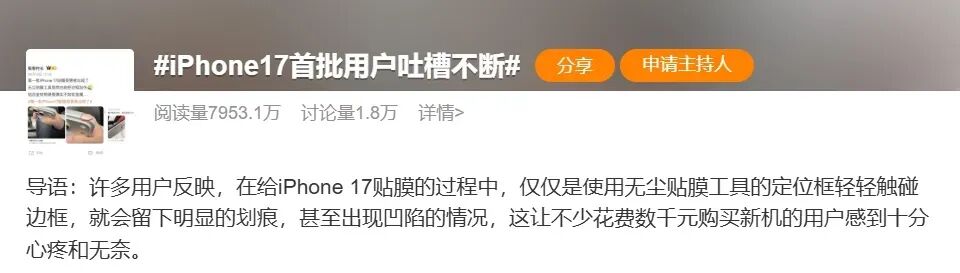
Users' complaints about the new iPhone hit the Weibo hot search list. (Photo/Weibo screenshot)
The most criticized change in the iPhone 17 series is replacing the titanium frame with an aluminum - alloy one. Although Apple claims that this is to improve heat dissipation and reduce weight, the embarrassing situation where the display machines in many stores around the world showed obvious scratches within a few hours of the product launch once pushed Apple into the storm center of negative reviews. Some users reported that when applying a screen protector to the phone, simply touching the frame gently with the positioning frame of the dust - free protector left obvious scratches or even dents.
Apple's customer service responded that “the aluminum - alloy material is relatively soft, and scratches during use are normal wear and tear,” and suggested that users “use a protective case.” This response sparked ridicule on social media. People spent nearly ten thousand yuan on a phone, but it got damaged right at the launch, and they were told that “this is normal.”
If the material issue is something new, then the “old three” problems of battery life, charging, and signal have been the pain points that iPhone users complain about every year.
The standard version of the iPhone 17 has a battery capacity of only 3692mAh, and heavy users need to charge it twice a day. It still takes 78 minutes to fully charge with a 40W wired charger, which is like a configuration from the previous era compared with the Android camp's fast - charging technology of over 100W. The signal problem still hasn't been substantially improved. In scenarios such as elevators and underground garages, the performance of the iPhone 17 is significantly inferior to that of domestic flagships like Huawei.
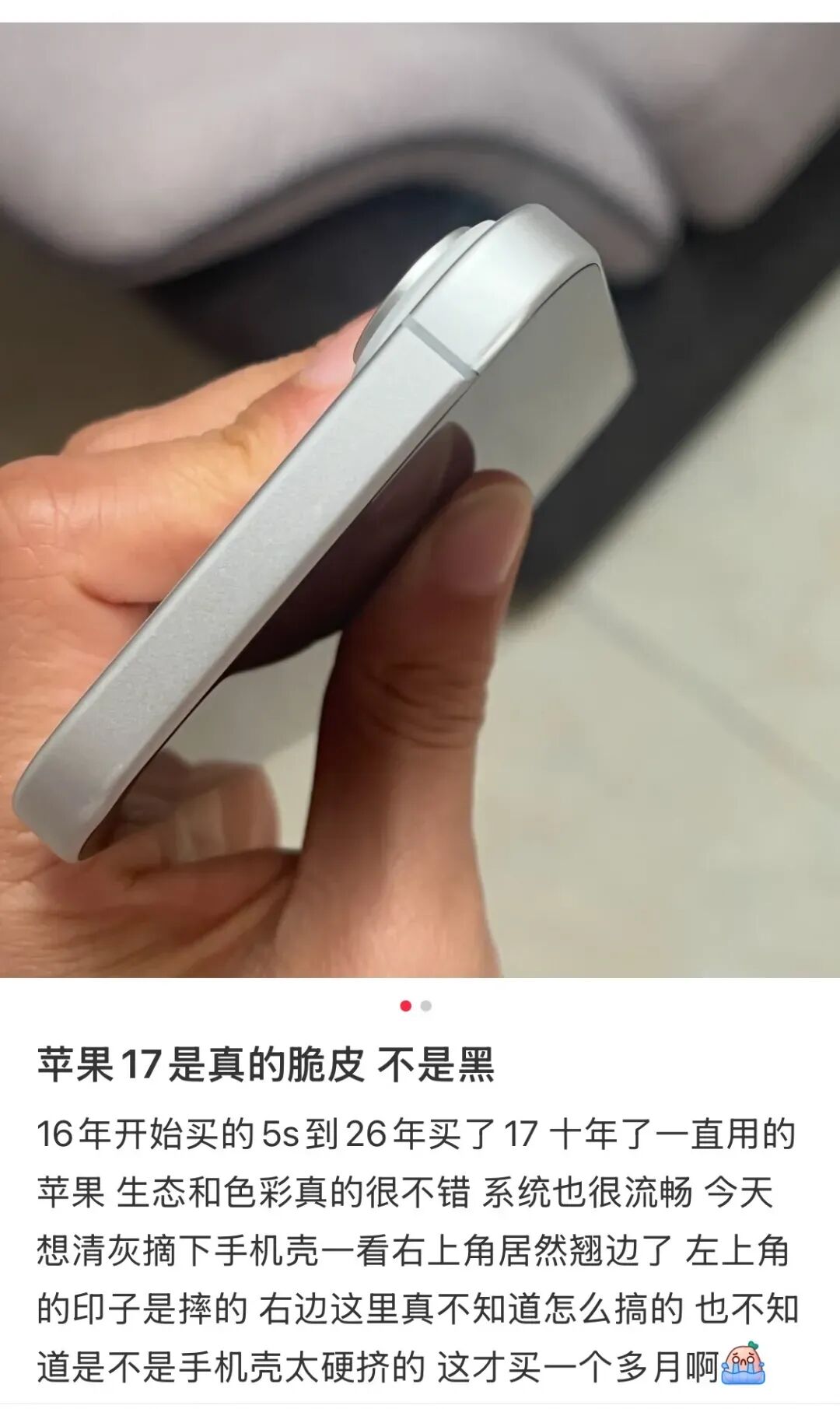
The iPhone 17 is accused of being “fragile.” (Photo/Red Book)
What makes users even more dissatisfied is the memory configuration. Although the standard version of the iPhone 17 is equipped with the A19 chip, the gap in running memory leads to more frequent background app closures during multitasking. Some industry insiders said bluntly, “8GB of RAM is a mid - range phone configuration in 2025, but Apple 'precisely cuts' it on its flagship starting at 5999 yuan.”
The new horizontal through - type camera bar design of the iPhone 17 Pro series has been criticized by many as “looking like a thousand - yuan Android phone.” The thinnest iPhone 17 Air in history has gone to the other extreme. Its extreme thinness of 5.6mm comes at the cost of sacrificing battery life and camera configuration.
In the smartwatch field, Apple still leads globally, but its advantage is shrinking rapidly.
In December 2025, a report released by Counterpoint Research showed that China has become the most crucial growth engine in the global smartwatch market, and three of the world's top five brands are from China.
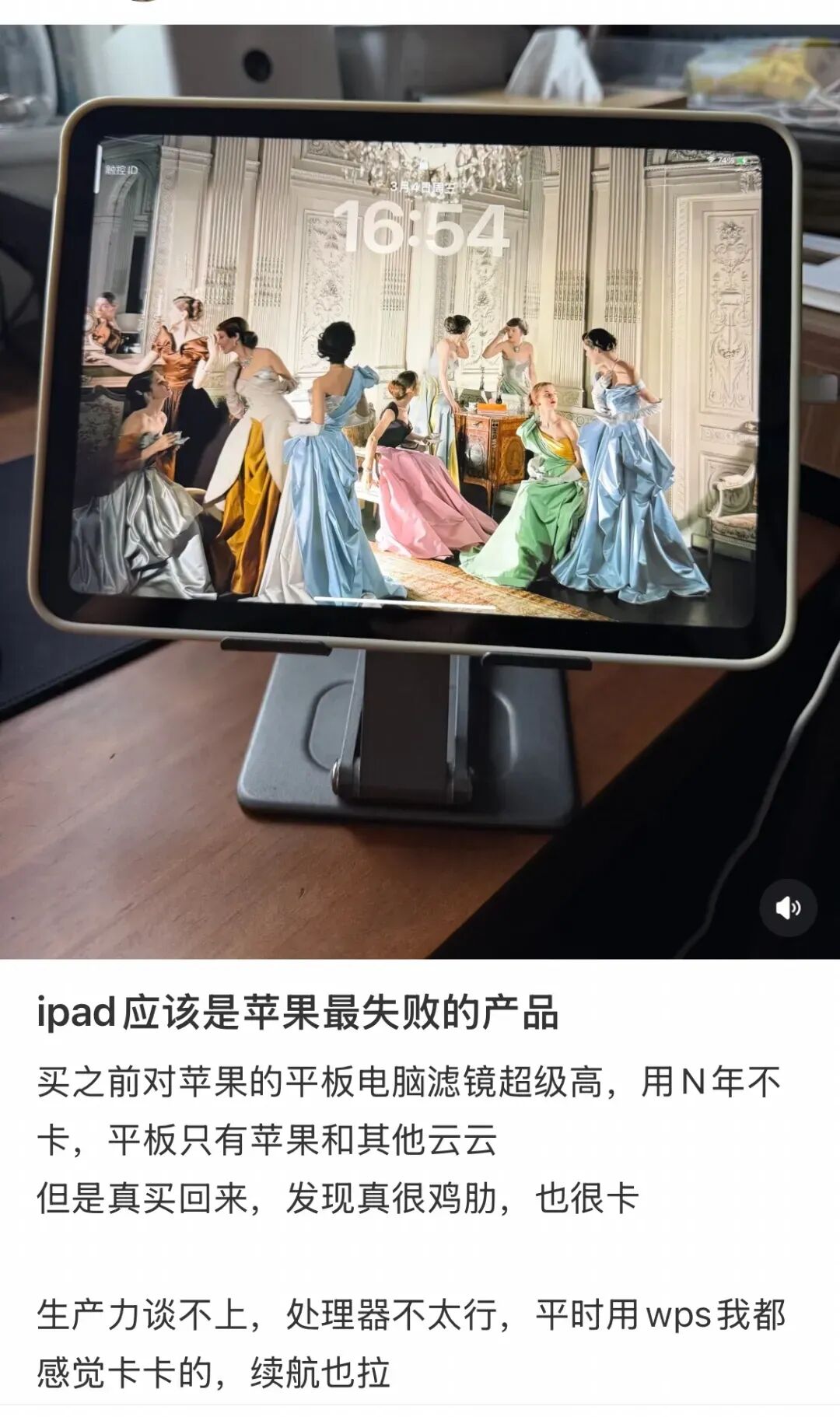
The iPad has been criticized. (Photo/Red Book)
The market performance of the iPad is also not optimistic. Although Apple still led the global tablet market with a 37.3% market share in the first quarter of 2025, in China, a key battlefield, the rising domestic brands are constantly eroding Apple's high - end market share.
02
Complaining but Still Buying
Strangely enough, despite the continuous complaints, Apple's business performance remains strong.
Counterpoint data shows that the iPhone 16 was the world's best - selling model in 2025, and Apple occupied seven of the top ten best - selling models globally. Data from the first half of 2025 showed that in the high - end price segment of over 6000 yuan in the Chinese market, Apple's share reached 65.81%, far exceeding the sum of other brands.
On the other side of sales is user loyalty. It is reported that Apple's user loyalty has dropped from 94% in 2021 to 89% in 2025. However, against the backdrop of the average retention rate in the smartphone industry being far below 70%, this is still the highest level in the industry, meaning that nearly 9 out of 10 iPhone users will continue to choose Apple when changing phones.
Knowing its shortcomings, why do so many “Apple fans” still stick with it?
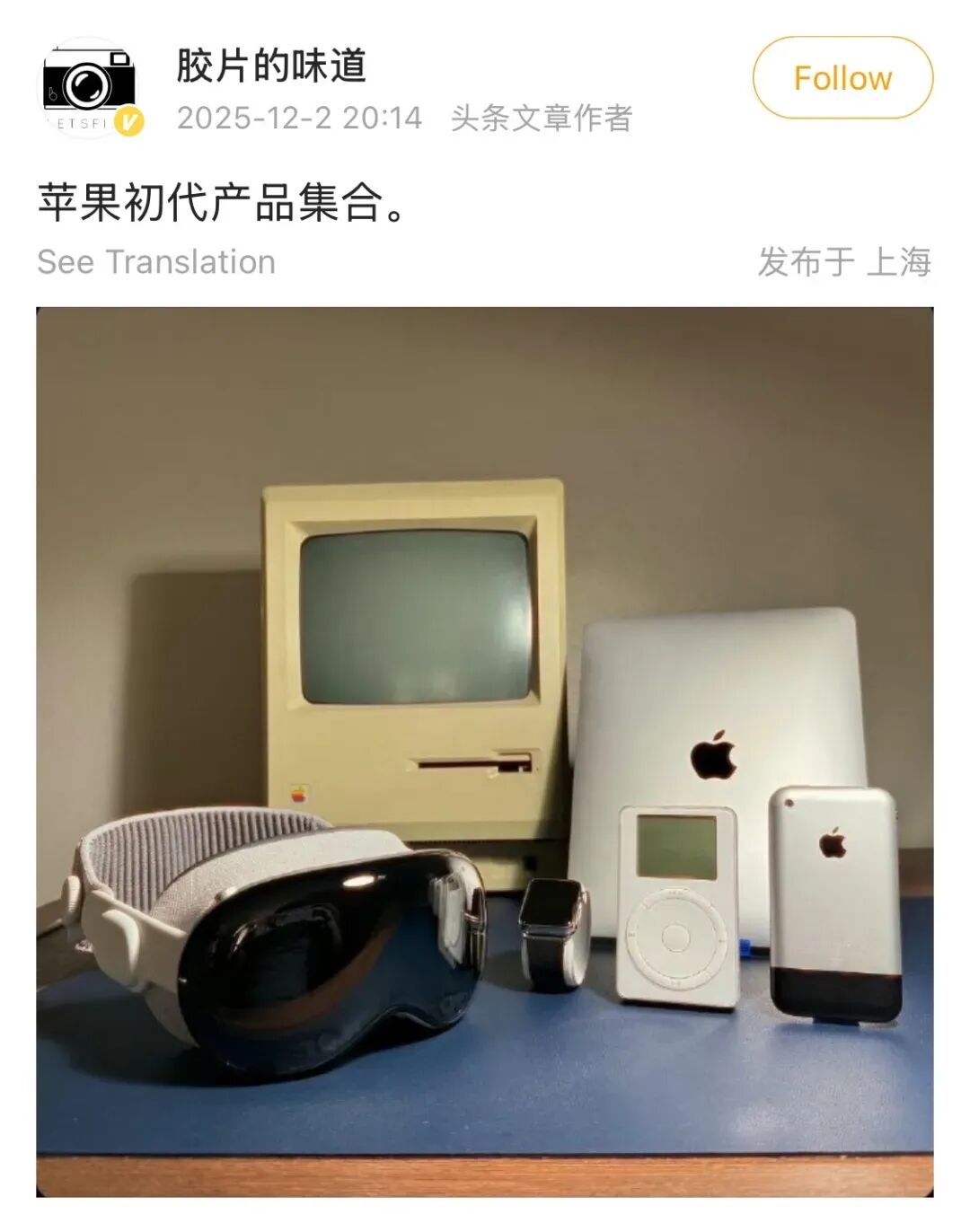
Many people's first Apple product was the iPod. (Photo/Weibo)
Maggie, 37 years old, spent her high - school and college years in Australia and North America. Her first Apple product was the iPod, then the white MacBook, and she has been using the iPhone ever since. The reason she hasn't switched to other brands is the same as most people's: “I'm used to it and too lazy to adapt to a new system.” And this choice is inseparable from the strong stability of this system.
Even the 16GB iPhone 7 purchased in 2017 still provides a smooth basic experience today. After clearing the memory, it can easily upgrade the system and apps. In contrast, some Android flagships often experience slow app launches and frequent background closures after two years of use.
In the second - hand market, an iPhone still has a considerable residual value after two years of use. Its value retention rate is significantly higher than that of most Android models at the same price, resulting in a lower overall cost of use. Therefore, the stable Apple products have not only changed people's consumption concept of electronic products - no longer needing to replace them frequently - but also created invisible economic benefits for users.
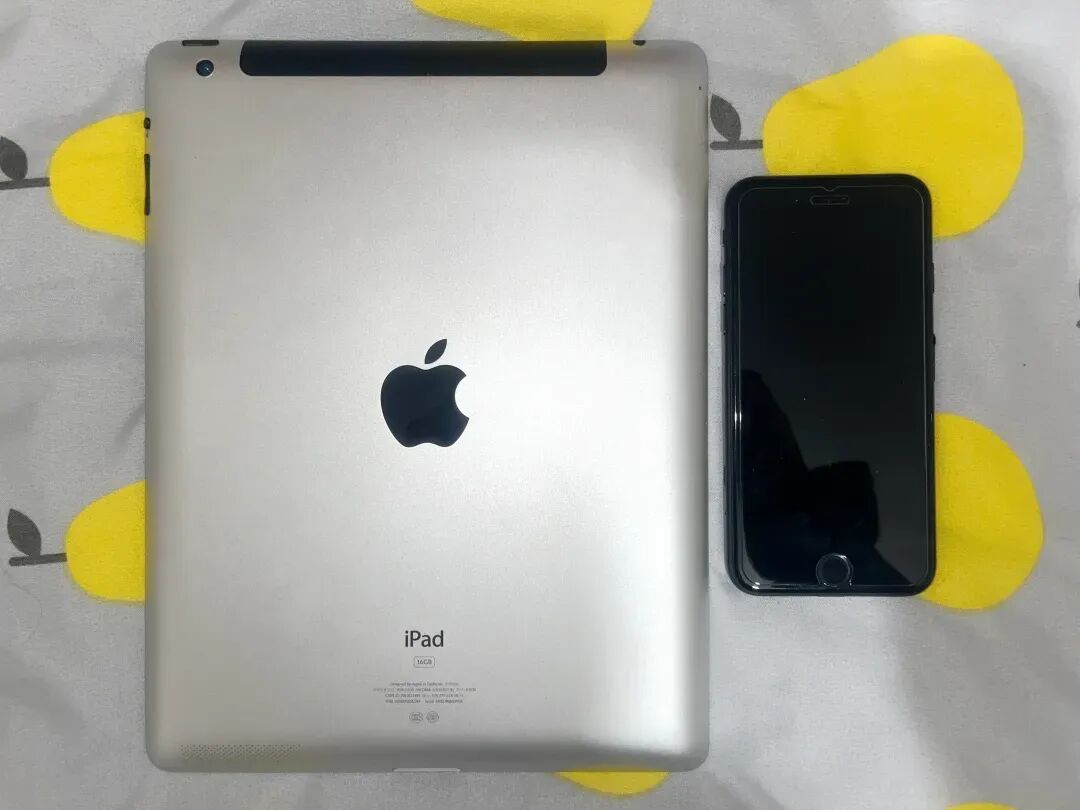
The reporter's old - fashioned iPad and iPhone 7 still work smoothly.
Many people still insist on using Apple phones because it is synonymous with “safety and reliability.” Although Apple has also faced controversies over data leakage and backdoors in recent years, data security issues have become a common phenomenon in the mobile phone industry. The Android camp also has various privacy leakage risks. In contrast, Apple's historical reputation in privacy protection makes many users feel at ease.
Looking deeper, the reason why people don't leave is the strong stickiness brought by the Apple ecosystem.
Nisa will never forget the afternoon when she first experienced “AirDrop.” On the MacBook screen, photos were flashing rapidly. With a “ding” sound from the iPhone beside her, several gigabytes of photos were transferred.
“Not only AirDrop, but iCloud is also very convenient,” Nisa recalled when she first switched from an Android phone to an Apple phone. Those efficient and lightweight functions that complete data transfer and storage in the “cloud,” as well as the interconnected ecosystem, were like a new world, constantly creating surprises.
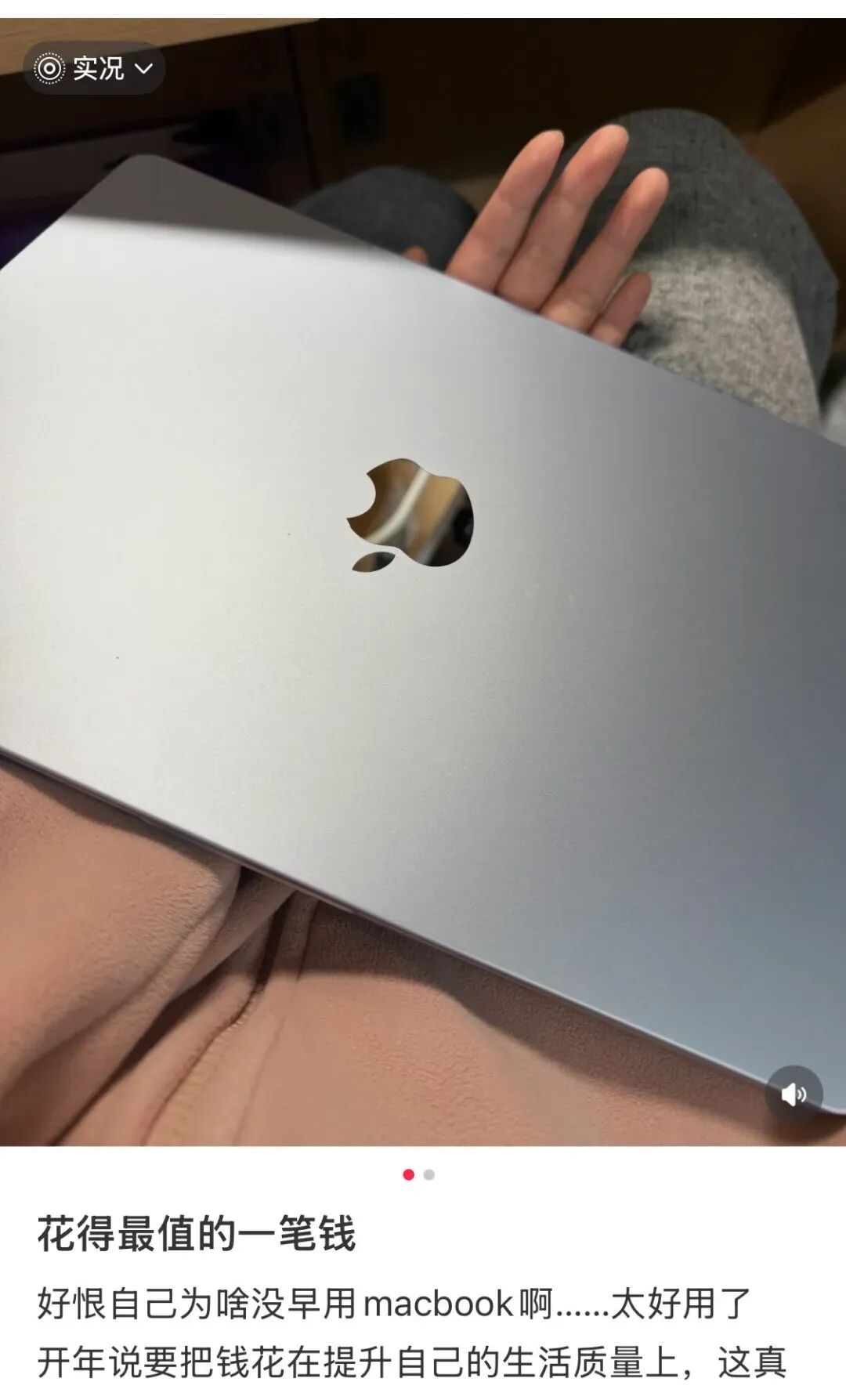
Apple has launched many pioneering and “useful” functions. (Photo/Red Book)
Equally amazing is Siri, the voice assistant that debuted in 2011 and was the world's first modern digital virtual assistant, inspiring Amazon Alexa and Google Assistant later.
It's no exaggeration to say that these epoch - making functions not only defined industry standards but also cultivated a generation of users' expectations for a seamless interconnected experience. However, the ecological barriers built by these standards are being continuously broken by domestic manufacturers.
03
From Status Symbol to Reliable Companion
Now, more and more domestic brands, such as Xiaomi, OPPO, vivo, and Honor, have successively launched cross - brand interconnection functions, enabling file transfer and photo sharing with iPhones. Huawei's HarmonyOS continues to improve cross - device collaboration capabilities, and the interoperability between devices has been significantly enhanced.
As a result, we can see that a large number of users have entered a “hybrid ecosystem”: combinations such as using both Android and iPhone, pairing a Mac with other devices, and using an Apple Watch with an Android phone are increasing. However, Apple products are still the main devices, and some of their core values are still difficult to be completely replaced.
What's even harder to change is our habits and the foundation of our technological cognition.
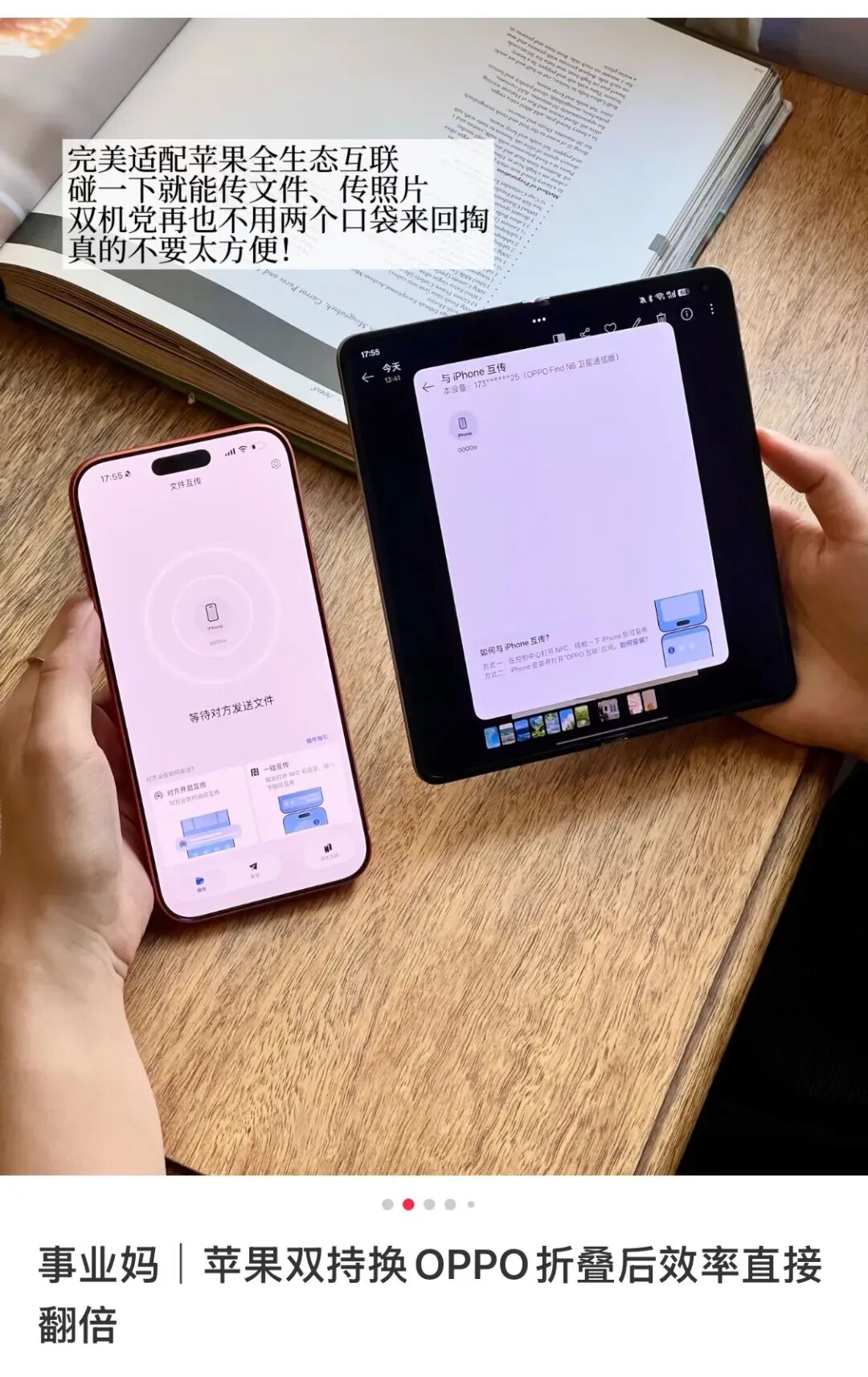
Interconnected ecosystems are no longer Apple's exclusive. (Photo/Red Book)
From iTunes to the App Store, from iCloud to Apple Pay, the digital service ecosystem built by Apple has become the “infrastructure” of many people's daily lives. Your photos, documents, health data, and payment habits are all stored in Apple's ecosystem.
This deep - seated binding creates a sense of belonging. Even if you know that Android phones are better in some aspects, the migration cost makes you choose to stay. Young users, especially Generation Z, are more accustomed to Apple products in all aspects.
Different from the older generation of consumers who are easily driven crazy by the MacBook's trackpad, the new generation of consumers' first electronic device was the iPad, their first phone was the iPhone, and of course, they use a Mac as their computer. For them, Apple is not a choice but a default lifestyle. This usage habit cultivated from a young age shapes the foundation of their technological cognition.

For the new generation of consumers, Apple is not a choice but a default lifestyle. (Photo/Fighting Through Life)
A junior high - school “Apple fan” said, “I like Apple's advertising creativity.” This recognition of brand marketing just shows that imagination has always been Apple's secret weapon.
From the “Think Different” campaign in 1997, to the classic advertisements of the iPod series in 2003 that combined silhouette dancers with popular music, to the Spring Festival short film shot with the iPhone 17 Pro on the eve of the Spring Festival in 2026, Apple has repeatedly demonstrated its outstanding marketing ability: integrating technology and emotions, and endowing products with temperature and symbolic meaning.
Einstein once said, “Imagination is more important than knowledge, because knowledge is limited, while imagination encompasses everything in the world.” The iPhone, which was born in 2007, is such an “encompasser.”
Disruptive innovations such as touch - screen interaction, app stores, and mobile Internet “encompass” our expectations for tech products; the combination of rounded rectangles, glass, and metal, and the pure system interface “encompass” our imagination of the design aesthetics of tech products; the price of five or six thousand yuan “encompasses” our acceptance of paying for innovation, brand, and experience.
