Is Ice Bock in milk tea the "new battlefield" among dairy companies?
You may not be clear about what Ice Bock is, but you must have heard of popular tea drinks like Youlan Latte, Ice Bock Thick Milk Boba, and Nine - Infused Jasmine Cloud - Topped Tea... These are the "star products" of leading tea and beverage brands.
Behind their smooth and mellow taste stands a refrigerated purified milk product - Ice Bock.
Now, this business has caught the eye of an established local dairy company.
Recently, Sanyuan Co., Ltd. issued an announcement stating that it will jointly acquire a portion of the equity of Shanghai Biru Food Co., Ltd. (hereinafter referred to as "Biru Food") with its affiliated party, Gongqingcheng Ruxing Investment Partnership (Limited Partnership), and conduct a cash capital increase. In this transaction, Sanyuan Co., Ltd. plans to invest 104 million yuan. After the transaction is completed, it will hold 42% of the equity in Biru Food. Sanyuan Co., Ltd. will become the second - largest shareholder of Biru Food, with a shareholding second only to the founder, Li Jiankang.
Biru Food is mainly engaged in the R & D, production, and sales of dairy products. Its main products include "Ice Bock" and "Butter Milk", and it is a supplier to many chain coffee and tea brands.
With Sanyuan Co., Ltd.'s substantial investment, the future development of Biru Food may undergo changes. What kind of ripples will this "marriage" between an established dairy company and a benchmark supplier in a niche market create in the already turbulent dairy deep - processing market?
Business Focus and Sufficient Cash: Sanyuan Co., Ltd. is Playing a Big Game
Regarding this transaction, Sanyuan Co., Ltd. stated that "it is in line with the company's strategic plan and is beneficial for the company to further integrate resources and strengthen its catering business."
Looking at Sanyuan Co., Ltd.'s business operations in recent years, investing in Biru Food is also a side aspect of adjusting its business structure.
From 2016 to 2021, Sanyuan Co., Ltd. acquired 90% of the shares of Ailaifax (and completed the final acquisition in 2024, now fully controlling it); jointly acquired France's St Hubert with Fosun, and entered the plant - based spread business; it also acquired Shounong Animal Husbandry and entered the livestock industry.
However, since 2022, Sanyuan Co., Ltd. has gradually divested non - core assets, including no longer consolidating the financial statements of SPV Luxembourg, the shareholder of France's St Hubert, and transferring the equity of Shounong Animal Husbandry.
While focusing on its business, the management of Sanyuan Co., Ltd. is also being renewed. In June 2025, Sanyuan Co., Ltd. announced the appointment of 41 - year - old Chen Haifeng as the company's general manager, replacing 57 - year - old Tang Hong.
Public information shows that this new leader has held senior management positions in Procter & Gamble, Johnson & Johnson, Feihe, and JD.com, with a background in consumer goods, e - commerce, and the dairy industry. After taking office, Chen Haifeng determined the reform idea for Sanyuan Co., Ltd.: Focus on Beijing and deeply cultivate the low - temperature market.
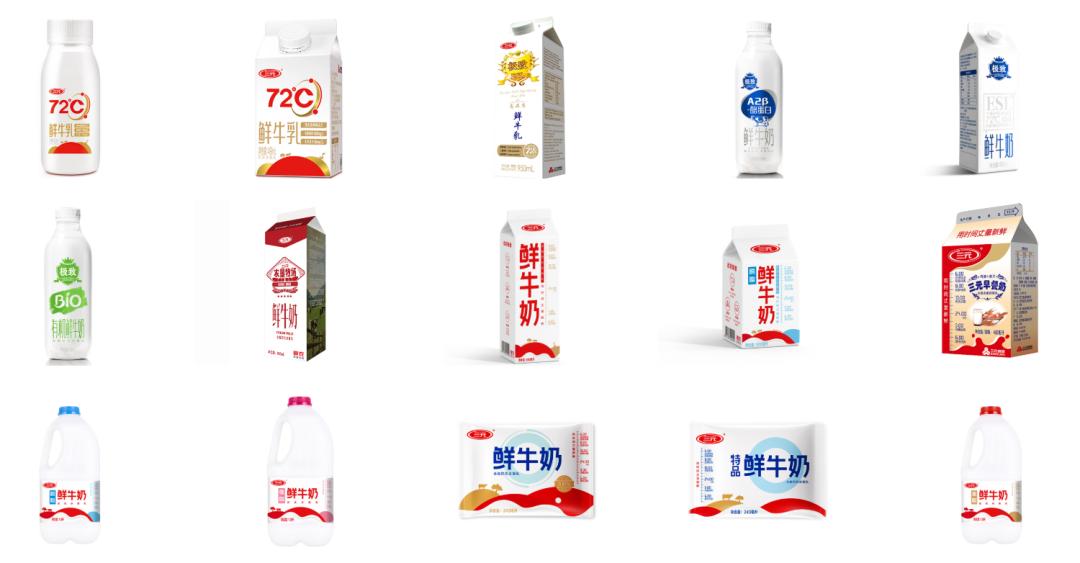
△ Image source: Sanyuan Co., Ltd. official website
Investing in Biru Food is also the first acquisition move after Chen Haifeng took office, reflecting Sanyuan Co., Ltd.'s strategic deliberation.
After all, in Sanyuan Co., Ltd.'s business segments, the ice - cream business has the highest gross profit margin, reaching 31.05% (financial data disclosed in 2024), and ice - cream is one of the important application scenarios for Ice Bock. Biru Food's main product, Ice Bock, as a refrigerated purified milk, also falls into the category of low - temperature milk.
What's more attractive is that Biru Food has opened up B - end channels in the tea and coffee industries. Public information shows that Biru Food serves tea and coffee chain brands such as CoCo, Cha Baidao, Yulian Tea House, Nayuki, and Cha Yan Yue Se. With the help of Biru Food's channels, Sanyuan can increase the application scenarios of its existing low - temperature fresh milk and cheese products and expand its B - end business.
Objectively speaking, Sanyuan Co., Ltd.'s monetary funds are very stable, and it has the ability to seek potential growth points. Qichacha shows that Sanyuan Co., Ltd. holds 50% of the shares of Beijing McDonald's Food Co., Ltd., and the investment income from this in 2024 was as high as 234 million yuan, more than four times the net profit of that year.
Sanyuan Co., Ltd., with a clear strategy, focused business, and sufficient cash, has made a crucial move.
What's the Background of the Ice Bock Benchmark?
In fact, this is not the first time Biru Food has attracted the attention of capital.
Qichacha information shows that Biru Food was established in 2014. It is a dairy company jointly established by Chinese and Czech expert teams. Relying on its technological advantages, it quickly became the leader in the domestic Ice Bock market.
In 2018 and 2020, Biru Food received investments from Bozhong Capital and Challenger Capital respectively. The latter was founded by Tang Binsen, the founder of Yuanqi Forest. Xuechuan Food, Buhuochuangtou, and Yuanyi Investment also joined the shareholder list one after another.
During this period of capital investment, it was also a period of rapid integration between Ice Bock products and the Chinese tea market.
Ice Bock can be simply understood as "purified milk". Compared with ordinary milk, it has a higher content of milk protein and calcium, less water content, and a natural sweet flavor from lactose. When making milk tea, adding Ice Bock can reduce the use of syrup, lower the calorie of milk tea, and at the same time increase the mellow taste and a sweet - salty flavor similar to cheese.
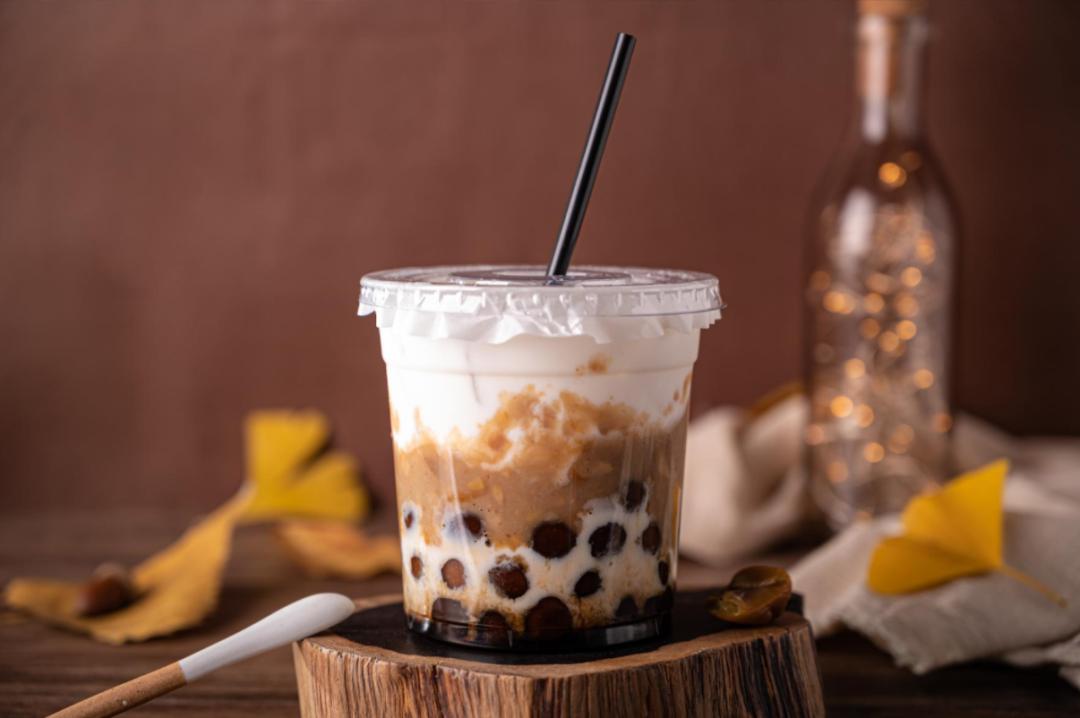
△ Image source: Tuchong Creative
For the Chinese market, "membrane - filtered purified milk" is not a new thing. Fairlife, a milk brand once highly expected by Coca - Cola and Mengniu, failed to attract C - end consumers due to its high price and limited product range and eventually left the market.
Although Biru Food is called the "Chinese version of Fairlife", it chose to avoid the liquid milk war in the retail market. By cooperating with boutique coffee shops and tea brands, it gradually cultivated the market taste and also avoided direct competition with brands like Mengniu and Yili.
However, Biru Food is not satisfied with this.
The Red Meal Supply Chain Guide noticed that at the end of December last year, there was a change in Biru Food's business scope, adding "food production; dairy product production; beverage production". Subsequently, it registered a series of related trademarks, including "Biru Afa" (convenience food), "Gama" (food), "Nai Fu Coffee" (catering and accommodation), "Biru befood" (food, advertising and sales), etc.
According to the product pictures provided by the official customer service on April 1st, the entrusted manufacturers of Biru Food's "Ice Bock Purified Milk" are Inner Mongolia Shenniu Yunhai Dairy Co., Ltd. and Shandong Junjun Cheese Co., Ltd. Information released by the self - media "Caixin Tuya" in 2021 showed that the contract manufacturer of this product was Ningxia Saishang Dairy Co., Ltd. This shows that Biru Food needs stable contract manufacturing from dairy companies, and as its sales volume and product categories expand, this demand gap becomes more prominent.
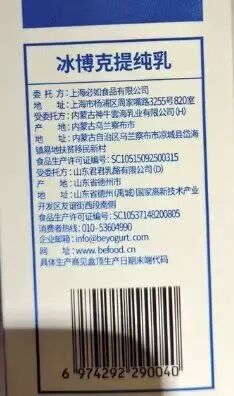
△ Image source: Taobao Ice Bock flagship store
Sanyuan Co., Ltd. can just fill this gap. The financial report shows that Sanyuan Co., Ltd. has two industrial parks in Beijing and Hebei. In 2024, its actual production capacity in the dairy processing business was 714,300 tons. It also has differentiated milk sources such as A2, melatonin, and organic milk, which can provide production capacity support for Biru Food.
The Next Big Thing in the Dairy Industry
Being optimistic about deep - processed dairy products represented by Ice Bock is not only the individual choice of Sanyuan Co., Ltd. but also a signal for the next stage of development in the dairy industry.
In recent years, affected by weak consumer demand, dairy products, as basic consumer goods, are experiencing the pain of adjustment after rapid expansion.
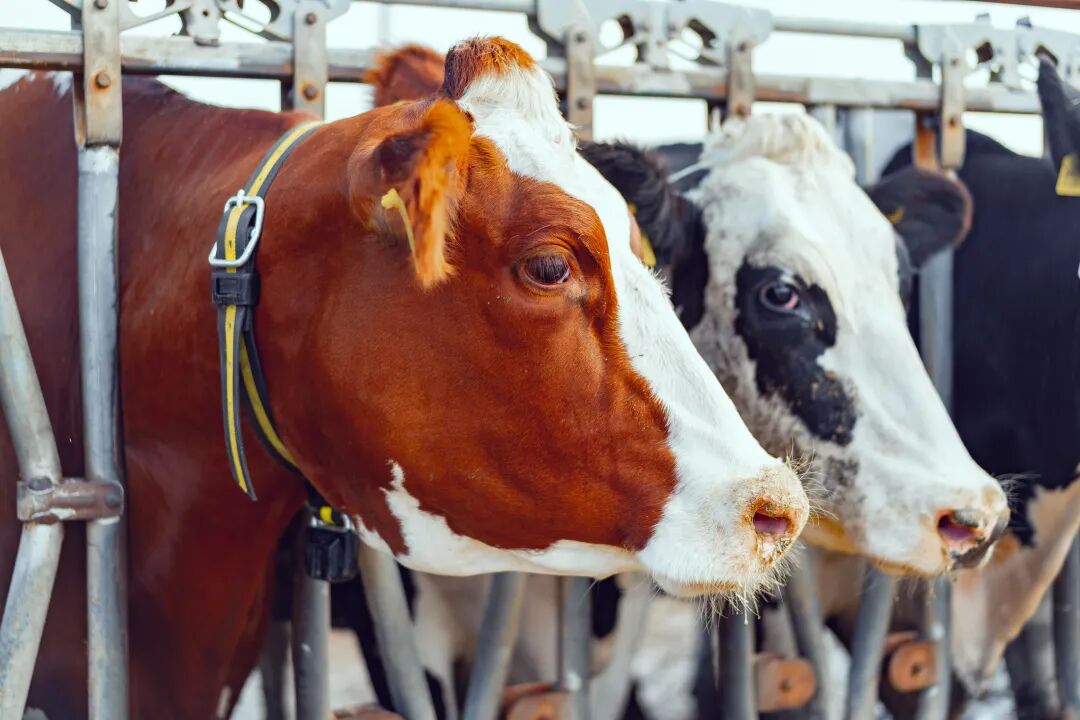
△ Image source: Shetu.com
The most typical manifestation is the widespread "milk powder spraying", which means using high - pressure spraying to dry raw milk that is not for immediate sale into milk - based powder. "In the past, milk powder spraying was a stop - gap measure during the off - season after the Spring Festival, but now it has become a daily routine even in the peak season." Song Huiting, the chairman of the company to which Jiangsu Jiahui Pasture belongs, once told the self - media "Zongheng Dairy Industry".
In addition to milk powder spraying, the sharp decrease in the number of large - scale pastures and "killing cows to stop losses" have also often made the news in recent years.
Because there is too much cheap raw milk.
According to the analysis of "Dairy Economic Observation", the scale of China's upstream dairy industry has now reached the top five in the world, and the milk price and cost have dropped to a low level globally. This means that the competition in the domestic market can easily fall into the embarrassing situation of "no one making money".
However, in contrast to the low price of liquid milk, the deep - processed dairy product business is growing rapidly, and the import dependence of these products is still very high.
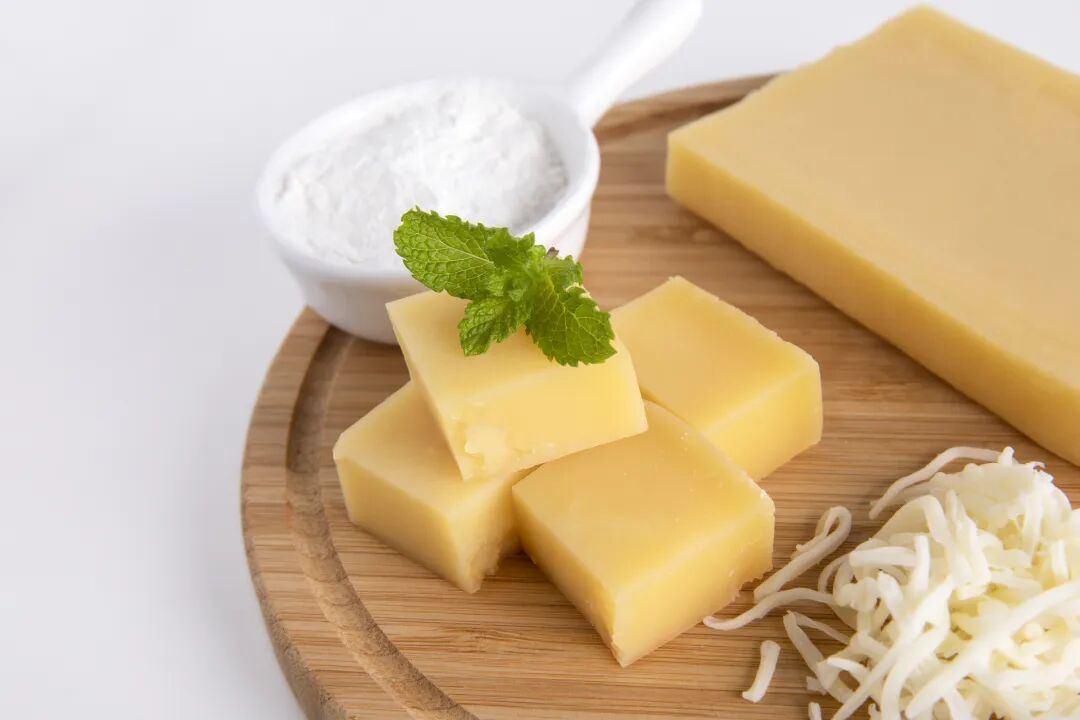
Especially in the cheese, butter, and light cream categories widely used in the B - end market, they have achieved relatively fast growth. The Red Meal Industry Research Institute estimates that the Chinese baking, Western fast - food, coffee beverage, and tea industries are maintaining relatively fast growth, with a CAGR of 3.9%, 8.5%, 22.6%, and 10.5% respectively from 2020 to 2025. Dairy products such as butter, light cream, cheese, and Ice Bock are essential for the above - mentioned markets and are also the breakthrough points for dairy companies to seek new growth.
△ Image source: Shetu.com
Leading dairy companies such as Yili, Mengniu, and Bright have also successively launched cheese, cream, and membrane - separated protein production lines, diverting the "sprayed - powder" raw milk to butter, mozzarella, and whey powder, significantly increasing the gross profit margin of their products.
The milk deep - processing project ("Milk Cube Project") invested 1 billion yuan by Mengniu was successfully put into production in January this year. The products cover milk fat, cheese, and milk protein categories, turning high - quality Inner Mongolian milk into high - end products such as lactoferrin and natural cheese;
Yili's natural mozzarella cheese production line was officially put into production in March this year, with an annual output of 10,000 tons. The main product is mozzarella cheese shreds, mainly packaged in 3 - kg specifications, targeting the B - end catering channel. In the future, customized packaging will also be developed according to customer needs;
Going further back, in June last year, Feihe Dairy and the established baking listed company Ligao Food jointly established Heli (Inner Mongolia) Dairy Company, using the milk fat by - products generated in Feihe's production process as raw materials for Ligao, achieving synergistic complementarity in the industrial chain.
Dairy giants are trying to break through for new growth with more diverse product forms and richer application scenarios. Sanyuan Co., Ltd.'s investment in Biru Food is just a microcosm of this wave.
This article is from the WeChat official account "Red Meal Supply Chain Guide", author: Red Warehouse Supply Chain Guide. Republished by 36Kr with permission.