Dialogue with Dow: The next ceiling of smart cars lies in the invisible materials.
Have you ever wondered how much of the thousands of TOPS computing power highlighted at car manufacturers' press conferences can actually be utilized?
A rarely mentioned fact is that no matter how high the computing power of a chip is, if the heat cannot be dissipated, it needs to "downclock" to protect itself and cannot reach its maximum performance. When stuck in traffic on an elevated road in summer, the operation of the central control screen starts to lag, the voice assistant responds half a beat slower, and the refresh of the navigation map is delayed... These minor malfunctions in vehicles are most likely related to heat dissipation.
When the power consumption of an intelligent driving chip increases from dozens of watts to hundreds of watts, and a domain controller may integrate a dozen such chips, when these heats accumulate in the narrow space inside the vehicle, the previously neglected "thermal management" becomes the invisible ceiling that determines how far intelligentization can go.
To break through this ceiling, it doesn't rely on more aggressive computing power stacking, but on breakthroughs in materials science that can allow chips to truly "work calmly." In November last year, Dow, a materials science company with a century - old history, launched the "DOW Cooling Science Thermal Management Materials Science Laboratory" in Shanghai. This laboratory is oriented towards the entire ecosystem of the "AI digital intelligence era" and has a brand - new commercialization concept. On March 23 this year, its automotive intelligentization platform was also officially unveiled.
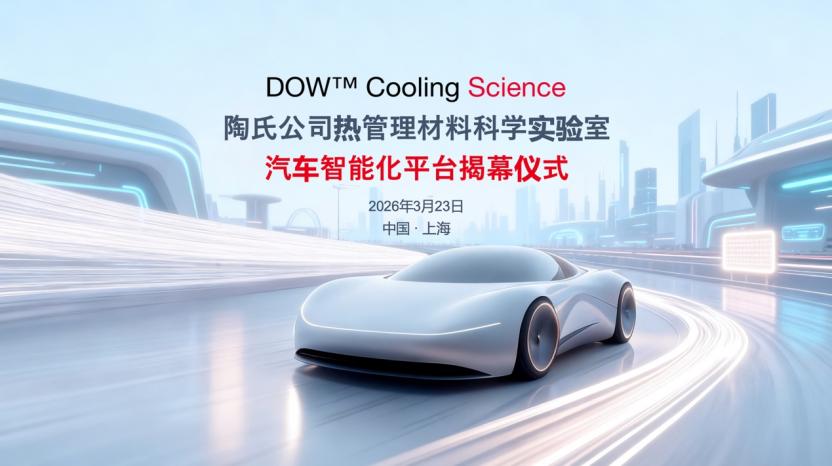
On the day of the unveiling, 36Kr interviewed Jessie Lai, the Asia - Pacific Sales Director of the Consumer Solutions Automotive Business Unit of Dow, and Dr. Li Dachao, the Asia - Pacific Technical Service and R & D Director of the Electronic Business Unit. In the nearly two - hour interview, the topics ranged from automobiles to humanoid robots, and from materials science to industrial chain transformation. One judgment ran through the whole process - whoever can solve the underlying problem of "heat dissipation" will master the initiative in the intelligent era.

Who is determining the upper limit of "computing power"?
In the computing power competition of intelligent vehicles, the first group of people to feel the pressure are those who have rarely been noticed in the past - material suppliers.
Jessie Lai told 36Kr that there are obvious changes in the departments within car manufacturers that communicate with material suppliers. In the past, it was mainly the procurement department that dealt with the material engineering team. Now, the teams of the electronic and electrical architecture, thermal management system, and intelligent driving computing platform have started to get involved earlier and more frequently. She emphasized that when a car changes from a "mechanical product" to a "high - computing - power terminal," materials begin to determine how fast, how long, and how stably the intelligent system can operate.
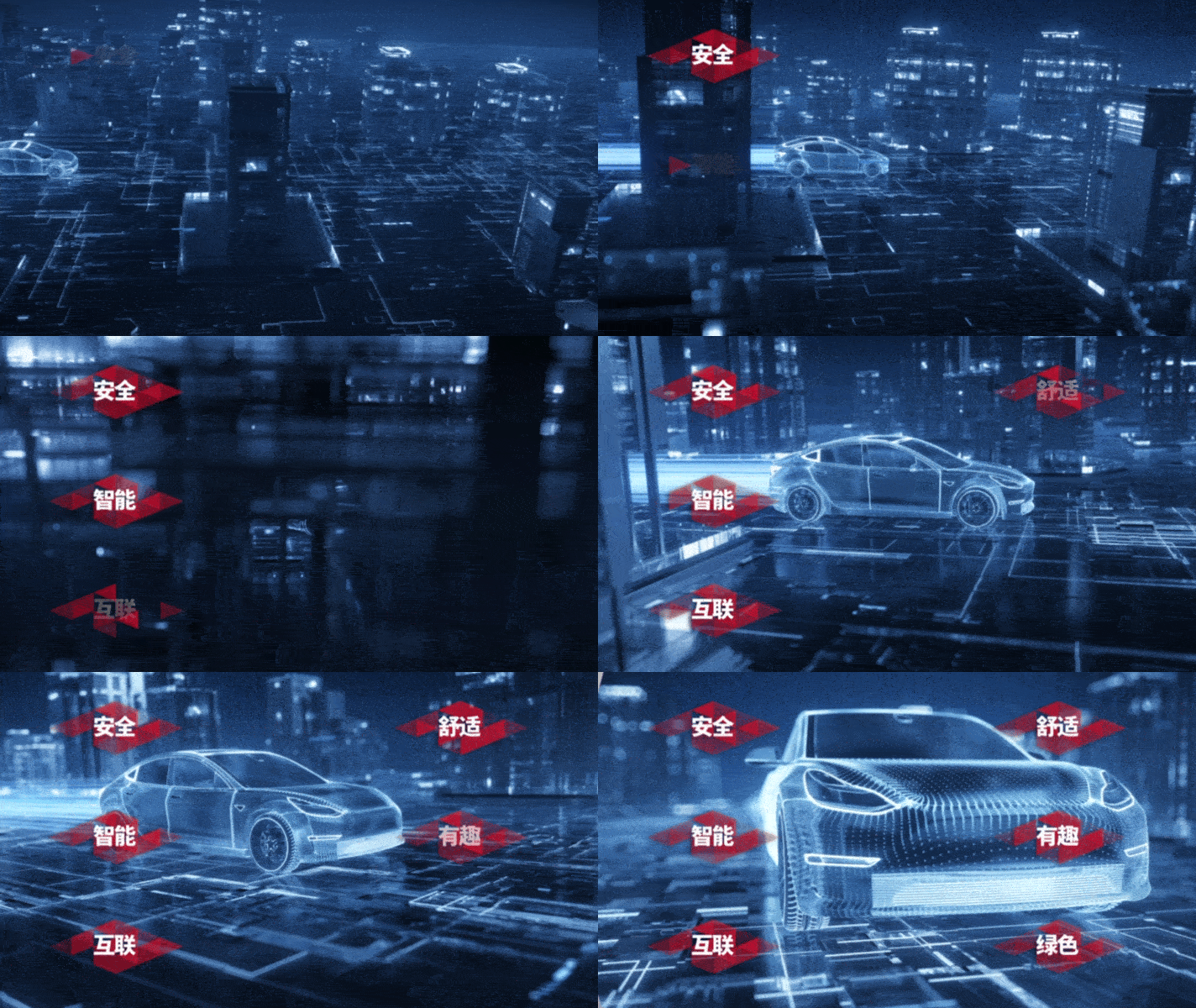
Currently, the electronic and electrical architecture of intelligent vehicles is undergoing a complete reconstruction. In the past, vehicles used a distributed architecture, where each functional module had its own chip and controller, operating independently, and the heat - generation problem was relatively isolated. Now, the central computing architecture has become the mainstream, and domain controllers have begun to integrate a dozen or more high - computing - power chips, with power consumption rising linearly from dozens of watts to hundreds of watts.
As Dr. Li Dachao pointed out, when the power consumption of a single chip jumps from dozens of watts to hundreds of watts, thermal management has long exceeded its supporting role and has become the core bottleneck that determines whether computing power can be effectively released and maintained stably in the long term.
Traditional heat - dissipation solutions have shown their shortcomings in the face of intelligentization requirements. There are problems such as the difficulty of balancing thermal conductivity and long - term reliability, insufficient interface stability, and the tendency of materials to fail under long - term high - and - low - temperature cycles and vehicle vibrations. But the most fundamental problem is that thermal management has not been incorporated into the early stage of system design. These problems were not prominent in the low - power - consumption era, but they will be rapidly magnified under high - computing - power platforms.
Facing the challenges of the technological transformation period, Dow quickly adjusted its R & D thinking. In the past, the working logic of material suppliers was relatively simple. The customer put forward a performance indicator, and the technical team developed materials to meet this indicator. Now they also need to understand the customer's needs and then translate the application - level requirements into requirements for materials.
This means that to solve the problem, one cannot just focus on one aspect, but needs to consider parameters such as heat conduction, bonding, sealing, shock resistance, and electromagnetic shielding together and find the optimal solution at the system level. Relying on the market - proven silicone material combination, Dow has launched a set of underlying capability systems to support intelligent mobility - "Compute & Cool - Make computing faster and the system more stable", "Sense & Protect - Make sensing more accurate and more reliable in various environments", "Connect & Shield - Make connections clearer and interference less".
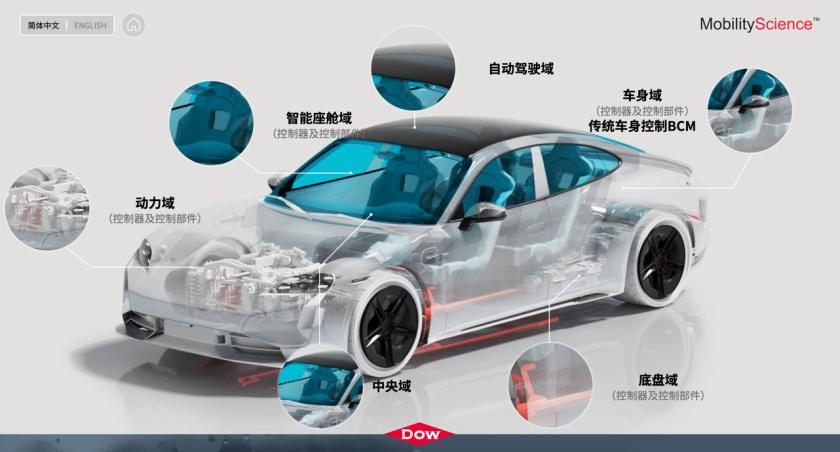
The core logic of this solution is based on the above thinking. It shifts from the competition of single - material performance to the collaboration of system - level solutions to ensure the continuous and stable operation of the entire intelligent vehicle system under long - term and complex working conditions.

Becoming a "co - creator" in the 18 - month race
The iteration speed of intelligent vehicles is rewriting industry rules. The R & D cycle of a product has been compressed from four years a decade ago to less than 18 months. This is not a phenomenon unique to the automotive industry - the consumer electronics field has long been accustomed to this rhythm.
But the special thing about cars is that they must complete this speed - up while maintaining the vehicle - grade reliability standard. For material solution providers, how to survive in this contradiction has become a must - answer question. As Jessie Lai said, what customers want is not just "fast," but "earlier, more accurate, and more collaborative."
This also explains why Dow has specifically built a thermal management materials science laboratory in Shanghai. In traditional R & D, materials are often the last link. After the chip is selected, the solution is finalized, and the structure is molded, people will then look for matching thermal - conductive materials. Dow is trying to reverse this logic. Material R & D is no longer limited to laboratory indicators but is deeply bound to the customer's system design and application scenarios from the very beginning.
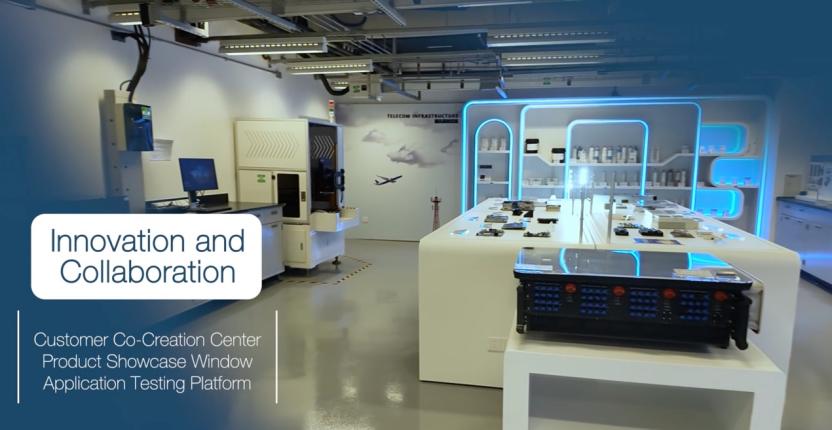
Dr. Li Dachao told 36Kr that this transformation poses new requirements for the technical team. In the past, when the customer put forward a demand, the technical team developed materials according to the demand, and the path was very clear. Now, the technical team needs to get involved in the design stage. They not only need to understand materials but also the customer's applications, understand what the customer is talking about, and then translate the application - level requirements into requirements for materials. This means that the responsibility boundary of material engineers has been broadened - they are no longer just material experts but need to understand the entire system.
Behind this change is a consensus that is being widely accepted in the industry: Under a highly integrated electronic and electrical architecture, optimizing any single link cannot guarantee the reliability of the entire system. Chip manufacturers optimize their own heat - dissipation designs, module manufacturers do their own structural designs, and material suppliers do their own material development. Finally, when they are put together, no one knows who to turn to when problems occur. Only when materials, structures, and processes are jointly verified can problems be solved at the source.
Jessie Lai uses the term "co - creation" to describe this new relationship. In the automotive industry, materials used to provide support on the basis of relatively stable platforms and standards, and the relationship between suppliers and customers was relatively linear. But now, more often, they get involved in the customer's conceptual design and system discussions in advance in the form of co - creation, rather than providing product support only after the solution is finalized. From "selling materials" to "participating in solution definition," this is not only an adjustment of the business model but also a reconstruction of the industrial chain cooperation method.
When the speed is fast and the complexity is high, no single enterprise can find the optimal solution for the entire system alone. The entire industrial chain must progress together and make choices together. This is exactly the strategic intention of Dow to set up the thermal management materials science laboratory in Shanghai - to move its capabilities to the most innovative market and advance the verification work from the mass - production stage to the design stage. Under the highly compressed R & D cycle, the value of this forward - moving approach is being recognized by more and more industry participants.

From intelligent vehicles to humanoid robots, an even more extreme test
The technological accumulation of intelligent vehicles is extending to a more cutting - edge field - embodied intelligence. This is not accidental. Cars and robots share the same logic. High - computing - power chips need heat dissipation, sensors rely on environmental perception, and complex electronic systems cannot do without electromagnetic shielding. The exploration of the automotive industry in these aspects in the past few years has paved the way for humanoid robots.
But the challenges brought by robots are more extreme. This field is still in a stage where the technical route and product form are highly uncertain, which brings a real problem: the requirements put forward by robot enterprises for materials often exceed the norm. It is necessary to solve the problems of heat dissipation, shock absorption, and sealing simultaneously in a very small space; the materials are required to be reliable for a long time under frequent movement and repeated bending; the requirements for lightweight and energy efficiency are much higher than those of traditional equipment. These requirements cannot be solved by the performance of a single material, and they more test the comprehensive ability of materials at the system level.
This precisely reveals the essential difference between robot thermal management and automotive thermal management. In cars, heat dissipation is a relatively static problem - the chip is working, heat is generated, and it is transferred to the radiator through thermal - conductive materials, and the whole process occurs in a fixed physical space. But in robots, the joints are moving, the heat is changing, and the heat - conduction path is changing in real - time.
From a technical perspective, there are three major heat sources inside a humanoid robot: the computing chip, the joint motor, and the battery. Dr. Li Dachao believes that the most difficult problem to solve is not how hot a certain component is, but that heat is continuously generated, superimposed, and migrated during the movement. These three are highly compressed in a limited space and interact with each other. Especially the actuator system in the joint area, which integrates a motor, a reduction mechanism, and an electronic control unit, is itself a highly integrated and high - power - density system with extremely limited space, making it difficult to optimize the heat - dissipation path. More importantly, it is in a state of continuous movement, vibration, and temperature cycling for a long time. This means that materials are not just facing the task of conducting heat out, but need to strike a balance between heat conduction, stress buffering, fatigue resistance, and long - term reliability.
Dr. Li Dachao describes this challenge as "doing system engineering in a small space." The small space, frequent movement, and complex environment put forward new comprehensive requirements for thermal - conductive and sealing materials. The materials must "keep up with the movement" and maintain a stable heat - conduction path under repeated bending, torsion, and vibration to avoid the attenuation of thermal - conductive performance due to fatigue. At the same time, the sealing reliability cannot decline over time - in high - frequency motion scenarios, traditional rigid materials are prone to micro - cracks or interface failure.
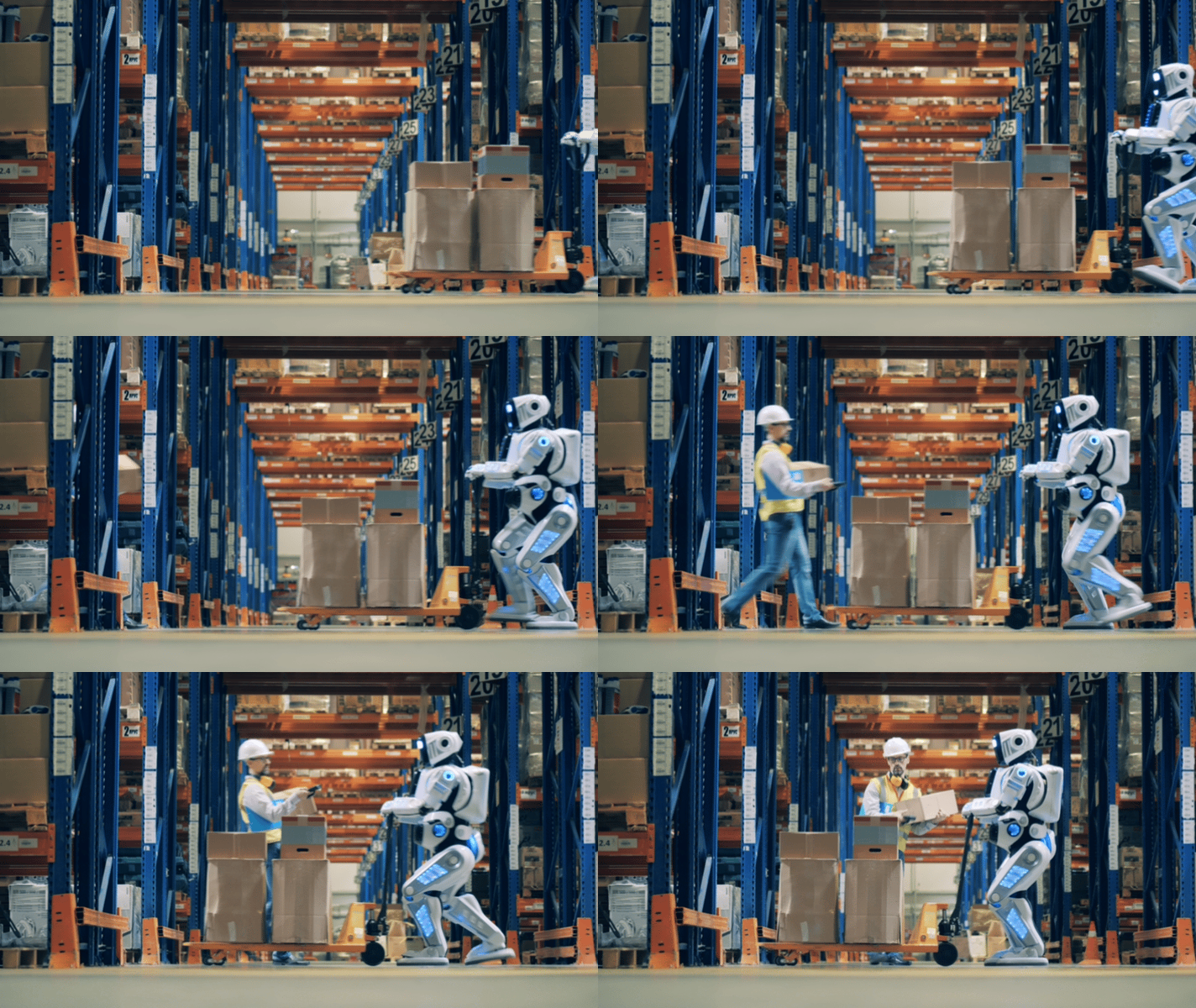
This is exactly where Dow's opportunity lies. By customizing and adjusting the solutions that have been proven successful in the automotive field according to the more extreme space constraints and motion requirements of robots, Dow can achieve the migration and upgrading of system capabilities. Jessie Lai said that Dow has a solid foundation, and with the research and development of some new materials, it hopes to play a role in helping customers achieve commercialization, platformization, and scale - up in this new field of robots.

The "invisible" value should be seen
The computing power competition of intelligent vehicles continues. Dr. Li Dachao's judgment is that in the next two or three years, the biggest challenge will be the contradiction between the continuous improvement of computing power and the limited physical space. Both the design of cars and robots is pursuing compactness, while the software's demand for computing power is still increasing, which will only increase the requirements for thermal management.
To address this challenge, Dow has started to make early arrangements. It shifts from solving the heat - dissipation problem of a single device to the system layout of the entire system; promotes the long - term stability of materials under high - computing - power, high - integration, and dynamic working conditions; and relying on the thermal management materials science laboratory in Shanghai, strengthens collaborative innovation with local customers and incorporates materials into the system design earlier.
But what is more worthy of attention than the technical