A robot leasing company established just three months ago has the entertainment industry vying to invest.
The robot rental business has become so popular that even the entertainment industry doesn't want to miss out.
One of the most talked - about news in the robot circle recently is that a large number of entertainment industry capitals, in collaboration with hard - tech giants such as Dayang Motor, Muhua Kechuang, and Minzhuo Electromechanical, have invested hundreds of millions of yuan in a robot rental platform named "Qingtian Rent".
Among these entertainment industry capitals, Mingjia Capital founded by Huang Xiaoming even made an appearance.
This round of financing is the angel round + additional angel round for Qingtian Rent. Coupled with the seed - round financing led by Hillhouse Venture Capital completed in January this year, its valuation has now reached 3 billion.
What does 3 billion mean?
The output value of the entire robot industry in 2025 is only 100 million yuan.
Even more amazing is that Qingtian Rent is a platform that was officially established on December 22, 2025. It has only been about 3 months since then.
However, considering the "backing" behind Qingtian Rent, its rocket - like growth rate is not hard to understand:
It is led by ZhiYuan Robot and jointly initiated by robot enterprises such as Feikuo Technology. It co - hosted the "Robot Wonderful Night" party in February this year.
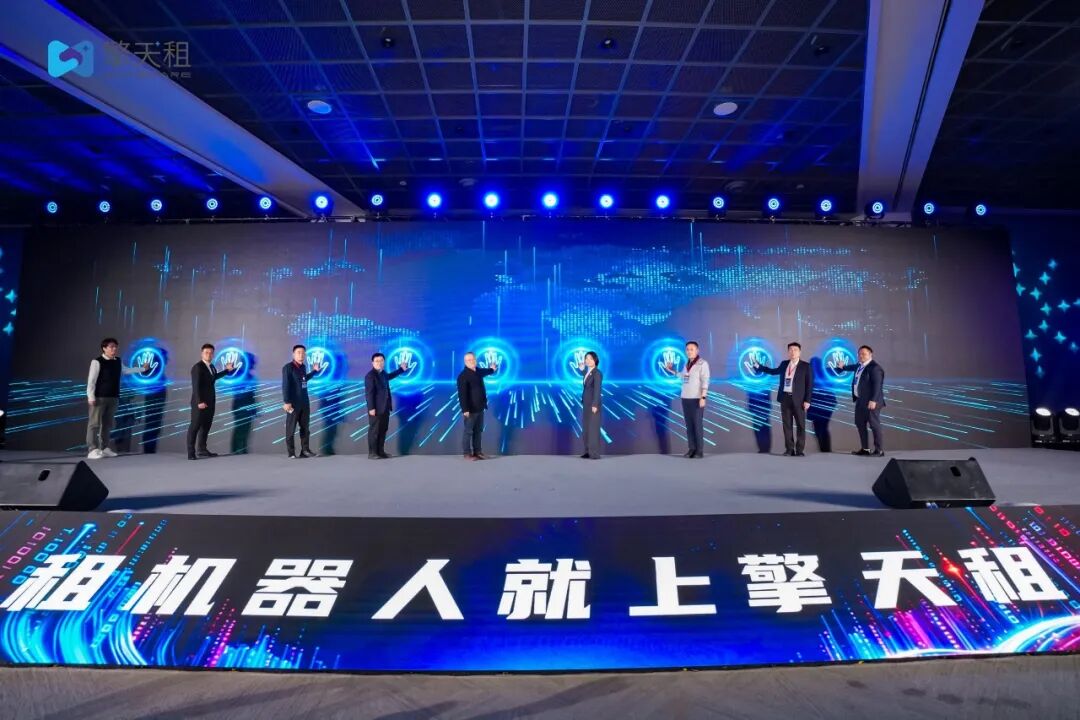
According to the official data provided by Qingtian Rent, as of March 18, the platform has received over 5,500 orders, has more than 3,000 available devices, and has covered 50 core cities and over 600 service providers. Its goal is to cover over 200 cities in 2026 and achieve a "2 - hour service circle".
Moreover, many media and institutions are predicting that the output value of the Chinese robot industry in 2026 will reach 1 billion yuan, which is directly 10 times the annual output value in 2025. The turnover of JD.com's self - operated robot rental increased by over 100% month - on - month in January this year, and the overall order volume increased by 130% month - on - month during the Spring Festival.
The high - profile nature of Qingtian Rent seems to add more fuel to the robot boom that has been going on since the beginning of this year.
However, in this seemingly booming robot industry, there is a "polarized" situation.
Hot investment, difficult to make money
Speaking of which, the reason why Qingtian Rent has become a favorite in the investment circle is that the future it depicts is simply too beautiful.
As there are more and more robots, the prices are getting lower, and the application scenarios are becoming more diverse. As long as the platform integrates the supply, connects the demand, and streamlines the fulfillment process, it has the opportunity to become the traffic entrance in the robot era.
However, for a platform like Qingtian Rent, popularity does not mean a stable business.
The rental merchants interviewed by "Daily Economic News" said that they received three or five hundred calls after the Spring Festival, but the number of actual orders was not large.
The same is true for Qingtian Rent. According to media analysis, among the 5,500 orders mentioned earlier, over 54% were for Spring Festival - related demands such as New Year greetings, temple fair parades, and shopping mall Spring Festival activities, which was the most concentrated outbreak period since the platform was established.
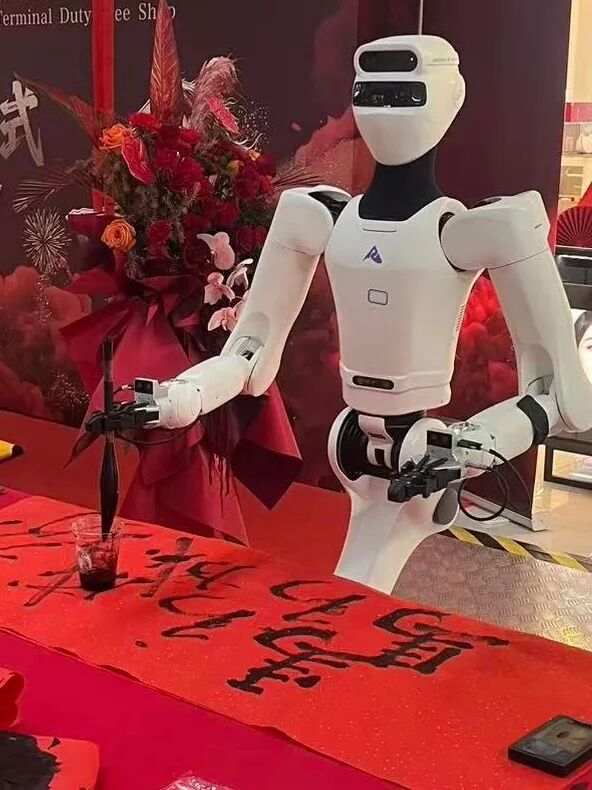
According to industry practice, there will be a cooling - off period of demand and a decline in enthusiasm after the festival. The renewal situation of Qingtian Rent's robot orders and its B - end daily applications will become a new point of observation.
What's more troublesome is that the price war in the robot rental industry shows no sign of stopping.
At the beginning of 2025, the daily rental price of popular humanoid robots could reach 10,000 to 20,000 yuan. By the spring of 2026, the mainstream activity price had dropped to 3,000 to 5,000 yuan, and some platforms even offered a 999 - yuan experience package.
Obviously, Qingtian Rent has also adopted the "price - cutting" strategy. The daily rental price of basic quadruped robots is only 200 yuan, and the birthday dance package of Lingxi X2 Youth Edition starts from 999 yuan...
The problem is that although the price has been reduced, the cost will not decrease accordingly. It costs money to transport the robots, to have engineers on - site, for cross - provincial business trips, and for subsequent maintenance, repair, and insurance.
According to the rental merchants interviewed by "Beijing News", if the rental price is further reduced, many orders will be "unprofitable".
"Daily Economic News" also mentioned that in many performance scenarios, one robot is still accompanied by one technical staff. What customers rent is actually not just the equipment but also an entire human service team, and it is very difficult to balance this huge cost expenditure.
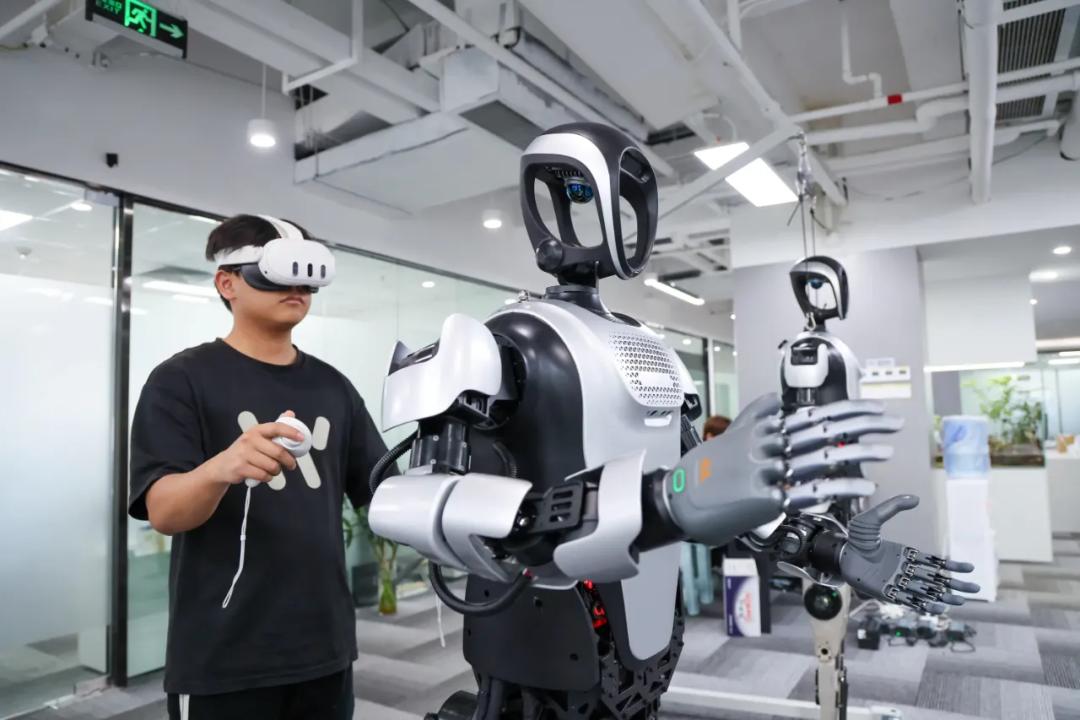
Therefore, low prices may help the platform obtain a large number of orders and educate the market, but they may also become the last straw that breaks the platform's revenue ledger.
There is also another problem that is becoming increasingly serious with the growing popularity of robots.
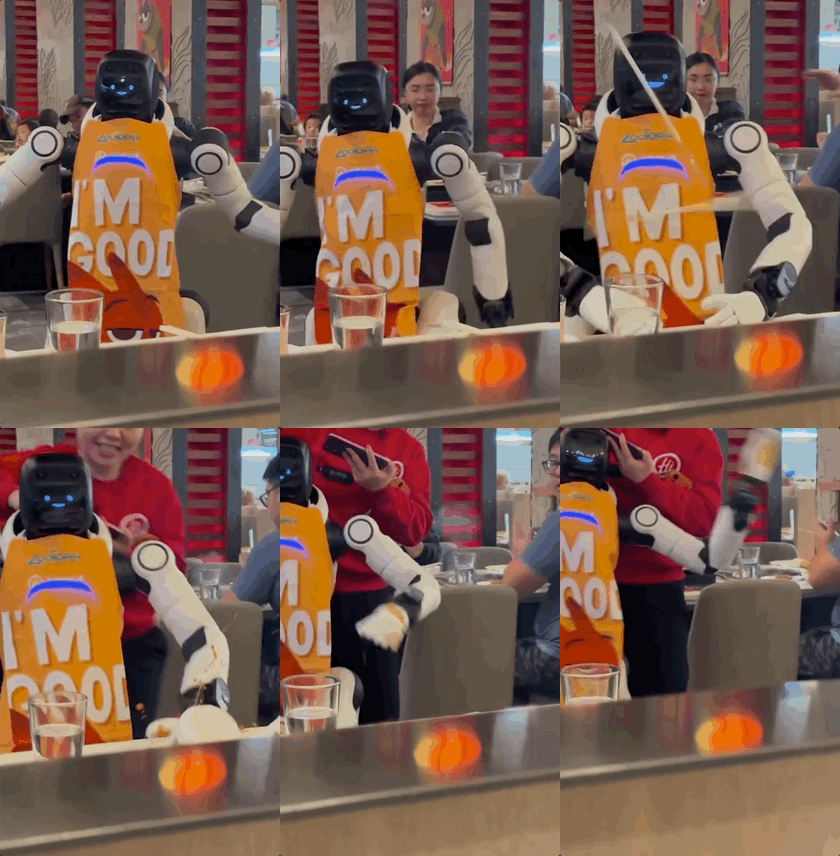
One incident occurred at a Haidilao store in California, USA. A robot used for celebration and interaction suddenly went out of control while dancing and almost overturned the table. Three employees couldn't hold it down immediately. Haidilao later responded that it was an accidental malfunction in the "celebration mode".
Another incident is a video that has spread widely on social platforms in recent days: At an event in Shaanxi, a performing robot slapped two children in the face while performing a spinning dance, leaving the children completely stunned.

Of course, these are isolated cases and are not enough to deny the prospects of robot rental. However, for a platform like Qingtian Rent that highly depends on commercial performances, events, and in - store interaction scenarios, such accidents will be magnified into the most realistic concerns of customers.
Popularity can bring orders, but safety and delivery capabilities determine whether these orders can be retained.
This is also the most pressing issue that Qingtian Rent, with a valuation of 3 billion yuan, needs to face and solve.
Qingtian Rent has big ambitions
However, there are indeed reasons why Qingtian Rent is favored by capital.
Although the competition in the current robot rental industry is extremely fierce, more than 1,500 new robot rental platforms were established in 2025 alone, including some very powerful players such as Wanjiyi Rent and JD.com's self - operated robot rental.
However, judging from the data, Qingtian Rent is clearly at the top.
Its current order volume of over 5,500 is the highest in the industry. Its business has covered 50 core cities and over 600 service providers, which also places it at the top level.
Moreover, Qingtian Rent does have some special selling points that are more attractive:
Different from most robot rental platforms that simply "rent robots to you", on Qingtian Rent's page, it has pre - planned the usage scenarios of robots for customers, including annual meetings, exhibitions, weddings, shopping mall promotions, store openings, temple fair parades, etc.
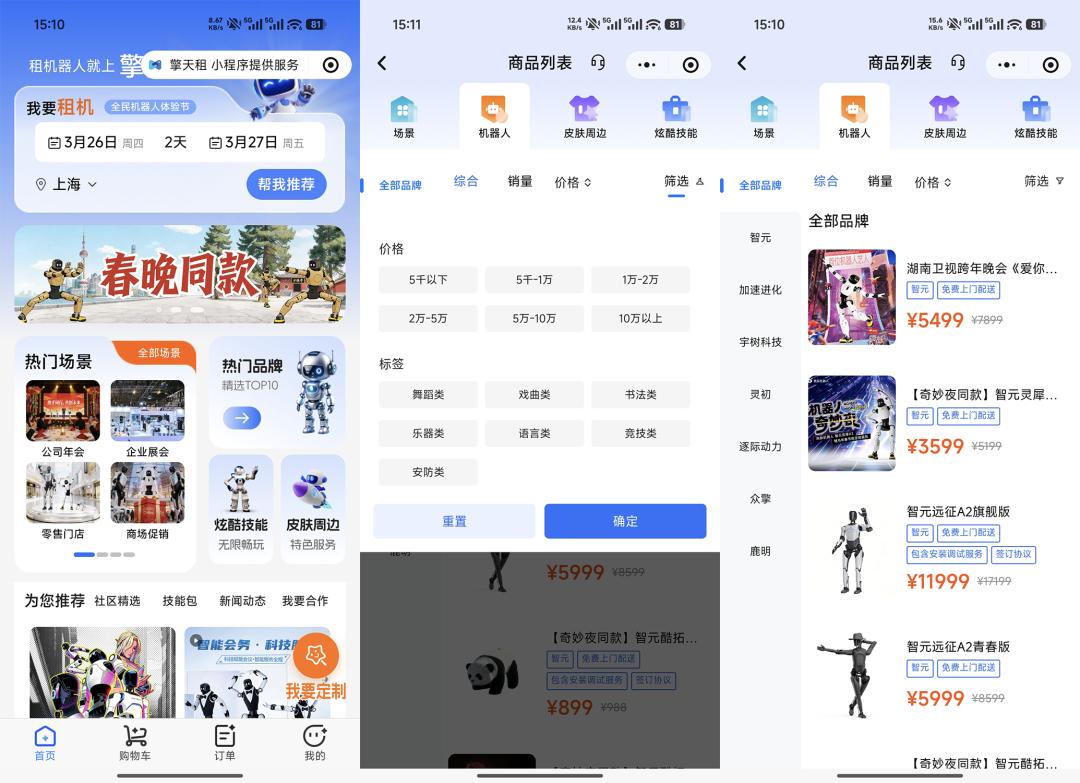
Even more, there are AI rehabilitation robots with policy subsidies on this platform. The monthly rental price for the elderly over 75 years old in Shanghai starts from only 200 yuan.
This is not really an advertisement for Qingtian Rent.
What we want to say here is that it realized early on that most people don't have an accurate and clear understanding of "what robots can do".
What Qingtian Rent does is to package this originally high - threshold and vaguely understood business operation into a more understandable one - stop service in advance.
Users don't need to study parameters, screen models, or figure out whether to choose a robot dog or a humanoid robot for a specific scenario. The platform will tell you the answer.
This is very suitable for the entertainment industry.
After all, the entertainment industry is best at packaging scenarios, amplifying traffic, and mobilizing resources to turn an ordinary thing into an event worth watching, spreading, and spending money on.
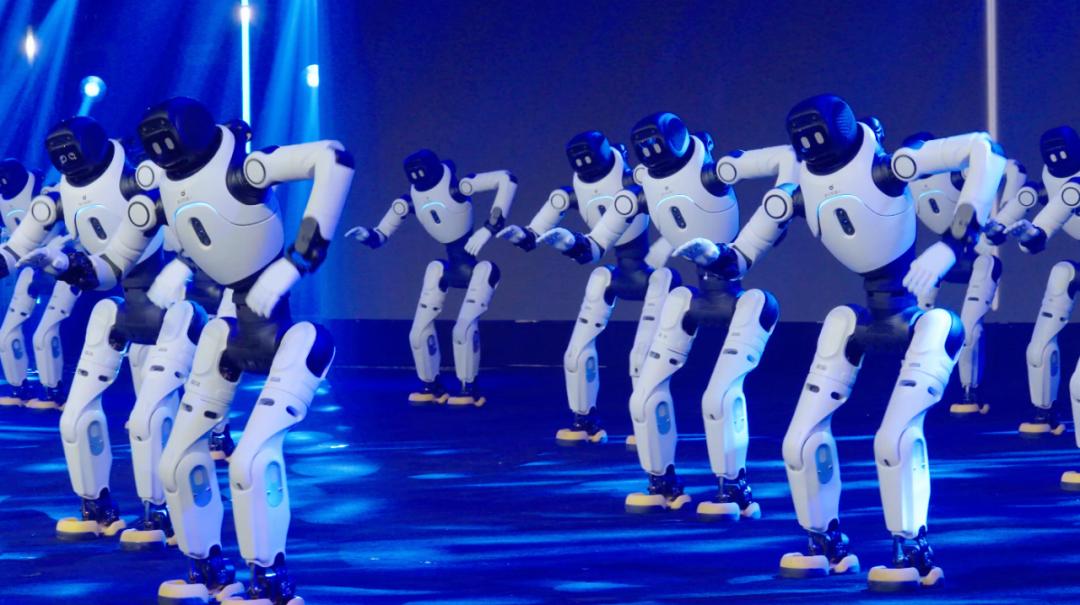
Qingtian Rent's logic happens to match the thinking of the entertainment industry.
This is why the entry of Mingjia Capital and Yuehua Entertainment seems like a cross - border move but actually doesn't seem out of place.
They don't need to understand robot technology. They just need to understand what kind of scenarios are most likely to go viral and what kind of performances are most likely to stand out... That's enough.
Therefore, in the future, whether it's variety shows, galas, commercial performances, brand events, or the increasing number of "tech - savvy" segments in film and television works, platforms like Qingtian Rent, which have pre - packaged scenarios and services and don't require users to spend effort on screening and decision - making, will be needed.
Four goals, two challenges
Qingtian Rent certainly understands that a valuation of 3 billion yuan can't just rely on the popularity in the entertainment industry.
So in the public statements around March 18, CEO Li Yiyan and CSO Wang Mingfeng clearly outlined several key points for 2026:
Increase the asset volume to over 10,000 units; achieve an annual order volume of over 80,000 units; continue to expand the trend of "short - term rentals turning into long - term rentals"; and truly make user experience and delivery satisfaction a platform - level capability.
However, these four indicators sound difficult, and they are actually not easy to achieve.
Let's just talk about two core indicators: the annual order volume of 80,000 units and the renewal rate.
The former determines the growth rate, and the latter determines whether this business can truly take root.
Let's first look at the order volume.
As of now, "5,500" is the most frequently mentioned number. If the annual target is really 80,000 orders, it means that there are still over 70,000 orders to be filled.
Based on the rough calculation of "over 200 orders per day" when the platform was launched for three weeks, the annual order volume could reach about 73,000, which is indeed close to the target of 80,000 orders.
However, the question is whether this daily average can be maintained, how much of it is due to the Spring Festival heat, and whether it can remain stable after the festival. That's hard to say.
To solve this problem, Li Yiyan and Wang Mingfeng's solution is to convert the periodic boom during the Spring Festival into year - round regular rentals:
On the one hand, expand the supply through the city partner model, with the goal of recruiting 1,400 city partners. Currently, the number of applicants has exceeded 20,000.
On the other hand, connect with more robot manufacturers to expand the equipment pool. At the same time, use the scheduling system, training, insurance, and maintenance to spread the fulfillment network to more cities and create a more localized network closer to a "2 - hour service circle".
In short, increase the order volume through the expansion of the user base, the expansion of scenarios, and the improvement of local reachability.
Now let's look at the renewal rate.
The importance of this indicator actually doesn't need much explanation from the platform itself. Because the order volume mainly reflects popularity, while the renewal rate reflects whether this business has the opportunity to transform from a "one - time deal" to a regular demand.
Li Yiyan publicly mentioned that after the Spring Festival, some short - term rental customers started to switch to long - term rentals, but no specific data was provided.
According to reports from multiple media, the overall renewal rate in the current industry is not very optimistic, and it is basically in a situation of "more inquiries, fewer transactions".
Ultimately, weddings, birthday parties, and corporate annual meetings, which have a large number of orders and high demand, are basically one - time demands.
Places that are more likely to generate long - term rentals are those with higher usage frequencies, more fixed scenarios, and a clear return on investment, such as shopping mall guides, store customer attraction, restaurant interaction, park reception, scenic area parades, security patrols, and education and training. Currently, these are not the main areas for robot rental.
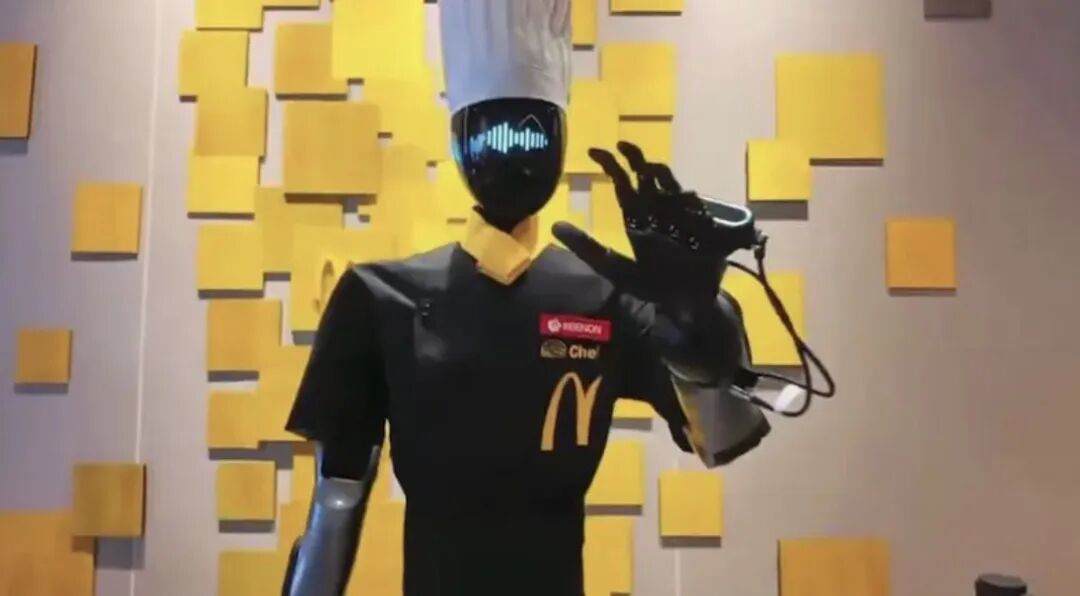
This is also the second main line that the executives of Qingtian Rent have been repeatedly emphasizing