AI Reconstructs the Future of Human Habitation. The 2026 AWE High-Level Forum Provides a Comprehensive Interpretation of the "Future Home"
On March 13, 2026, the second day of AWE2026, the "Future Home AI Life - 2026 AWE High - level Forum" hosted by the AWE Organizing Committee and specially supported by Xiaohongshu was held in Shanghai. Top representatives from leading global home appliance enterprises, technology companies, lifestyle platforms, and the field of embodied intelligence gathered together. They carried out in - depth discussions around cutting - edge topics such as the reconstruction of human living scenarios in the AI - native era, the entry of embodied intelligence into households, and the full - domain collaboration of vehicles, homes, and people, outlining a brand - new picture of the future home.
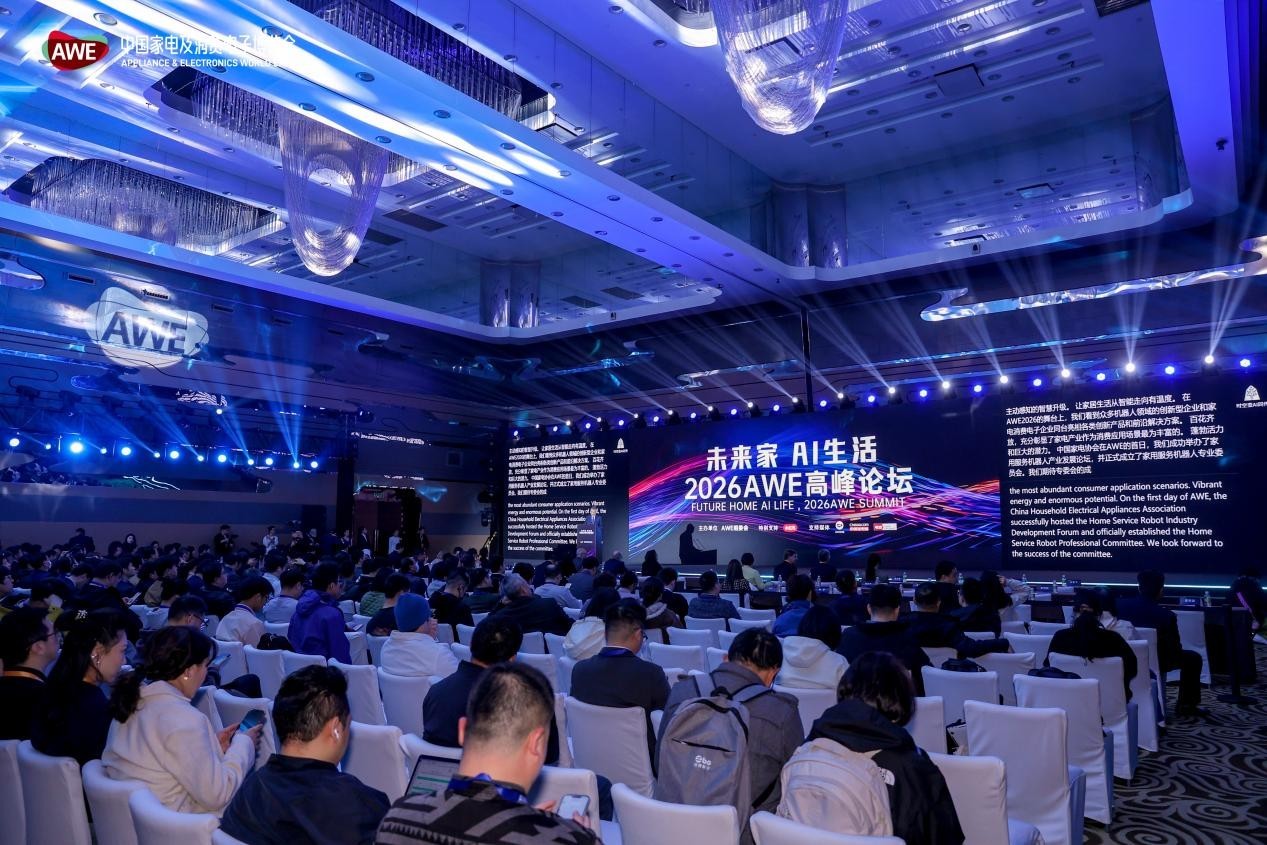
Image source: AWEr
Threshold: The era of AI - reconstructed home furnishing has arrived
In the past year, it has been a crucial year for artificial intelligence to move from technological breakthroughs to industrial implementation. At AWE2026, these achievements have become the most intuitive evidence. From the increasingly mature smart home scenario ecosystem to the emerging tracks of embodied intelligence and smart mobility that are accelerating their development, from the continuous breakthroughs in AI technology to the full - scale implementation of various intelligent terminals and AI hardware, all kinds of innovative products and cutting - edge solutions at AWE are dazzling.
Tao Xiaonian, the chairman of the China Household Electrical Appliances Association, said, "We are standing at the threshold of a home furnishing revolution driven by AI. As one of the fields most closely integrated with AI and with the most diverse application scenarios, home appliance products are upgrading from passive - response intelligence to active - perception wisdom, making home life more warm from being just smart. This transformation not only depends on the in - depth understanding of human behavior and the accurate analysis of environmental data by AI technology but also requires all parties in the industrial chain to break down barriers and evolve collaboratively."
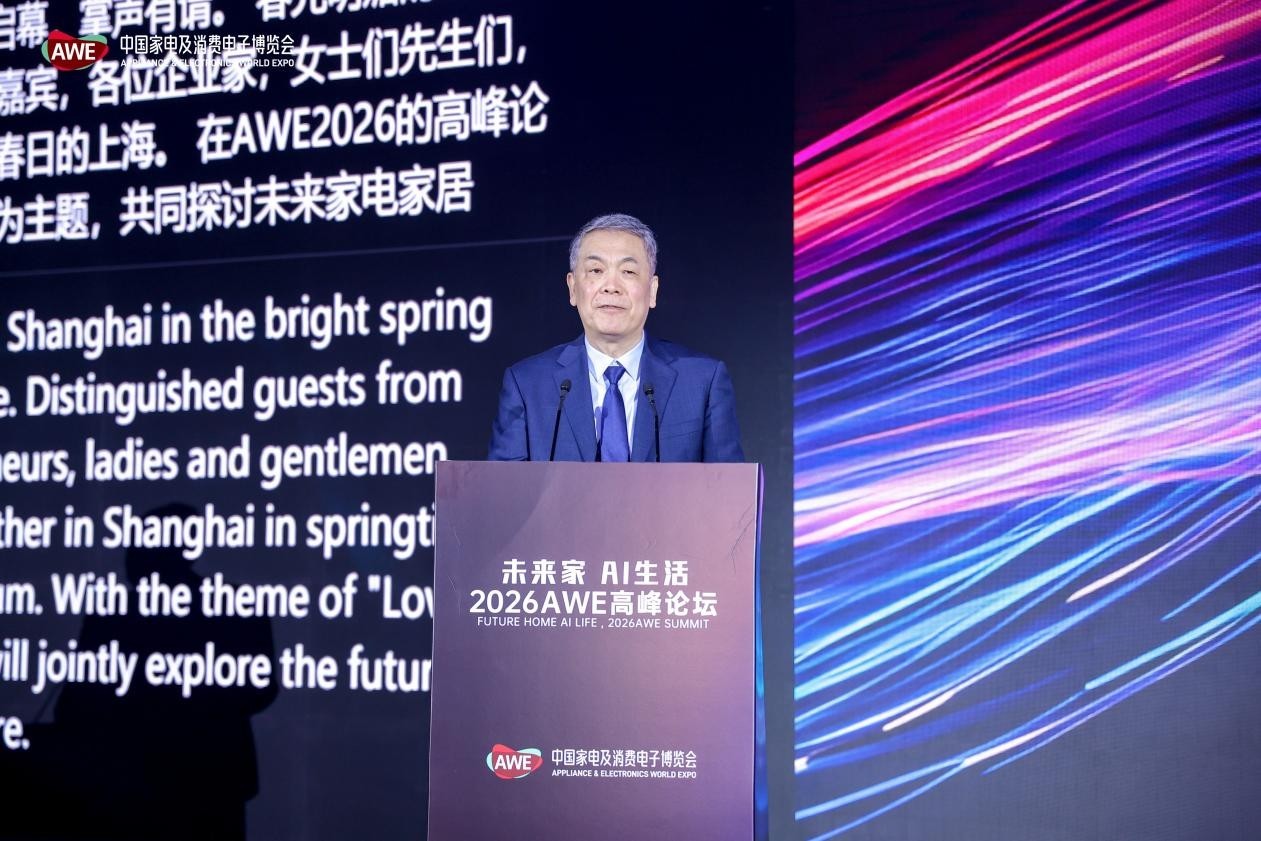
Tao Xiaonian, the chairman of the China Household Electrical Appliances Association
As a powerful force deeply reconstructing human life, AI is leading a technological upheaval in the human living environment. This transformation is undoubtedly full of expectations.
If the smart home in the past was just a "free worker", only serving as a tool - the user presses a button, and the tool moves. Everything has changed since the arrival of the AI era. Min Dengfeng, the general manager of the HarmonyOS Smart Home Solution of Huawei Terminal BG, believes that AI is promoting the evolution of the whole - house smart home from a "tool" to a "partner". A real home "partner" who understands you should have the four characteristics of "simplicity, wisdom, evolvability, and stability". To achieve this goal, Huawei is accelerating its progress in the three core technological directions of "AI perception, interaction, and ecosystem". The AI perception ability is the thinking center of the space. The arrival of the AI era has brought a qualitative change to the accuracy of perceiving user intentions; interaction is the "eyes, ears, nose, mouth, and body" of the space. The goal of interaction is to make users feel like they are dealing with a kind - hearted "person"; the ecosystem is the "executor" of the space. The number of devices is only the foundation. The real key lies in "integration" and finding a balance between the breadth and integration degree of the ecosystem. Min Dengfeng especially emphasized, "We now believe that the improvement brought by AI to the home should be the greatest among all industries. Conversely, the home scenario will also become the greatest driving force for AI development because the home will create endless demands, call countless APIs, and consume a large amount of tokens. The two complement each other and achieve each other."
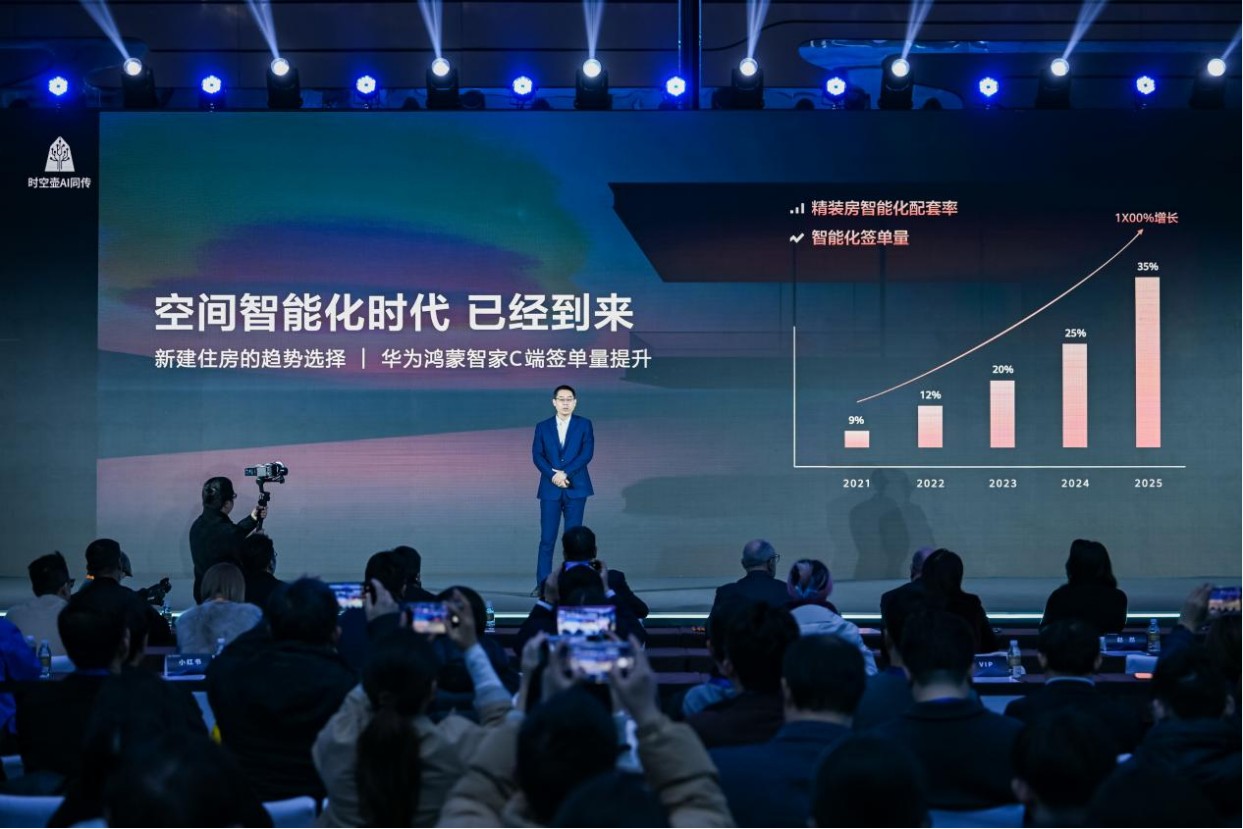
Min Dengfeng, the general manager of the HarmonyOS Smart Home Solution of Huawei Terminal BG
The best technology makes people use it without being aware of it. In the Chinese market, the development speed and high expectations of the digital ecosystem have become one of the innovation engines for many enterprises such as BSH Home Appliances. Dr. Matthias Metz, the Chairman of the Board of Directors and CEO of BSH Home Appliances Group, believes that "artificial intelligence can truly create value only when it is rooted in profound vertical - field knowledge." The Bosch Cookit multi - functional inspiration pot uses AI to convert digital recipes into step - by - step cooking instructions; the "Smart Eye AI" of Siemens ovens can recognize dishes and accurately detect the degree of browning; when the dishwasher button is pressed, the device will adjust the water pressure and temperature in real - time. These are the implementation results of BSH Home Appliances. In addition, Dr. Matthias Metz also emphasized that the real smart life cannot be achieved if it is trapped in a closed system. As one of the earliest pioneers to embrace the Matter standard, BSH Home Appliances continues to help the industry solve the problem of ecosystem fragmentation, deeply integrate into the local digital ecosystem, and enable consumers to enjoy a seamless, consistent, and reliable quality experience regardless of which smart home platform they are on.
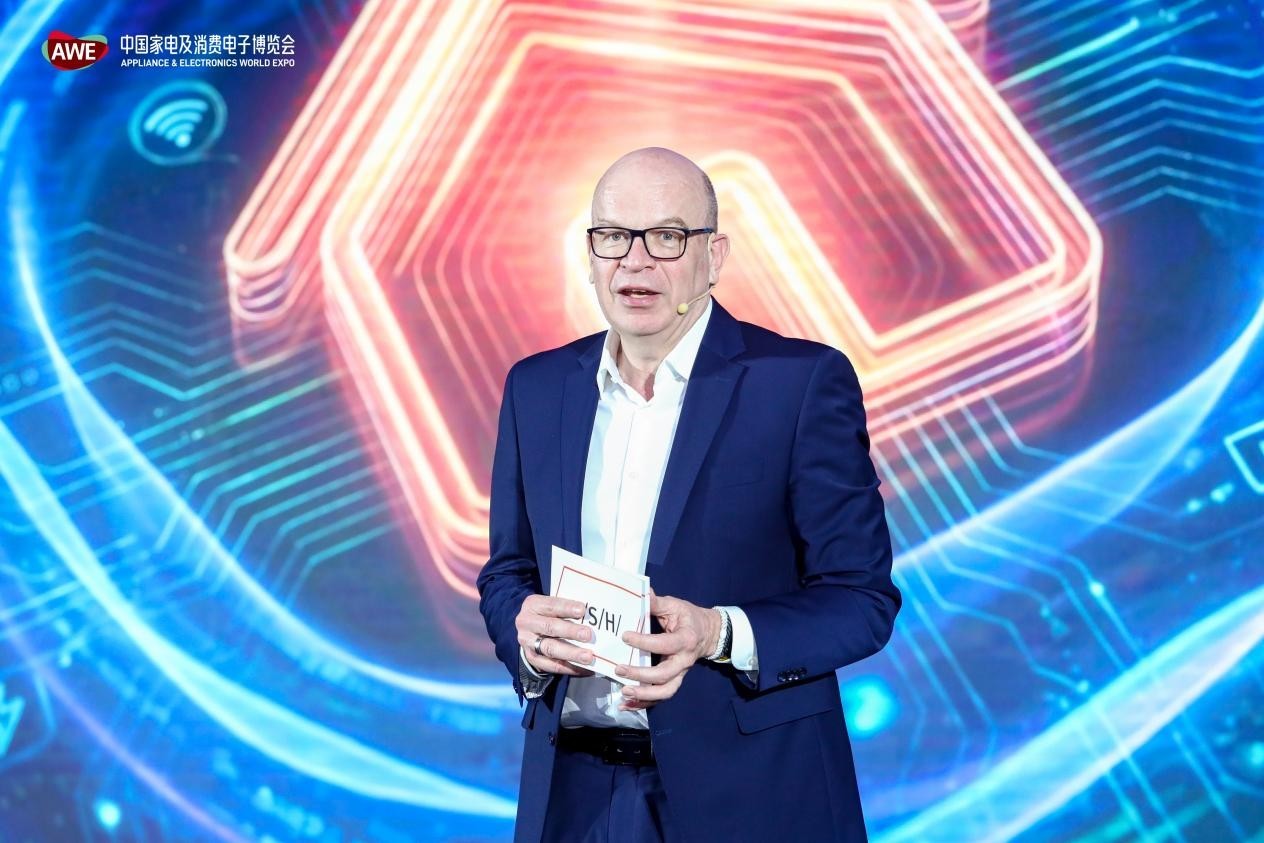
Dr. Matthias Metz, the Chairman of the Board of Directors and CEO of BSH Home Appliances Group
When home appliances learn to think and home spaces start to "understand" and respond, another more flexible intelligent form is accelerating towards us.
This year's AWE has the most robots. It seems that humanoid robots are about to enter households. Guo Renjie, the founder and CEO of Lexiang Technology, said, "As of today, two technologies in the robot field have matured. One is the mobility ability, which enables free movement throughout the house; the other is the interaction ability. Multi - modal AI makes it possible to understand emotions, recognize the environment, and have long - term memory. The combination of the two is giving rise to triple values - integration of hardware terminals, emotional understanding and long - term memory, and active interaction." However, he also pointed out that for robots to truly enter households, three preconditions must be met, namely safety, full automation, and solving specific needs. "No one knows how to go down this road," Guo Renjie admitted. "So the only thing we can do is to iterate at high speed. We must go to the users, polish, make mistakes, and verify in real scenarios. Only by finding real value at the user end can consumer - grade embodied intelligence turn from a vision into reality."
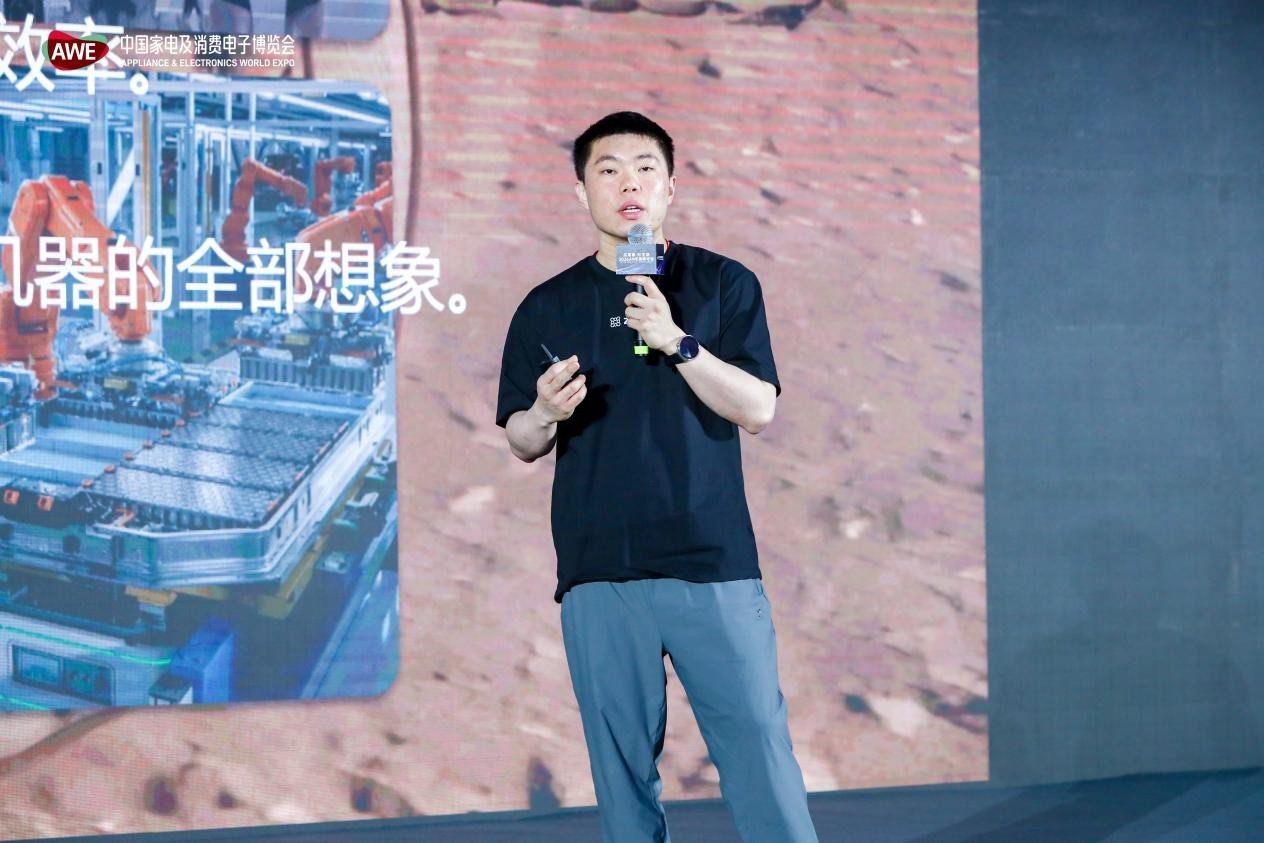
Guo Renjie, the founder and CEO of Lexiang Technology
In the same embodied intelligence track, Chen Chunyu, the co - founder and CTO of Magic Atom, believes that the current interaction of AI in the home is undergoing a profound paradigm shift. At the perception level, AI is evolving from a deterministic understanding of environmental information to an active understanding of the environment; in terms of interaction methods, it is changing from passive response to commands to active service provision. He emphasized that to achieve this transformation, the existing technical architecture must be fundamentally reconstructed, breaking the fixed model of traditional modular perception and artificially written rules and turning to an end - to - end programmatic interaction method. Only by achieving true collaborative innovation at the three levels of perception, decision - making, and interaction can AI break through the fixed thinking framework and make flexible, appropriate, and warm responses according to complex and changeable home scenarios. This is the inevitable path for the smart home to evolve from a "tool" to a "family member".
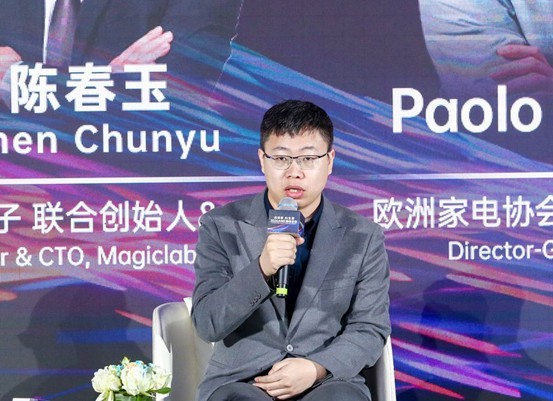
Chen Chunyu, the co - founder and CTO of Magic Atom
As a senior industry observer, Lü Shenghua, the editor - in - chief of China Home Appliance Network, believes that the large - scale entry of embodied intelligent robots into households still faces three challenges. First, from "usable" to "easy - to - use", the adaptability to the home environment needs to be urgently improved. Being easy - to - use is the real threshold for entering households; second, the matching of price and value. Currently, the prices of embodied intelligent products range from 10,000 to 200,000 - 300,000 yuan, far exceeding those of traditional home appliances. Consumers are not buying toys but intelligent partners that can solve practical problems. Only when the price matches the provided value can robots move from being a novelty to being popular. Third, when robots enter households, they will interact with family members frequently in many scenarios. Issues such as their safety and privacy protection must be regulated by strict standards. Once an uncontrollable event occurs, it will destroy the future of the entire category. Safety and trustworthiness are the first thresholds for embodied intelligence to enter households.
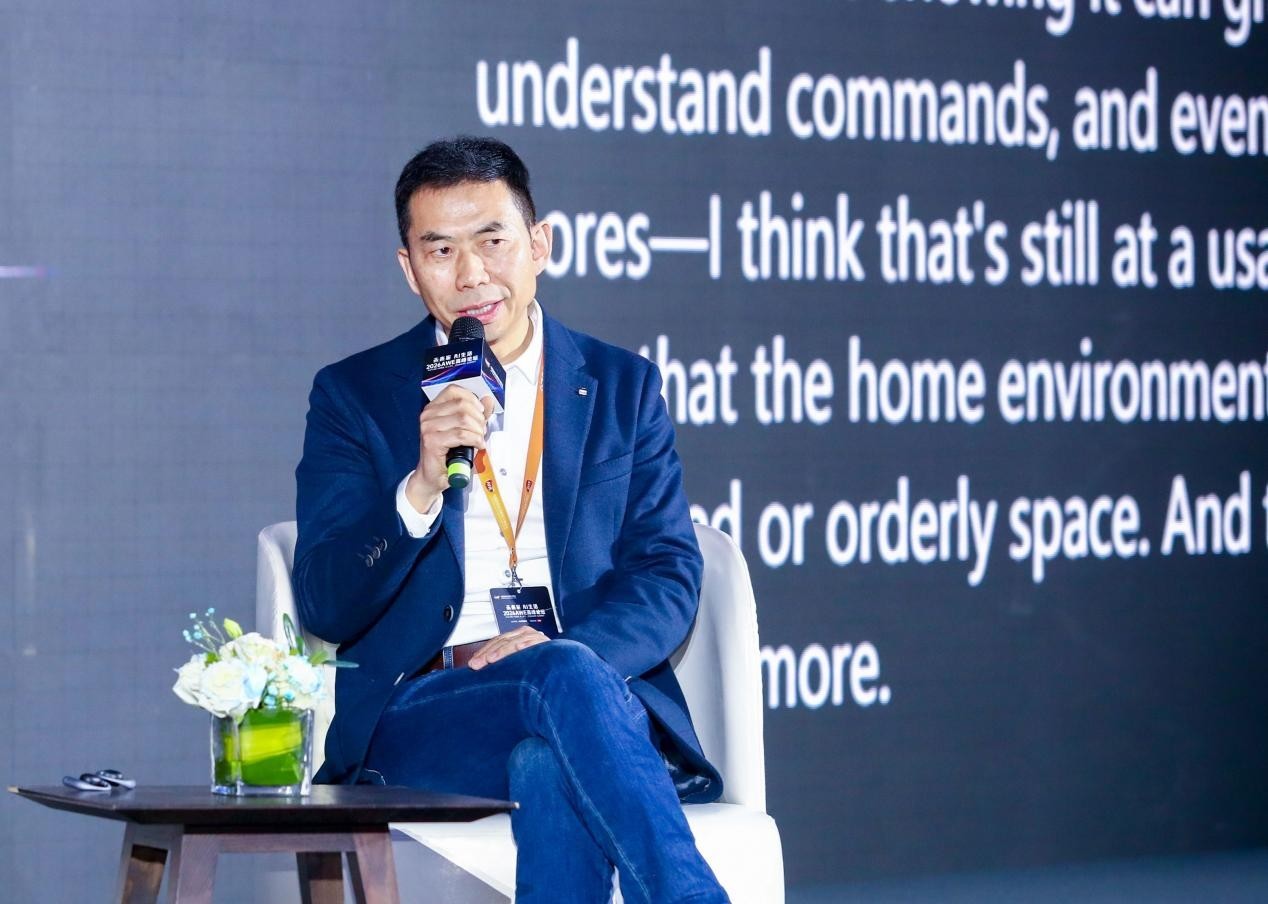
Lü Shenghua, the editor - in - chief of China Home Appliance Network
When the wave of technological breakthroughs and the practice of industrial implementation complement each other, a clear picture of the future home has unfolded before our eyes. However, when we shift our focus from the grand industrial narrative to each specific individual, a more fundamental question emerges: In their hearts, what exactly does AI life and the future home look like?
Technology is invisible, experience is visible: The best AI doesn't need a manual
In the past year, the search volume related to AI on Xiaohongshu reached 120 million times. Behind these 120 million questions lies the unspoken desires of users. What they need is not cold technical parameters but solutions that can truly respond to the moments of life. Users may not care what "AI technology" is but are more concerned about "what it can do for me".
Yang Ang, the general manager of the Beauty, Durable Goods, Transportation, and Fashion Industry Group of Xiaohongshu Commercial, deeply understands this: "For users, the best AI actually doesn't need a manual very much." This sentence accurately points out the ultimate proposition of technology implementation, which is how to translate the algorithm language in the laboratory into the daily life atmosphere. These changes are crucial for enterprises and brands. The height of technology is no longer the only competitive barrier. Whoever can understand the unspoken emotions of users earlier will gain an advantage in the next era.
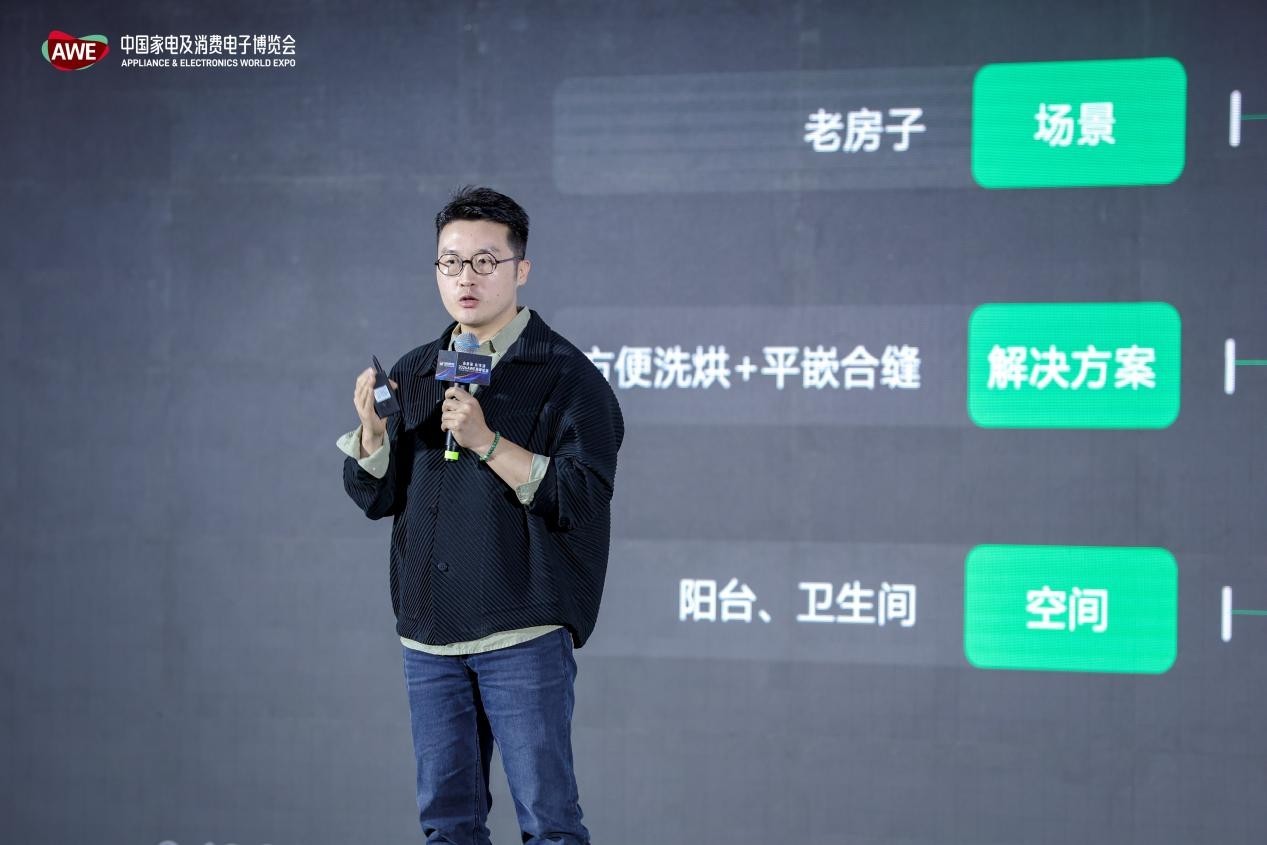
Yang Ang, the general manager of the Beauty, Durable Goods, Transportation, and Fashion Industry Group of Xiaohongshu Commercial
Han Wei, the vice - president and COO of Vatti Co., Ltd., agrees with this view. In his opinion, the product logic in the future should be "technology is invisible, experience is visible". "We can't pursue technology for the sake of technology," he emphasized. "Once we put the remote control in the mobile phone, we thought it was very cool, but it overshadowed the main thing. True intelligence makes consumers feel calm when using it, without having to think about how to operate or adapt to the language of the machine." He took Vatti's range hood and stove linkage product as an example. "Consumers don't like to talk to the range hood, but the range hood should 'understand' them at every moment, knowing when to increase the suction, when to decrease it, and how to cooperate with the stove in harmony. This kind of 'understanding' happens naturally without a manual or instructions." Han Wei said that in the evolution of future products, the concept of "technology serving people" will be rooted in every product idea of Vatti, making technology step back and experience come to the forefront.
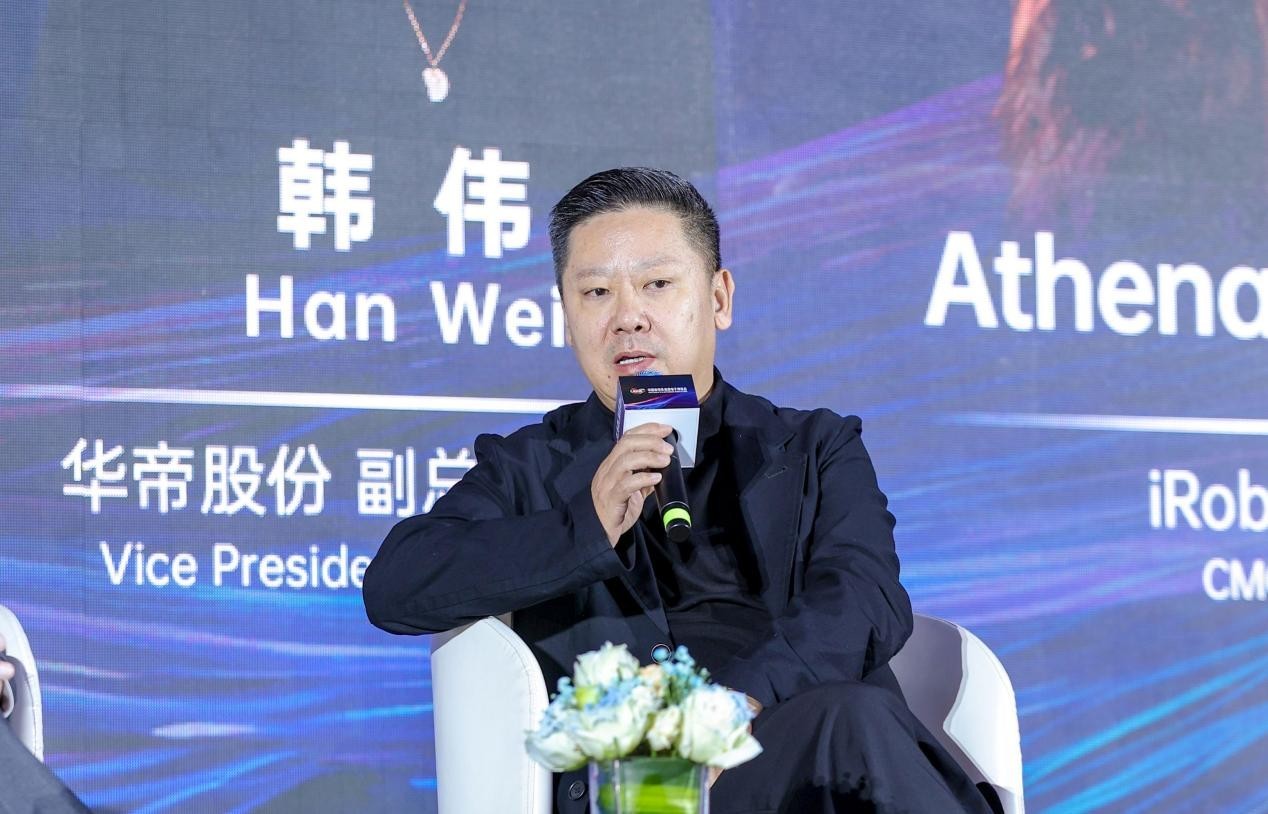
Han Wei, the vice - president and COO of Vatti Co., Ltd.
This view coincides with Huang Jing's thinking, the COO of Shufude. In his opinion, what customers need is never AI itself but the satisfaction of needs or results provided by AI, even those potential needs that they haven't discovered themselves. Consumers won't buy a bed just because it has an AI chip. The reasons they buy it are "sleeping more soundly", "the bed will automatically lift when snoring", and "feeling refreshed when waking up in the morning".
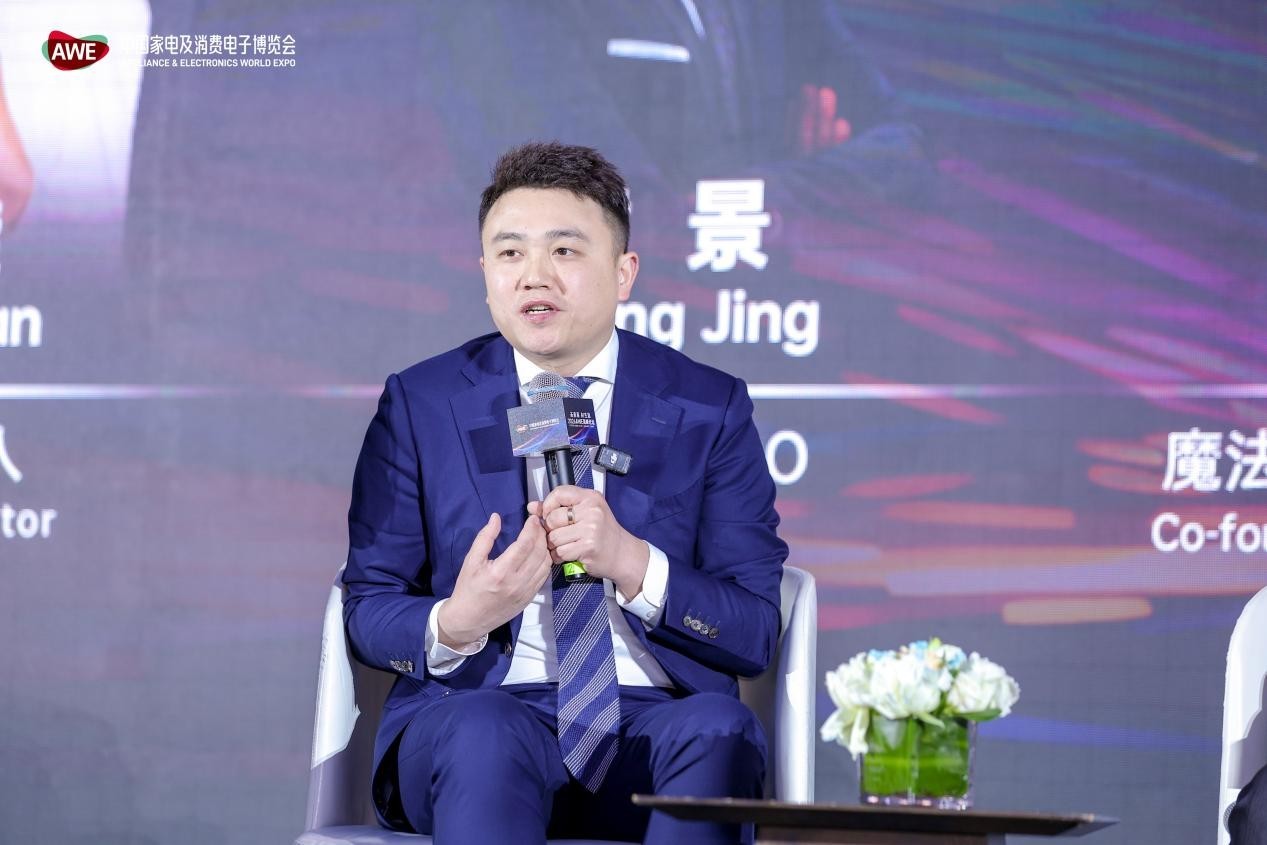
Huang Jing, the COO of Shufude
Before being "understood", safety is another underlying logic deeply rooted in the home. When devices learn your most private information and the ecosystem becomes more and more open, where are the boundaries of the data that make up the complete puzzle of your life?
Paolo Falcioni, the general director of the European Home Appliance Association APPLiA, pointed out that the real smart life cannot be built on unrestricted data centralization. He put forward three principles: adopting an open protocol instead of a closed ecosystem to make interconnection based