A new wave of so - called "easy - money" businesses in county - level areas are starting to show their true colors collectively.
On the eve of March 15th, a new wave of so - called "get - rich - quick" businesses in small towns are starting to show their true colors.
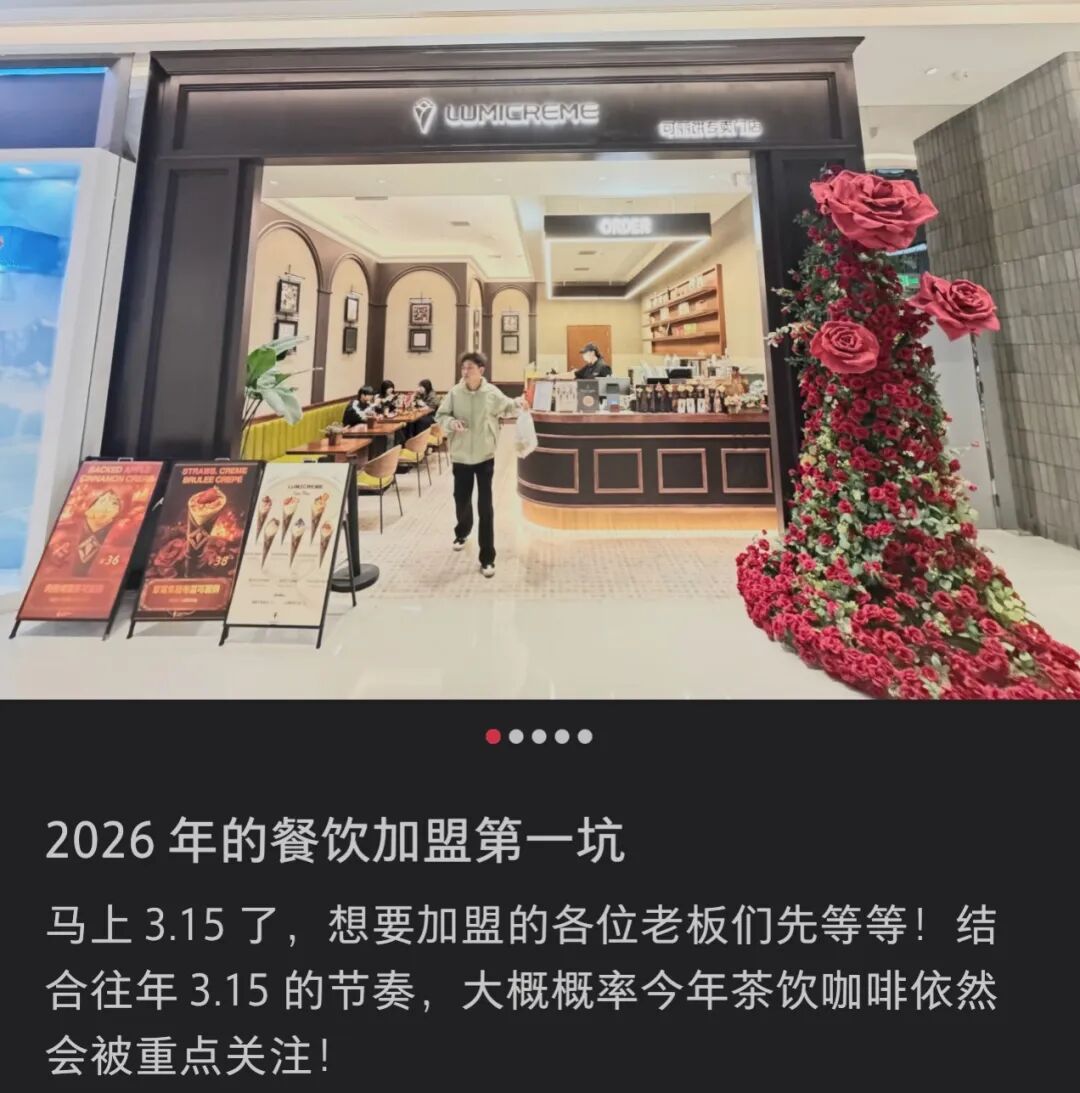
Recently, many netizens have complained that on both sides of "Jiefang Road", the main street in their hometown counties, nearly one - third of the new stores that were brightly lit and hung with "Grand Opening" banners on New Year's Eve have not opened their rolling doors since the Spring Festival.
This is not just an individual's perception. Some media have even reported that "more and more county - level shops are going out of business."
If someone pays careful attention, they will find that not all county - level shops are closing down. Instead, there is a precise "stratification":
Most of the closed shops are fancy franchise brands, such as "Miyue Jiguang" milk tea, "XX Discount" snack shops, and "XX Bear" children's programming.
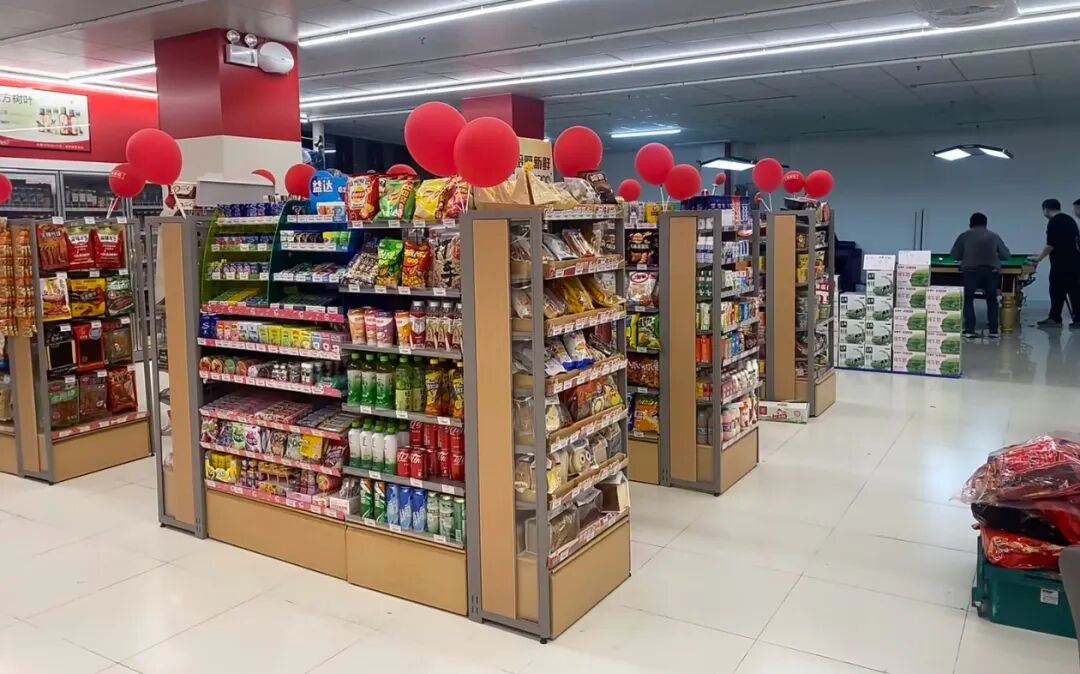
The ones still open are still Mr. Wang's barbershop, Mr. Li's hardware store, and the community grain and oil store.
It has to be said that this wave of closures of county - level shops is even more severe than in big cities. This is a precise "battle royale" targeting the savings of the middle class in small towns, and the first to be eliminated are precisely those county - level middle - class people who have staked all their previous savings, dreaming of achieving social class advancement through "franchising".
Why did the once - touted county - level franchise stores collapse on the eve of March 15th?
Thought it was a "myth of easy money",
Actually, it's a "money - losing trap"
The beginning of every tragedy is like a popular novel.
Some people are tired of working in big cities and want to go back to their hometowns to start a business. So, since last year, they have easily been bombarded with the "three - piece set for middle - aged entrepreneurship":
One is the food and beverage milk - tea shop, which is advertised as "a money - printing machine in small towns, getting your investment back in three months!"; the second is the so - called "trending" discounted store for near - expired food; the third is the so - called "light - asset franchise" in children's quality education, claiming that "earning a million a year is not a dream!"
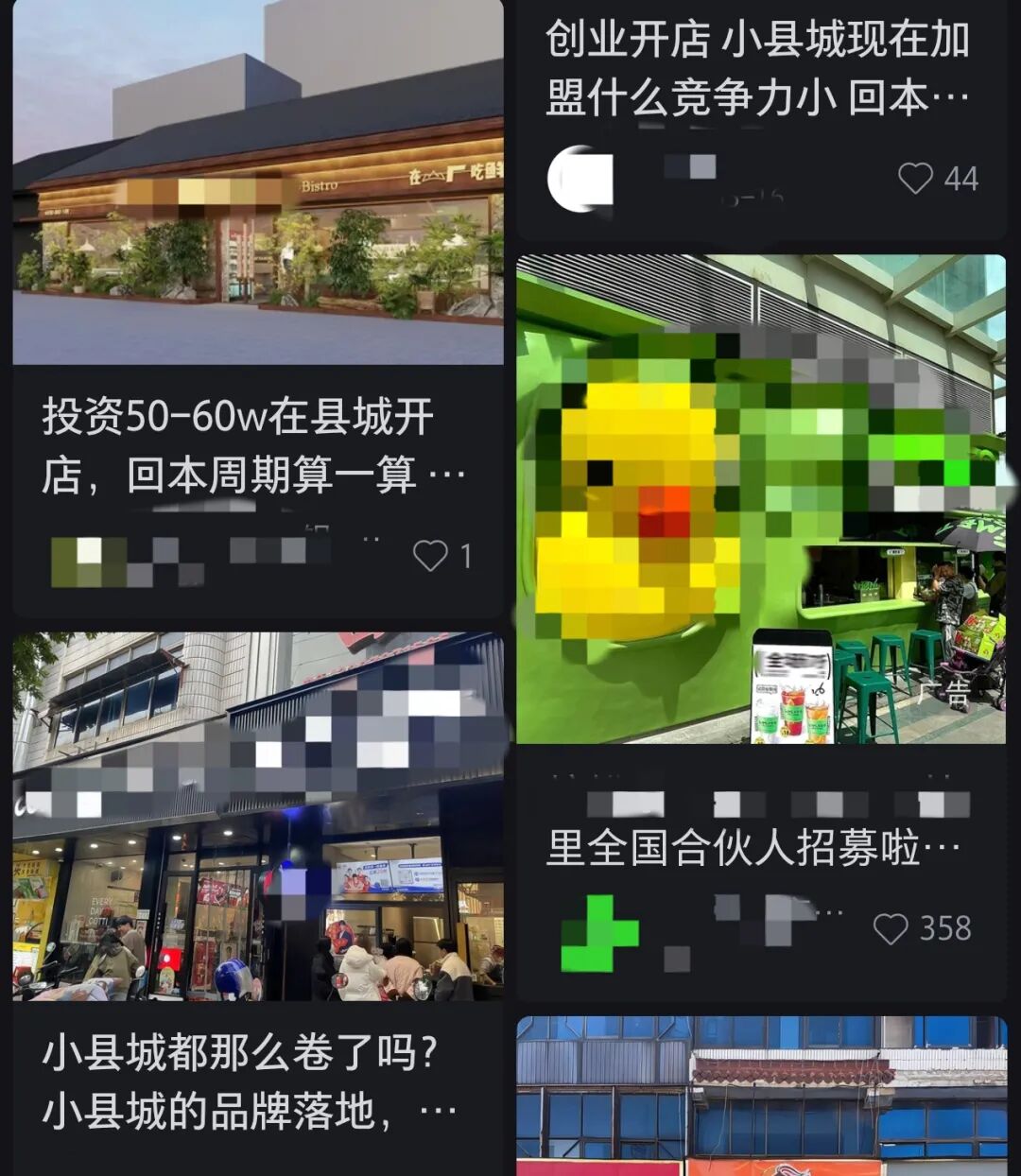
In the promotion, there are not only screenshots of receipts and videos of long queues, but also the very alluring words: "The dividends in big cities are exhausted. The last blue ocean is right in the small towns under our feet!"
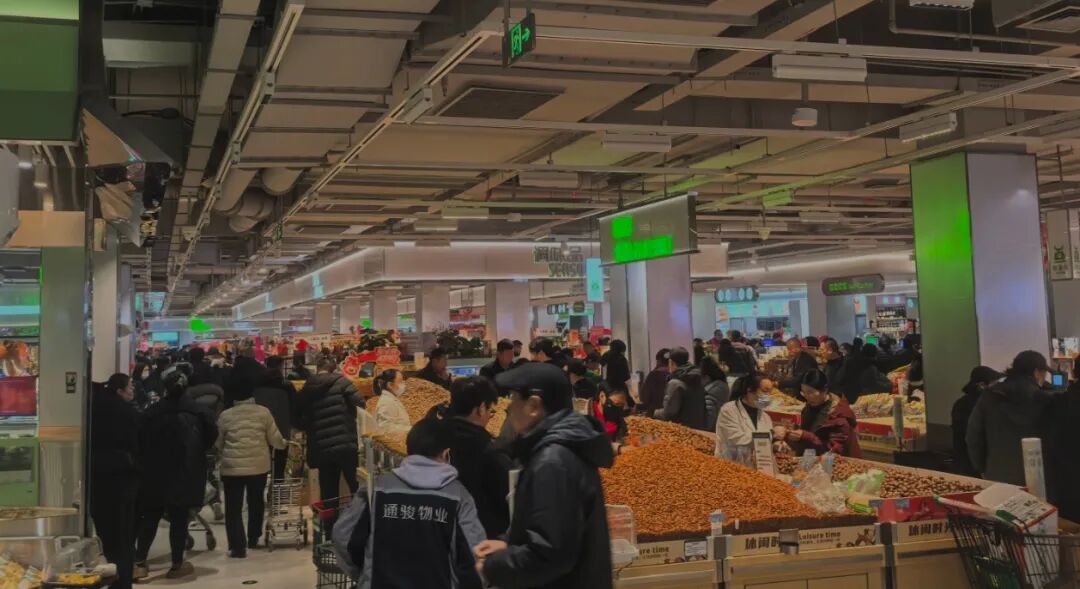
After all, the consumption in small towns has been visibly booming in recent years.
Many big brands from first - and second - tier cities have started to adopt the strategy of "encircling the rural areas from the cities". First, there were KFC and McDonald's, and later, there were Luckin and CHAGEE. They all want to open stores in small towns to grab a bigger piece of the pie.
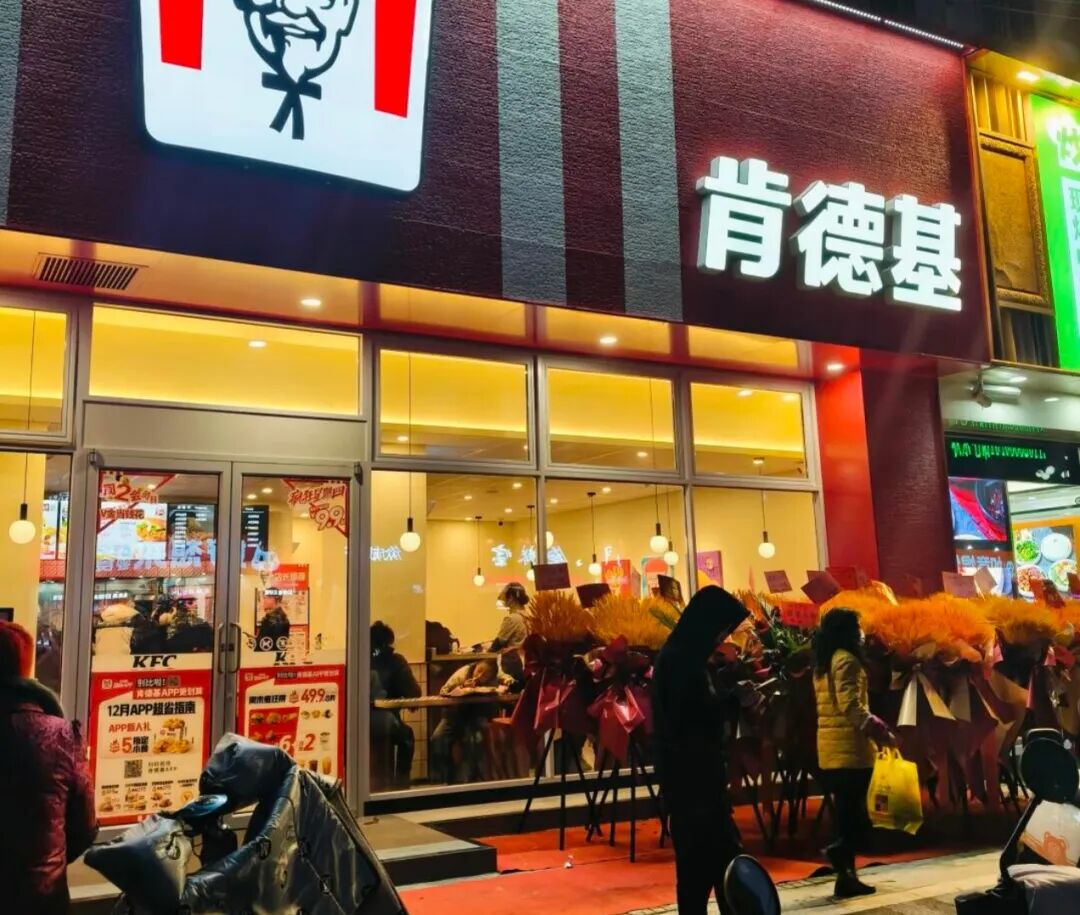
Many fast - franchise companies not only target those who want to return to their hometowns from big cities like Beijing and Shanghai but also eye the "anxiety about fixed salaries" of some well - off middle - class people in small towns. In their words, the path depicted for this "new get - rich - quick business" is extremely clear:
You, a middle - class person in a small town with hundreds of thousands of savings, local connections, and tired of a fixed salary, just need to find a big brand and pay the franchise fee. Then the brand will provide you with full - set support: site selection, training, supply chain, and marketing plans. All you have to do is be a "hands - off boss" and wait for the cash flow to roll in. You can create the "next CHAGEE" or the "next TASTEEN" and then enjoy easy money.
As for the risks? They seem to be dispelled by the slogan "Full - process support, worry - free entrepreneurship".
So, lured by such promises, many people were tempted. They withdrew their bank fixed - term deposits and scraped together 300,000 yuan to become the second franchisee of "XX Tea" or "XX Programming" in their county. For example, the owner of a children's programming store in a small town is a primary school teacher who invested 500,000 yuan, of which 200,000 yuan was from online loans. The owner of a snack discount store in another small town is a township civil servant who staked the money earmarked for buying a car.
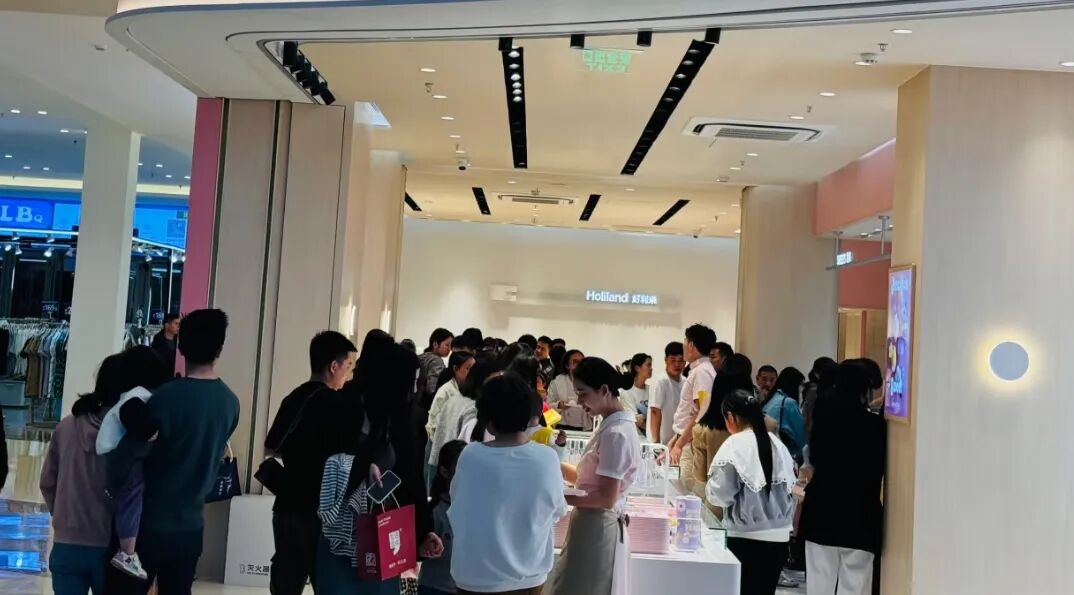
Many people thought that becoming a small boss would solve all problems, but the truth is that paper wealth does not equal real wealth.
The statistical data from the China General Chamber of Commerce reveals a cruel truth. The annual closure rate of physical stores is as high as 37%. On average, 28 stores close every hour.
Among them, the food and beverage industry has become the hardest - hit area. Nearly ten thousand stores have closed, and 60% of new stores don't survive for 12 months. The once - bustling full - meal restaurants in the business districts are now empty in clusters.
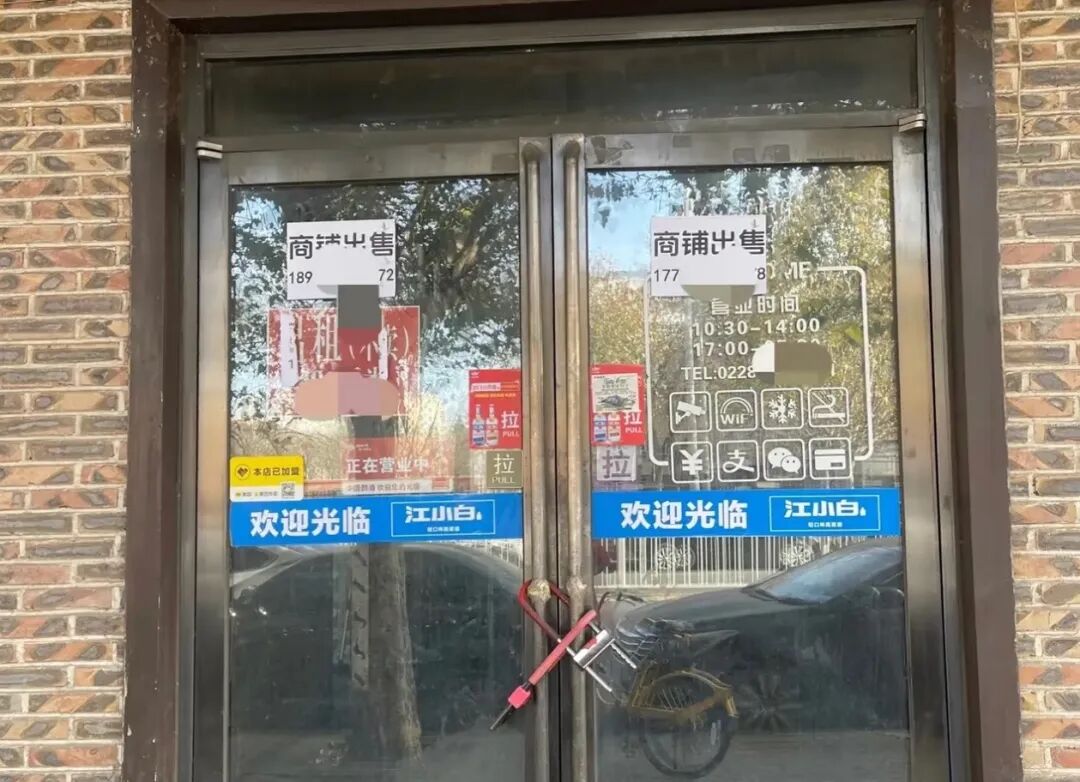
The snack franchise business is also extremely difficult. In a small town in Nanchang, five snack franchise stores are up for transfer. Some stores even show the characteristic of "short - livedness": a snack franchise store opened in October 2023 and closed in mid - 2024; another one opened in March 2025 and was up for transfer in July.
The tea and coffee industry is even more challenging. The industry has experienced a "major reshuffle", with 157,000 stores closing throughout the year, which means 411 stores disappear every day on average.
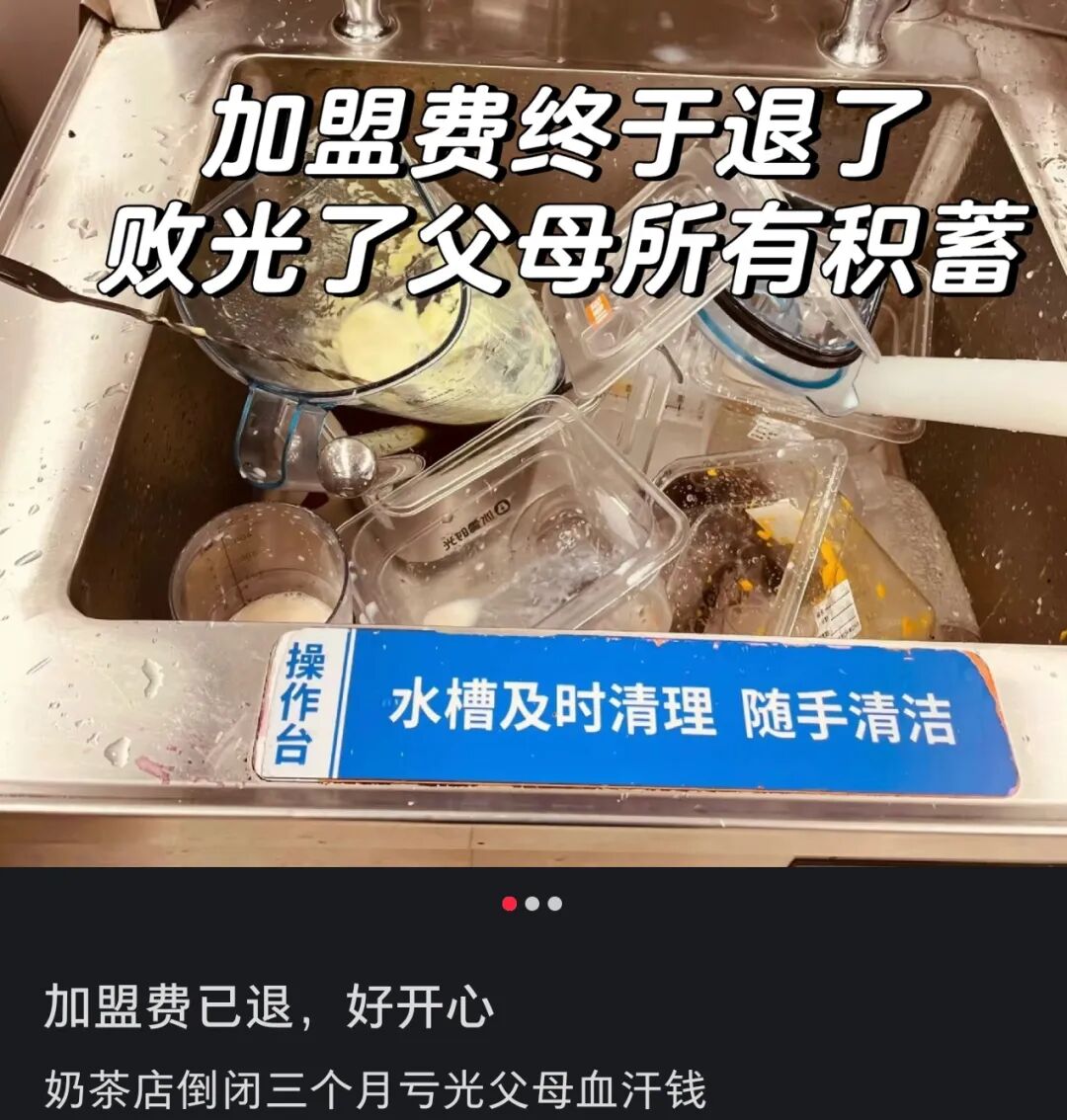
March 15th is approaching. Every year at this time, some consumer traps and fake - goods merchants are exposed. However, there is a more hidden and systematic form of "exploitation" that is rarely brought to the surface.
That is the franchise business that packages a business model that is already showing signs of exhaustion in first - and second - tier cities or is simply fictitious as the last chance in life and sells it to the middle class in small towns.
They often have all the proper procedures, emphasizing mutual consent.
It's hard to say it's fraud, but it's more like a legal hunt, and the money - burning is quite astonishing.
Burning through hundreds of thousands,
Many middle - class people in small towns disappear overnight
"Invest 700,000 yuan, and it's all gone in three months."
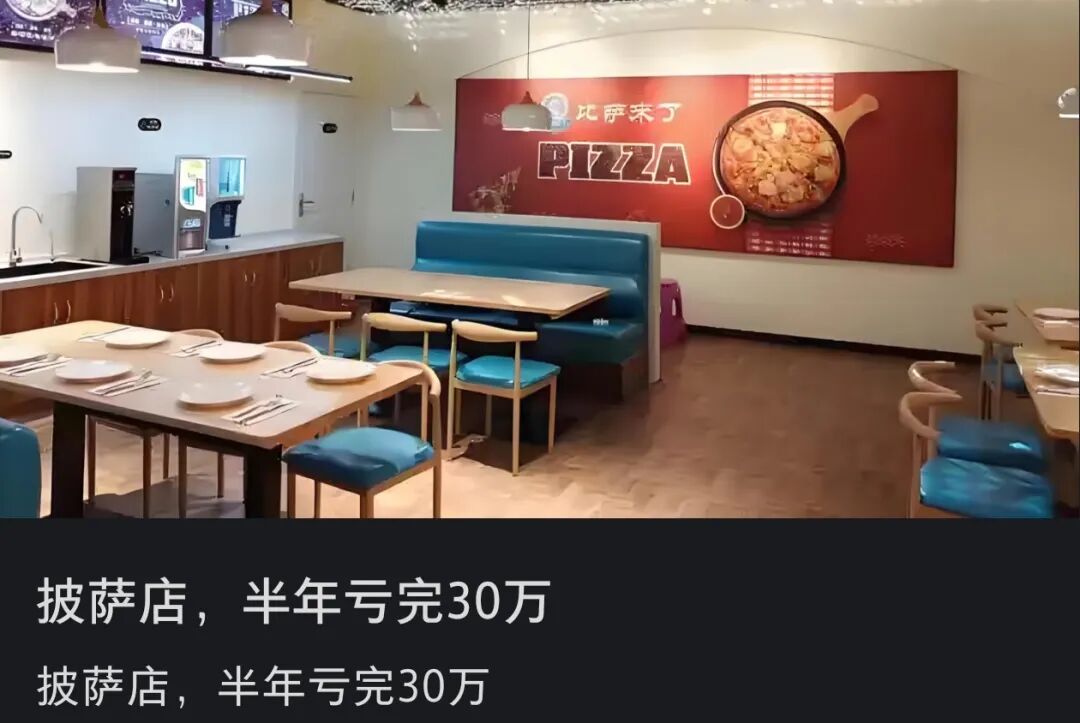
Sounds scary? But this is just an epitome of many franchisees in small towns.
The brand weaves a dream of "easy money". But in reality, after novice entrepreneurs pay the franchise fee, decorate the store, and purchase the first batch of goods, they find that they are just cannon fodder in the brand's profit - making plan.
The first cornerstone of the "myth of easy money" is the information gap.
The brand uses the language of first - tier cities, carefully selected data, and edited success stories to build a tangible golden dream in front of the middle class in small towns: low - cost trial and high - return harvest.
But in fact, some franchisees are just imitating well - known brands and forging "endorsements from big companies".
For example, a 22 - year - old college student in Shandong wanted to franchise a bibimbap brand but was scammed out of 150,000 yuan by a "fake" company. The company claimed to be an "upgraded version", with a franchise fee of only 60,000 yuan, and promised "site selection by the headquarters and guaranteed customer flow". He was tempted, took out the 150,000 yuan given by his parents, and paid the franchise fee, rent, and decoration costs... But before the store even opened, the brand completely lost contact.
This kind of "imitating" tactic has formed an industrial chain. In the blacklist of high - risk franchise brands in 2025, brands such as Chayu Shiguang, Yinyue Gongfang, Miyue Gongzhu, Chama Mama, and Cha Qian Sui all have problems such as imitating well - known brands, lacking core technology, and having a closure rate of over 50%.
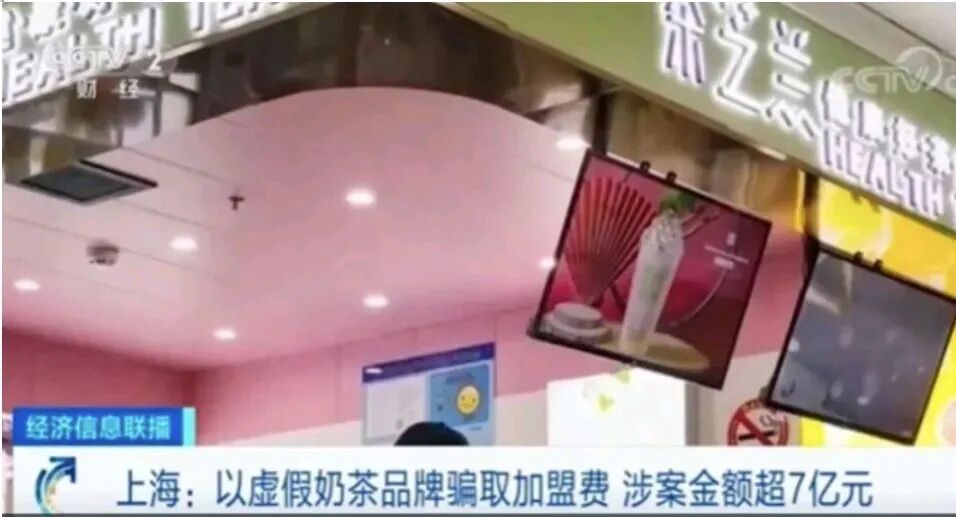
Do you think you'll be safe after avoiding the fake franchise scams? That's too naive.
The second killer feature of the "myth of easy - money franchising" is an endless money - burning pit.
Many franchisees didn't expect that paying the franchise fee and decoration fee was just the beginning of burning money.
On the surface, small towns seem to be a cost - saving place, but in fact, they are an efficiency trap. Many franchisees have truly complained: "I invested 700,000 yuan to open a store. After half a year, three more stores of the same brand opened nearby. Their opening promotions directly stole my customers."
They can only continue to burn money to attract customers. In this process, the brand earns the franchise fee and supply - chain profits, the landlord earns the rent, and the platform earns a commission on the turnover.
As a result, more and more small bosses who used to earn over 10,000 yuan a month are secretly posting notices to urgently transfer their prosperous stores.
In this battle royale, franchisees are never players but fuel.
If you don't understand these three words,
You'll have to close the store
Why have the county - level franchise stores collectively gone from thriving to failing?
On the surface, it's due to changes in the macro - environment, but in essence, it's the structural change in market consumption.
A report once revealed a key trend: the dilution of the middle - class identity among county - level consumers has become a trend. "Looking decent in others' eyes" is no longer that important, and this is more obvious among the younger generation.
Based on this idea, a small town doesn't need 20 homogeneous snack stores. It needs more breakfast shops rooted in the community, old restaurants with unchanged signs for decades, or retail stores that can provide local - characteristic products.
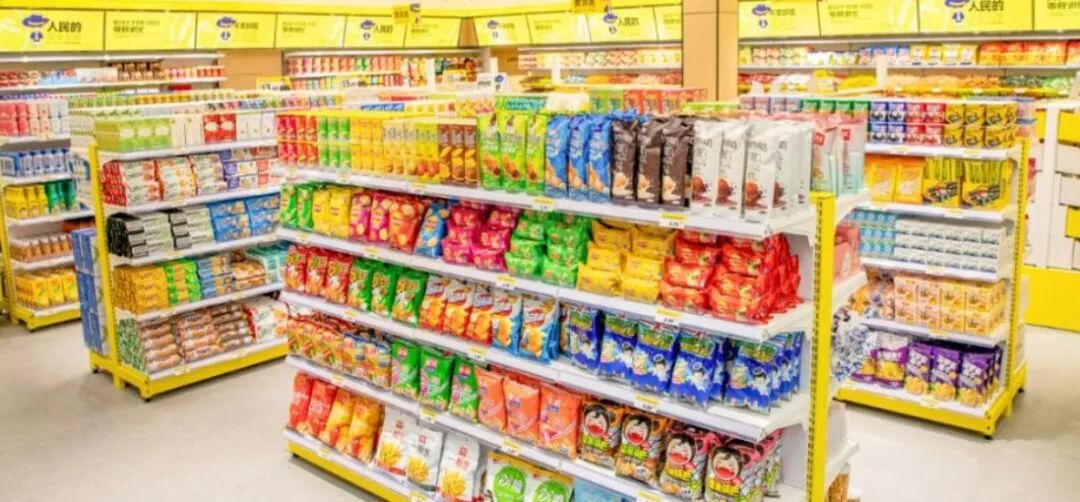
However, the standardized stores driven by capital can hardly meet this demand. For example, some consumers complain that chain stores don't even have the salted chicken that locals love, and they are less distinctive than the small grocery store downstairs.
In contrast to the collapse of franchise stores, in the business ecosystem of small towns, only the grocery stores, small supermarkets, and breakfast shops along the streets of residential communities can maintain relatively stable business. Although these stores can't make