The Revolution of Air Conditioning Architecture: Who is Rewriting the Industry's Technological Rules?
Enterprises that master core technologies often have the ability to rewrite industry rules.
In the smartphone industry, Apple has built an integrated hardware - software ecosystem through self - developed chips and operating systems. This not only established the competitive landscape in the high - end market but also gave rise to the huge "Apple ecosystem" effect.
In the electric vehicle field, as a pioneer in software - defined vehicles, Tesla has, to some extent, rewritten the technological logic of the century - old automotive industry through its centralized electronic and electrical architecture and vehicle - wide software capabilities.
Similar changes are now also taking place in the traditional air - conditioning industry. In the past few decades, the technological competition in the air - conditioning industry has almost revolved around a single goal: to control temperature more precisely. From compressor efficiency and energy - efficiency ratings to air volume, most innovations have been concentrated on the single function of "cooling and heating".
However, in the current situation where the global climate is becoming increasingly "unstable", a new contradiction is emerging: Air conditioners solve the temperature problem but not the air quality problem. Issues such as humid and stuffy air, PM2.5 pollution, and dry air have made people increasingly aware that the innovation path of traditional air conditioners centered on single - temperature control is gradually reaching the ceiling of development.
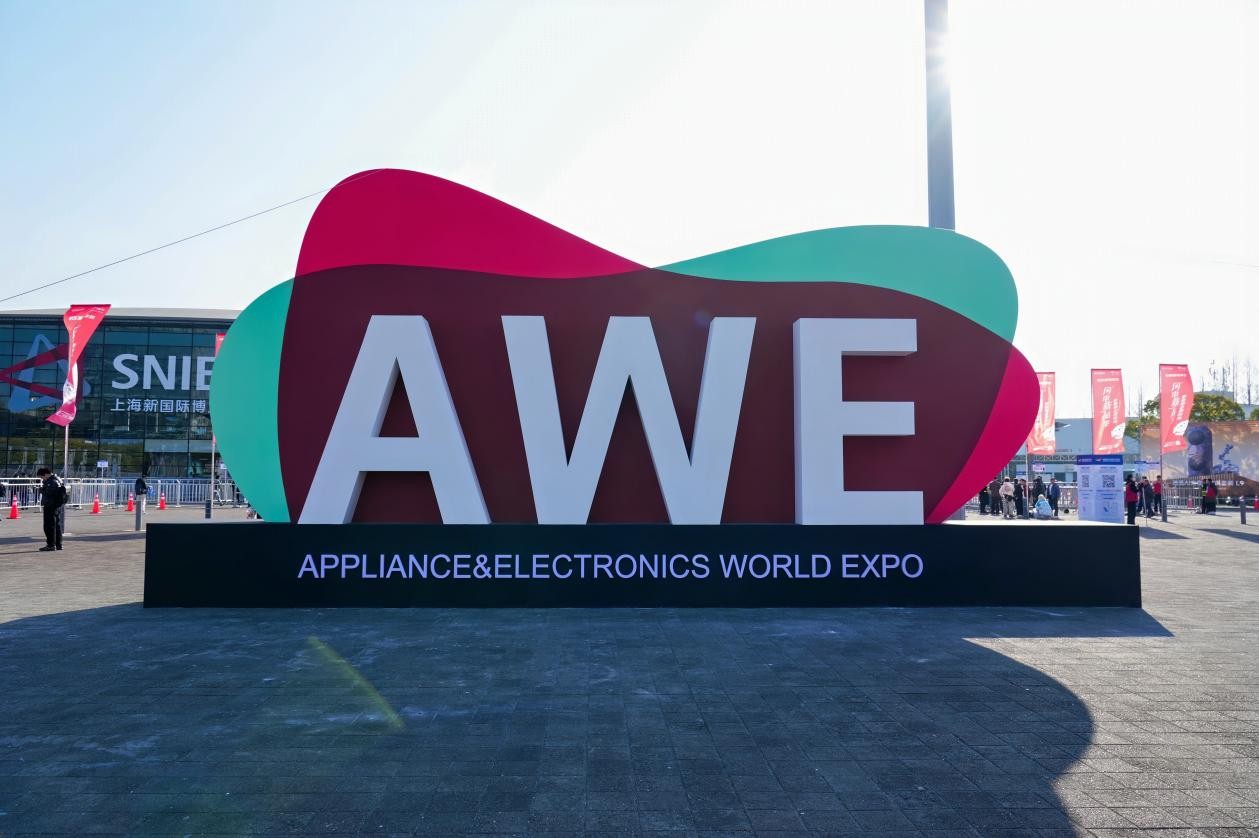
The air - conditioning industry urgently needs a technological paradigm shift. At the 2026 AWE exhibition, Midea Air - Conditioning, the industry leader, took the lead in opening a new era of architectural innovation in the industry with its core technology, the All - Round Air Architecture.
I. Why is architecture the future core technology of the air - conditioning industry?
Looking at the technological evolution of the air - conditioning industry, it is also a process of people's continuous understanding of air management.
In the initial functional era , air conditioners were devices designed around a single task, with the core goal of cooling or heating. The technological competition among manufacturers mainly revolved around more efficient compressors, higher energy - efficiency ratings, and larger air volumes.
However, when users began to pay attention to humidity adjustment, air cleanliness, or fresh air circulation, the limitations of single - temperature control devices gradually became apparent. Functions such as cooling, heating, and dehumidification were isolated from each other, and users often had to rely on multiple devices to supplement. This product form centered on a single function gradually created a "functional island" experience.
It wasn't until the arrival of the second stage, the platform era. Manufacturers standardized the design of core hardware, enabling key components such as compressors, heat exchangers, and air ducts to be modularly reused. Different models of air conditioners could share the same technological platform.
On this basis, manufacturers began to pre - integrate the originally scattered functional modules to form a series of fixed "function packages" for users to choose from. For example, in addition to cooling and heating, fresh air, purification, or dehumidification functions were added to create combination solutions such as "cooling + heating + fresh air".
However, platformization is essentially a functional superposition logic: although these capabilities are integrated into the same device, they often exist in different modes, lacking a real collaborative relationship and being difficult to flexibly adjust according to different environments or user needs.
The truly effective solution is not to add more devices and options but to achieve systematic air management by unifying the scheduling of temperature, humidity, air quality, and airflow environment through a system.
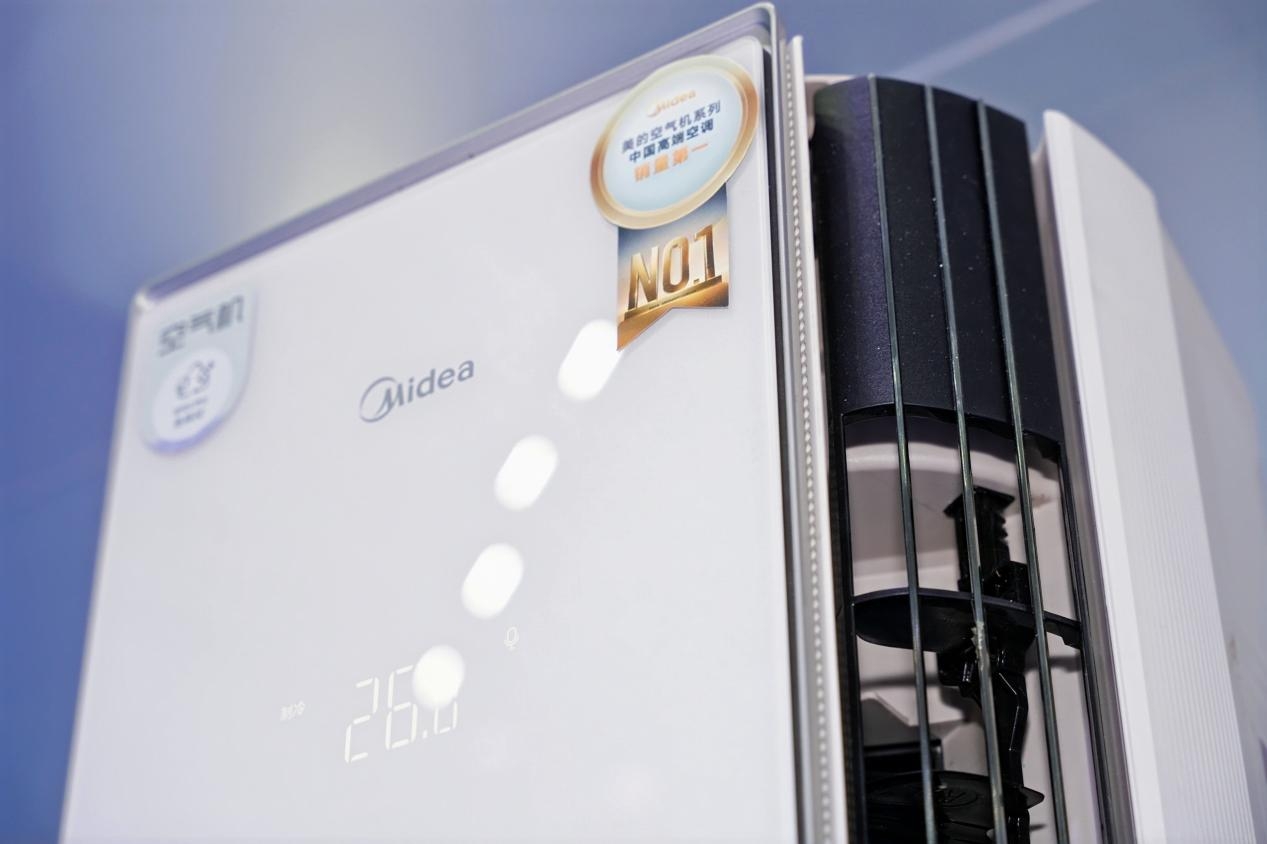
This is why architecture can become the real technological watershed in the air - conditioning industry.
On the one hand, it can transform air conditioners from a collection of functions in the platform era into an organization with a central brain. Modules such as fresh air, purification, temperature control, humidity control, and wind sensation no longer operate independently but can be actively scheduled and collaboratively managed according to AI - perceived environmental conditions and user needs.
On the other hand, through pre - embedded technological interfaces and system openness, future air conditioners will have the possibility of continuous evolution. This means that architecture makes air conditioners no longer a closed device but a terminal that can continuously add or remove modules, connect to third - party ecosystems, and continuously expand its capabilities.
Just as architecture is to the automotive industry, it has transformed cars from mechanically - controlled industrial products into intelligent terminals unified by software. For the air - conditioning industry, architecture means that air management has reached a new technological height - it's no longer about selling an air conditioner but defining the technological foundation for air management.
In the future, it will be an architectural technological competition that rewrites the underlying rules of the air - conditioning industry.
II. Midea's All - Round Air Architecture leads the air - conditioning industry into the architectural era
As architecture becomes the next - generation solution for the air - conditioning industry, a new question emerges: What kind of architecture can be considered leading in the era?
At the AWE 2026 event, Midea Air - Conditioning, the industry leader, launched the All - Round Air Architecture, which attracted numerous people's attention and sparked discussions.
As the world's first intelligent air - conditioning architecture, the All - Round Air Architecture starts from the bottom - up reconstruction of home air. Through modular design and central intelligent scheduling, different air - related capabilities can operate collaboratively in the same system, thus breaking the logic of traditional air - conditioning function stacking.
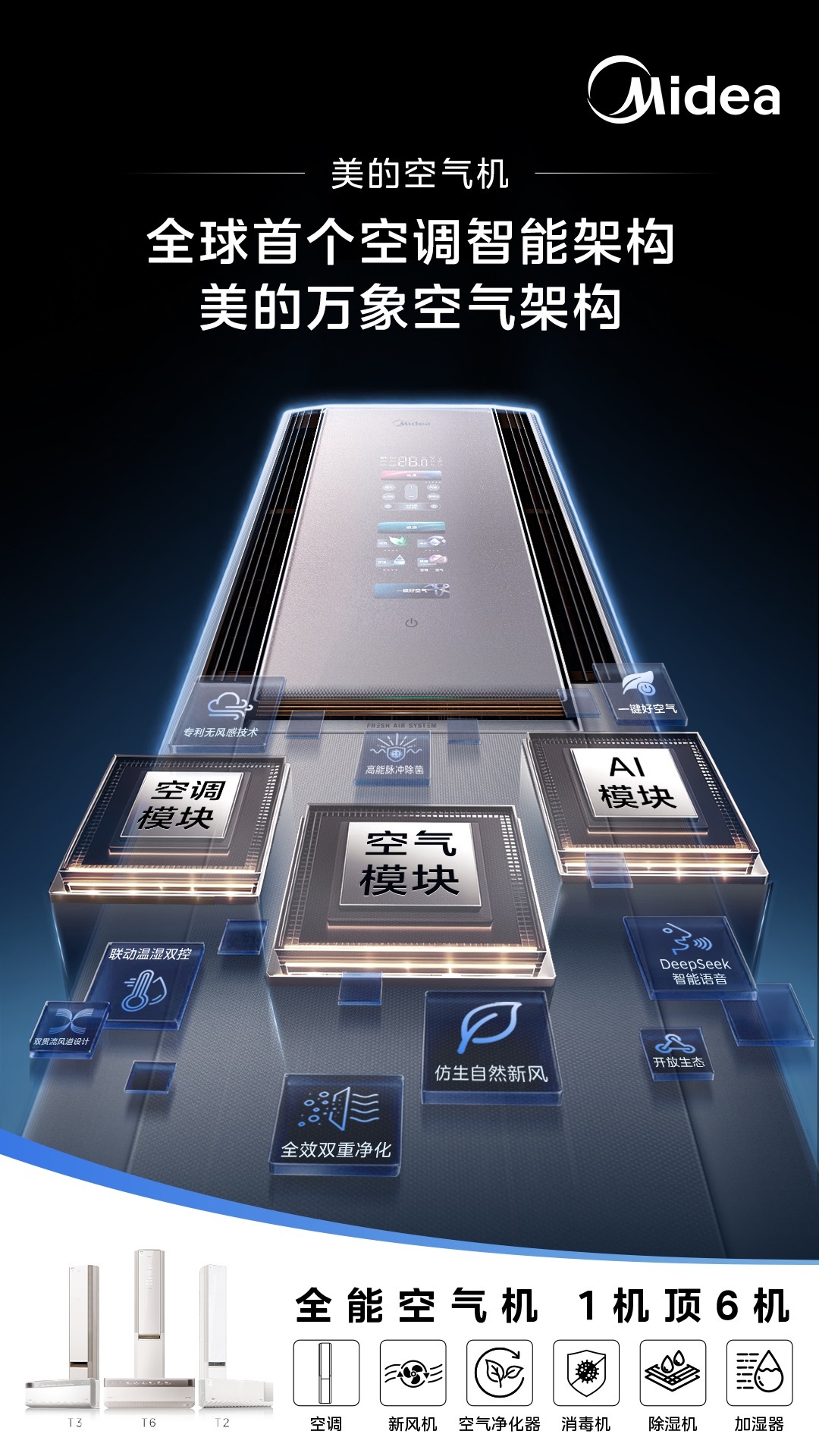
Under the All - Round Air Architecture, traditional air conditioners are re - disassembled into three core modules that operate collaboratively - the air - conditioning module, the air module, and the AI module, thus forming a complete air management system.
Among them, the air - conditioning module undertakes the basic environmental adjustment ability, constructing a stable and comfortable sensory experience through multi - dimensional control of temperature, humidity, and airflow; the air module is responsible for air quality management, integrating capabilities such as fresh air, purification, and sterilization to ensure healthy indoor air for breathing.
Finally, the AI module plays the role of an intelligent brain. Through the L5 - level intelligent voice interaction system, the DeepSeek large - model, and multi - dimensional perception capabilities, it unifies the scheduling of the capabilities of originally scattered air - conditioning, fresh air, and purification devices, enabling intelligent management of home air.
When the underlying technology of air management is rewritten, a "super air conditioner" emerges.
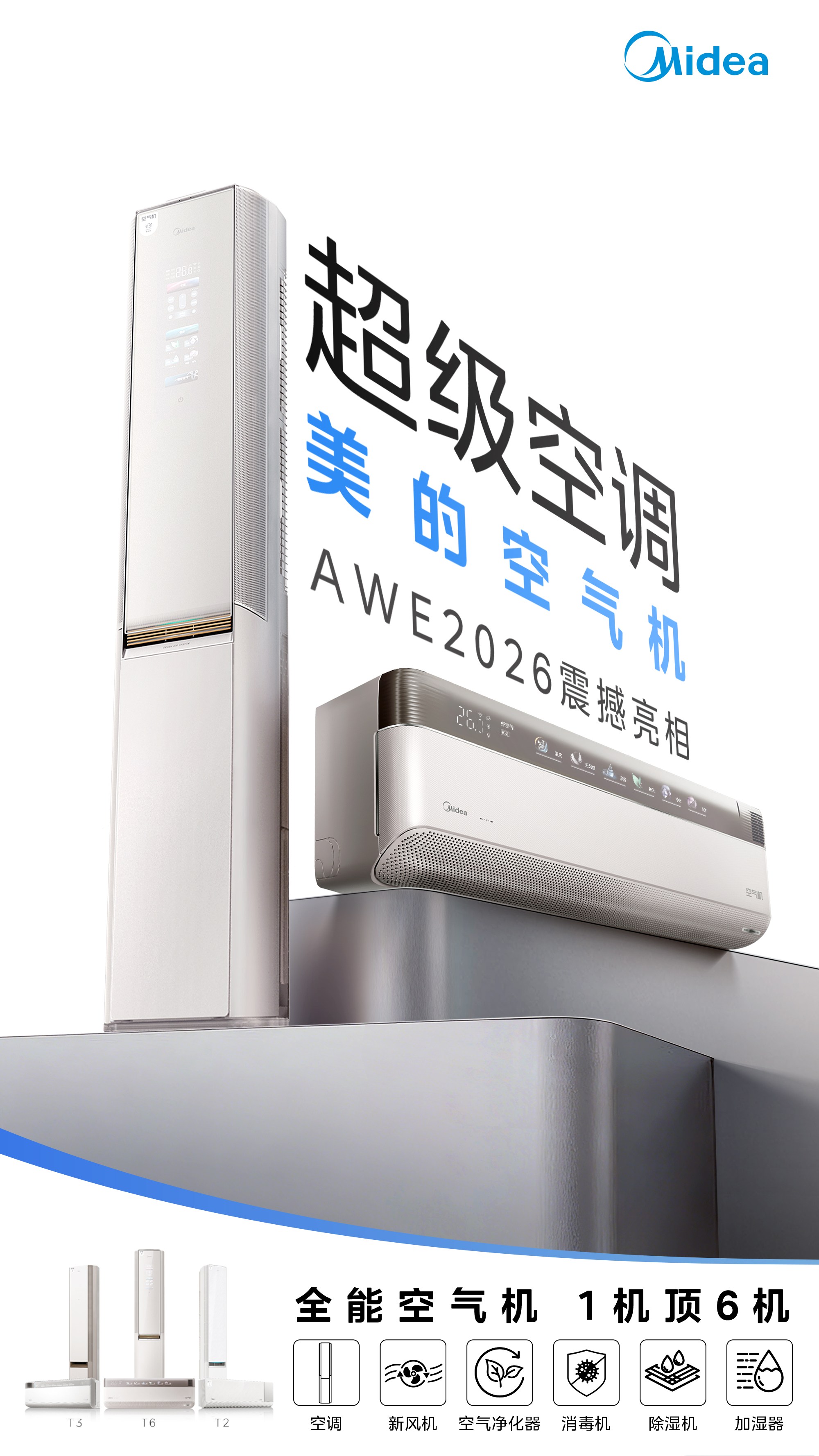
Midea's air machine family is a "new species" in the air - conditioning industry born based on Midea's All - Round Air Architecture. Represented by the Midea Air Machine T6 as the flagship, through the collaboration of the air - conditioning module, the air module, and the AI module, it integrates the originally scattered air - related capabilities into a system, truly achieving "one machine replacing six machines".
It is worth mentioning that Midea Air - Conditioning has also carried out in - depth cooperation with Huawei and fully connected to the HarmonyOS ecosystem.
At the HarmonyOS Partner Summit on March 10th, the first HarmonyOS - selected air conditioner jointly developed by Midea Air - Conditioning and Huawei, the HarmonyOS Air Machine and the HarmonyOS All - Round Air Conditioner, were officially unveiled. Based on the HarmonyOS, Midea Air - Conditioning is no longer just a temperature regulator but a "smart air butler" deeply integrated into Huawei's whole - home intelligence. This is also one of the characteristics of Midea's All - Round Air Architecture, which is open to the ecosystem, seamlessly integrates with various large - models and partner ecosystems, and shares air data and user status through distributed capabilities to achieve a more intelligent air management experience.
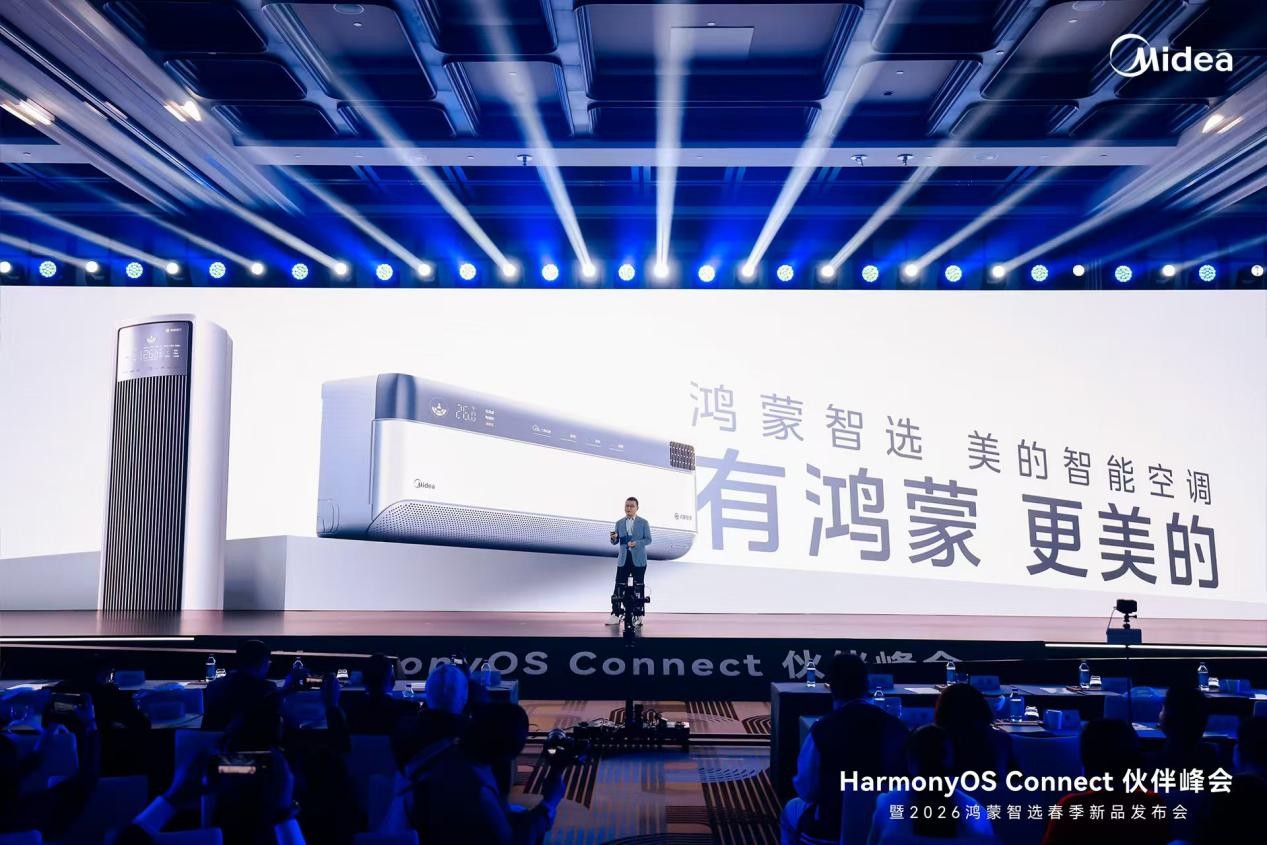
This is why Midea Air - Conditioning is not only a multi - functional device but also provides endless possibilities through an interface.
Midea's All - Round Air Architecture reserves open technological interfaces, enabling Midea's air machines to have the ability to continuously evolve. In the future, whether it is new sensing devices or more intelligent ecological terminals, they can be connected to this system, continuously expanding the boundaries of air management capabilities.
III. Why is it Midea Air - Conditioning: When industrial capabilities catalyze core technology
Midea Air - Conditioning's pioneering All - Round Air Architecture is undoubtedly an important leap in the air - conditioning industry over the past few decades.
In terms of category innovation, air conditioners, in the form of air machines, have broken free from the limitations of single functions and risen to become the management center of home air. At the same time, by breaking the logic of traditional air - conditioning function stacking, it has laid the foundation for a new round of technological paradigm in the air - conditioning industry.
When an architectural competition around air management begins, what makes the outside world curious is: Why can Midea Air - Conditioning master the core technology of the air - conditioning industry and take the lead in opening a new era of inter - generational leadership in the air - conditioning industry with the thinking of "defining the ecosystem through architecture"?
In fact, this is an inevitable result of the accumulation of industrial capabilities to a certain extent.
The core capabilities of the global air - conditioning industry have become highly concentrated in China. After decades of development, China has not only become the world's largest air - conditioning consumer market but also established the world's most complete air - conditioning industry chain, from compressors, electronic control systems to complete machine manufacturing, from supply - chain support to distribution networks. According to industry data, China's current air - conditioning production capacity accounts for about 85% of the global total, producing almost all the air - conditioning products needed by the global market.
When the manufacturing capabilities, supply - chain systems, and engineering experience of an industry are highly concentrated in the same country, core technological innovation often occurs there. Both the Japanese automotive industry in the early days and the South Korean semiconductor industry later have gone through similar paths. In the Chinese air - conditioning industry system, Midea Air - Conditioning is one of the representative enterprises.
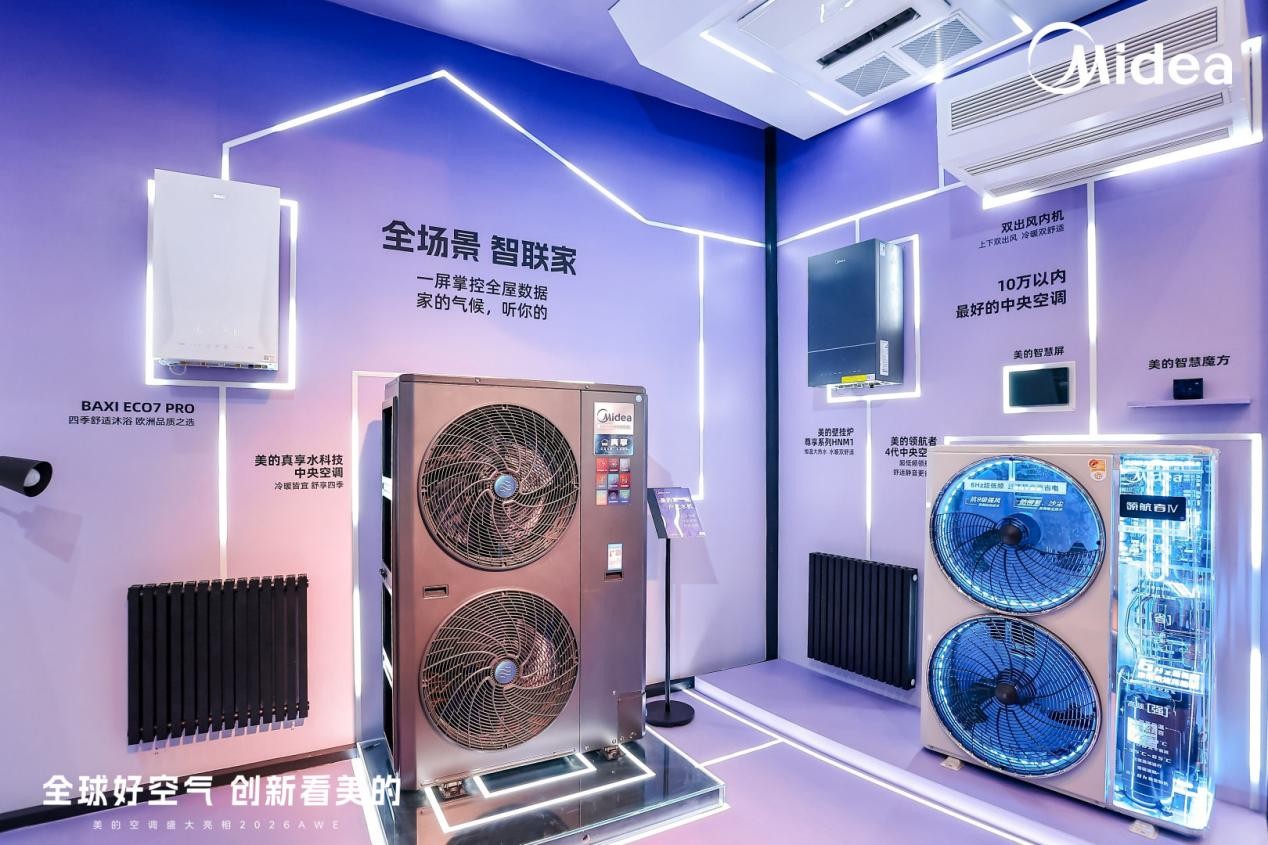
Since the official establishment of the air - conditioning equipment manufacturing factory in 1985, Midea Air - Conditioning has developed over 40 years and has become a business unit integrating R & D, production, sales, design, installation, and after - sales service.
Over the past four decades, Midea Air - Conditioning has witnessed round after round of industrial upgrades in Chinese households. It has gradually evolved from the initial OEM manufacturing model to the ODM model centered on technology and design, and now to the OBM model led by brand and technology. In this process, Midea Air - Conditioning is both a participant and an important promoter.
Today, one out of every four air - conditioning products sold in the global market is manufactured by Midea Air - Conditioning. In addition, according to the "2026 Consumer Appliances" report released by Euromonitor International, Midea Air - Conditioning once again ranked first in global sales in 2025.
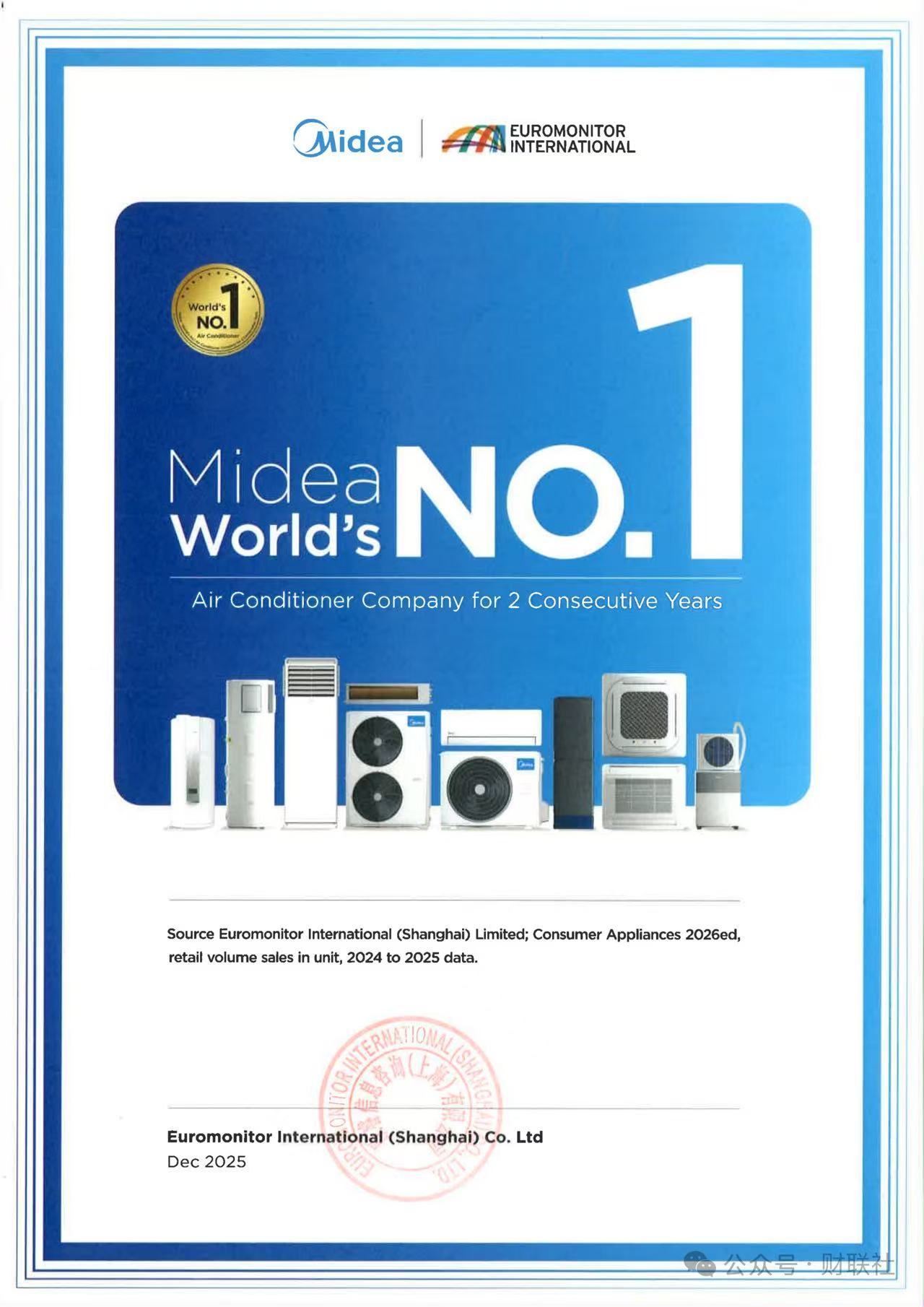
When industrial - chain capabilities and scale advantages are formed simultaneously, the role of an enterprise often changes - it is no longer just a participant in the industry but begins to have the ability to define the industry direction. Therefore, it is not difficult to understand why while other competitors are still upgrading the "internal combustion engine" of functions, Midea Air - Conditioning has completed the electrification reconstruction of the underlying architecture.
True innovation that changes the industry landscape is often not a single - point technology but the reconstruction of industry rules after the accumulation of industrial capabilities. In this sense, Midea Air - Conditioning has achieved a "dimensionality - reduction strike" in the traditional air - conditioning industry with its All - Round Air Architecture.