On the road to AI phones, Honor "betrayed" Doubao
The "AiPhone" has been slow to appear, and Honor has chosen to break the limitations of the "black square."
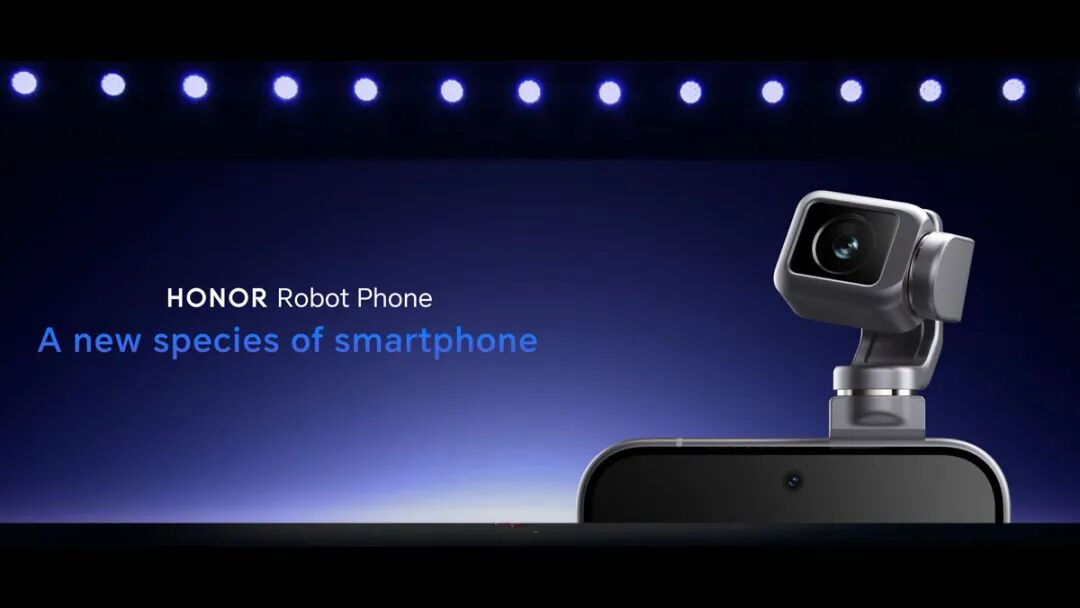
Image source: Honor
On March 1, 2026, on the eve of the opening of the 2026 Mobile World Congress (MWC), Honor held a new product launch event and introduced the Robot Phone. It integrates a 4DoF robotic arm gimbal on the back. Coupled with Honor's AI intelligent agent "brain," it has multi-modal interaction capabilities.
In response, Honor CEO Li Jian said, "A mobile phone shouldn't just be a 'boring black square' with a touch screen. We've decided to give it a brain and also give it hands and feet. A bold, avant - garde, and exploratory product design like the Robot Phone hopes to bring a bit of shock to the dull mobile phone industry and rekindle the long - lost excitement and curiosity in everyone's hearts."
After reviewing Honor's official promotional materials and hands - on videos from digital bloggers, Farsight found that the Robot Phone mainly brings differentiated experiences in two dimensions: shooting and interaction.
Based on functions such as AI automatic framing and object tracking, the Robot Phone can achieve 360° full - dimensional lens adjustment and easily capture movie - grade footage. In daily use, due to the high degree of freedom of the gimbal, the Robot Phone's camera can also move rhythmically with music and make actions such as nodding and shaking its head according to the corresponding scenarios.
Previously, Honor had been fully promoting its AI transformation, but it had been innovating AI functions within the framework of traditional smartphones and had not successfully opened up the market. Now, creating the distinctive Robot Phone largely indicates that Honor hopes to obtain the "AI ticket" through hardware innovation.
However, whether the Robot Phone is the ultimate form of an AI mobile phone remains to be discussed.
Honor Actively Embraces AI, and Doubao Follows Suit
If we talk about the most aggressive company in AI layout in the current Chinese smartphone industry, if Honor claims to be the second, perhaps no other company would dare to claim to be the first.
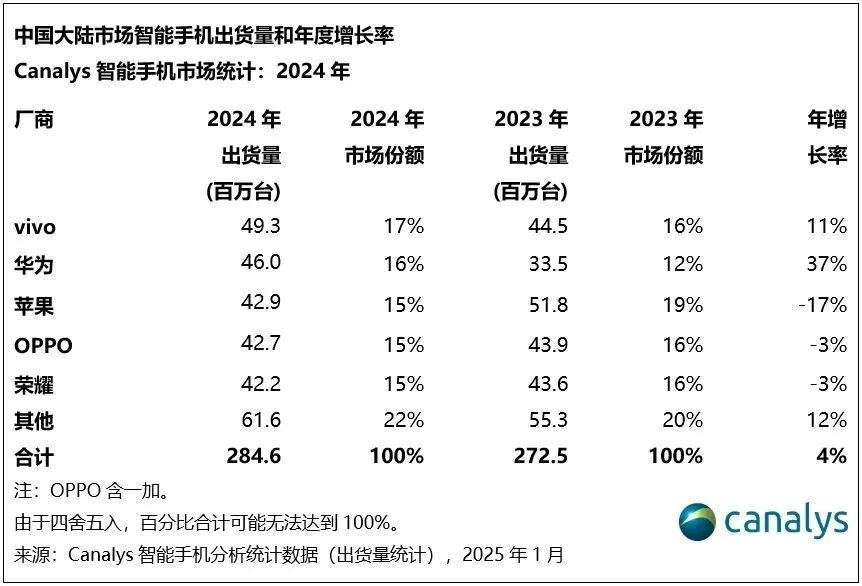
Image source: Canalys
The main reason is that Honor is facing huge survival pressure. After 2022, with the strong recovery of Huawei's mobile phones, Honor's market influence has been declining. Canalys data shows that from 2022 to 2024, Honor's mobile phone shipments were 52.2 million, 43.6 million, and 42.2 million units respectively, with a cumulative decline of up to 19.16%.
Fortunately, with the advent of a new round of technological transformation, Honor has found a path for differentiated development. ChatGPT, which emerged in November 2022, ignited the AI concept and is expected to reshape smartphone products. To open up growth space, Honor has fully embraced the AI technology trend and carried out functional innovation.
In November 2022, Honor launched MagicOS 7.0, which can provide platform - type AI solutions through three capabilities: scenario awareness, user understanding, and intention decision - making. When MagicOS 8.0 was launched in January 2024, Honor was the first in the industry to introduce intention recognition human - machine interaction, which can intelligently recognize user intentions, make reasoning and decisions, and actively provide personalized services to efficiently complete complex tasks.
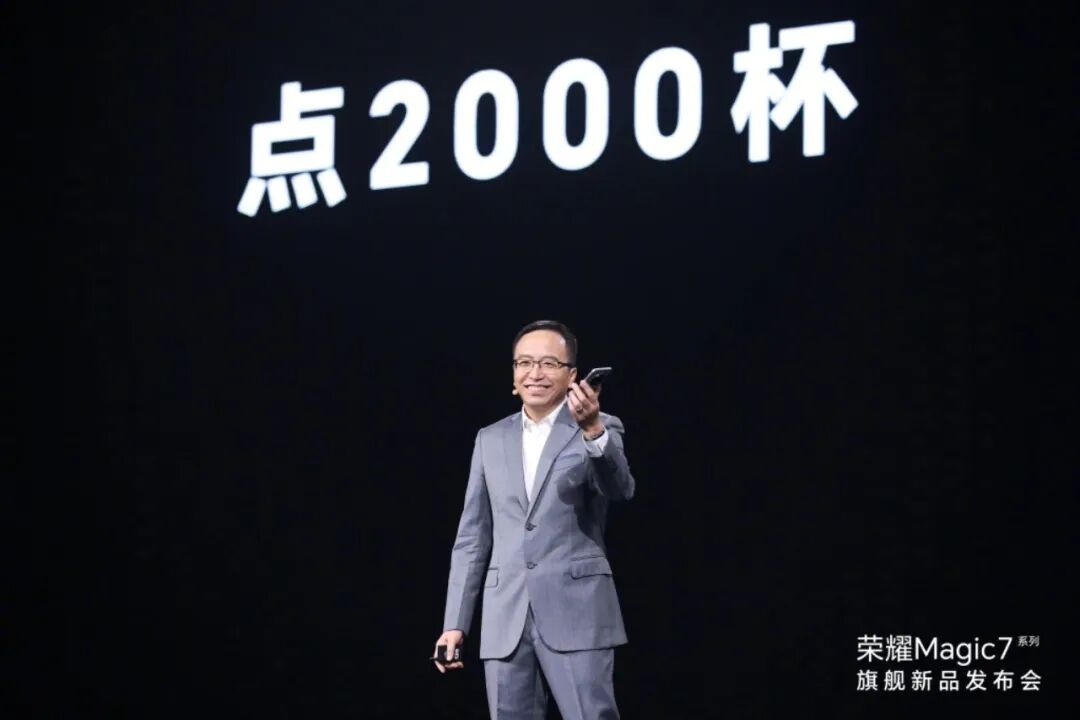
Image source: Honor
When MagicOS 9.0 was launched in October 2024, Honor took it a step further and introduced the "YOYO Intelligent Agent" that can "automatically execute tasks with a single sentence." At the launch event of Honor Magic 7, then - Honor CEO Zhao Ming issued instructions to the "YOYO Intelligent Agent" through voice interaction, placing an order for 2,000 cups of coffee with a single sentence, which sparked heated discussions among netizens.
In response, Zhao Ming said proudly, "In terms of AI, we are firmly committed to building the 'autopilot' for mobile phones. In terms of intelligent experience, no other manufacturers can compare or compete with Honor. We have left all other manufacturers behind in this regard."

Image source: Honor
Although Honor encountered a leadership change and high - level turmoil in 2025, the company's emphasis on AI has only increased. At the MWC 2025 held in March 2025, Li Jian, the newly appointed Honor CEO, announced the "Alpha Strategy," stating that Honor would transform from a smartphone manufacturer into a globally leading AI terminal ecosystem company.
In October 2025, Honor launched the Honor Magic 8 series, positioned as a "self - evolving AI native mobile phone," which can provide eight major AI experiences such as shopping companions, food companions, and travel companions.
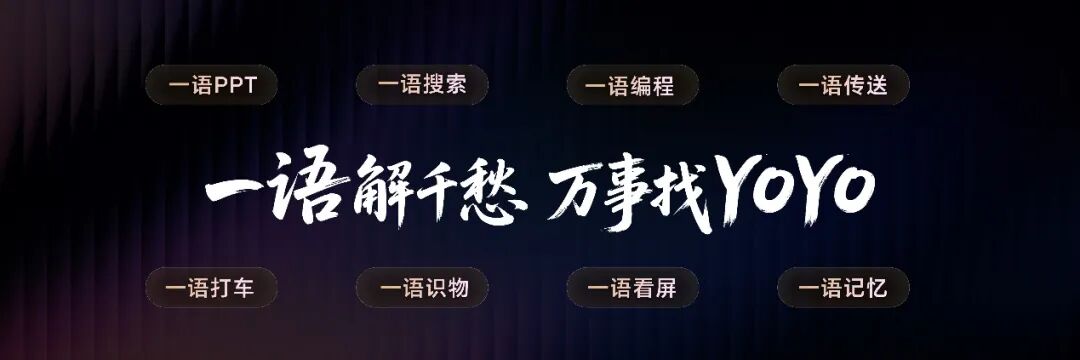
Image source: Honor
In response, Li Jian said, "While others are busy benchmarking against the iPhone, we are thinking about and creating a truly self - evolving AI native mobile phone. It has self - evolving hardware, a self - evolving system, and a self - evolving ecosystem. It's not an iPhone, but an AiPhone."
Reviewing Honor's AI layout in the past few years, it's not difficult to find that its strategic focus has always revolved around "active service" - by deeply exploring the potential of AI technology, enabling the AI assistant to understand, predict, and execute user needs actively, bypassing the complex mobile Internet ecosystem.
In fact, Honor's choice is not an isolated case. After making the Doubao AI assistant a hit, ByteDance has also started to think about how AI can deeply empower intelligent terminals.
On December 1, 2025, ByteDance, in cooperation with ZTE, launched the "Doubao Mobile Phone" nubia M153, which can execute tasks with a single sentence. After users issue specific instructions, the Doubao mobile phone assistant can perform automatic operations across applications through GUI simulation click technology and feedback the corresponding results.
In response, Fang Fei, the president of Honor's product line, said, "The technical logic of the Doubao mobile phone assistant to achieve general scenario support and automatic execution through the UI Agent is highly consistent with Honor's development direction from specific tasks to general execution."
In this sense, Honor is actually the "teacher" of the Doubao mobile phone.
Big Tech Companies Resist the "Doubao Mobile Phone," and Compromised Honor Fails to Create a Hit
Since it can bring a differentiated user experience, the "Doubao Mobile Phone" has been well - received in the market as soon as it was launched. Not only were the official stores sold out, but there was also a premium of thousands of yuan on the second - hand platform.
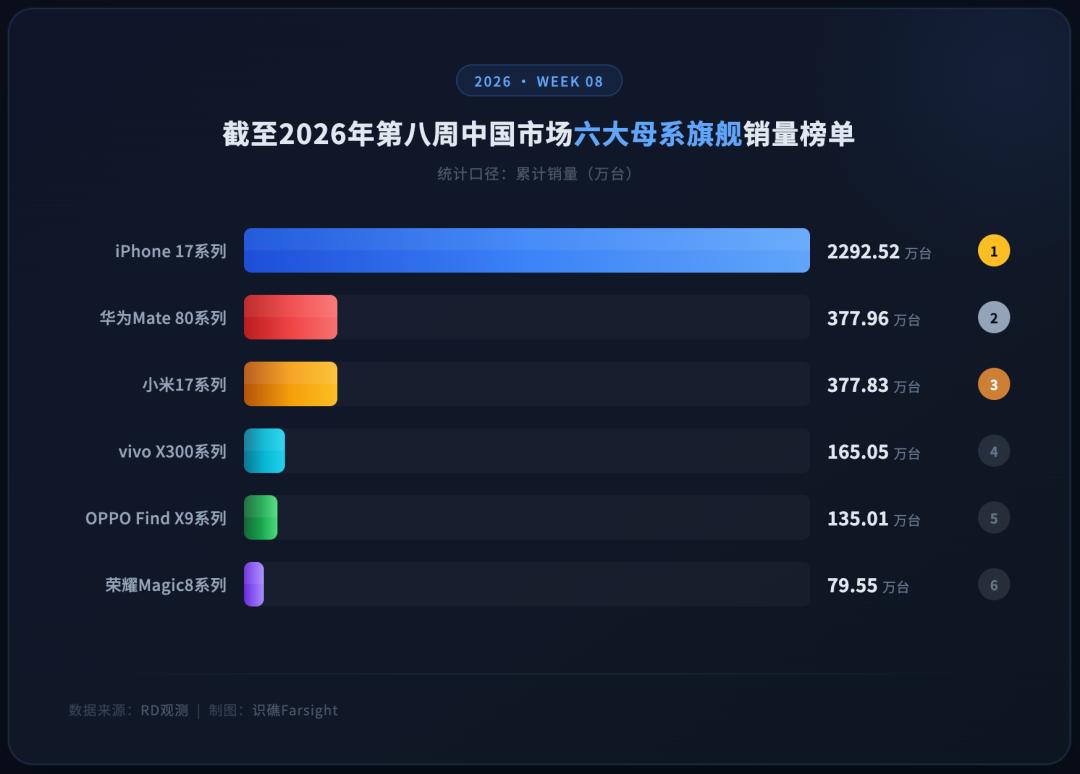
In sharp contrast, as the culmination of Honor's AI technology, the Honor Magic 8 failed to become a hit. Data disclosed by the digital blogger "RD Observation" shows that as of the eighth week of 2026, the sales volume of the Honor Magic 8 series was only 795,500 units, ranking last in the sales list of flagship mobile phones of the top six smartphone brands.
The main reason is that as a smartphone giant, Honor not only needs to create user value but also needs to consider the interests of developers. The Honor Magic 8 did not fully unleash the potential of AI through the simple and crude GUI simulation click technology like the "Doubao Mobile Phone."
Official materials show that the "YOYO Intelligent Agent" on the Honor Magic 8 mainly relies on the system - level MCP architecture to achieve the operation of "automatically executing tasks with a single sentence." Based on the MCP architecture, the "YOYO Intelligent Agent" supports automatic execution in more than 3,000 scenarios and can perform operations such as price comparison shopping, photo beautification, and connecting to WiFi with a single sentence.
However, it should be noted that not all third - party software developers have the motivation to adapt to the MCP interface. If the user's instructions are too specific and span several applications, the "YOYO Intelligent Agent" on the Honor Magic 8 may "go on strike."
The above limitations not only make it difficult to improve the efficiency of users using the Honor Magic 8 but also increase the usage cost to a certain extent.
Since the Honor Magic 8 series fails to achieve full - scenario AI adaptation, users often need to judge whether their needs exceed the ability boundary of the AI assistant before issuing instructions to the "YOYO Intelligent Agent." This "judge first, then use" interaction logic invisibly raises the usage threshold for users and weakens the seamless and convenient experience that the AI assistant should provide.
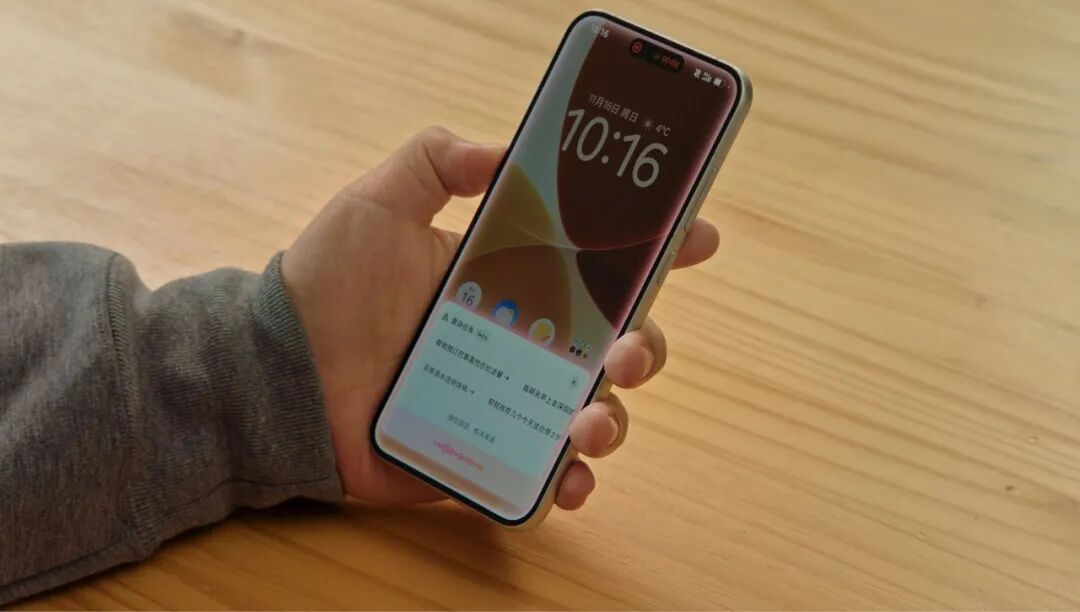
Image source: Doubao Mobile Phone
In contrast, since it doesn't require software developers to actively adapt and can achieve cross - application operations through GUI simulation click technology, the "Doubao Mobile Phone" can almost respond to any user needs with a high degree of certainty, so it is highly sought after in the consumer market.
However, because it impacts the traffic entrance, data sovereignty, and security risk control of existing apps, the "Doubao Mobile Phone" has also been resisted by Internet giants. A few days after its launch, apps such as WeChat, Taobao, and Alipay blocked the "Doubao Mobile Phone."
In response, at the annual employee meeting held at the end of January 2026, Ma Huateng, the Chairman and CEO of Tencent, said that Tencent has always been firmly against using black - market plug - ins to record the user's mobile phone and computer screens and send them to the cloud, "because this is extremely unsafe and irresponsible."
Obviously, in terms of understanding and forward - looking layout of AI technology, Honor is not inferior to Doubao. However, compared with the "Doubao Mobile Phone," which has a lighter burden, Honor carries a heavier historical burden and finds it difficult to carry out a disruptive reconstruction of existing products based on AI technology without scruples.
The "YOYO Intelligent Agent" appears restrained and cautious under the balance of multiple interests and fails to reshape the interaction paradigm of smartphones, failing to create a generational gap with traditional smartphones. Therefore, although the concept is very novel, due to functional compromises, the market performance of the Honor Magic 8 series is even worse than that of traditional smartphones.
Honor Turns to Hardware Innovation but Still Needs to Face Ecosystem Challenges
In view of the fact that it is difficult for existing smartphones to transform into "AI mobile phones" through software innovation under the resistance of Internet giants, Honor has taken a different approach and started from hardware to create the Robot Phone.
When launching the Robot Phone, Honor no longer emphasized the "automatically execute tasks with a single sentence" ability of the operating system but focused on introducing that the product's gimbal camera can cooperate with Honor's AI intelligent agent "brain" to shoot movie - grade footage and express "emotions" through nodding and shaking its head.
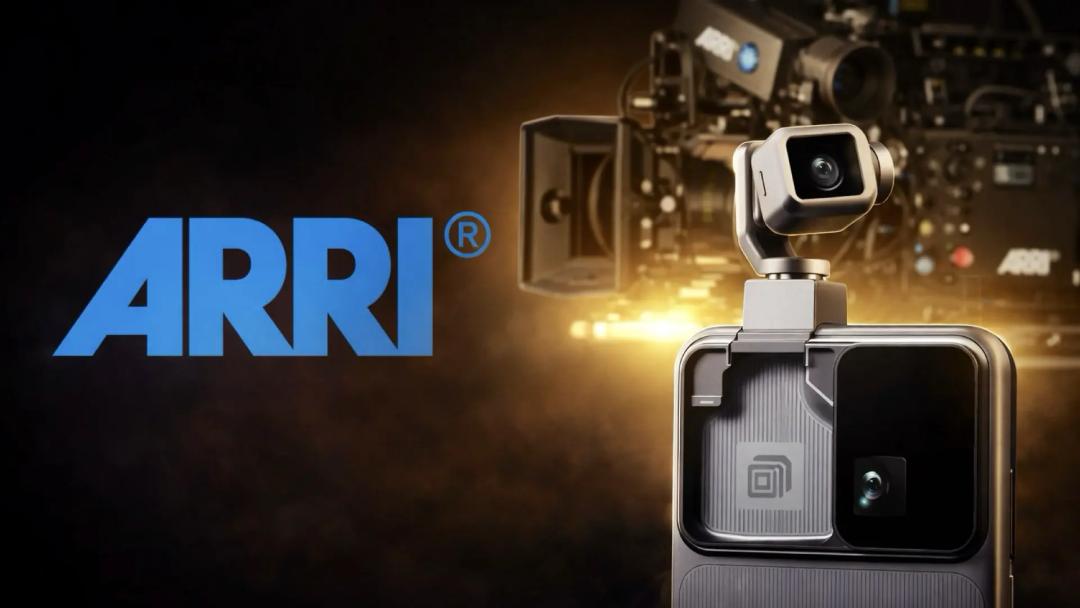
Image source: Honor
To enhance the creative ability of the robot phone, Honor even reached a strategic technical cooperation with ARRI, a movie photography equipment manufacturer. A series of subsequent cooperation results will be first implemented on the Honor Robot Phone.
Against the backdrop of the "AiPhone" being difficult to produce, Honor's courage to break through the inherent form of the "black square" of smartphones and create a unique robot phone is indeed worthy of recognition. The combination of AI and the gimbal camera can indeed greatly empower content creators, but this product has not solved the problem of the fragmentation of the mobile Internet ecosystem.
Although the mobile Internet will be reshaped as AI technology matures, it is difficult for AI terminals to build a new ecosystem from scratch without relying on the existing Internet ecosystem.
Currently, technology giants have reached a consensus on the gradual development of the next - generation AI terminals - first use AI capabilities as a link to horizontally integrate the fragmented Internet ecosystem, reshape the service transfer path, cultivate user usage habits, and force developers to adapt, thereby achieving a smooth transition from the mobile Internet to the "AI Internet."
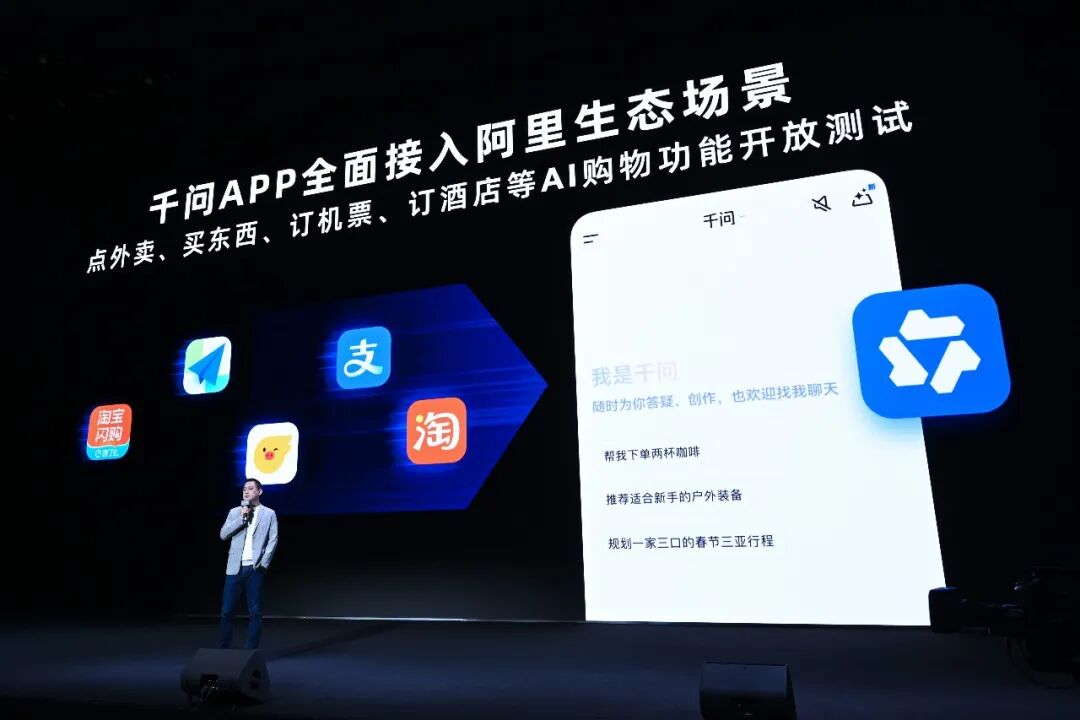
Image source: Alibaba
Typically, Alibaba has, on the one hand, created the Qianwen personal AI assistant application that integrates ecological services such as Taobao, Alipay, and Fliggy; on the other hand, it is also actively deploying products such as AI glasses, AI rings, and AI earphones, trying to control the next - generation AI entrance by taking a two - pronged approach.
Similarly, at the end of January 2026, "