Vivo and Insta360 are targeting DJI. How long can the Pocket series maintain its dominance?
In 2016, DJI released the first - generation Mavic Pro. Meanwhile, mobile phone manufacturers were engaged in a fierce competition over the pixels of dual - cameras.
No one could have imagined that ten years later, these two seemingly parallel lines would intersect at the point of "handheld gimbal camera".
Vivo has confirmed that it internally initiated a project for a Vlog camera at the end of 2025, targeting DJI's Pocket series. It is expected to meet us within 2026.
Coincidentally, according to ifanr, Insta360's handheld gimbal camera will also be released in the first half of the year.
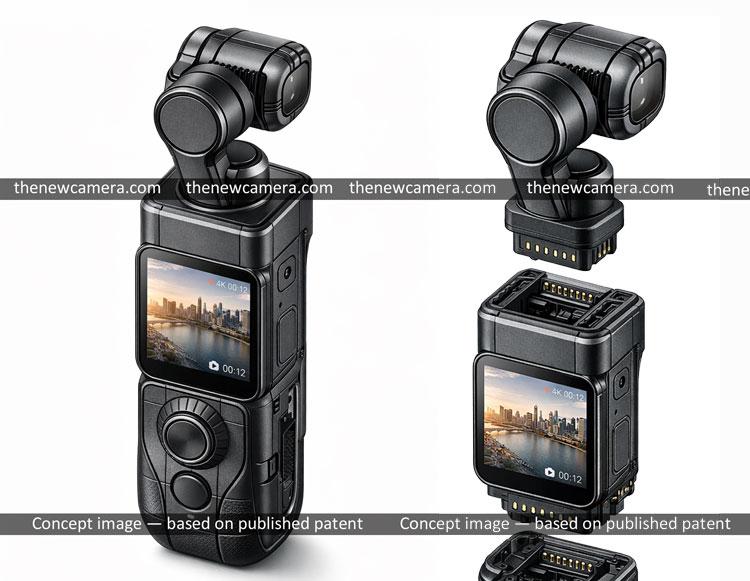
According to the inertial thinking, cameras and mobile phones belong to two distinct industries. However, when focusing on the Pocket form, you'll find that the entry of mobile phone manufacturers like vivo and Insta360 is not out of place. Instead, it is timely and logical.
Seemingly a cross - border move, but actually in their own line of business
Vivo's greatest confidence in entering the camera market comes from the supply chain.
After two generations of running - in with Pocket 1 and 2, Pocket 3 uses a one - inch CMOS. Although DJI didn't explicitly state the source of this sensor, industry clues almost all point to Sony.
If you're interested in mobile imaging, you should have keenly associated it with several familiar models - the Sony IMX989 widely used by domestic mobile phone manufacturers and the subsequent iterative LYT900 CMOS sensor.
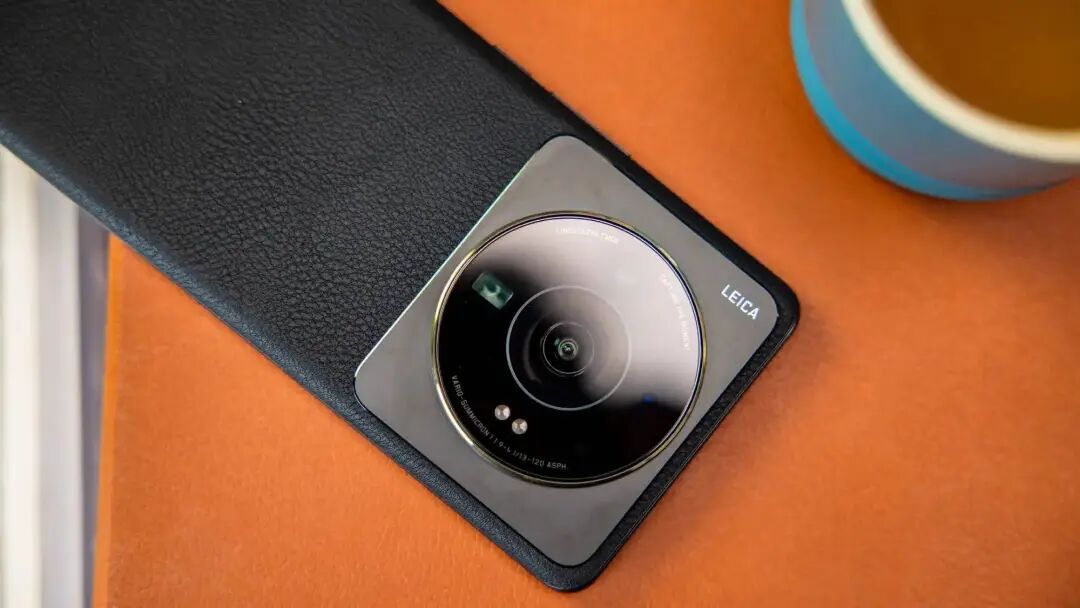
Since the Xiaomi 12S Ultra, domestic mobile phones have kicked off the one - inch sensor war.
Looking back on the past few years, how much money have domestic mobile phone manufacturers invested in Sony's one - inch sensors? Hundreds of millions of R & D funds have been used to adjust color science, optimize the dynamic range of HDR, and control noise in extreme night scenes.
In a sense, mobile phone manufacturers understand this sensor better than camera manufacturers.
Centered around this sensor, in essence, remove the communication baseband of the mobile phone, replace the power - hungry OLED screen with a small viewfinder screen, and relax the heat dissipation limit - congratulations, you've got a vlog camera with excessive performance.
Vivo even has a ready - made "brain". Its self - developed Blueprint V3+ imaging chip has the ability to process portrait videos at 4K 60fps and can independently handle image processing tasks.
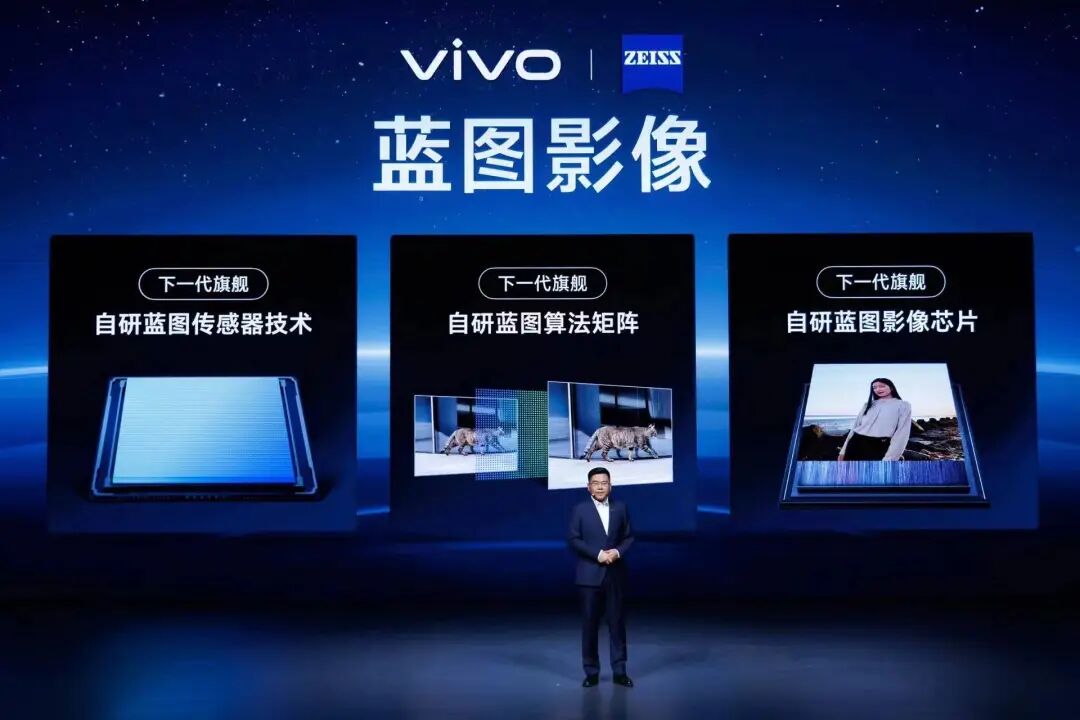
In addition to the foundation provided by the supply chain, some achievements from previous bold explorations have become excellent foreshadows for Vivo to enter the handheld gimbal camera market.
The soul of a handheld gimbal camera lies in the "gimbal", and the most important thing is anti - shake. Vivo once tried to fit a micro - mechanical gimbal into its mobile phones during the X50/X60 era. Although this solution was not continued later, this experience has accumulated key data for them in micro - mechanical structure design and anti - drop testing.
Above the gimbal, there is also the focal length. Vlogs rely on ultra - wide - angle lenses to accommodate self - shooting scenes. DJI Pocket evolved from 28mm in the first generation to 20mm in the second generation to solve this problem.
In the mobile phone industry, Vivo is one of the few manufacturers that use the "ultra - wide - angle" lens for main video tasks. The Vivo X200 Ultra sets its main camera at a 35mm focal length, which is more suitable for humanistic photography, while the 13mm ultra - wide - angle lens becomes the default video main camera, allowing Vivo to accumulate some experience in ultra - wide - angle video shooting.
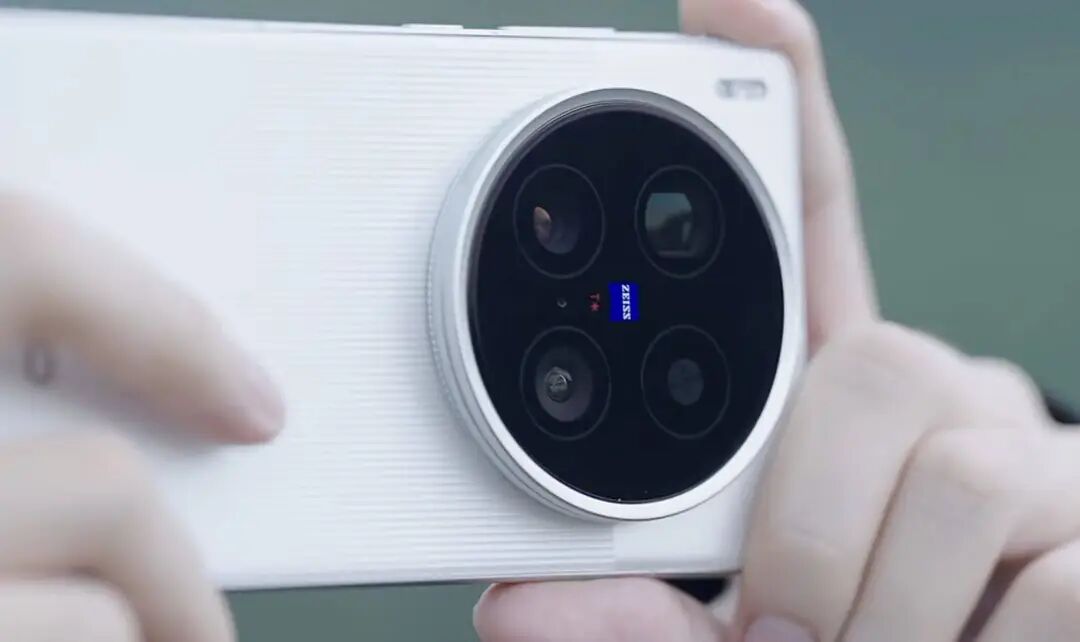
Vivo X200 Ultra
Hardware determines the lower limit, and post - production determines the upper limit. DJI Pocket is highly regarded thanks to D - Log M, and Vivo is also one of the early manufacturers to implement the Log curve and support the ACES industrial - grade color coding system, which means its footage can be used in professional post - production software.
By combining the micro - gimbal structure, ultra - wide - angle algorithm, and Log workflow, Vivo can assemble a mature Pocket camera without having to start from scratch.
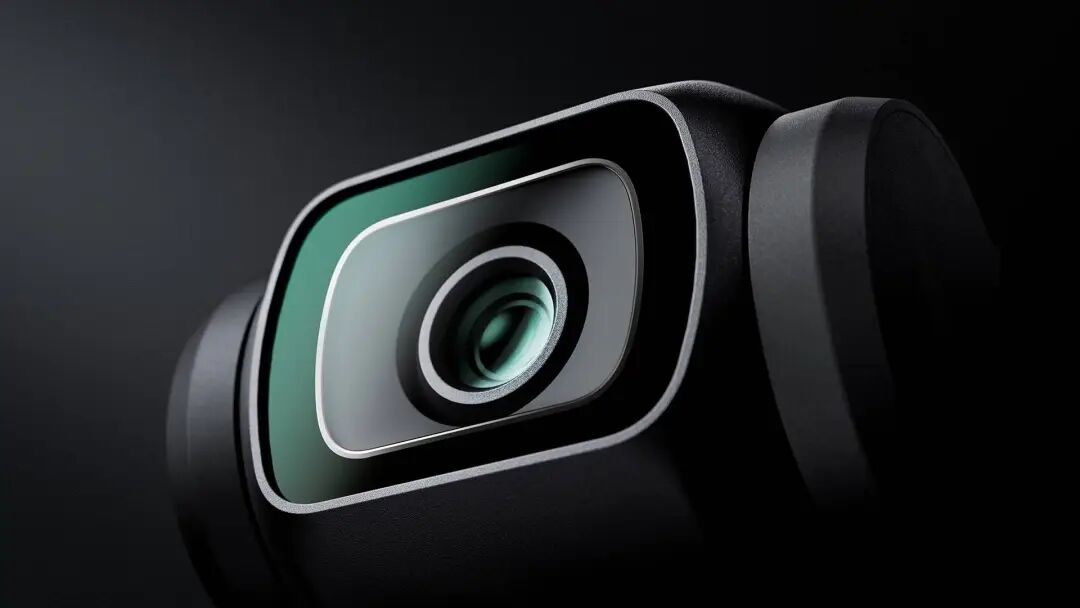
We've found on the public website of the National Intellectual Property Administration that Vivo has applied for patents for related form devices:
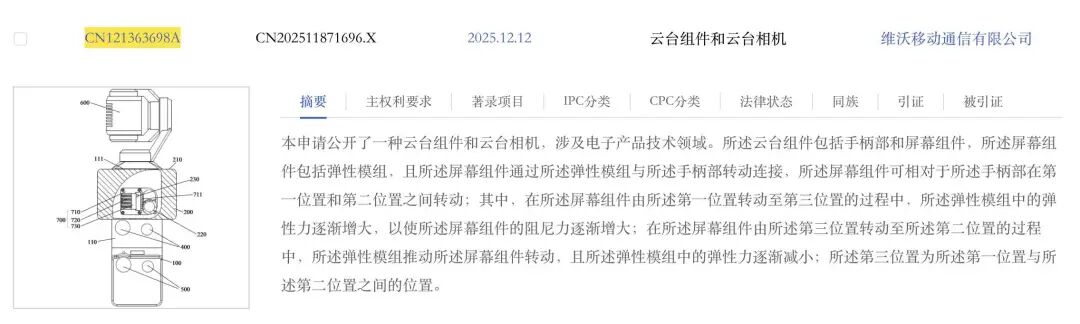
Vivo's patent for handheld gimbal camera
From the perspective of mobile phone users, a Pocket camera launched by a mobile phone manufacturer can also solve many problems.
As a personal terminal, a mobile phone is not solely for imaging. It also has to handle many complex life and work tasks. When you want to shoot a complete performance, you have to worry about the phone's battery. When you want to create, you'll be disturbed by WeChat pop - ups.
Coupled with the ever - expanding WeChat chat records, the so - called "small and beautiful" data that can easily reach dozens of gigabytes makes the mobile phone's storage space very tight. Especially today when the price of memory is soaring, high - memory mobile phones are becoming more and more expensive, leaving little space for imaging.
A handheld gimbal camera is not sensitive to on - board memory. You can solve the storage problem of hundreds of gigabytes of footage by inserting a SD card that costs only a few dozen yuan.
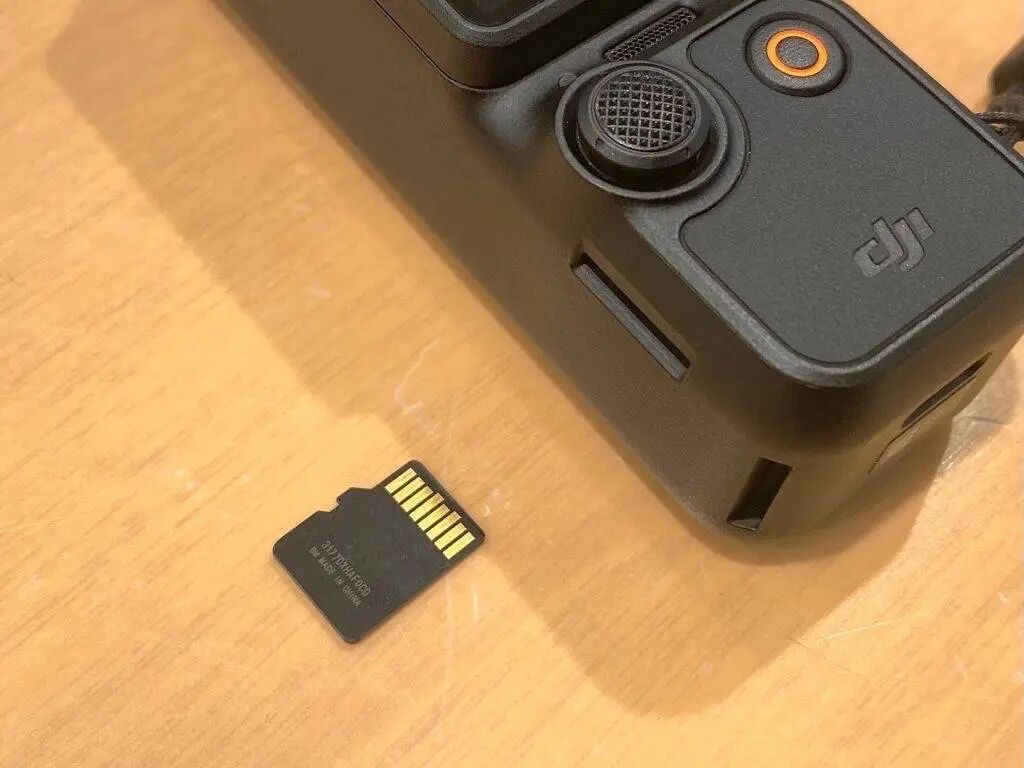
This is a perfect "imaging - specialized" container. Its algorithm and UI are highly consistent with those of mobile phones, and it separates the "recording" function from the mobile phone. It not only relieves the mobile phone's battery and storage anxiety but also provides a more pure creative environment.
With both hardware and software ready and a complete cultural construction, there is an even more important keyword, which is the killer weapon of mobile phone manufacturers and also the moat that DJI has not been able to build so far: ecosystem.
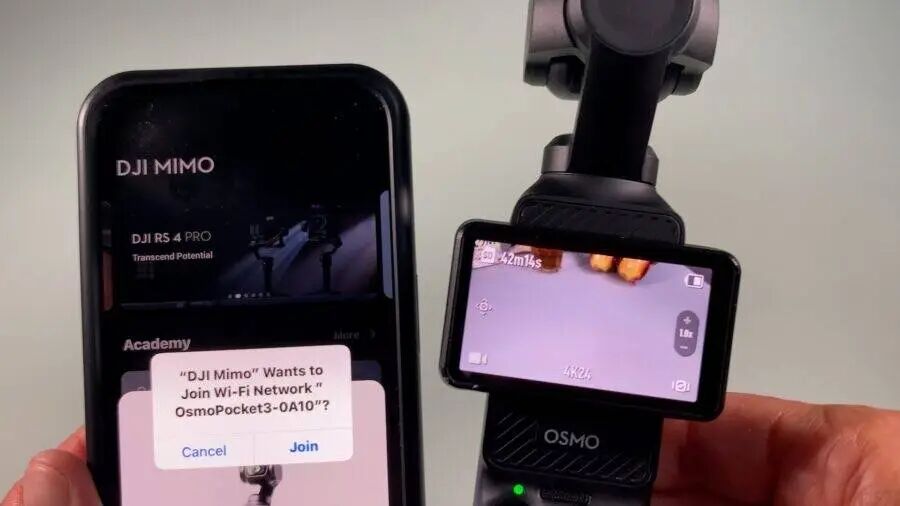
Imagine, when the camera is no longer an isolated device, can the shot footage be transferred to the mobile phone via a private protocol with a single touch? Can it directly call the AI models that have been trained millions of times in the mobile phone for one - click editing? Even during shooting, can the mobile phone and the camera work together, with one as the main camera and the other as the close - up camera?
The ability to seamlessly integrate an independent camera into the entire system ecosystem is the most lethal "killer move" in the hands of mobile phone manufacturers.
The Normandy moment of the Pocket form
Taking Vivo as an example, we've used thousands of words to prove the rationality of Vivo's entry into the handheld gimbal camera market. However, when looking at the entire domestic mobile phone industry, you'll find that most manufacturers have similar conditions.
That is to say, Vivo is by no means the only suitable entrant. Huawei, Xiaomi, OPPO, and Honor all have similar conditions.
Indeed, there are reports from multiple sources that Huawei and Xiaomi are continuously evaluating this direction. As for OPPO, it was reported as early as the end of 2025 that Liu Zuohu, the Chief Product Officer and Senior Vice - President, personally led the Pocket project, and the actual product will also meet us within 2026.

Liu Zuohu of OPPO
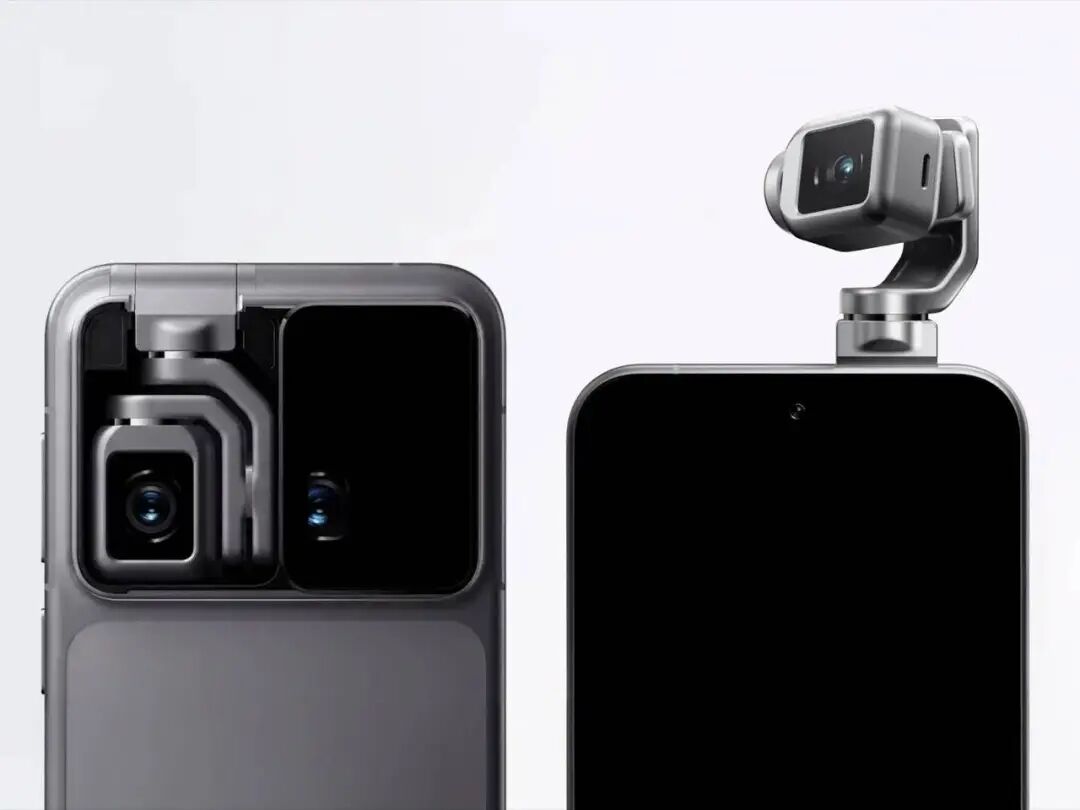
Even more radical is Honor. A month ago, the world's largest consumer electronics show, CES2026, opened in Las Vegas. At the show, Honor directly presented a more radical Pocket solution - Robot Phone, which integrates the gimbal and the camera directly with the mobile phone and folds them in the imaging module. You can click on our report for more details: Honor's Robot gimbal phone may be launched after March | CES2026
The collective "diversification" of these manufacturers is not only due to the maturity of objective conditions. Another reason is that mobile phone manufacturers are in urgent need of new growth points.
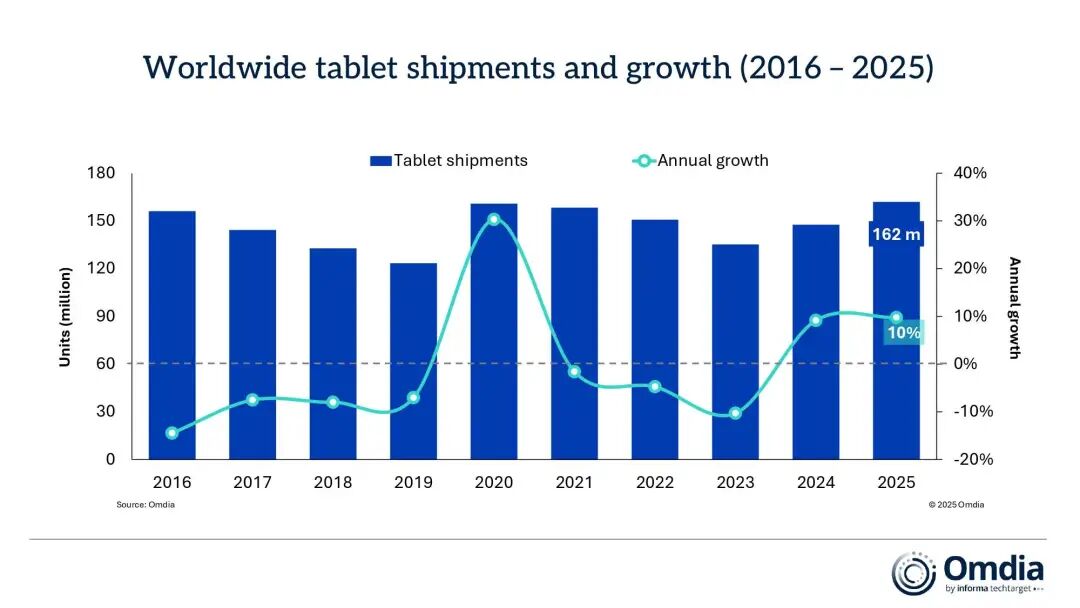
Looking back at the past few years, after the home - office dividend in 2020, the tablet computer market quickly entered a long - term adjustment period. According to Qmdia data, the global tablet shipments in 2023 dropped to the lowest in the past five years. Although there was a slight recovery in 2024 and 2025, the overall ceiling has become apparent.
Mobile phone manufacturers need new stories, and coincidentally, the sales of DJI Osmo Pocket 3 have proven the market's hunger.
As of September 2025, the total sales of Osmo Pocket 3 exceeded ten million units. It only took Pocket 3 two years to reach this astonishing figure.
This number may seem insignificant in the mobile phone market with hundreds of millions of sales. However, when broken down by model, it has reached the same level as the annual sales of most manufacturers' core flagship products, which proves that the handheld gimbal camera market definitely has great potential.
Considering its unit price, high profit margin, and extremely high user stickiness, it is definitely a very profitable market.
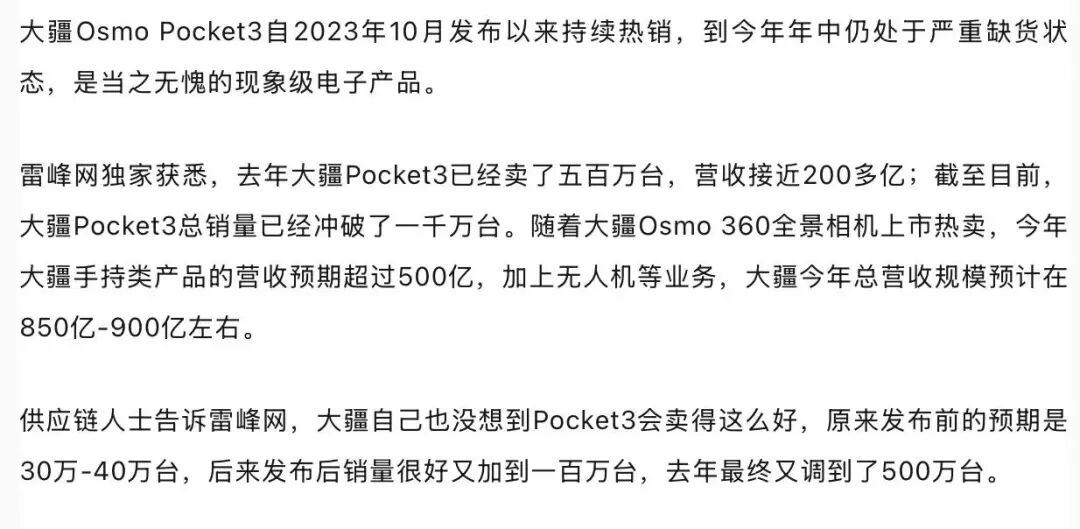
Sales data and screenshots are from Leifeng.com
For Huawei, Xiaomi, OPPO, and Vivo, the objective conditions are already mature, and DJI has proven the value of this blue - ocean market with its millions of sales. If they don't enter, they will be giving away their most core and high - quality imaging users.
In the highly competitive mobile phone industry, the balance is often very fragile. As long as one manufacturer takes the lead and successfully paves the way, this "balance" will be instantly broken. The remaining players cannot sit back and watch their competitors monopolize an ecological niche that can be highly integrated with mobile phones. It can be said that this is an inevitable arms race.
In addition to mobile phone manufacturers, there is also a strong competitor in the Pocket market - Insta360.
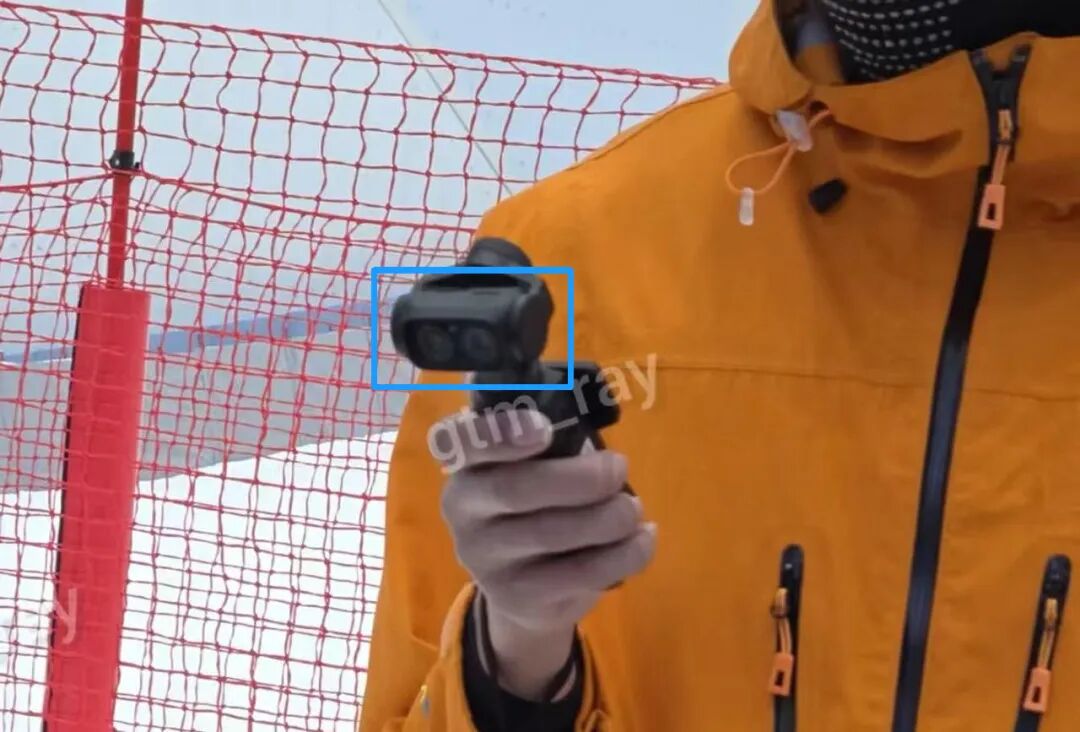
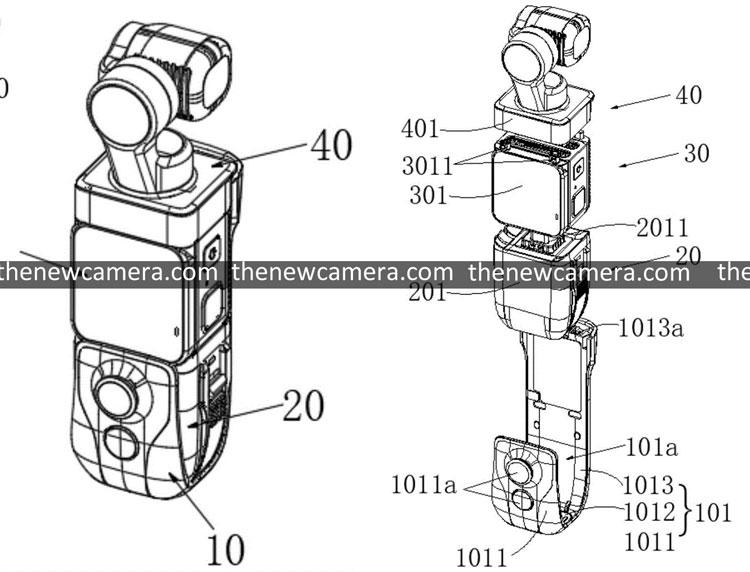
Previously, there were reports that Insta360 had designed a modular Pocket product, but it has not been launched yet. Before the publication of this article, ifanr learned that Insta360's handheld gimbal camera will be launched in the first half of the year, offering multiple color options, with a modular and dual - camera design. The industry may soon see a handheld gimbal camera with a medium - long focal length.
Finally, I'd like to talk about the Pocket form itself.