From Technology to Inclusiveness: BrainCo's Brain-Computer Products Break Through the Diagnosis and Treatment Challenges of ADHD
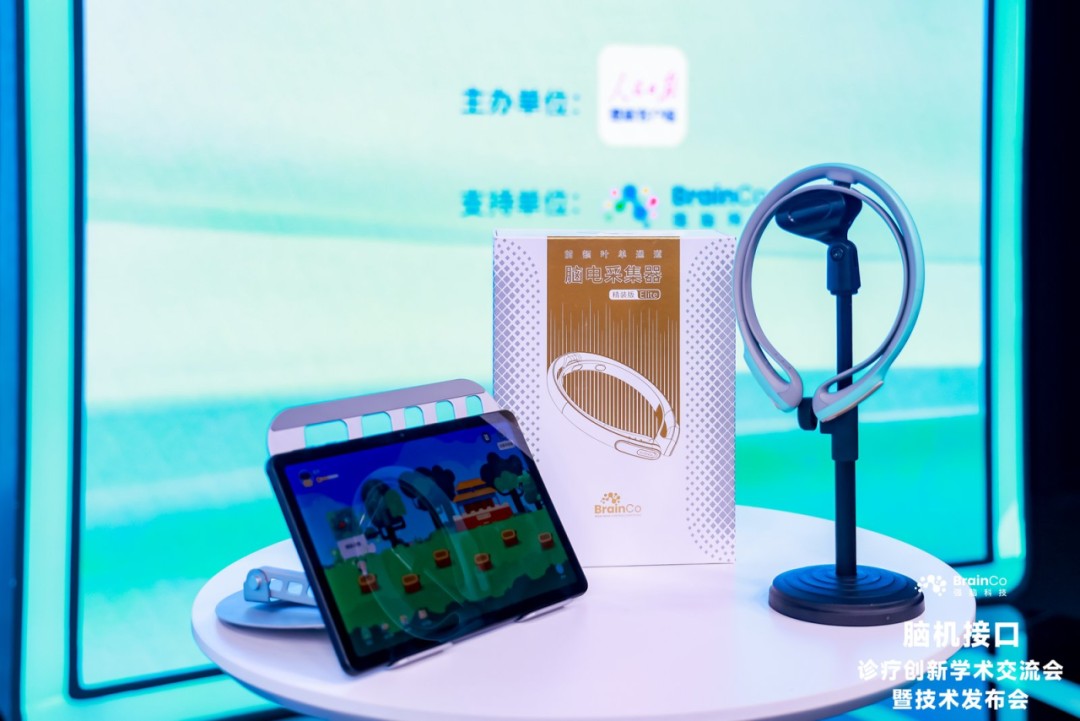
The medical version of "Focus Xin"
On January 31st, the Academic Exchange Conference on Brain-Computer Interface Diagnosis and Treatment Innovation and Technology Release Conference, hosted by the Health Client of People's Daily and supported by the public welfare of Strong Brain Technology, was held in the studio of People's Daily. At the conference, the medical version of "Focus Xin", an intervention product for attention deficit hyperactivity disorder (ADHD) under Strong Brain Technology, officially made its debut and was announced to be approved. It is the first in the world to realize the combined use of software and hardware medical devices for children's attention training, bringing a new path for the rehabilitation of millions of children with ADHD.
Han Jisheng, an academician of the Chinese Academy of Sciences and a neurophysiologist, Lu Lin, an academician of the Chinese Academy of Sciences, a psychiatrist and sleep medicine expert, Li Chenyu, the assistant editor-in-chief of Health Times, Jiang Wen, the deputy secretary of the Party Committee of the National Center for Mental Health and Mental Hygiene Prevention and Control, and Han Bicheng, the founder of Strong Brain Technology, delivered speeches respectively. From the perspectives of technological innovation, public health, and clinical practice, they elaborated on the application prospects and standardized development paths of brain-computer interface technology in the field of children's neurological rehabilitation.
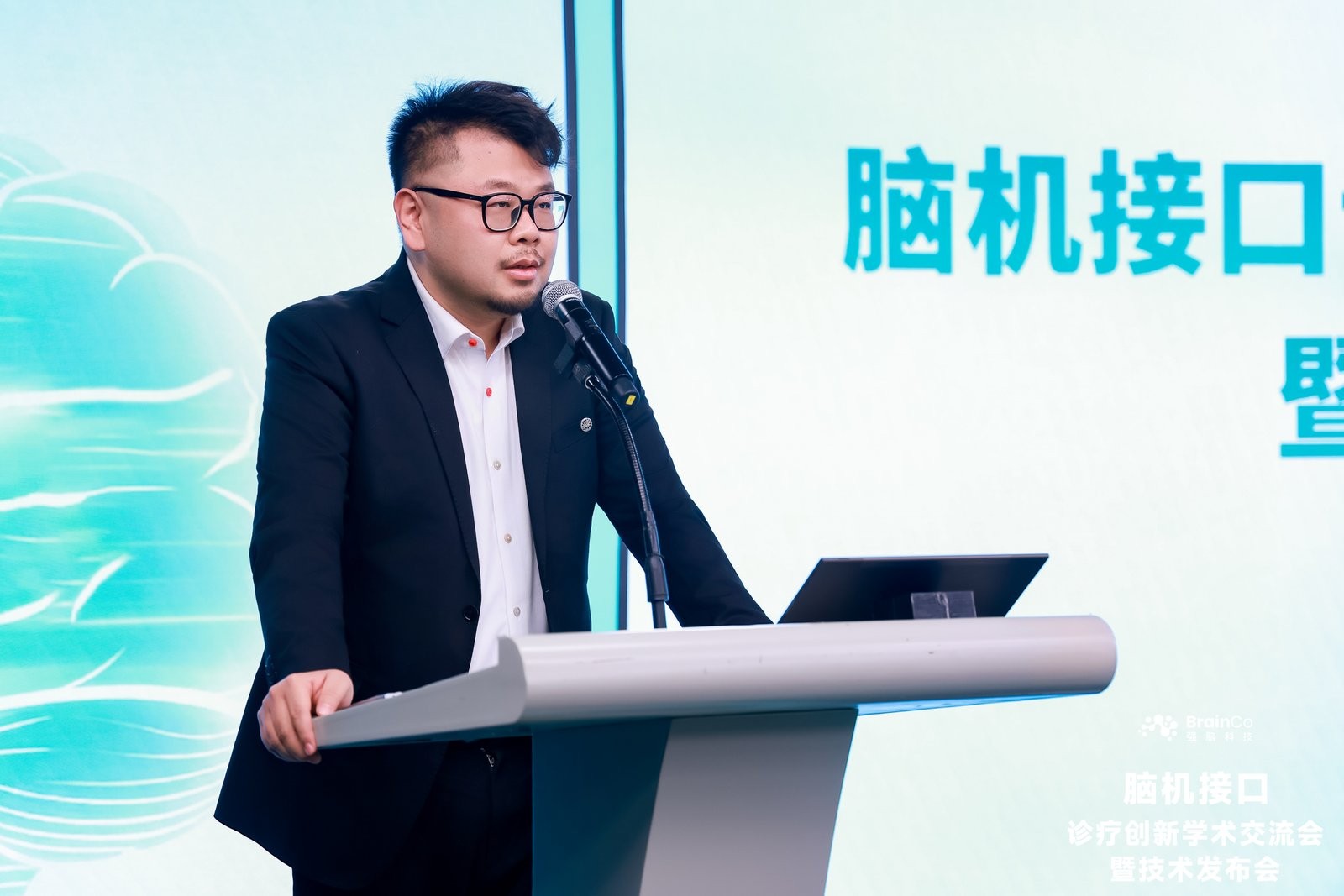
Han Bicheng, the founder of Strong Brain Technology, delivers a speech
Focus on clinical transformation, and multiple authoritative experts discuss the development direction of brain-computer interface
Centering on the clinical transformation path of brain-computer interface technology, Tan Weihong, an academician of the Chinese Academy of Sciences, Zhang Guojun, the former Party secretary and director of the Neurological Center of Beijing Children's Hospital Affiliated to Capital Medical University, Hong Li, the deputy dean of Shanghai Children's Medical Center Affiliated to Shanghai Jiao Tong University School of Medicine, and Zou Zhaochun, the executive deputy dean of Children's Hospital Affiliated to Zhejiang University School of Medicine, discussed the scientific basis, clinical needs, and application practices of brain-computer interface technology.

From left to right: He Xiyujin, a partner of Strong Brain Technology
Zhang Guojun, the former Party secretary and director of the Neurological Center of Beijing Children's Hospital Affiliated to Capital Medical University
Tan Weihong, an academician of the Chinese Academy of Sciences
Zou Zhaochun, the executive deputy dean of Children's Hospital Affiliated to Zhejiang University School of Medicine
Hong Li, the deputy dean of Shanghai Children's Medical Center Affiliated to Shanghai Jiao Tong University School of Medicine
Tan Weihong pointed out that brain-computer interface has unique advantages in constructing an integrated system of "diagnosis - treatment - rehabilitation" clinically. On the premise of continuously improving technology and ethical norms, its transformation to clinical application should be accelerated to truly serve human health. Zhang Guojun said that as medical treatment evolves towards minimally invasive and non-invasive directions, new technologies such as brain-computer interface are opening up new development tracks for surgery. Surgeons should actively embrace this new era centered on health and explore new intervention paths for problems difficult to solve by drugs. Both Hong Li and Zou Zhaochun believe that brain-computer interface has long-term application potential in the field of children's medical care. It can not only serve the diagnosis, treatment, and rehabilitation of neurological and psychopathological diseases but also is expected to gradually release its value through multidisciplinary cooperation and the combination of scientific research and clinical practice in a standardized promotion process.

Tan Weihong, an academician of the Chinese Academy of Sciences, expresses his views
Focus on ADHD intervention and explore the application path of brain-computer interface in clinical practice
After discussing the medical application of brain-computer interface technology, the conference focused on the high-prevalence problem of attention deficit hyperactivity disorder (ADHD), a neurodevelopmental disorder in children. Jin Xingming, the founder of Chinese Developmental and Behavioral Pediatrics and a life-long professor at Shanghai Children's Medical Center Affiliated to Shanghai Jiao Tong University School of Medicine, titled her speech "The latest application of brain-computer interface technology in the field of ADHD diagnosis and treatment" and systematically introduced the current situation of ADHD diagnosis and treatment. She pointed out that ADHD is a high-prevalence but intervenable neurodevelopmental disorder. Single-drug treatment has practical limitations, while non-invasive brain-computer interface technology, as a non-drug means, can improve attention, self-control, and executive function through interesting and visual neurofeedback training. Based on strict diagnostic criteria and the results of three groups of controlled studies, she emphasized that the combined application of brain-computer interface and drugs has significant effects on symptom improvement and functional recovery, and brain-computer interface technology shows better intervention effects on children aged 6 - 7 years old. At the same time, she believes that brain-computer interface is expected to extend from disease treatment to the functional training of problem children and preschool children, playing a greater role in comprehensive intervention, early prevention, and children's development support.
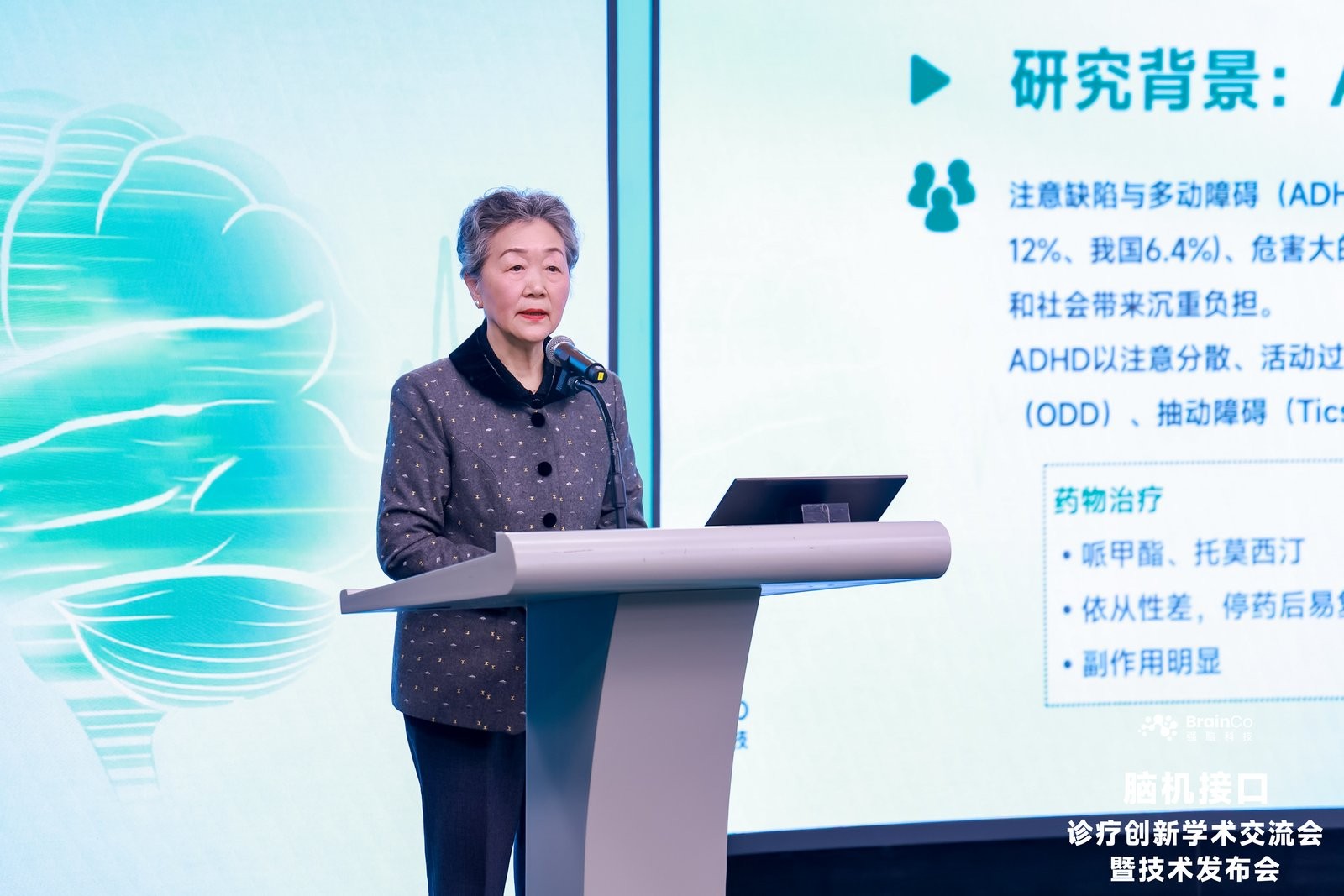
Jin Xingming, a life-long professor at Shanghai Children's Medical Center Affiliated to Shanghai Jiao Tong University School of Medicine, delivers a special report
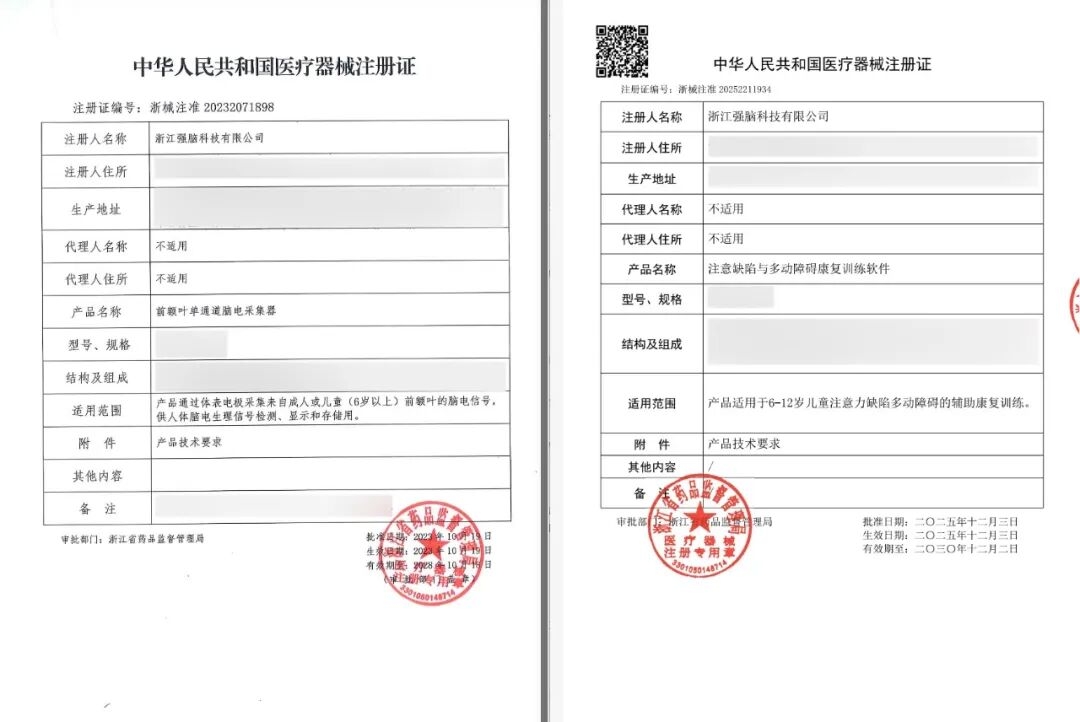
The clinical research shared by Professor Jin Xingming is based on the medical version of "Focus Xin", a non-invasive brain-computer interface product of Strong Brain Technology. The product adopts a more portable and easy-to-wear form. Compared with the traditional electroencephalogram equipment with complex wiring, a large number of electrodes, and high operation thresholds, it can complete electroencephalogram collection and training more quickly and conveniently. The product includes rehabilitation training software for attention deficit hyperactivity disorder and a single-channel prefrontal electroencephalogram collector, both of which have obtained medical device registration certificates, realizing the full-chain medical device certification of software and hardware in the field of brain-computer interface ADHD intervention. This marks an important breakthrough for brain-computer interface technology from laboratory research to standardized clinical application in the field of children's neurological rehabilitation, providing a new non-drug intervention option supported by evidence-based medicine for children with ADHD.
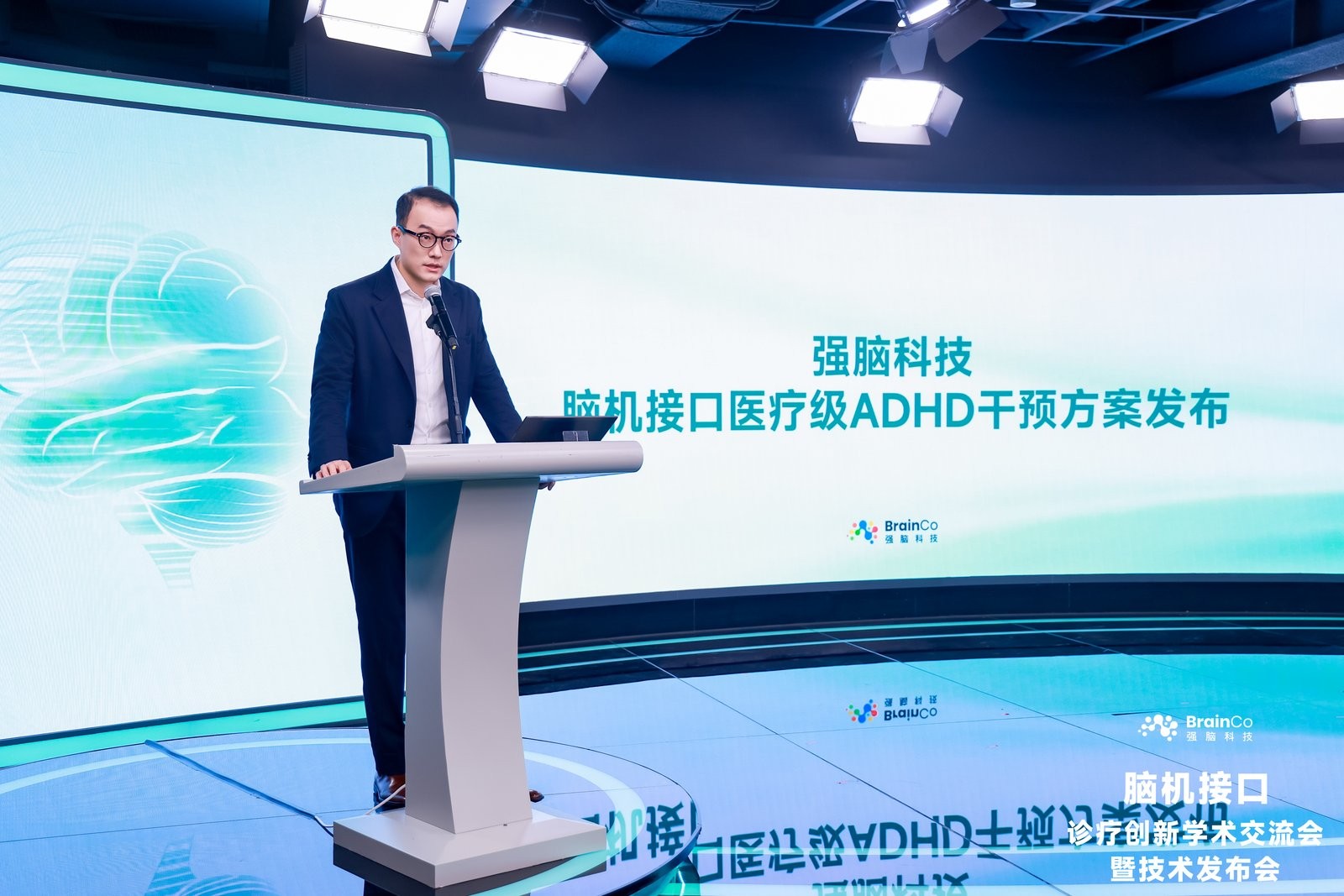
Shan Sicong, the senior vice president of Strong Brain Technology, introduces the medical-grade ADHD intervention plan of brain-computer interface
Improve the multi-party cooperation mechanism to promote brain-computer interface technology to benefit more children
The maturity of technology is just the first step. How to make the technology truly benefit more children requires the construction of a perfect application ecosystem. In the round-table dialogue session of "Exploration of the multi-party cooperation mechanism for ADHD treatment and management", Rong Yigang, the vice president of Strong Brain Technology, Gai Haishan, the deputy secretary of the Party Committee and the dean of Beijing Rehabilitation Hospital, Jin Xingming, a life-long professor at Shanghai Children's Medical Center Affiliated to Shanghai Jiao Tong University School of Medicine, Wang Yufeng, a professor at Peking University Sixth Hospital and the Institute of Mental Health, and Cui Yonghua, the director of the Department of Psychiatry at Beijing Children's Hospital Affiliated to Capital Medical University, had in-depth exchanges on topics such as the clinical application norms of brain-computer interface technology, multi-disciplinary cooperation models, grass-roots promotion paths, and the construction of the payment system. The participating experts unanimously agreed that for brain-computer interface technology to truly benefit children, it is necessary to promote the cooperation of multiple parties such as hospitals, enterprises, schools, and communities, and do systematic work in optimizing clinical paths, cultivating talent teams, and formulating standards and norms to build a healthy development ecosystem.

From left to right: Rong Yigang, the vice president of Strong Brain Technology
Gai Haishan, the deputy secretary of the Party Committee and the dean of Beijing Rehabilitation Hospital
Jin Xingming, a life-long professor at Shanghai Children's Medical Center Affiliated to Shanghai Jiao Tong University School of Medicine
Wang Yufeng, a professor at Peking University Sixth Hospital and the Institute of Mental Health
Cui Yonghua, the director of the Department of Psychiatry at Beijing Children's Hospital Affiliated to Capital Medical University
The holding of this academic exchange conference has built an important platform for promoting the standardized development of brain-computer interface technology and promoting collaborative innovation among industry, academia, research, and medicine. The participating experts said that they look forward to more clinical research and practical exploration to truly transform cutting-edge technology into medical services that benefit children and contribute to the high-quality development of children's health undertakings.