AI PCs bid farewell to "computing power stacking." Lenovo Qira makes a stunning debut, while Qualcomm and Intel flex their muscles. CES 2026 sounds the clarion call.
It's hard to imagine that just a few months ago, Lei Technology once raised the question: What problems does the AI PC actually solve for us? Just a few months later in Las Vegas, we've already seen companies like Qualcomm, NVIDIA, and Lenovo provide answers to this question. Although these answers are still being refined, we can already see that the AI PC is stepping into a new era.
If the past two years were the infancy of AI PCs, characterized by "stacking computing power," then at CES 2026, with the release of top - tier platforms like the Snapdragon X2 Plus and the implementation of Lenovo's "Hybrid AI" strategy, it can be said that PCs have officially moved beyond the category of pure productivity tools and become the core nodes supporting the implementation of the AI ecosystem.
Iteration of the AI Ecosystem and the Evolution of Personal Assistants
What functions should the intelligent assistant of an AI PC have? Lenovo has provided the answer at the Tech World held in the Sphere spherical venue.
At this largest - ever Tech World conference, what impressed Lei Technology the most was undoubtedly Lenovo's release of the world's first personal AI super - intelligent agent — Lenovo Qira. People may ask, aren't there enough AI assistants nowadays? Siri, Gemini, and Copilot are everywhere. What makes Lenovo Qira different?
Image source: PCMAG
In Lei Technology's view, the core differences of Qira lie in "cross - device" capabilities and "understanding you." Most current AI assistants are confined to a single app or device, while Qira is more like a "housekeeper" with system - level permissions. It can connect your phone, computer, tablet, and even wearable devices.
Imagine that you're working on a Lenovo AI PC. Qira can automatically access photo materials from your Motorola phone. It can also remind you that you're under excessive stress based on the data from your wearable devices and suggest adjusting your work process or taking a break.
Moreover, Qira can arrange intelligent models to find more efficient ways to complete tasks. Simply put, Qira won't blindly send all tasks to the cloud - based large - scale models (which is both slow and costly). Instead, it will automatically decide whether to use the small - scale model on the device side or call the cloud - based large - scale model according to the difficulty of the task.
In this way, it ensures privacy and low latency while reducing computing power costs. More importantly, Qira will become more and more like you as you use it. It can remember your preferences, habits, and even your way of thinking, and ultimately become your "personal AI twin" in the digital world.
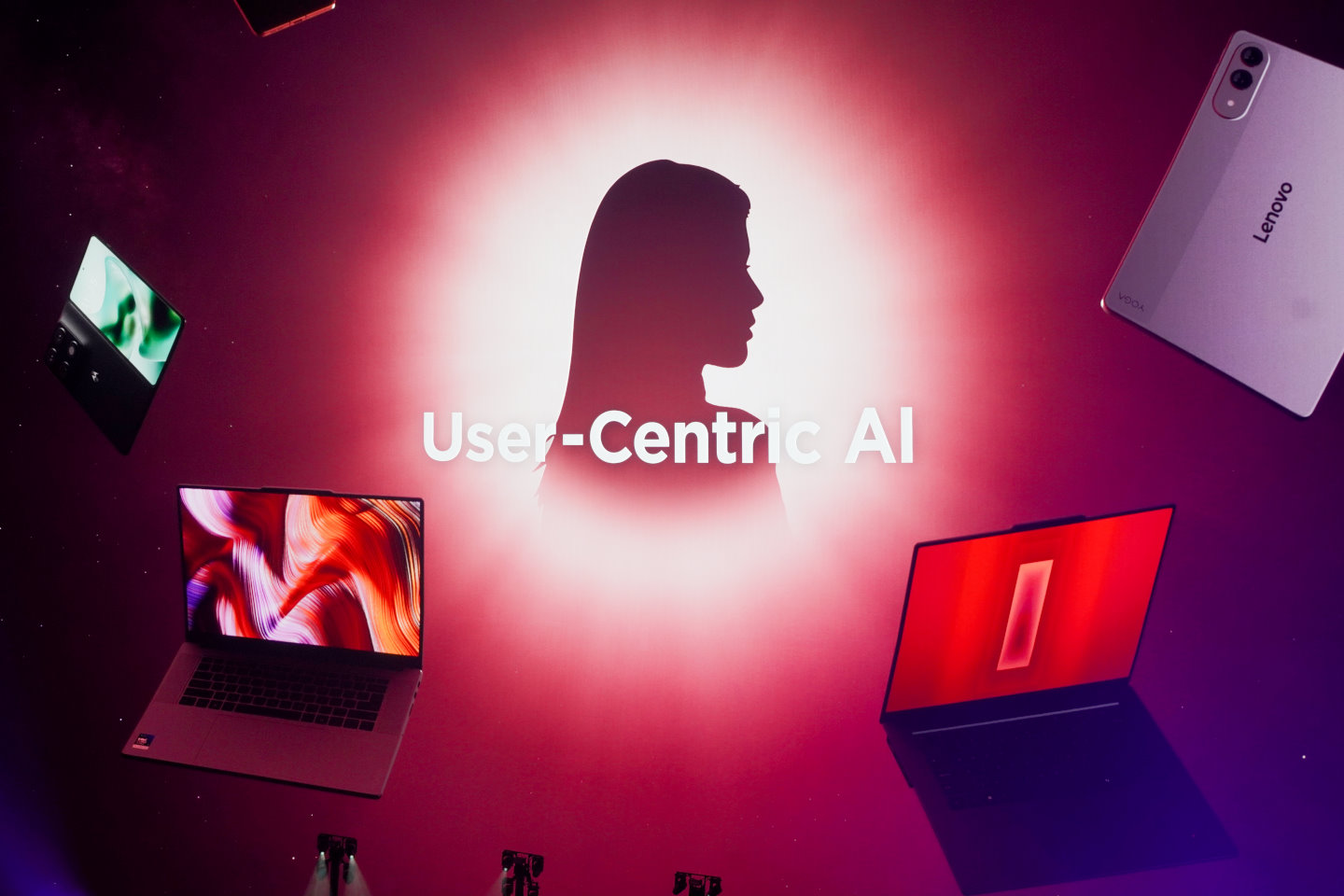
Image source: techbang
This reminds Lei Technology of a previous Lenovo project that built a highly realistic digital human by analyzing a person's preferences, habits, and online community data. Now, Qira can actually achieve this too. After continuous learning, it can directly replace you to complete some tasks or help you handle trivial matters.
To support the implementation of Qira, Lenovo also released a series of new hardware, including the new - generation AI PC Aura Edition, the Motorola Razr Fold foldable phone, and a very sci - fi wearable concept product — Maxwell. We'll discuss the details of some of these products in subsequent reports. Here, let's talk about Lenovo's AI PCs.
Multiple New Products Support Qualcomm and Promote AI Equality
The foundation of an AI assistant is AI computing power. The birth of Lenovo Qira naturally depends on the efforts of hardware manufacturers like Intel and Qualcomm, which finally enabled the implementation of the hybrid AI architecture on AI PCs. Therefore, around this new batch of mobile platforms, PC manufacturers have also launched various forms of AI PCs to explore new boundaries of products and experiences.
First, let's talk about Qualcomm. The Snapdragon X2 Elite, released at last year's Snapdragon Summit in Hawaii, finally saw the debut of its first batch of products. Many PC companies, including Lenovo and HP, have released a number of AI PCs based on the Snapdragon X2 series of processors. Among them, Lenovo released several models such as the Lenovo Yoga Slim 7x, IdeaPad 5x 2 - in - 1, and IdeaPad Slim 5x, which can be optionally equipped with the Snapdragon X2 Elite at most.
The Lenovo Yoga Slim 7x weighs only 1.17 kg, has a body thickness of 13.9 mm when closed, and can achieve a full - charge battery life of up to 29 hours. It will also be one of the first AI PCs to support the Lenovo Qira super - intelligent agent. It's worth mentioning that this computer also released a version equipped with the Snapdragon X2 Plus chip simultaneously. The price is lower, but the other configurations are not much different, which further lowers the entry threshold for AI PCs.
Of course, considering the workmanship and design of the Yoga Slim 7x, it's not that cheap. So Lenovo also launched the IdeaPad 5x 2 - in - 1 and IdeaPad Slim 5x. Both products are positioned slightly lower and are equipped with the newly released Snapdragon X2 Plus processor. The IdeaPad Slim 5x even comes in two versions: 13 - inch and 15 - inch.
The 13 - inch version uses a lower - cost LCD screen (the 15 - inch version uses an OLED screen). The starting price of the 15 - inch version is $899, and the price of the 13 - inch version has not been announced. However, based on past experience, the price will probably be around $699, and the price in China should be less than 5,000 yuan. It will also be equipped with Lenovo Qira.
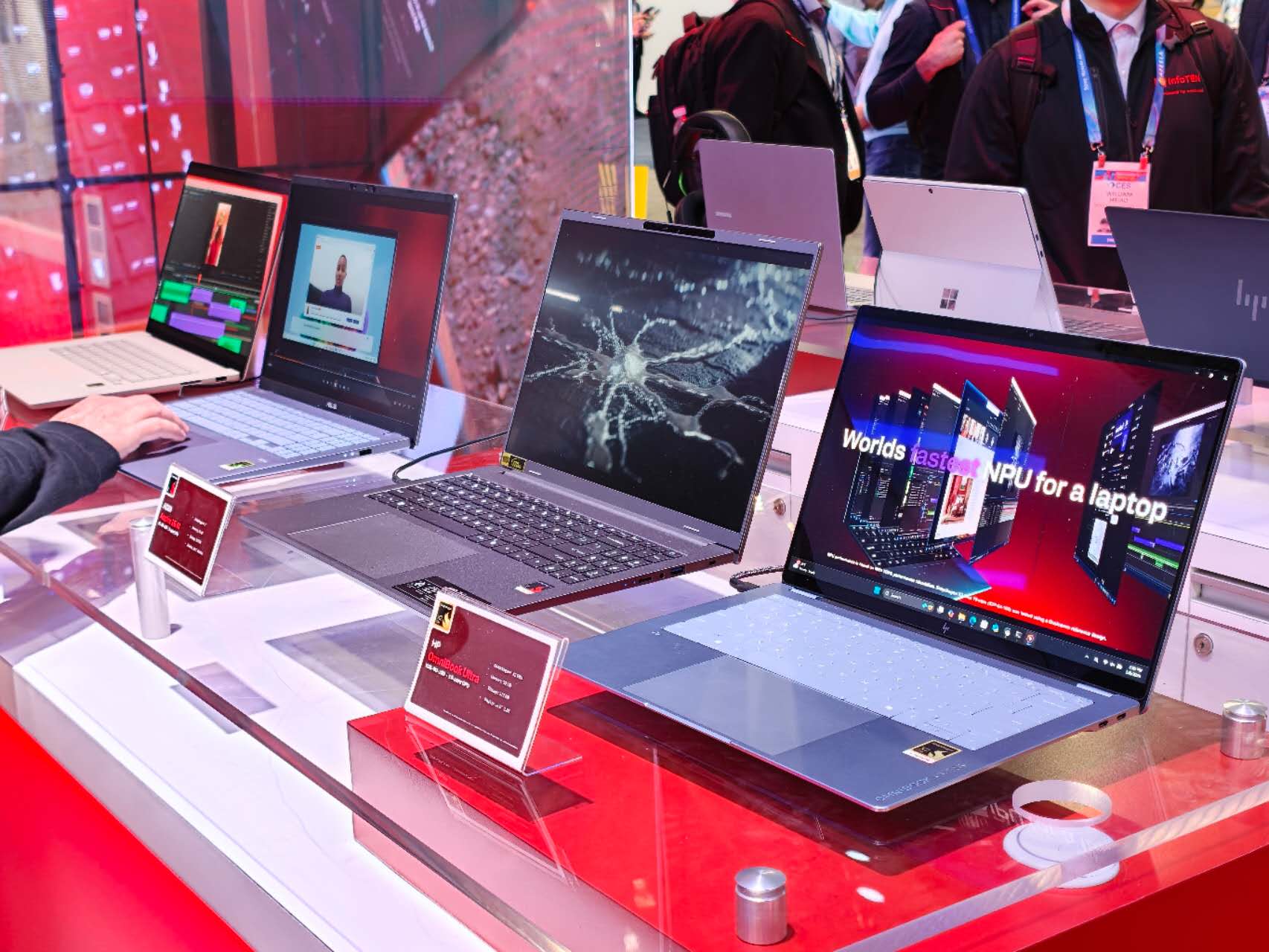
Image source: Lei Technology
Although there is a significant price difference between different models, the AI performance is basically the same. All processors in Qualcomm's Snapdragon X2 series have an AI computing power of 80 TOPS. The computing power of some specially tuned versions can reach 85 TOPS, which allows manufacturers to popularize AI functions in all new products equipped with Snapdragon processors.
In addition to Lenovo, HP also brought many new products this year. At the same time, it also comprehensively reorganized its product lines, classifying the originally scattered product lines such as Spectre, Envy, and Pavilion into OmniBook (consumer - grade) and EliteBook (commercial - grade) respectively.
After reorganizing the product lines, HP also followed Lenovo's lead and launched a number of products equipped with Qualcomm Snapdragon and Intel processors. Among them, the consumer - grade flagship OmniBook Ultra 14 can be optionally equipped with the Snapdragon X2 Elite at most and is one of HP's first products to support the concept of "multi - day battery life."
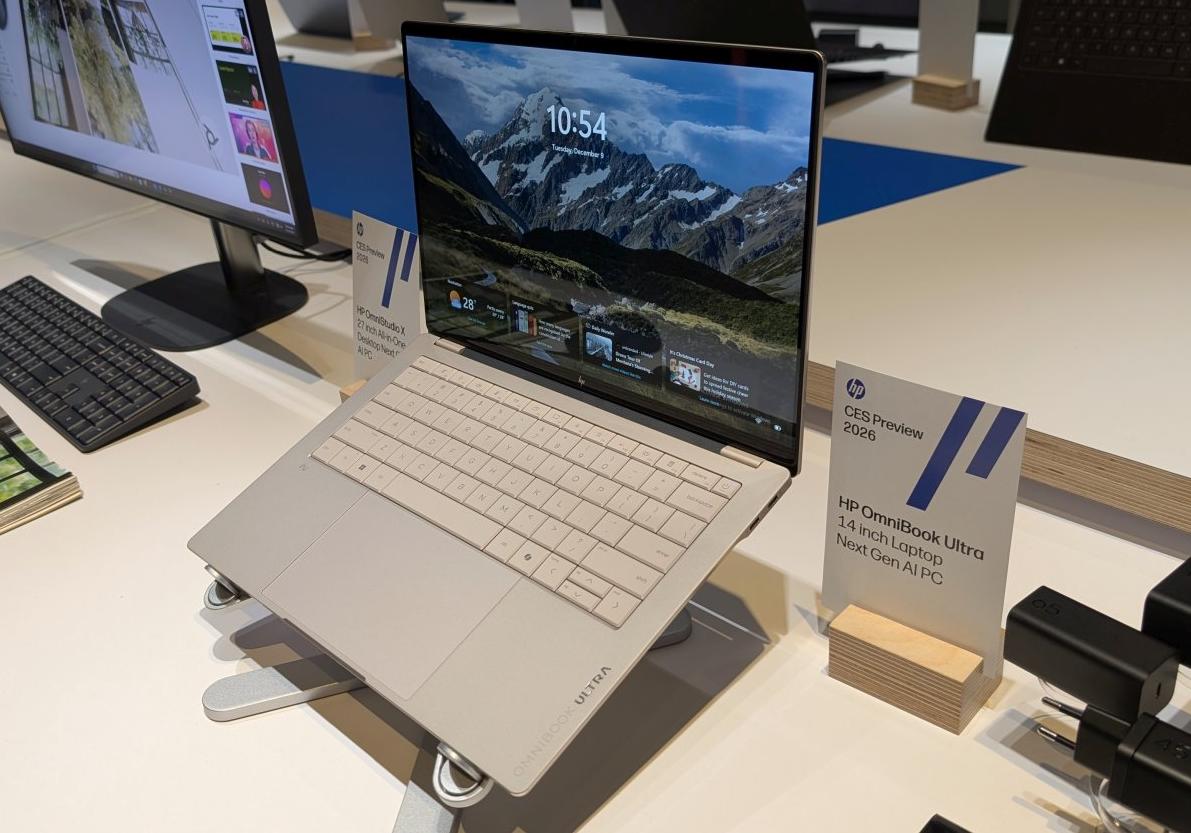
Image source: HP
The OmniBook Ultra Flip 14 is a 2 - in - 1 convertible laptop. In addition to the overall configuration upgrade, it has also been optimized for AI creation scenarios and has created a series of AI functions, such as the new HP AI Companion, which is a function similar to Lenovo's AI Center and can provide a series of AI - assisted applications.
However, in my opinion, the most interesting feature is HP Smart Sense, which can intelligently adjust the working state of the system's cooling module. Simply put, it uses AI to monitor and learn the user's workflow in real - time, and then adjusts the cooling system and performance scheduling according to the system load to provide longer battery life or lower cooling noise while ensuring the user experience.
From Lenovo Qira's proactive services to HP Smart Sense's silent optimization, it's not hard to see that with the support of the AI computing power provided by the Snapdragon X2 series, AI PCs are gradually shedding their marketing gimmick image. Instead, through in - depth tuning of software and hardware, they are truly solving core pain points such as battery life, heat dissipation, and efficiency, moving towards a future of "understanding users better" and truly promoting the arrival of AI equality.
Intel: Maxing Out CPU Computing Power, the New King of x86
Following Qualcomm is Intel. The newly released 3rd - generation Core Ultra has a total AI computing power of up to 180 TOPS. It is also one of the few processors that can compete with Arm chips such as Qualcomm Snapdragon series and Apple M series in terms of battery life.
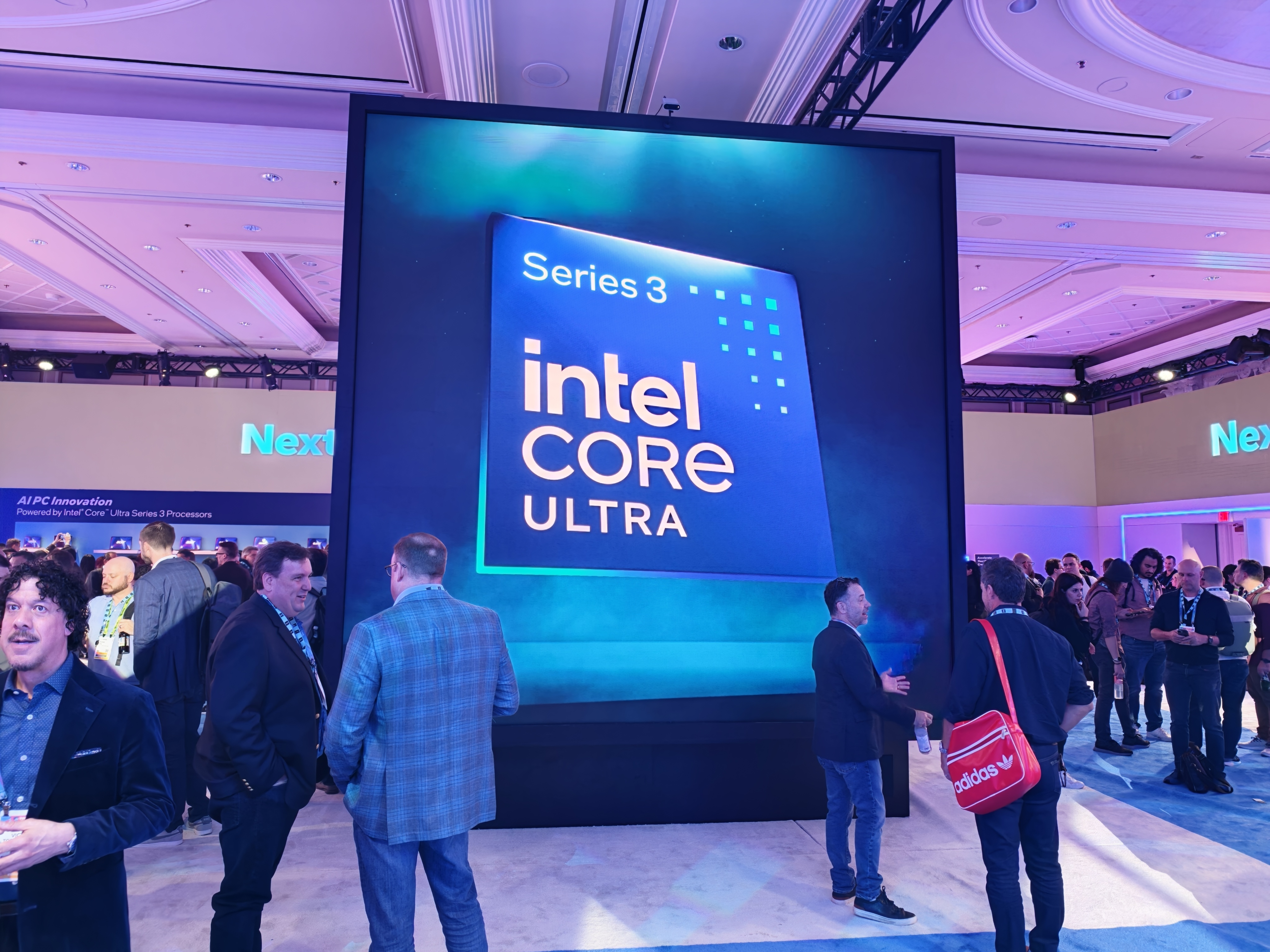
As one of Intel's largest PC partners, Lenovo once again jointly customized a number of products in the Aura Edition series, covering multiple models. What is the Aura Edition? Simply put, these are products that use Intel Core processors. The hardware and software are deeply optimized by the engineering teams of Intel and Lenovo, and they are equipped with customized intelligent modes.
The laptops in the Aura Edition series can enter different operating states according to the user's needs. For example, when you're using the computer outdoors and want to browse some files containing corporate confidential information, you can turn on the "Protection Mode." The computer will automatically use the camera to detect the surrounding environment. If someone is peeping at your screen, the AI will automatically blur the file content. In addition, it will also strengthen the screening of network connection data packets to prevent illegal intrusions.
In addition, there are functions such as collaboration mode, attention mode, and intelligent sharing. These are all automatically judged and switched by the system according to the user's environment and the content being browsed, without any user intervention. Of course, you can also switch modes manually. In most cases, you'll just feel that the computer is becoming more and more user - friendly.
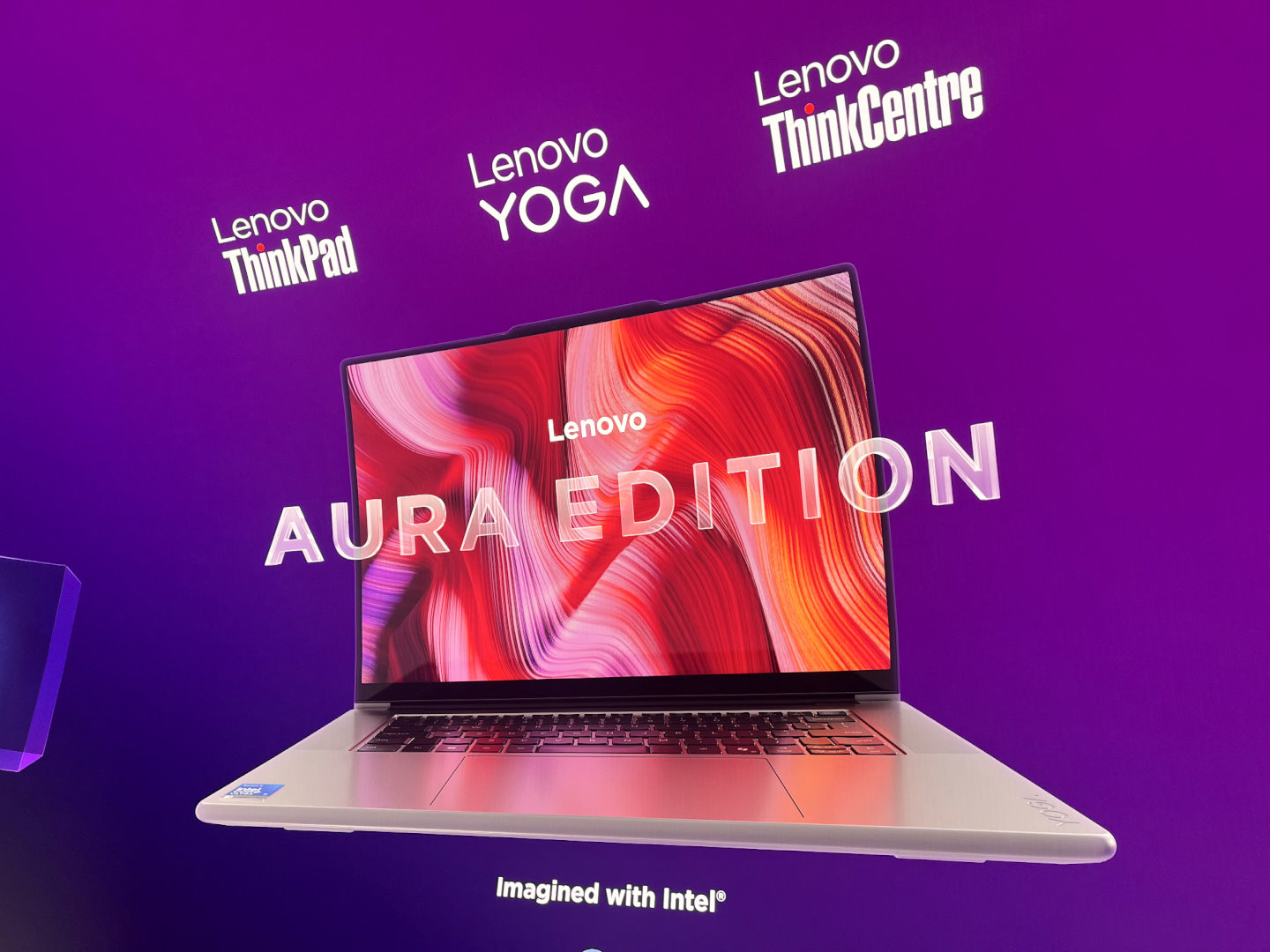
Image source: Lenovo
As for the privacy issues brought by real - time monitoring, there's no need to worry. This is actually the biggest reason why Lenovo chose to cooperate with Intel. With the powerful device - side AI computing power of the Intel Core Ultra processor, the above functions are all run on the local processor without going through the cloud server, thus maximizing privacy security.
What impressed Lei Technology even more is the Smart Share function. In the past, when we transferred photos between our phones and computers, we often had to use the WeChat Transfer Assistant or dedicated cross - device software, which was a cumbersome process. On the Aura Edition, you just need to gently touch the edge of the laptop screen with your Android phone, and the photos will instantly "flow" into the computer.
This intuitive interaction experience is exactly the moat that Intel and Lenovo are trying to build through in - depth software - hardware collaboration: to make AI not just stay in the dialog box but be invisible in every operation. Moreover, to ensure that these AI functions can run in real - time without affecting the system operation, it also relies on the task scheduling system jointly optimized by Intel and Windows.
Simply put, Windows will intelligently judge the type of the current task and then allocate the required AI computing power accordingly. It will assign low - load AI tasks to the NPU (which saves more power) and assign heavy - load tasks to the GPU or mobilize the entire computing platform to work together.
HP has also further deepened its cooperation with Intel. On its mainstream product lines, HP doesn't "put all its eggs in one basket." The new OmniBook Ultra 14 not only offers a version with the Snapdragon X2 Elite but also simultaneously launches a version equipped with the new - generation Intel Core Ultra processor to meet the needs of different users.
Even more astonishing is the OmniBook 3 (16 - inch). With the support of AI, its local video playback battery life has reached an amazing 45 hours, breaking the record of OLED laptops in the same category. In addition to office work, HP also made a big move in the gaming field this time: HyperX and OMEN have officially joined forces to build a new desktop gaming ecosystem.
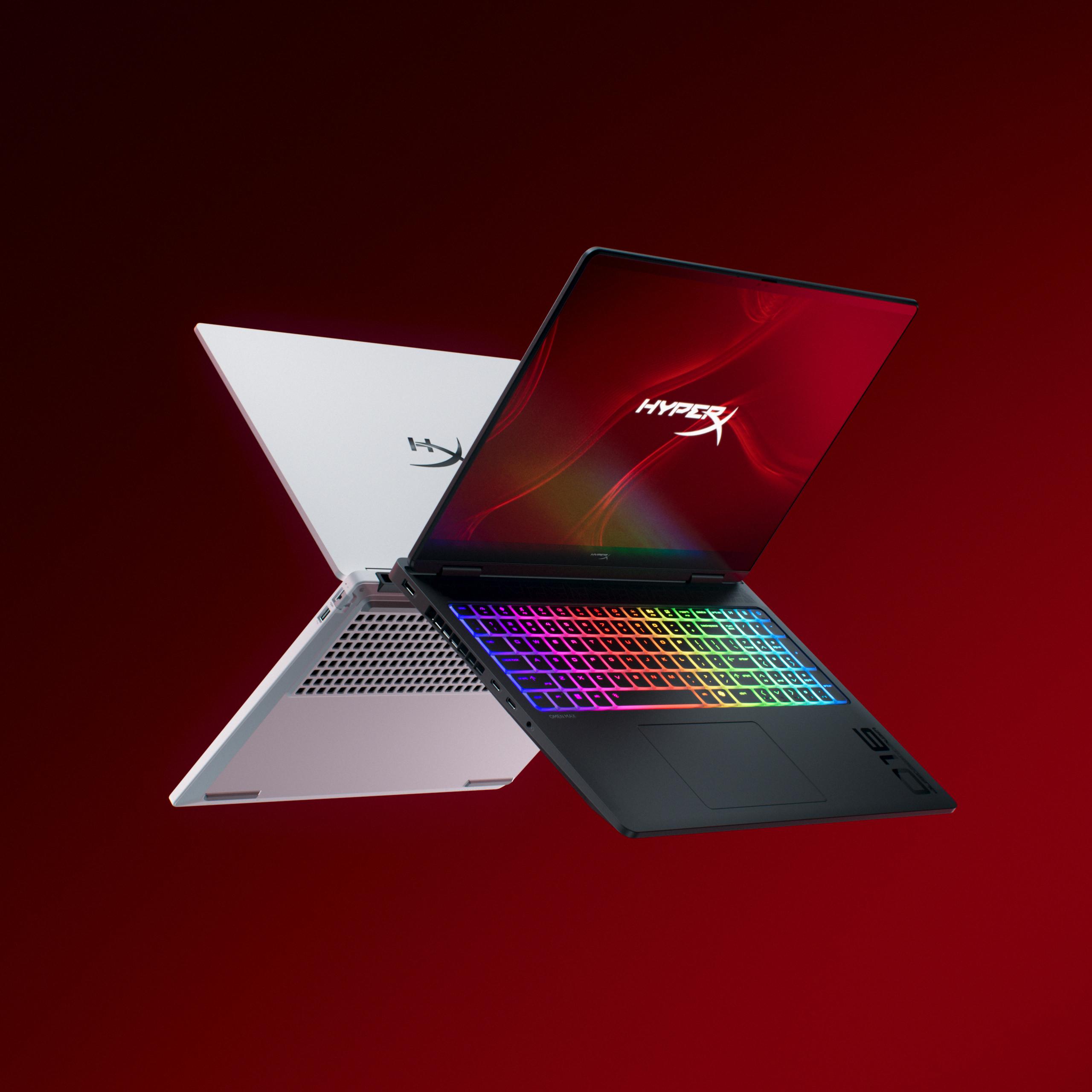
Image source: HP
The new HyperX OMEN MAX 2026 flagship gaming laptop has a power consumption of up to 300W and can be optionally equipped with an RTX 5090 graphics card at most, with brutal performance. What's more interesting is the localization AI attempt in the Chinese market — HP, in cooperation with Intel and "DouDou Game Partners," uses the NPU to achieve game scene recognition and assistance on the device side. This "physical cheat - like" AI experience, combined with the OMEN AI function that can optimize the frame rate with one click, may be the next big thing in gaming laptops.
It can be said that Intel has proven with actual actions that the x86 architecture is still in good shape in the AI era. It has not only maintained its high - performance foundation but also made a remarkable comeback in terms of energy efficiency and AI localization experience.
Conclusion
Looking at this year's CES, Lei Technology's biggest impression is that AI PCs are finally no longer a castle in the air.
Looking back at the past two years, manufacturers were still arguing about "what is an AI PC" and even got caught in the strange cycle of simply comparing TOPS computing power