2nm, Jensen Huang, Chinese robotics companies going global together. This is the story that will unfold at CES.
The neon lights of Las Vegas are about to shine again for the tech world.
From January 6th to 9th, 2026, the Consumer Electronics Show (CES) will reach its annual highlight in this desert gambling city. Different from previous years, CES 2026 is no longer just a competition of hardware parameters or a feast of concept hype. Instead, it is an ultimate drill on "embodied AI" - artificial intelligence is moving from cloud dialog boxes to the physical world and transforming from algorithm models into tangible real - world products.
In the official description of CES, "AI has been a part of CES for years, but in 2026, it has become an undeniable focus." Behind this statement is a profound transformation that the entire tech industry is undergoing: AI is no longer competing in model parameters but fully entering the realm of hardware and real - world scenarios. From the "silicon - based heart" of Intel's 2nm chips to Sony's True RGB for the ultimate reshaping of visual senses, and then to the radical reconstruction of physical form boundaries by triple - folding screens, AI has finally started to take on a physical form, materializing as the real companionship of household robots, the symbiosis of virtual and real in car cockpits, and real - time subtitles on AR glasses.
This grand event not only officially kicks off the era of "AI for all things" but also serves as a cruel test to distinguish the real from the fake. During the week in Las Vegas, we will jointly seek the key answer: Who is truly solving real - life pain points, and who is just selling expensive concepts in the limelight?
Jensen Huang + Lisa Su Create a Sensation: The 2nm Process Usher in a New Era of AI Computing Power
Chips have always been the "main appetizer" at CES, especially in 2026. As AI applications migrate from the cloud to the edge, the energy efficiency ratio and AI computing power of chips directly determine the boundaries of user experience. In 2026, the three giants, Intel, AMD, and Qualcomm, will engage in a fierce competition in Las Vegas. The generational leap in process technology will be the biggest highlight, and uninvited Jensen Huang is also brewing an AI drama.
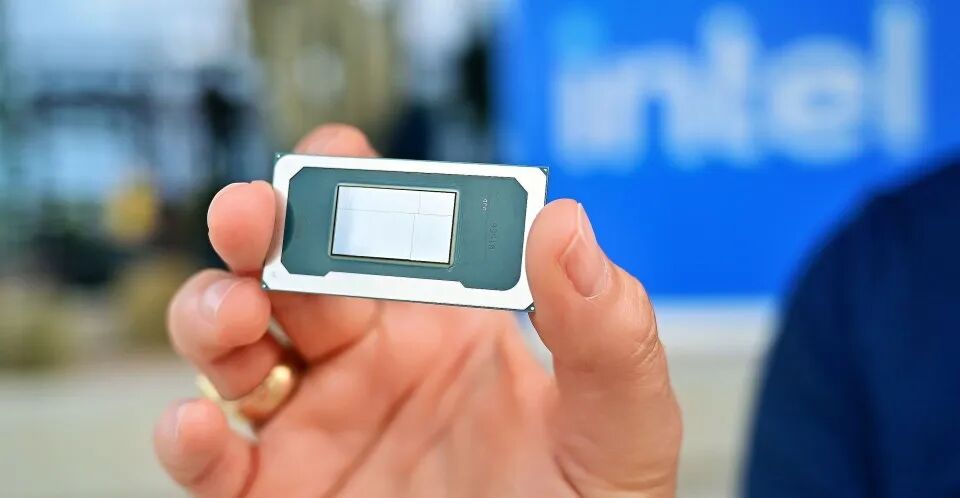
Intel has confirmed that it will officially launch the Panther Lake processor, the 3rd - generation Core Ultra, at CES. The most significant meaning of this chip is that it is the first consumer - grade processor mass - produced based on Intel's 18A process (2nm - level). According to Intel's technology preview in October 2025, Panther Lake will bring a 50% increase in CPU performance and a 50% generational leap in Arc GPU graphics performance. This is not just a numbers game. It means that thin and light laptops can truly have the ability to run large - scale AI models without sacrificing battery life - local deployment of large models with 7B parameters, real - time AI image generation, and complex video analysis will all be possible. Intel is trying to redefine the ultimate form of "AI PCs" with its process advantage.
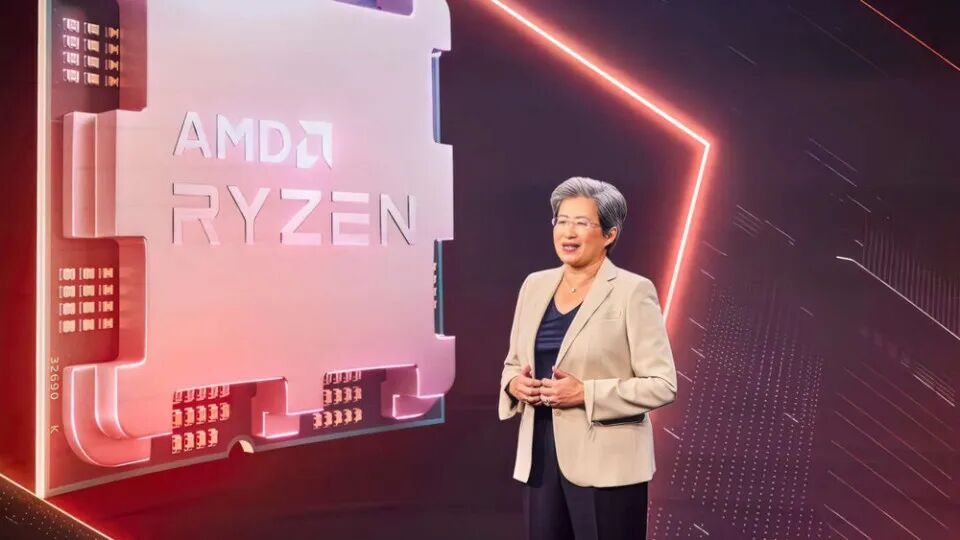
AMD CEO Lisa Su will deliver a keynote speech on the evening of January 5th, which is regarded as the "tone - setting" moment of CES. In addition to continuing the direct competition with NVIDIA in the computing power track, AMD is expected to announce a new lineup of Ryzen chips in the speech: The recently exposed Ryzen 7 9850X3D is expected to bring stronger single - thread performance, continuing its dominance in the gaming field; while the Ryzen 9000G series based on the Zen 5 architecture may integrate a more powerful NPU to provide hardware acceleration for AI applications. In addition, AMD's new FSR Redstone AI super - resolution technology is also expected to make an appearance, extending AI rendering capabilities from gaming to professional creation fields.
Qualcomm has chosen a differentiated path. After successfully launching the Snapdragon X Elite into the PC market, the Snapdragon X2 Elite and its Premium version are expected to debut during CES along with new products from major OEM manufacturers. Qualcomm's strategy is to use the energy - efficiency advantage of the ARM architecture to build a moat in the fields of thin and light laptops and Always Connected PCs. As the Windows on ARM ecosystem matures, Qualcomm is trying to break through the gap between Intel and AMD.

As an official speaker at CES in 2025, Jensen Huang, whose position was taken by Lisa Su this year, has prepared another drama. NVIDIA has announced that it will hold a keynote speech in Las Vegas at 5 am Beijing time on January 6th. Jensen Huang is expected to introduce the latest progress of its Rubin platform in the speech; in addition, the NVLink ecosystem promoted by NVIDIA may announce the cooperation progress with the ASIC ecosystem, which will be the main driving force for upgrading the specifications of optical communication components.
Meanwhile, the Wedbush Securities team led by well - known Wall Street tech stock bull Dan Ives also said: "We expect Jensen Huang to focus a lot on data centers, physical AI, and robotics in the keynote speech. We believe that when looking forward to 2026, Jensen Huang will also focus on discussing the latest progress of the Cosmos foundation model platform in accelerating the development of AI systems and use this as an entry point to elaborate on autonomous technologies such as autonomous driving."
This means that although Jensen Huang will not bring more mature and landed computing card products at CES 2026, NVIDIA's current influence has spread across all fields from upstream manufacturing to downstream software engineering. A CES without Jensen Huang is an incomplete CES. Fortunately, he is back this year.
The profound meaning of the 2nm chip war is that it marks a paradigm shift of AI computing power from "centralized" to "distributed". In the past, the most powerful AI computing power was in data centers; now, every personal device needs to have independent AI capabilities. This is not only a choice of technical route but also a bet on the future computing architecture.
Embodied Intelligence Enters Daily Life
If CES 2025 was the "carnival year" for robot concepts, then 2026 is the year for the "practical application" of robots. From Samsung's household companion robots to industrial - grade humanoid robots, from floor - cleaning robots to modular cleaning systems, robots are getting rid of the "vase" label and truly solving specific problems.
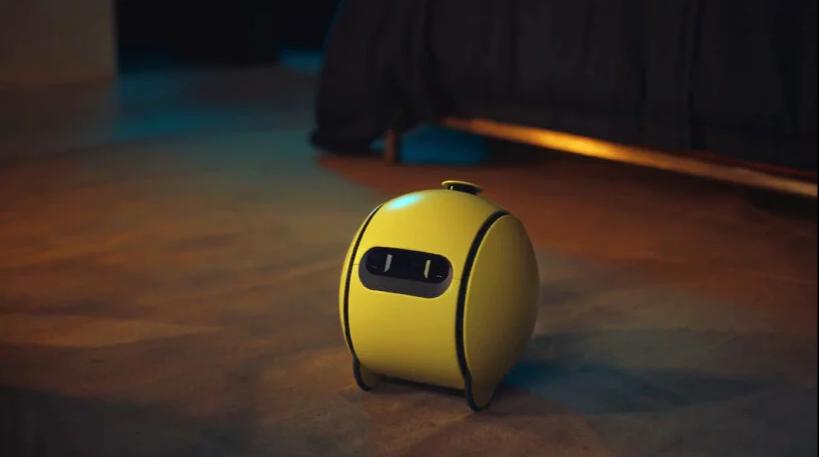
Samsung Ballie
Samsung's yellow spherical robot, Ballie, will be one of the focuses. This ill - fated product was first launched in 2020, reappeared in 2024 after being equipped with a projector, and was originally scheduled to be launched in 2025 but was postponed again. According to Samsung's announcement in April 2025, Ballie will finally be equipped with Google's Gemini model and will be officially shipped in the summer of 2026. CES 2026 will be Ballie's "ultimate test" - it is no longer just a moving projector but needs to prove its real value as a household butler: Can it truly understand natural language instructions? Can it effectively manage the smart home ecosystem? Can it establish an emotional connection with family members? The answers will be revealed on the exhibition stand in Las Vegas.
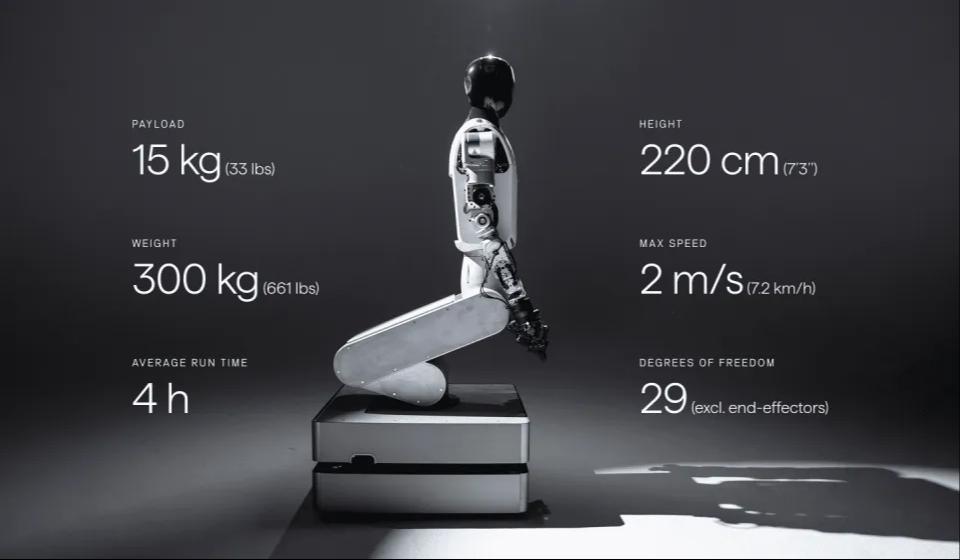
HMND 01 Alpha
Industrial - grade humanoid robots will be the "hardcore highlight" at CES 2026. The British startup Humanoid will showcase the HMND 01 Alpha for the first time. This 220 - centimeter - tall wheeled robot was developed in just 7 months, designed specifically for logistics and warehousing. It has a top speed of 7.2 kilometers per hour, a dual - robotic - arm load capacity of up to 15 kilograms, and is equipped with a 360 - degree RGB camera and dual - depth sensors. Its appearance marks that humanoid robots are officially stepping out of the laboratory and starting to "work in factories".
The South Korean Hyundai Motor Group will announce its robot strategy at CES and publicly showcase the new - generation Atlas humanoid robot developed by Boston Dynamics for the first time. This highly anticipated product will demonstrate the technological integration of hydraulic and electric drives and stronger environmental adaptability. Meanwhile, Samsung Electronics also revealed through a short video that it will debut its household robot product at CES, forming a high - low combination with Ballie.
The intelligent cleaning field will witness collective disruptive innovation. Roborock's Qrevo Curv 2 Flow will be equipped with a retractable roller mopping system for the first time, achieving more thorough cleaning. The "stair - climbing" ability of Dreame's X50 may become the industry standard this year. More notably, Robotin's R2 Pro, the world's first fully modular household robot system, integrates vacuuming, mopping, and deep carpet cleaning. It can autonomously clean and dry a 400 - square - foot carpet in three hours, with a suction power of 115AW. The modular design enables the robot to evolve from a single - function tool to an all - around household assistant.
"World Models" will become a hot technical term in the robotics field. AI leaders such as Yann LeCun, the former chief scientist of Meta, are shifting their attention from large language models to world models, aiming to endow AI with a deep understanding of physical space. This technology allows robots to truly understand the environment rather than simply relying on sensor data. At CES 2026, we expect to see many companies showcase navigation and interaction systems based on world models. This will be a crucial leap for robots from "automation" to "intelligence".
The Visual Revolution from Micro RGB to True RGB
Display technology has always been the visual focus at CES. In 2026, there will be a wonderful situation of technological route differentiation. The three giants, Sony, Samsung, and LG, have bet on completely different directions, and a silent battle over future display technologies is brewing.
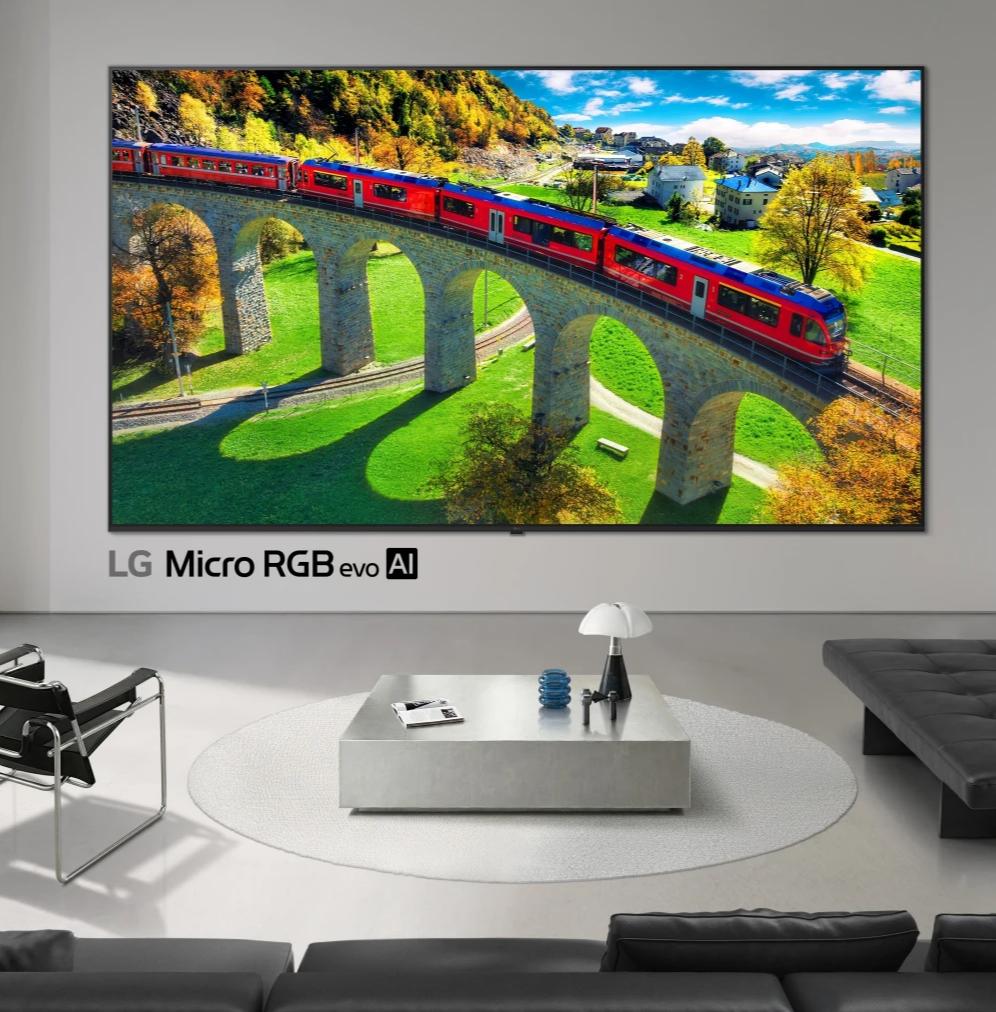
LG Micro RGB evo
LG has confirmed that it will debut the first Micro RGB TV at CES, which has obtained Intertek certification, achieving 100% DCI - P3 and Adobe RGB color gamut coverage and is equipped with more than a thousand dimming zones. Samsung is also not to be outdone and will showcase a full range of Micro RGB TVs from 55 inches to 115 inches, covering the mainstream market to the ultra - high - end market priced at up to $30,000. Micro RGB technology achieves self - illumination through micron - level LED chips, retaining the pure black and infinite contrast of OLED while avoiding the risk of screen burn - in, and its brightness can exceed that of QD - OLED. This is the ultimate optimization of the existing display technology route by the two South Korean giants.
Sony has chosen a more radical and disruptive innovation. In March 2025, Sony announced that it would develop a "universal RGB LED backlight technology", using independent red, green, and blue Mini LED backlights, which retains the extremely high brightness of Mini LED and achieves color purity close to that of OLED. This technology has applied for the "True RGB" trademark and is expected to reshape the pattern of the high - end TV market. Different from traditional QD - OLED, which needs to filter blue light, True RGB directly controls the three - color LEDs. The theoretical color performance can cover the BT.2020 standard, and there is no need to worry about the lifespan of OLED. If a prototype is showcased at CES, it will be a shock to the entire display industry.
The competition over HDR standards will also enter a new stage. Samsung is rumored to be promoting the HDR10+ Advanced standard as a weapon against Dolby Vision 2. The new technology supports two - way tone mapping and can automatically optimize the picture for games and sports content. HDR10+ Advanced may also integrate AI algorithms to achieve frame - by - frame dynamic metadata adjustment, pushing the peak brightness above 4000 nits. The essence of this standards war is the competition for ecological control. The winner will dominate the content production and distribution chain in the next decade.
It is worth noting that the "cable - free TV" solution brought by the American startup Displace. Its Displace Hub system allows any 55 - 100 - inch TV to be adsorbed on the wall within 10 seconds through an active - circulation suction cup and a built - in battery, completely getting rid of the entanglement of power cords and signal lines. Although this is just an accessory innovation, it solves the core pain point of smart TV installation and may give rise to a new product category.
Folding the Future
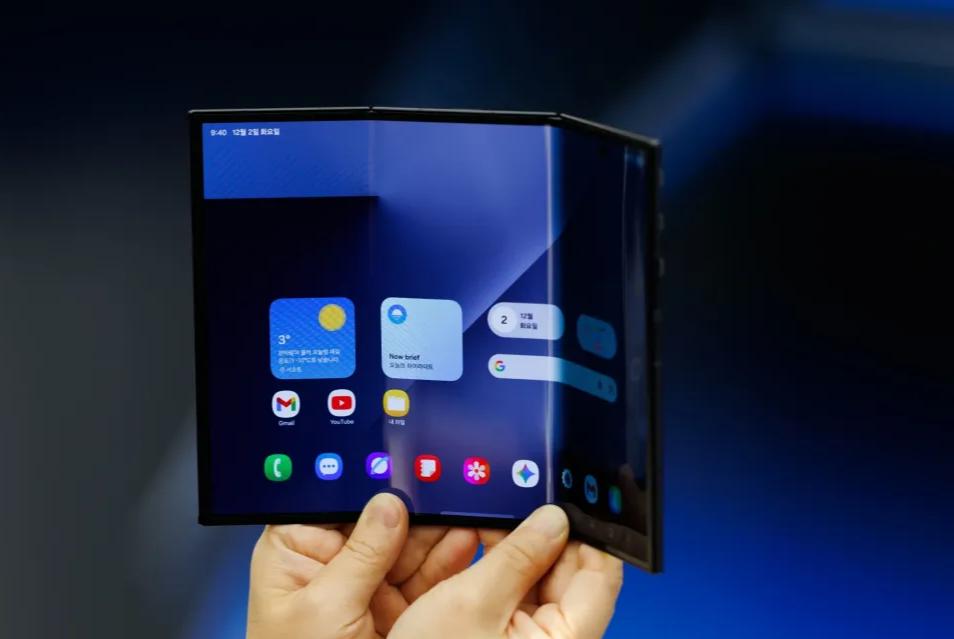
Samsung Galaxy Z TriFold
2024 was the "first year" of triple - folding screens, with Huawei's Mate XT taking the lead; 2026 is the "explosion year" of triple - folding screens. Samsung will showcase the mass - produced version of the Galaxy Z TriFold at this year's CES. This device with a 10 - inch giant screen when unfolded indicates that the boundary between tablets and smartphones will completely disappear.
The technical challenges of triple - folding screens far exceed those of traditional folding screens. Samsung needs to solve the synchronization mechanism of the three - layer hinge, control the multiple creases of the flexible screen, and balance the overall thickness and weight. The rumored Galaxy Z TriFold uses a "G - type" folding solution, with a 6.5 - inch outer screen and a 10 - inch inner screen when unfolded, and the thickness is controlled within 12 millimeters. This will be a comprehensive test of flexible display technology, precision mechanical engineering, and battery energy density.
Motorola (under Lenovo) may also showcase a new folding form of its razr series during CES. Although Apple never officially participates in the exhibition, the rumored iPhone Air (ultra - thin version) is forcing the Android camp to take further steps in "thinness" and "foldability". Brands such as Honor and OPPO are also expected to showcase thinner and smarter folding prototypes, and some products may achieve 360 - degree