Why can't Tesla and other brands that have fled shopping malls hold on?
Another "bad example" set by Tesla is about to be abandoned.
As a benchmark in the new energy vehicle industry, Tesla has had many "innovations" imitated by its peers. However, these were later severely criticized by car owners and subsequently abandoned or upgraded one after another. For example, the cancellation of physical buttons, the panoramic sunroof that makes people dizzy in summer due to the intense sunlight, and the hidden door handles that freeze stiff in winter...

This time, it's the turn of automobile stores in shopping malls.
In 2013, Tesla opened its first experience store in Beijing, choosing the trendy Parkview Green FangCaoDi Shopping Center as the location, thus pioneering the practice of selling new energy vehicles in shopping malls.
Later, automobile stores in shopping malls became popular across the country. It can even be said that in the past, the popularity of a shopping mall was judged by the distribution of Starbucks and McDonald's, but now it depends on the number of new energy vehicle stores.
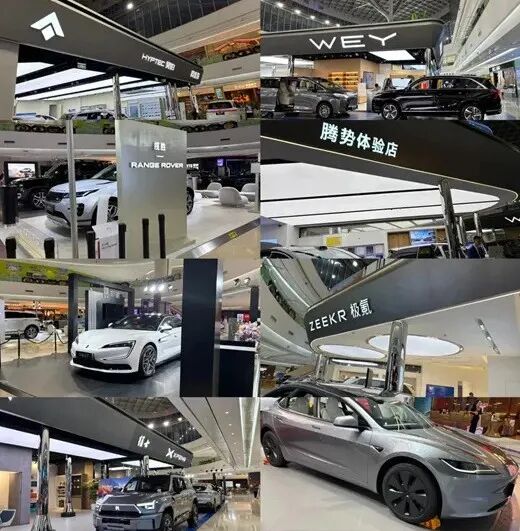
NIO has made the most substantial investment in this regard. It is reported that the annual rent for NIO's store in the Oriental Plaza in Beijing's Wangfujing area is as high as 70 million to 80 million yuan.
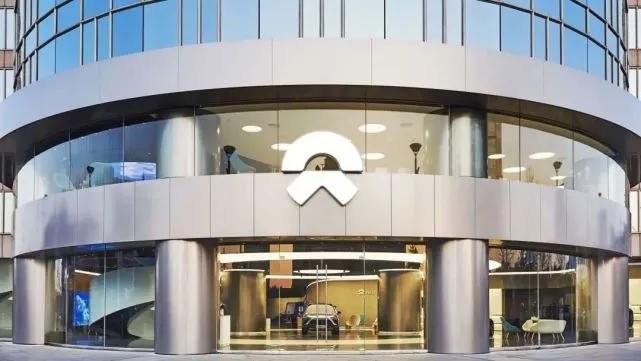
However, the trend can change rapidly, and fewer and fewer automobile companies are willing to spend large sums of money in shopping malls.
Data shows that since 2024, the number of new energy vehicle stores in shopping malls across the country has decreased by 37% year-on-year, and even leading brands such as Tesla and XPeng are "withdrawing."
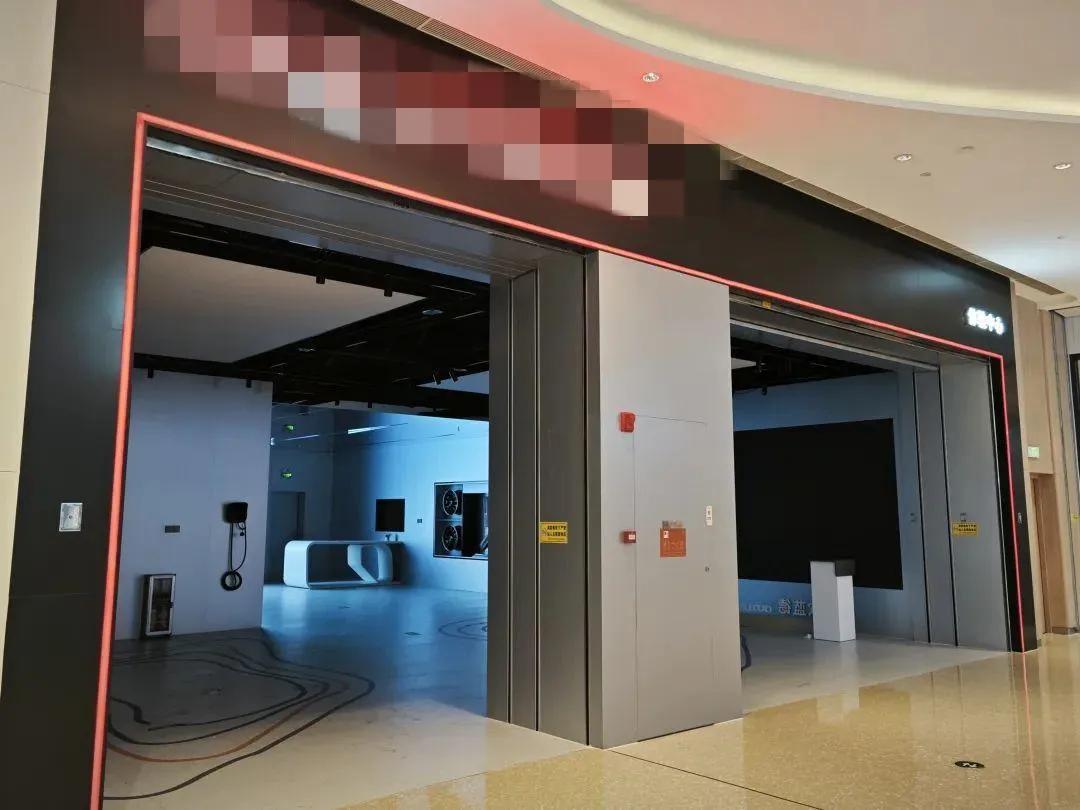
Why are automobile companies collectively fleeing from shopping malls?
The "bad example" set by Tesla has turned the first floor of shopping malls into an auto show venue
Automobile stores in shopping malls were once a highly sought-after new business model.
In 2019, the new energy vehicle market began to boom in China, and many peers followed Tesla's example and entered shopping malls. Moreover, not only new car - making forces but also traditional automobile companies with new energy vehicle models were vying for prime locations in commercial areas. People felt like they were visiting an auto show when they went shopping.
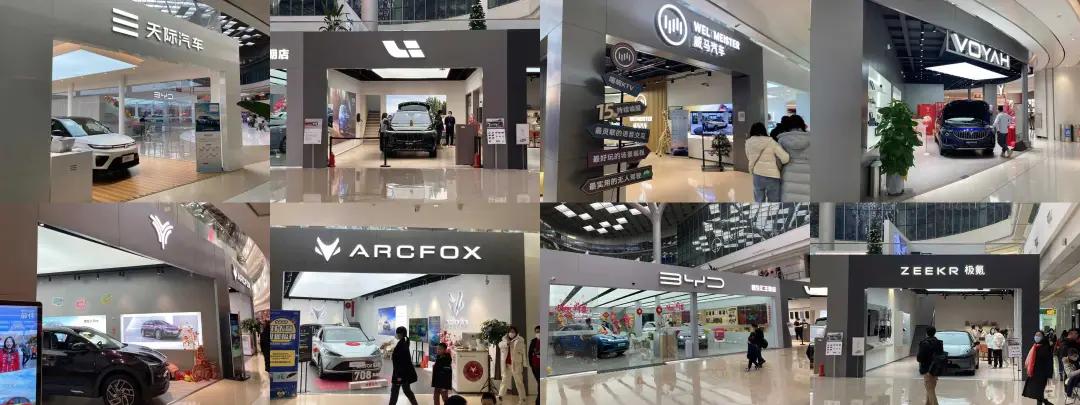
As of August 2023, there were more than 5,000 automobile stores in shopping malls across the country, located in more than 2,200 shopping centers in 247 cities.
Some shopping malls even removed their doors overnight to accommodate automobile companies.
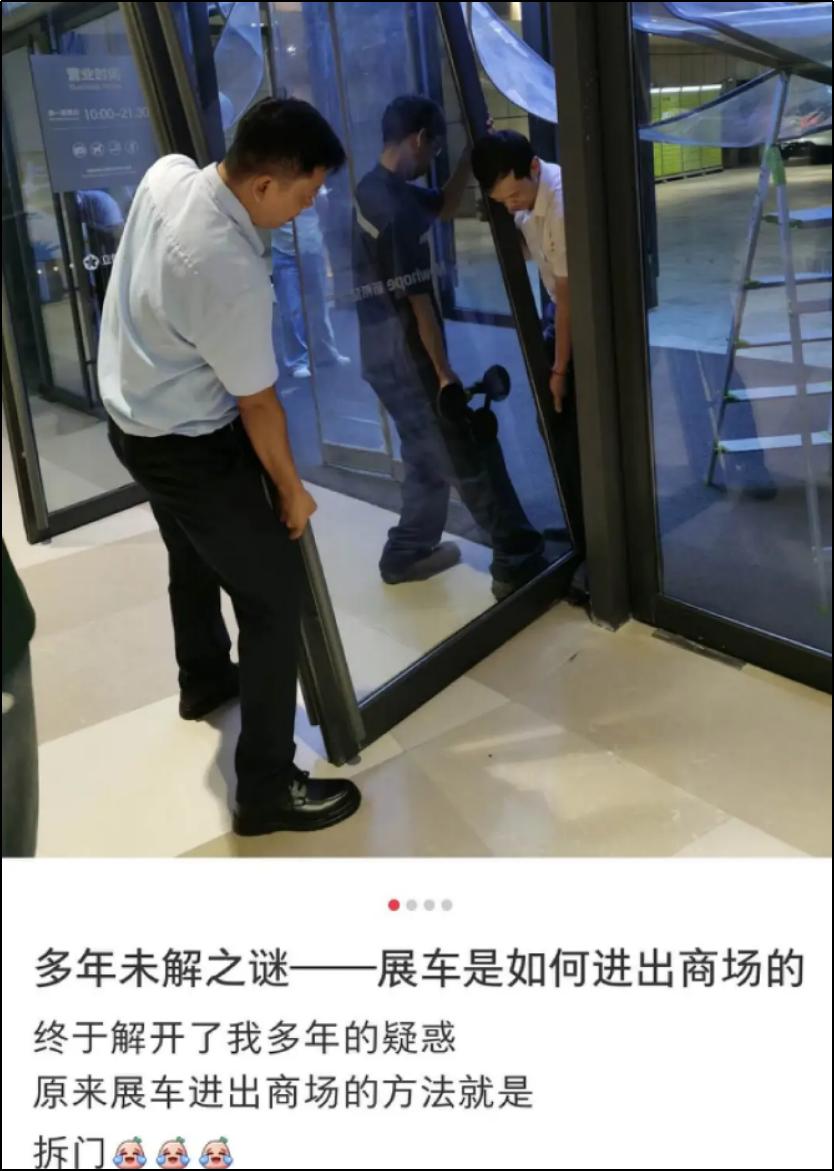
How did automobile companies and shopping malls, which seemed unrelated at first, reach a consensus?
Although most automobile stores have limited appeal and may affect the popularity of shopping malls, shopping malls generally tolerate them because of the financial strength of automobile companies. A person in charge of a Joy City in Suzhou said last year, "Take our shopping mall as an example. Generally, automobile stores in shopping malls can pay a rent of about 20 yuan per square meter per day, which is usually more than twice that of other brands on the first floor."
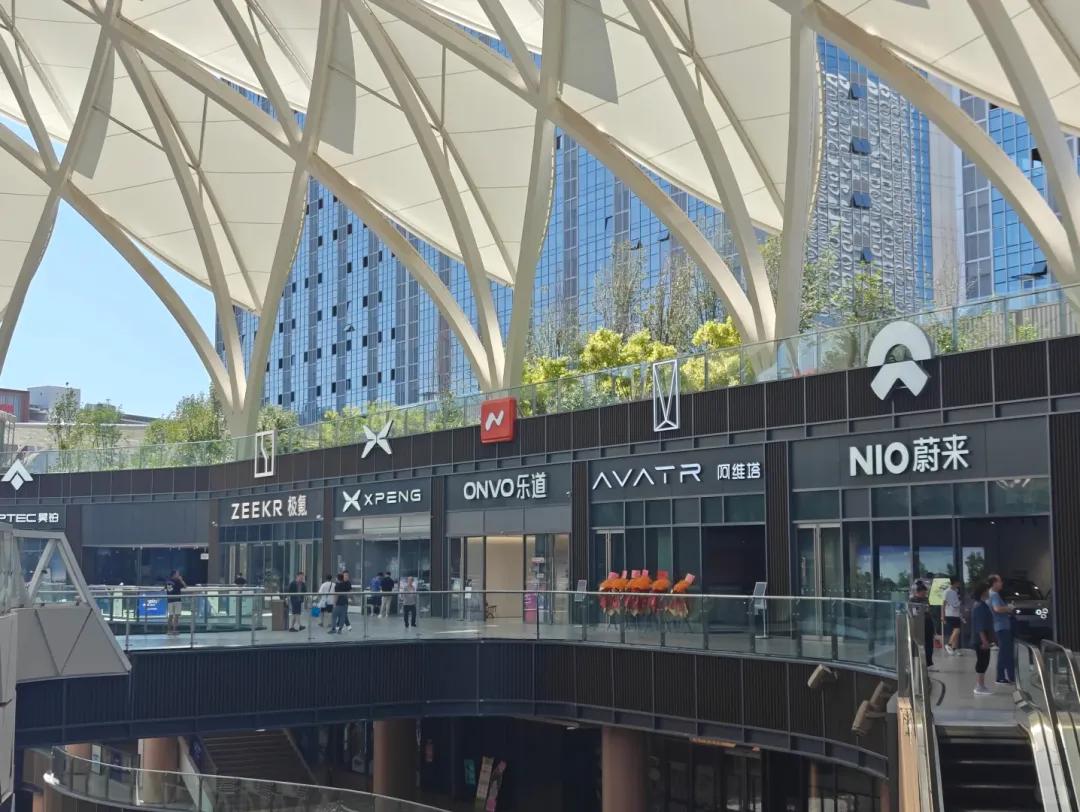
From the perspective of new energy vehicle companies, the most direct reason for investing in shopping malls is: getting closer to young people and women.
Since the rise of new energy vehicles, young people have always been the main purchasing force, and female car owners are a "key voting bloc." Data from a few years ago showed that the proportion of female owners of mid - to high - end new energy vehicles was 1.22 times that of traditional fuel - powered vehicles, and the proportion of users from families with children was also higher. According to the survey and analysis at that time, this might be because new energy vehicles are often the second car in a family, and the opinions of "mothers" are crucial.
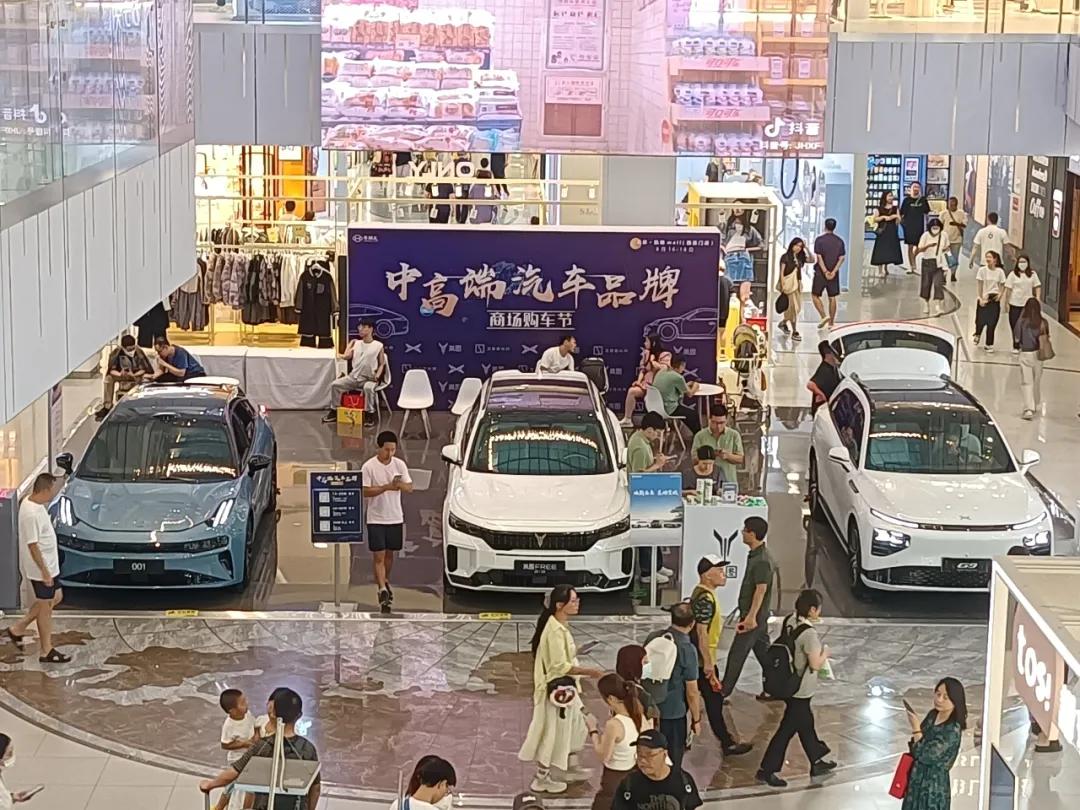
Automobile companies should be where their target consumers go.
One of the main benefits of being close to the target customers in shopping malls is the convenience of product experience and the improvement of conversion rates.
Whether it is the "intelligence" that people value or the appearance, space, and comfort that women care about when buying a car, these usually require on - site experience to be better perceived. Therefore, placing an order online at home and then having an offline experience at a nearby shopping mall is not only much more convenient than going to a traditional 4S store but also greatly increases the possibility of a successful transaction.
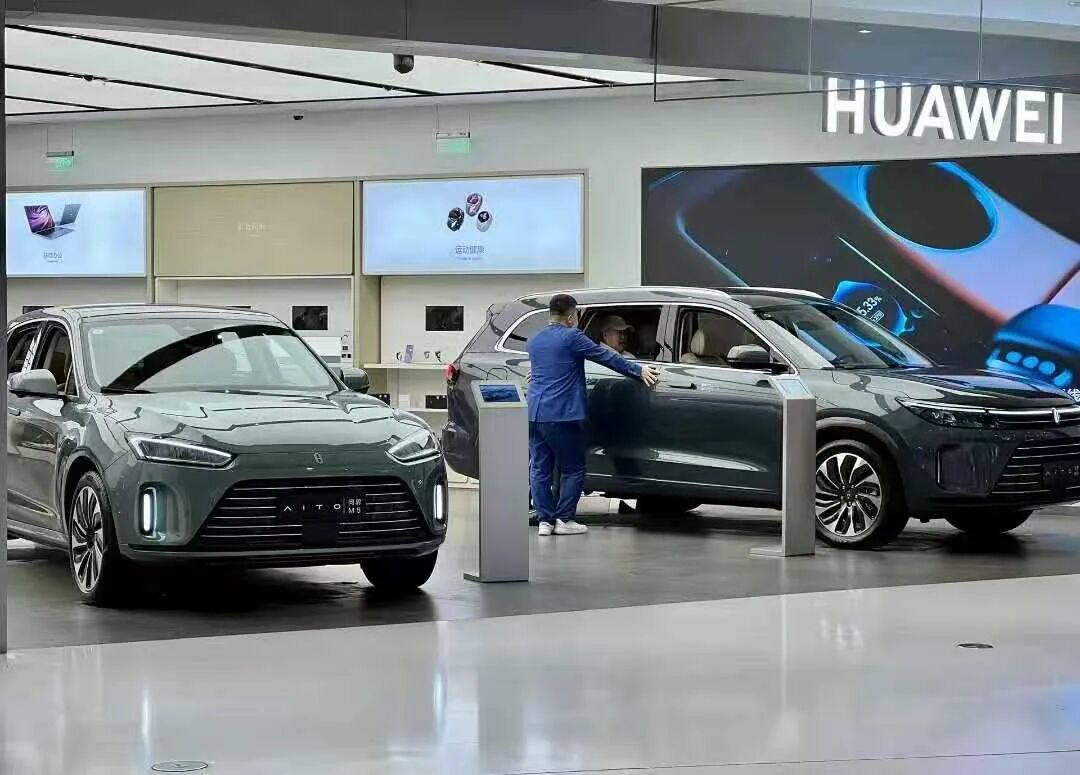
Li Xiang once said that an increase in the number of stores has a direct impact on sales. The market share of a city with an Ideal store can be eight times higher than that of a city without one.
Even if there are no successful transactions, it is still beneficial for brand promotion.
New energy vehicle companies are willing to spend a large amount of money to open stores in shopping malls. Sometimes, it is not because they are optimistic about offline profits but because of the "blood transfusion" from their advertising budgets.
In April 2021, Xiao Yong, then the deputy general manager of GAC Aion, said that the main purpose of stores in shopping malls is not sales but brand experience. In other words, the high rent paid to shopping malls is equivalent to advertising fees for brand exposure to the target customers.
So, opening a store in a shopping mall doesn't seem like a bad deal - a successful transaction means effective advertising, and an unsuccessful one means brand advertising.
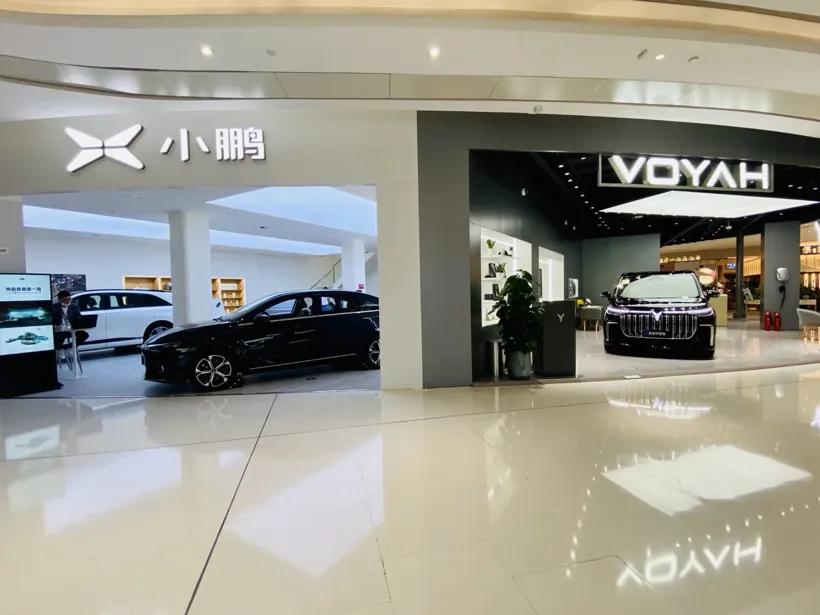
Automobile stores in shopping malls have thus become a prominent new phenomenon on the first floor of shopping malls.
Relocating from urban areas to suburbs, automobile companies finally abandon the "prestige"
No one expected that the boom of automobile stores in shopping malls would come and go so quickly.
Since 2022, Tesla has gradually closed many of its stores in city - center shopping malls and opened more stores in the suburbs; XPeng launched a "Jupiter Plan" in 2023 and voluntarily closed 46 stores that year; Avita said that it will only retain the direct - sales model for stores in first - tier core cities and gradually switch to a dealer - cooperation model in other cities...
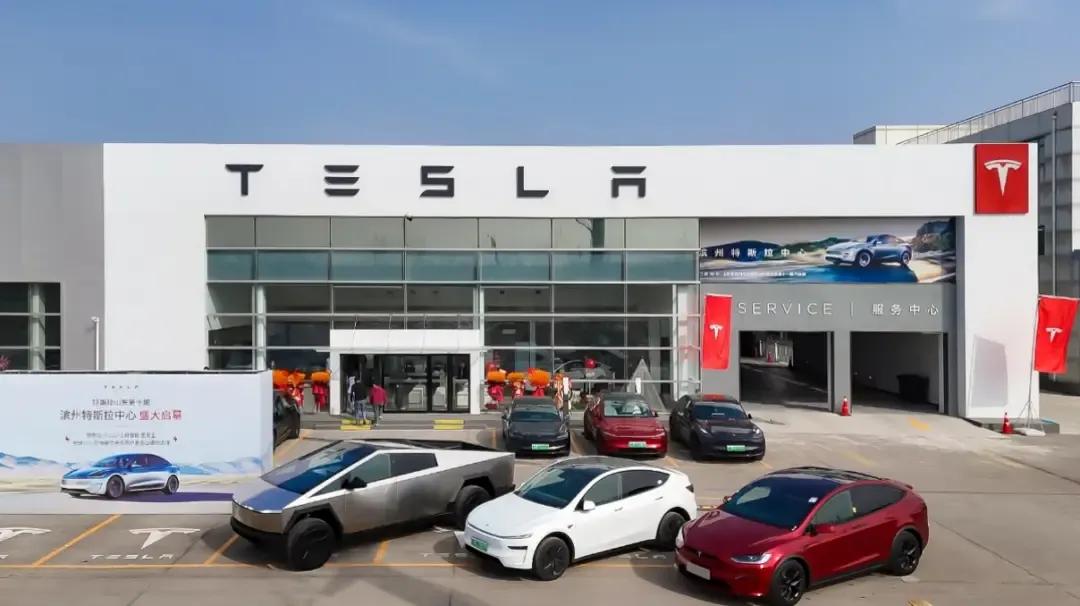
Even NIO, which has always been the most willing to spend money, has started to make changes to its "NIO Houses." Some have been directly closed, and some have been "downgraded" to NIO Spaces. For example, in September this year, NIO closed its "NIO House" in Guangzhou's Zhujiang New Town, which had been open for 7 years.
In just a few years, the attitude of automobile companies towards shopping malls has changed from a rush to enter to a successive withdrawal. Behind this, there are two cruel real - world reasons.
Firstly, automobile companies are no longer focusing on prestige and are starting to engage in fierce competition.
Since last year, the automobile industry has entered a new round of more brutal competition for survival. This time, the ones being eliminated are not the fraudsters who sought government subsidies five or six years ago but legitimate professional players, such as HiPhi, Neta, and Jiyue.

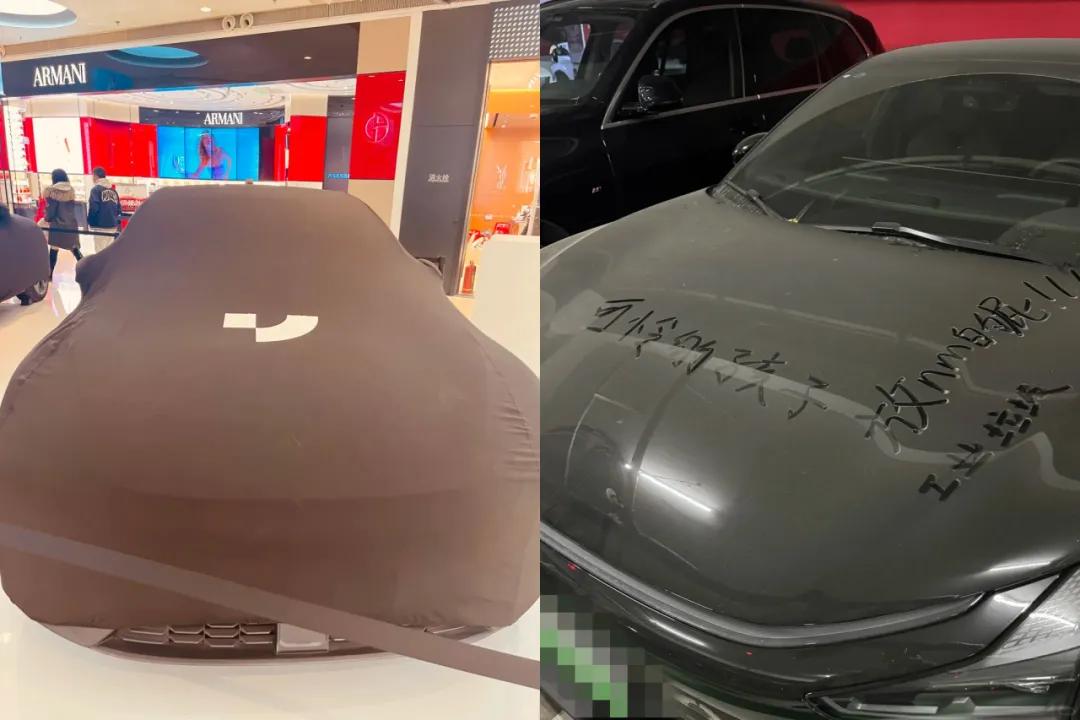
To stay in the game, the technological competition among automobile companies has been upgraded again. BYD has clearly stated that it will invest 100 billion yuan in the field of intelligent technology; Li Auto invests tens of billions of yuan in R & D every year, with nearly 50% going into artificial intelligence... Recently, the road tests of L3 - level vehicles by Changan and ARCFOX have also urged all their peers: the development of intelligent technology waits for no one.
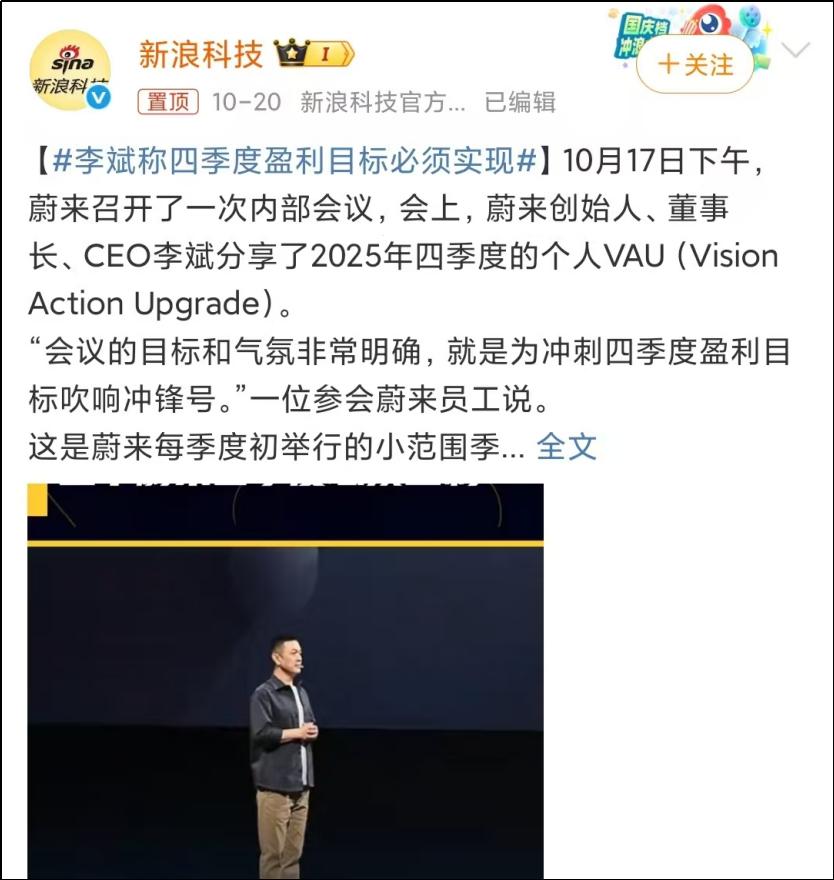
Companies like NIO, which have been incurring losses, are under even greater pressure. Li Bin said this year that many people are hesitant to choose NIO because they are worried that the company might go bankrupt. So he set a goal: "We must achieve profitability in the fourth quarter of this year."
With increasing competition and no possibility of reducing R & D expenses, automobile companies have to cut costs in other aspects.
Recently, it was reported that the HarmonyOS Smart Mobility User Center has required an end to all "HarmonyOS Grand Hotel" promotions because many non - car owners have started to take advantage of the services, overwhelming the stores.
It is only natural that automobile stores in shopping malls are being cut back.
This also reveals one major drawback of many automobile stores in shopping malls: the input - output ratio is too low.
At the beginning, stores in shopping malls did have remarkable results. In the new energy vehicle area of the Shanghai Longemont City Plaza, which opened in 2022, the sales volume in the first year was close to 3 billion yuan.
However, after several years of development, the stores in shopping malls with limited radiation ranges have basically "exhausted" the customer resources in the area. In many cases, they have become mere decorations, with more employees than customers being the norm. According to a business operator, a 280 - square - meter store of a new energy brand in a benchmark shopping mall in a first - tier city has an average monthly sales volume of less than 5 cars, resulting in continuous losses.
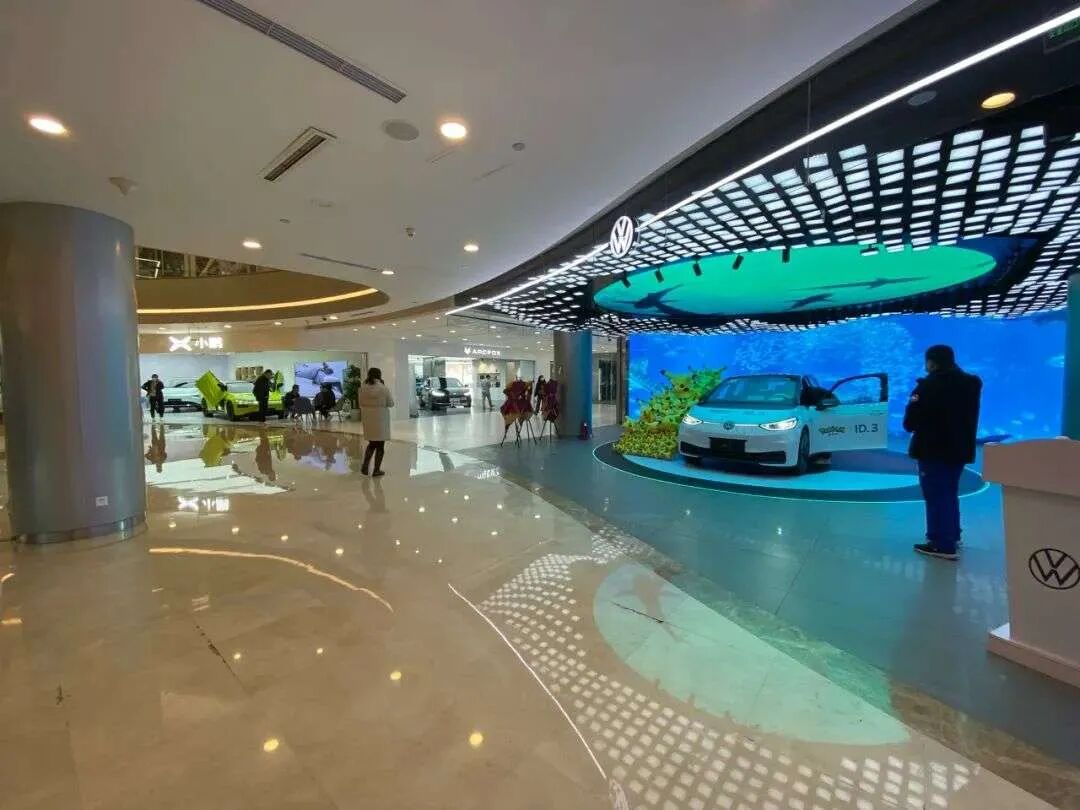
Automobile companies could afford to ignore this when they had sufficient funds, but now they need to focus on more important matters. Some people have calculated that for an ordinary store in a first - tier city, the annual operating cost, including rent, labor costs, property management fees, and utility bills, is usually around 5 million yuan, which is enough to pay the salaries of many engineers.
Finally, automobile stores in shopping malls