Lei Jun, He Xiaopeng, Zhang Yiming, and Jia Yueting are all venturing into the field of AI robots. Can Wang Xing and Unitree Robotics defend their moats?
In the past 20 years, the continuous upgrading and iteration of the Internet have kept the onlookers constantly engaged.
In the past 10 years, we have witnessed the hustle and bustle of various models such as mobile Internet, big data, online video, group buying, food delivery, and sharing economy. There has even been a fierce competition in recent years among various forces in the fields of smart TVs and mobile phones.
In the past 5 years, the emergence of new forces in car - making has stirred up the new energy vehicle market! Led by Li Bin of NIO, He Xiaopeng of XPeng Motors, Li Xiang of Li Auto, Yu Chengdong of Hongmeng Smart Mobility, and Lei Jun of Xiaomi Auto, the automotive industry has entered a crazy era of being "far ahead" of its "competitors".
If we make a prediction for the next 5 - 10 years, the biggest and most talked - about "gossips" in the Internet world will emerge in the field of AI robots!
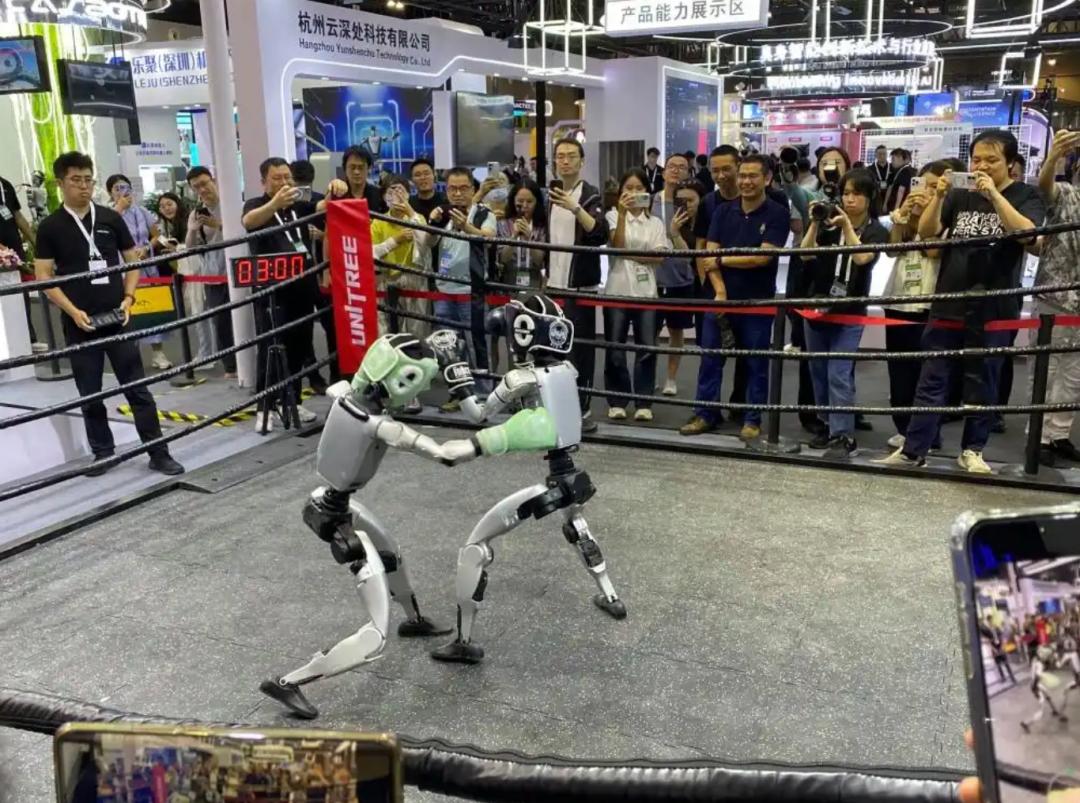
In 2025, we have seen Lei Jun, He Xiaopeng, Jia Yueting, Zhang Yiming, and many other business tycoons making cross - border layouts in the field of robots.
Cross - border giants are flocking in, and the robot track is witnessing a "hundred - group battle"
Xiaomi Group is turning its attention to the robot field. Through a three - dimensional driving model of "technology + capital + talent", it is quietly building a full - industrial - chain ecosystem covering hardware, core software, and overall machine R & D. Recently, Xiaomi under Lei Jun has not only announced two patents related to robotic hands and robots but also invested in the embodied intelligence technology company Xiaoyu Zhizao. As of now, Xiaomi has invested approximately 15 billion yuan in the robot and related fields through its investment platform, including well - known industry players like Unitree Technology.
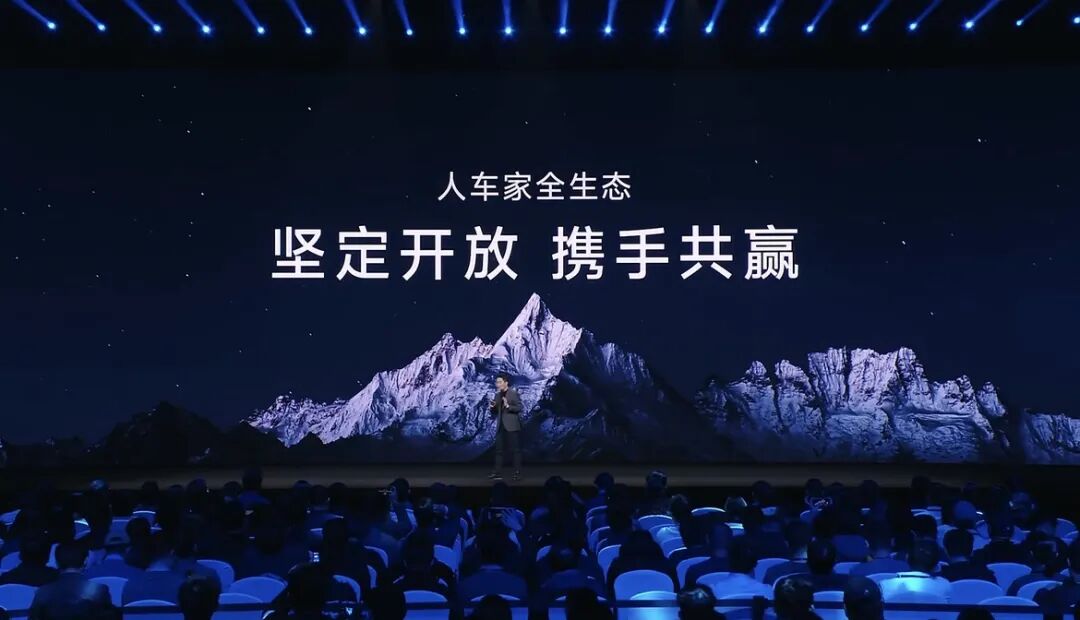
Lei Jun's layout logic is clear: leveraging the core capabilities such as perception technology, battery management, and motor control accumulated in the automotive business to support the R & D of humanoid robots; optimizing the cognitive ability of robots with the environmental perception data accumulated from smart home scenarios; and ultimately achieving seamless collaboration between humanoid robots, cars, and smart devices. Xiaomi's Robot Laboratory has recently recruited several world - class scholars in sub - fields such as motion control, bionic materials, and multi - modal perception, indicating that Xiaomi is building up key capabilities for future technological competition.
Lei Jun's friend, He Xiaopeng, has released multiple products around "physical AI", including the humanoid robot IRON that can "walk like a cat", XPeng's second - generation VLA (Visual - Language - Action Model), XPeng Robotaxi, and two sets of flight systems of HT Aero.
It's not just Lei Jun and his friends who are involved in robot - making. Lei Jun's rival, Jia Yueting, is also quietly making a layout in AI robots. Zhou Haibin, a senior automotive industry media person, revealed that FF founded by Jia Yueting is quietly opening a second front - AI robots, in addition to new energy vehicles. It is reported that FF has had multiple rounds of contacts and cooperation discussions with several top domestic AI robot companies and may make an official announcement soon.
Zhang Yiming's ByteDance Seed team has also accelerated its robot layout. In July, it released the general robot model GR - 3 and demonstrated its ability to control the ByteMini robot to complete complex tasks such as inserting a hanger into a shirt and hanging it up, and picking up household items.
Huawei has also released its first robot "Kuafu" developed based on the open - source and fully autonomous Hongmeng system. It is about 1.66 - 1.7 meters tall and weighs about 45 - 55 kilograms. It uses the latest self - developed Hongmeng system, supports multi - device collaborative interaction, and can perform tasks such as controlling smart home devices by voice commands and industrial handling.
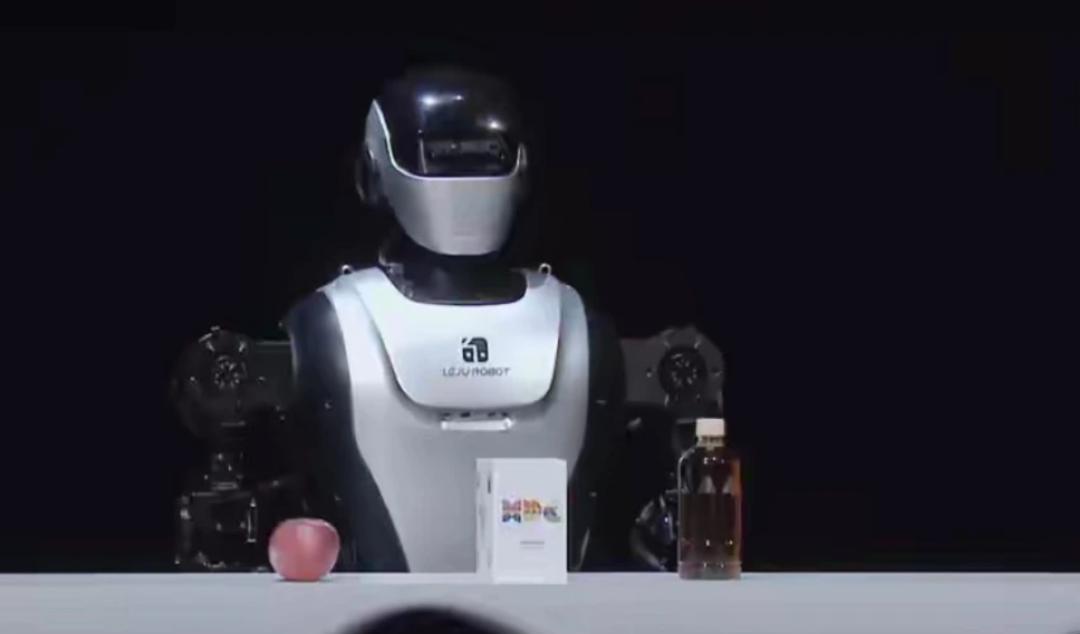
The cross - border army is approaching: from car manufacturers to Internet giants
In 2025, various enterprises are making cross - border forays into "embodied intelligence". Automobile manufacturers have become the main force in this cross - border movement. GAC Group has exhibited its third - generation embodied intelligent humanoid robot GoMate and set a clear timeline: it will establish a humanoid robot demonstration area in Guangzhou in the second half of 2025, complete the verification of the business model in 2026, and start large - scale mass production in 2027. Other OEMs such as BYD, Changan Automobile, and SAIC have also been actively involved in the layout of embodied intelligence.
In July 2025, BYD officially announced the mass production of the production line for core robot components. It has self - developed and self - produced high - precision servo motors, bionic joint modules, and dedicated control chips, which are known as the "heart" and "joints" of robots.
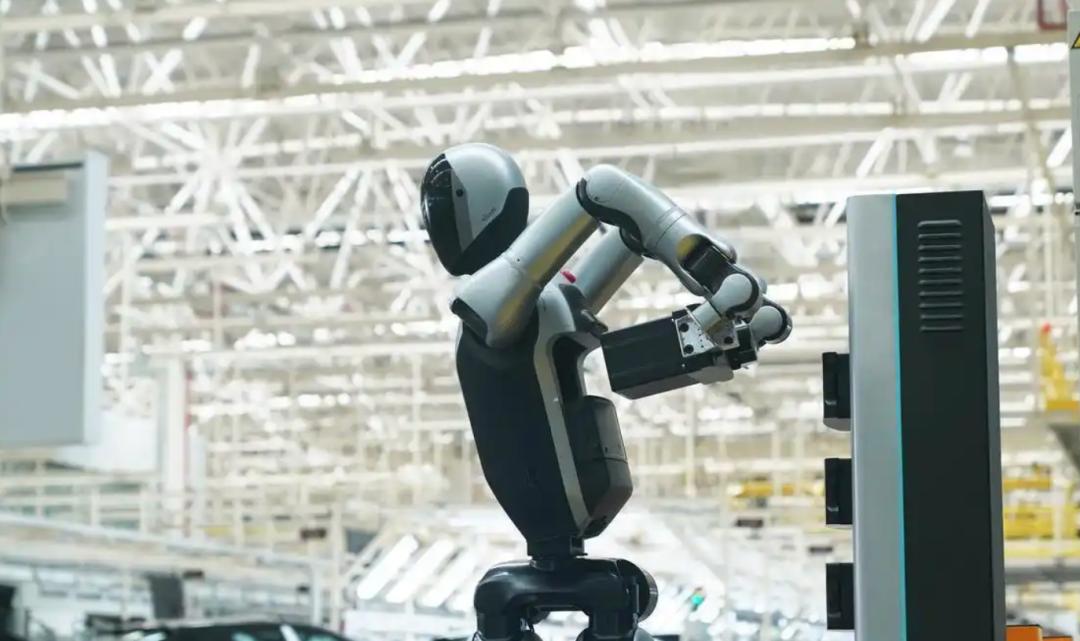
Internet giants are also not to be outdone. JD.com announced that it will invest over 10 billion yuan in the intelligent robot field. In three years, it aims to help 100 intelligent robot brands achieve sales of over 1 billion yuan and lead intelligent robots into over one million terminal scenarios. ByteDance is aiming at embodied intelligence and is laying out in the robot field through self - research and self - production. Currently, its robot R & D team has expanded to about 150 people.
He Xiaopeng believes that the competition in humanoid robots will be among giants in the future, while there will be a large number of players from different fields in the market of different special - purpose robots, and there will be many opportunities for success.
At the 2025 World Artificial Intelligence Conference, 150 humanoid robots were on display.
Elon Musk predicted that the number of humanoid robots will eventually far exceed that of humans, and there will be a large number of robots in each industry providing products and services for humans.
Is Unitree Technology's moat deep enough to win this robot "war"?
Facing numerous new forces, does Unitree Technology have its own moat? Can it win the "war" in this field?
Currently, Unitree Technology is the absolute leader in the global consumer - grade legged robot field. In 2024, its global market share of quadruped robots exceeded 60%. The humanoid robot H1 became a hit after its performance of the yangge dance at the 2025 Spring Festival Gala, becoming a new calling card for "Made in China". Its core competitiveness lies in technological autonomy: with a self - research rate of over 95%, it has achieved full - chain localization from motors, reducers to lidars. It has applied for over 180 patents in total and holds 150 authorized patents. It has been recognized as a national "little giant" enterprise specializing in niche markets.
Unitree Technology has formed a cost advantage through three characteristics: first, full - stack self - research of core components, with the cost of key components such as motors and reducers being only one - third of that of international competitors; second, in - depth binding of the supply chain, jointly developing customized products with enterprises such as Zhongda Leader and Wolong Electric Drive; third, innovation in lightweight materials, using carbon fiber composite materials to reduce the overall weight of the machine by 28%, thus reducing energy consumption and motor load. This has enabled the company to achieve a gross profit margin of 45% for consumer - grade products and 37% for industrial - grade products, both significantly higher than the industry average.
Unitree Technology has achieved continuous profitability. In 2024, its revenue exceeded 1 billion yuan, and in Q1 2025, the revenue of its industrial robot business increased by 220% year - on - year. The orders for industrial inspection robots in Q1 2025 increased by 220% year - on - year. It has reached a pilot cooperation on supply - chain automation with Tesla, and its educational version of the robotic dog has a market share of 68% in the laboratories of over 2,000 universities in Europe and America. The company has launched an IPO on the Science and Technology Innovation Board, with a valuation of over 10 billion yuan, and is expected to become the "first Chinese humanoid robot stock".
The landscape of the robot industry: from technological competition to ecological competition
In 2024, the global sales volume of industrial robots reached 542,000 units. China, with an installation volume of 295,000 units, achieved a counter - cyclical growth of 5%, accounting for 54% of the global market, and has retained the title of the world's largest industrial robot market for 12 consecutive years. In 2025, the scale of the Chinese robot market will exceed 150 billion yuan, accounting for 35% of the global market share. The market share of Chinese domestic manufacturers has exceeded that of foreign brands for the first time, reaching 57%, an increase of 22 percentage points compared to 2019.
Robots are shifting from being "program - driven" to being "intelligently autonomous". Empowered by large AI models, they have the ability to understand dynamic environments and make autonomous decisions. The UBTech Walker S2 is equipped with the Group Brain Network 2.0 system and integrates Baidu's Wenxin Yiyan large model, which can analyze over 100 types of objects in the factory scenario in real - time and autonomously plan the optimal handling path. Tesla's Optimus Gen3 introduces the self - developed D1 chip and the FSD V13.0 system, and can learn 12 types of industrial tasks such as screwing and welding autonomously by watching human operation videos. In the first half of 2025, the global shipment volume of robots equipped with large AI models increased by 180% year - on - year, accounting for 15% of the total.
From the current trend, the leading effect is very obvious. UBTech, Unitree Technology, Galaxy Universal, and Zhipu Robotics are expected to form a "quad - polar pattern". The entry of players from the automotive industry will trigger a cost revolution in the industry. BYD, GAC, etc., with a supply - chain scale of millions of units, plan to reduce the cost of humanoid robots to less than 200,000 yuan, forcing traditional robot enterprises to accelerate cost reduction. The elimination of weak players in the industry is inevitable. Enterprises lacking core technology and continuous financing ability will face elimination within 18 months, and capital will concentrate on leading enterprises with "mass - production ability + scenario - based orders".
Despite significant technological breakthroughs, commercialization still faces challenges. Humanoid robots are generally in the stage of "transition from innovators to early adopters". The industrial scenario is the main battlefield for verification. In 2025, the global order volume of industrial humanoid robots exceeded 1.5 billion yuan. However, due to the complex home environment, products such as Sony's Aibo robotic dog and UBTech's Walker X are priced at over 100,000 yuan, and the household penetration rate is less than 1%. The cost bottleneck is still very obvious. In 2025, the proportion of humanoid robots in the new installations of industrial robots in China was about 1.5%, and the penetration rate among small and medium - sized enterprises was less than 25%, far lower than the 65% among large enterprises.
How can cross - border players win? Can the leading players defend their moats?
Unitree Technology has built a solid moat in the quadruped robot field with its technological autonomy, cost - control ability, and commercialization ability. However, facing the aggressive entry of cross - border giants such as Lei Jun and Jia Yueting, as well as the rapid catch - up of competitors like UBTech and Zhipu Robotics, Unitree Technology's moat is facing unprecedented challenges.
Cross - border giants may quickly replicate Unitree Technology's technological path with their supply - chain advantages, capital strength, and ecological integration ability. The humanoid robot market is not yet fully mature, and the technological route is still being explored, so there is a risk of being disrupted. Intensified industry competition may lead to price wars, which will erode the gross profit margin.
The robot industry is shifting from "technological competition" to "ecological competition". A single technological advantage is difficult to form a long - term barrier. Whether Unitree Technology can defend its moat depends on whether it can build an industrial ecosystem quickly while maintaining its technological leadership, and transform from a "technology company" to an "ecological platform". Otherwise, under the cross - border giants' dimensionality - reduction attacks, its technological moat may be quickly filled by capital and ecological advantages.
This cross - border robot war has just begun. The "big gossip" in this era of artificial intelligence has just ripened.
This article is from the WeChat official account "Yifanghan", written by Yifanghan and published by 36Kr with authorization.