On the Eve of the Wall's Collapse: iOS and Android Reach a "Reconciliation of the Century"
In the history of the technology industry, if one were to select the two most distinct camps, it would undoubtedly be iOS and Android. The "Walled Garden" strategy established by Steve Jobs back then not only contributed to Apple's trillion - dollar market value but also erected an invisible high wall between these two operating systems.

Image source: Unobjective Lab
However, during the winter of late 2025, a huge crack appeared in the wall.
Following Google Pixel 10 series' announcement of integrating with Apple devices' AirDrop protocol, and then the release of iOS 26.3 Developer Beta 1, Apple is opening up to Android in an unprecedented manner.
The "Reverse Migration" of iOS 26.3
If you are a long - time iPhone user, you must be familiar with the Android app "Move to iOS".
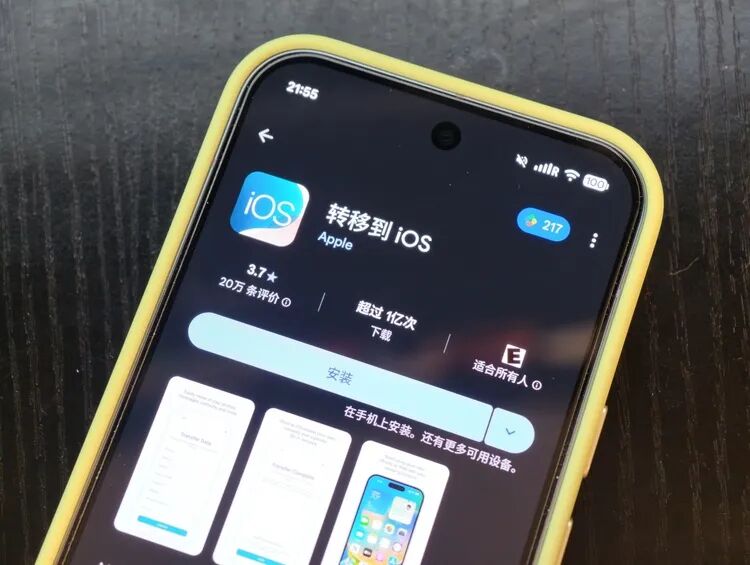
Image source: Unobjective Lab
For years, it has been Apple's powerful tool to attract users from the Android camp. But in iOS 26.3, Apple did something unimaginable five years ago - it laid a "highway to Android" at the system's core.
In the latest developer preview version, when we open the familiar "Settings" - "General" - "Transfer or Reset iPhone" page, besides the original reset options, a new entry has emerged: "Transfer to Android".
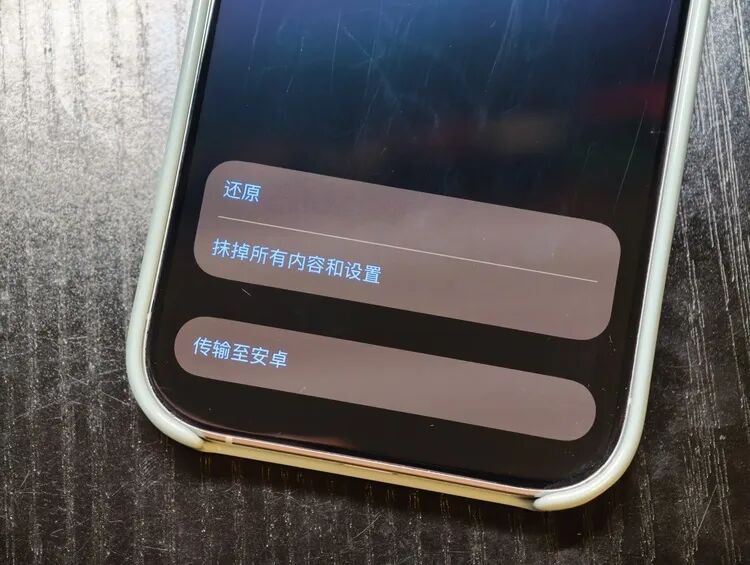
Image source: Unobjective Lab
This function is highly refined. Different from the cumbersome operations that used to rely on cloud storage or third - party phone transfer assistants, this feature in iOS 26.3 is system - level. It can not only transfer photos, videos, and contacts, but more importantly, it breaks down the barriers of applications and private formats.
iOS notes can be directly converted into Rich Text Format (RTF) readable by Android; some rich media messages in iMessage can also be exported via standardized protocols.
Moreover, it can identify the installed iOS apps and generate a matching list of Android versions during the transfer process, automatically guiding the download on the target phone.
Combined with the latest interconnection protocol of the Google Pixel 10 series, this transfer is almost a replica of the AirDrop experience: no data cable is needed, no complex pairing codes are required. Just a simple "handshake" confirmation, and the data flow starts to surge between the two systems that used to be mutually exclusive.
This change in experience is revolutionary. It means that the "pain index" for users switching across platforms has dropped directly from level 10 to level 1. Apple no longer seems to retain users by "locking data" but is forced to compete through service experience and real product strength.
Unleashing the Freedom "Trapped" on the Wrist
If the interconnection of phone data is an expected compromise, then the "Notification Forwarding" feature introduced in iOS 26.3 is a bombshell in the wearable device market.
For a long time, Apple Watch has occupied half of the global smartwatch market, largely relying on its exclusive API interface with the iPhone. Whether it's the smartwatches of domestic phone manufacturers or high - end sports brands' smartwatches, when connected to an iPhone, they often become "crippled": users can only view messages but cannot reply, and the connection is extremely unstable.
But in iOS 26.3, Apple introduced a new "Notification Forwarding" setting. This setting allows users to forward system - level notification streams to non - Apple Watch devices via the Standard Bluetooth Protocol.
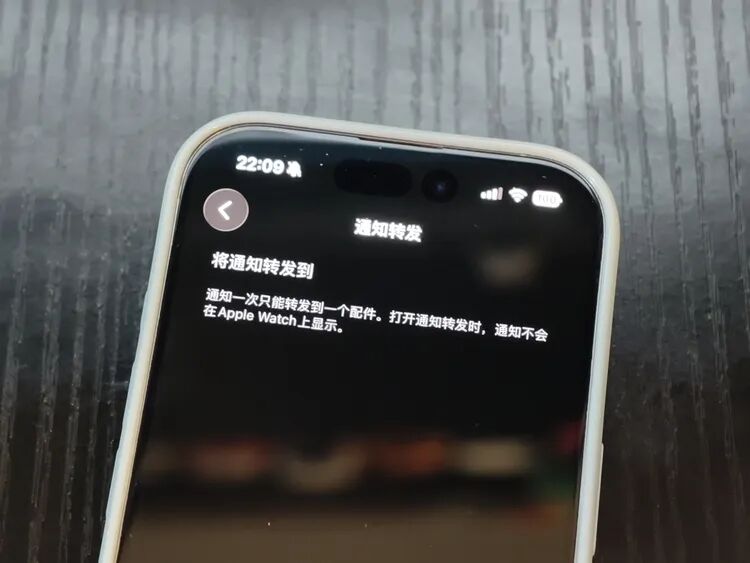
Image source: Unobjective Lab
What does this mean? It means that in the future, you can directly reply to WeChat messages from your iPhone on an Android smartwatch; it means that Garmin users no longer need to carry two phones when running outdoors for fear of missing calls.
This change completely shatters Apple Watch's moat. For iPhone users who have to endure Apple Watch because they like round dials, need long battery life, or specific sports functions, the right to choose is finally back in their hands.
The Elephant in the Room: DMA and Passive Opening
Did Apple voluntarily tear down this wall? Obviously not.
Under Cook's leadership, Apple is best at maximizing commercial interests. Actively giving up the ecological barriers not only goes against Apple's business logic but also violates its desire for control over the integration of hardware and software. The driving force behind all this is still the name that gives Silicon Valley giants headaches - the European Commission.
Just last week, the overseas media Macrumors reposted a strongly - worded statement issued by the European Commission, stating that Apple and Google must design and implement new data transfer systems to comply with the "data portability" and "interoperability" regulations in the European Union's "Digital Markets Act" (DMA).
The core spirit of DMA is: Data belongs to users, not platforms.
Since data belongs to users, users have the right to transfer their data from platform A to platform B in the most convenient way. Although Apple previously provided data export tools, the process was cumbersome and the formats were closed, which essentially hindered users from migrating.
The "Transfer to Android" function in iOS 26.3 is a direct response to this regulation. The ability of the Google Pixel 10 series to integrate with the AirDrop protocol is also based on the same regulatory logic: Standardized near - field communication protocols must be open to competitors.
This reminds people of the USB - C interface dispute a few years ago. Back then, Apple reluctantly abandoned the Lightning interface under the strong pressure of the European Union. Now, history is repeating itself at the software level. The difference is that this time, it involves not only the charging cable but also Apple's core assets - user data and ecological stickiness.
Domestic Phone Manufacturers: From "Hackers" to "Regular Army"
For domestic phone manufacturers, this change in iOS 26.3 is undoubtedly a timely rain.
In the past few years, manufacturers like vivo, OPPO, and Xiaomi have racked their brains to break through Apple's moat. Whether it's vivo's "Inter - transfer Alliance" or Xiaomi's "Cross - screen Collaboration", they have all tried to achieve data interconnection with iPhones by installing third - party apps or exploiting system vulnerabilities.
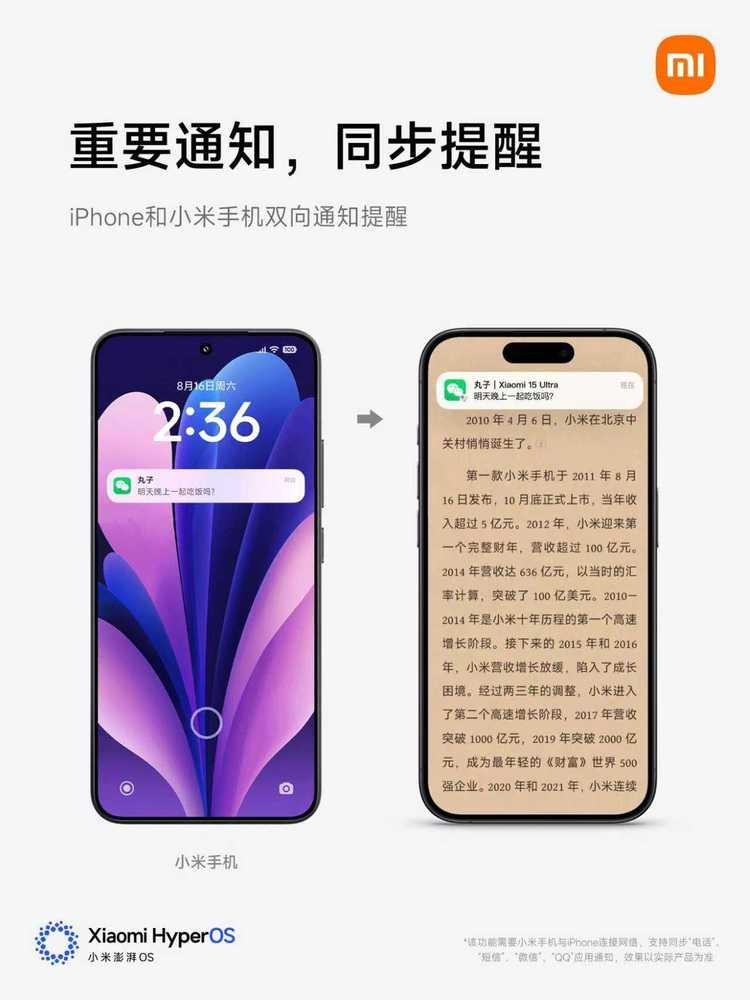
Image source: Xiaomi

Image source: Unobjective Lab
However, these solutions often have hard - to - ignore flaws in experience: unstable connections, apps being easily killed in the background, and limited transfer speeds. In essence, they are like "hackers" attacking iOS's barriers.
Now, iOS 26.3 has actively opened the door. For domestic Android phones that are targeting the high - end market, this eliminates the last concern of "having to buy an iPhone because of the ecosystem".
What Has Apple Lost and What Has It Gained?
When it becomes easy to leave the iPhone, users who are dissatisfied with the signal, charging speed, and AI functions will not hesitate to try Android flagships. But in the long run, this might be a "risky move" that Apple has to make, and it may even bring unexpected vitality.
First, competition will return to the essence of the product. When ecological bundling is no longer the decisive factor, Apple must re - evaluate the hardware innovation of the iPhone. This will force Apple to invest more energy in foldable screens, heat dissipation, signal, and the AI upgrade of Siri, instead of making incremental improvements while relying on the success of iOS.
Second, the expansion of service revenue. Apple is no longer just a hardware company. Apple Music, Apple TV+, and iCloud are all money - making machines across platforms. When iOS becomes more open, it means that Apple's services can more easily penetrate Android devices. If a user switches to an Android phone but still subscribes to Apple One and uses Apple Music, the profit loss for Apple is not as large as expected.
Finally, it's the release of antitrust pressure. Actively (or semi - passively) removing the barriers allows Apple to have more bargaining chips when facing global regulatory agencies, avoiding the risk of being split up like Google.
For consumers, this is the best of times. Whether you hold an iPhone or an Android phone, you will have true freedom of choice for the first time. The physical barriers between devices are melting away, and this is exactly what the Internet of Everything should be like.
This article is from the WeChat official account "Unobjective Lab", author: Lu. Republished by 36Kr with permission.