Huawei offers million-level rewards, and these HarmonyOS apps are on the right track.
Friends who follow HarmonyOS, especially developers, may be familiar with the HarmonyOS Innovation Contest.
This is the largest official developer event in the HarmonyOS ecosystem. It not only undertakes the mission of discovering top application innovation talents but also serves as a huge incubator, spawning new interaction paradigms for cross - terminal applications.
Recently, the five - month - long 2025 HarmonyOS Innovation Contest came to an end after a fierce final competition. 86 high - quality applications/AI agents/meta - services stood out from numerous entries and won awards.
This year, the highest individual reward in the contest reached one million yuan (including 500,000 yuan in cash and 500,000 yuan in resources). So, for the winning apps, it is not only recognition of their strength and honor but also real incentives in terms of money and resources.

So, what are the unique features of these winning apps that enable them to stand out among so many competitors?
Behind these winning applications lies developers' understanding of HarmonyOS and persistence in innovation
In in - depth conversations with the developers of these winning applications, it was not just about code discussions but also about how to understand users, scenarios, and the future. Behind each app, there is a story of "reconstruction".
- NBA Showdown
As a basketball simulation game tailored for NBA fans, NBA Showdown faces dual challenges: it needs to reproduce every moment of the intense NBA games and ensure smooth operation on mobile devices.
In an interview, the game's development team revealed that they do not regard the HarmonyOS version as a simple "distribution channel" but as a "technical lever" to enhance the game experience.
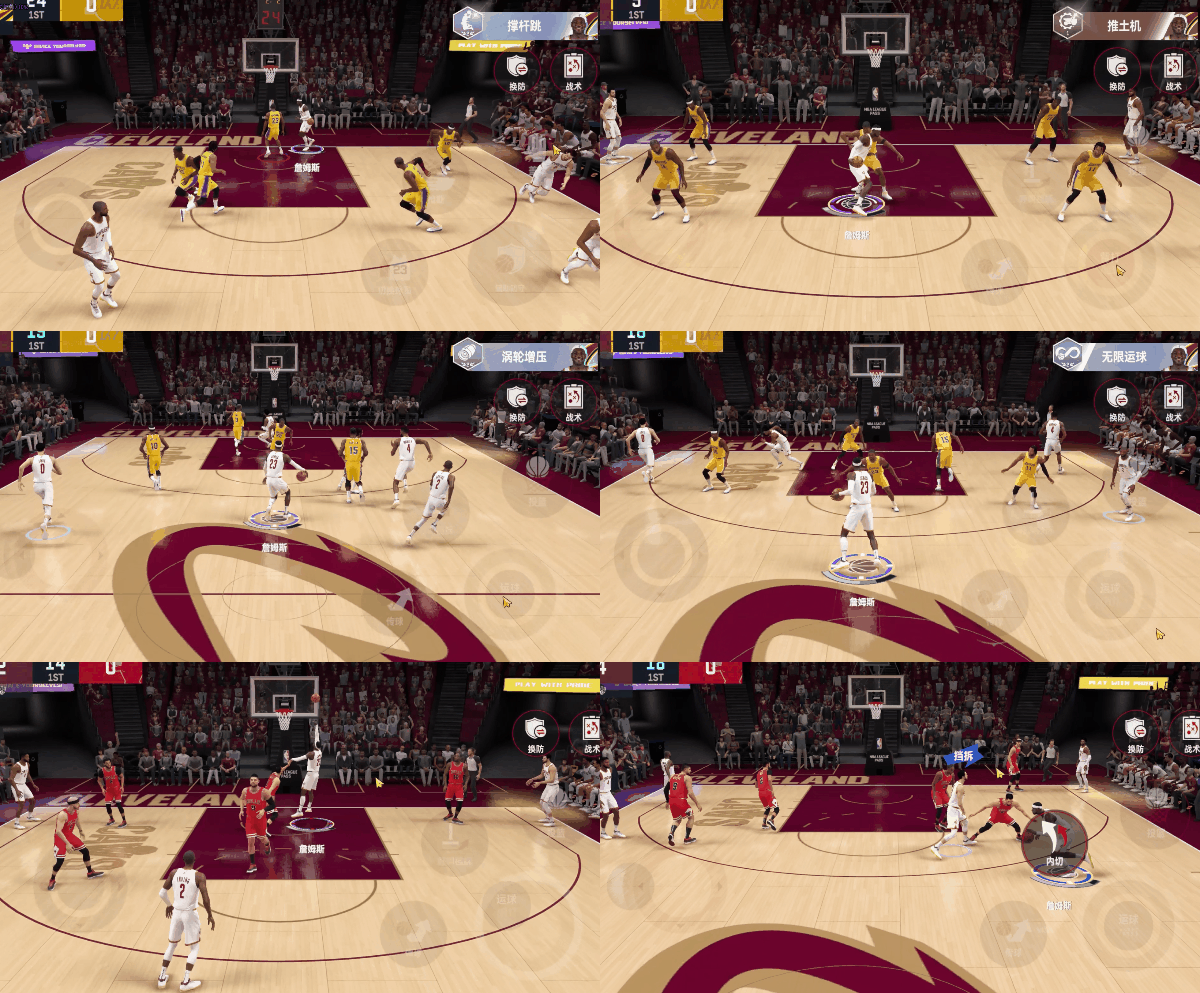
Regarding the driving force for investing in HarmonyOS development at this stage, the developer frankly said, "The biggest motivation is the broad prospects of the HarmonyOS platform. On the one hand, the convenience of 'one - time development, multi - terminal deployment' is appealing. On the other hand, the HarmonyOS official website provides a lot of relevant support and tools during the access process of many features."
To achieve the ultimate picture quality that makes players feel like they are on the spot, the team optimized the graphics interface calls and resource scheduling. They introduced the "game scenario perception" technology. By perceiving the current rendering pressure and scenario complexity of the game, it can intelligently schedule GPU and CPU resources, thus significantly reducing power consumption while maintaining a high frame rate of 120Hz.
- PromptTuner
PromptTuner is a HarmonyOS application that helps users quickly find, optimize, and reuse high - quality AI prompts (Prompts). In today's era when the generative AI wave is sweeping the world, how to write good prompts has become a pain point for many users, and PromptTuner has captured this demand.
"In just half a month, we decided to go all - in on HarmonyOS."
The developer listed three reasons: the first - mover advantage of the HarmonyOS market in the blue - ocean stage, the great support from the official, and the strong activity and purchasing power of the HarmonyOS user group. This "all - in" determination is not blind but based on the personal experience of development efficiency.
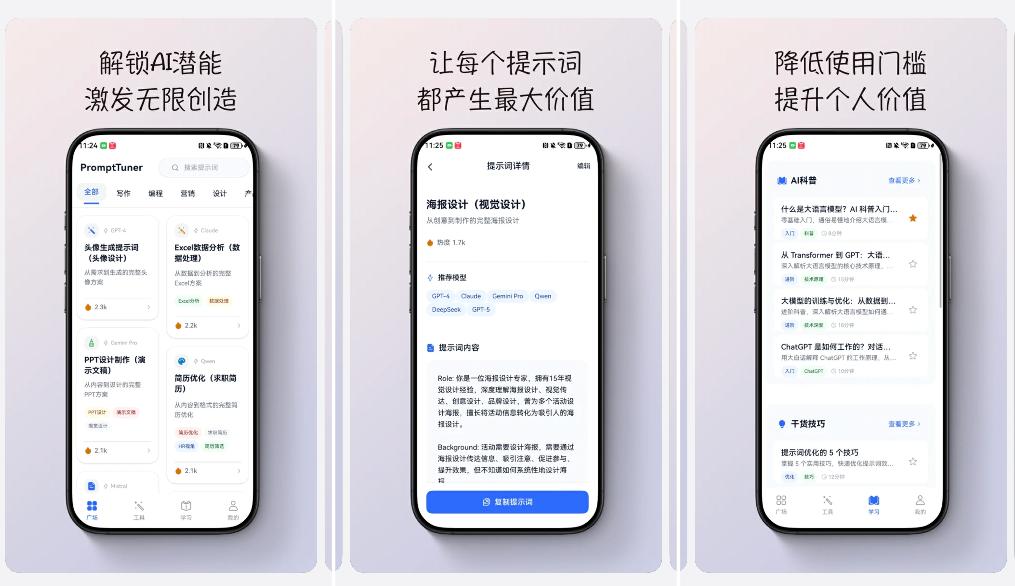
The developer excitedly said that the complete service ecosystem of HarmonyOS, such as the one - click login with Huawei account and the dark - mode framework, has greatly reduced the development cost. Especially the Huawei account system not only improves the user login experience but also directly reduces the cost of verification code text messages.
- DuoLe Guandan
As a card game, DuoLe Guandan creatively combines the "Tap - to - Connect" function of HarmonyOS. Users can quickly form a team and enter the game just by gently tapping two mobile phones together, solving this age - old problem in the most "HarmonyOS" way.
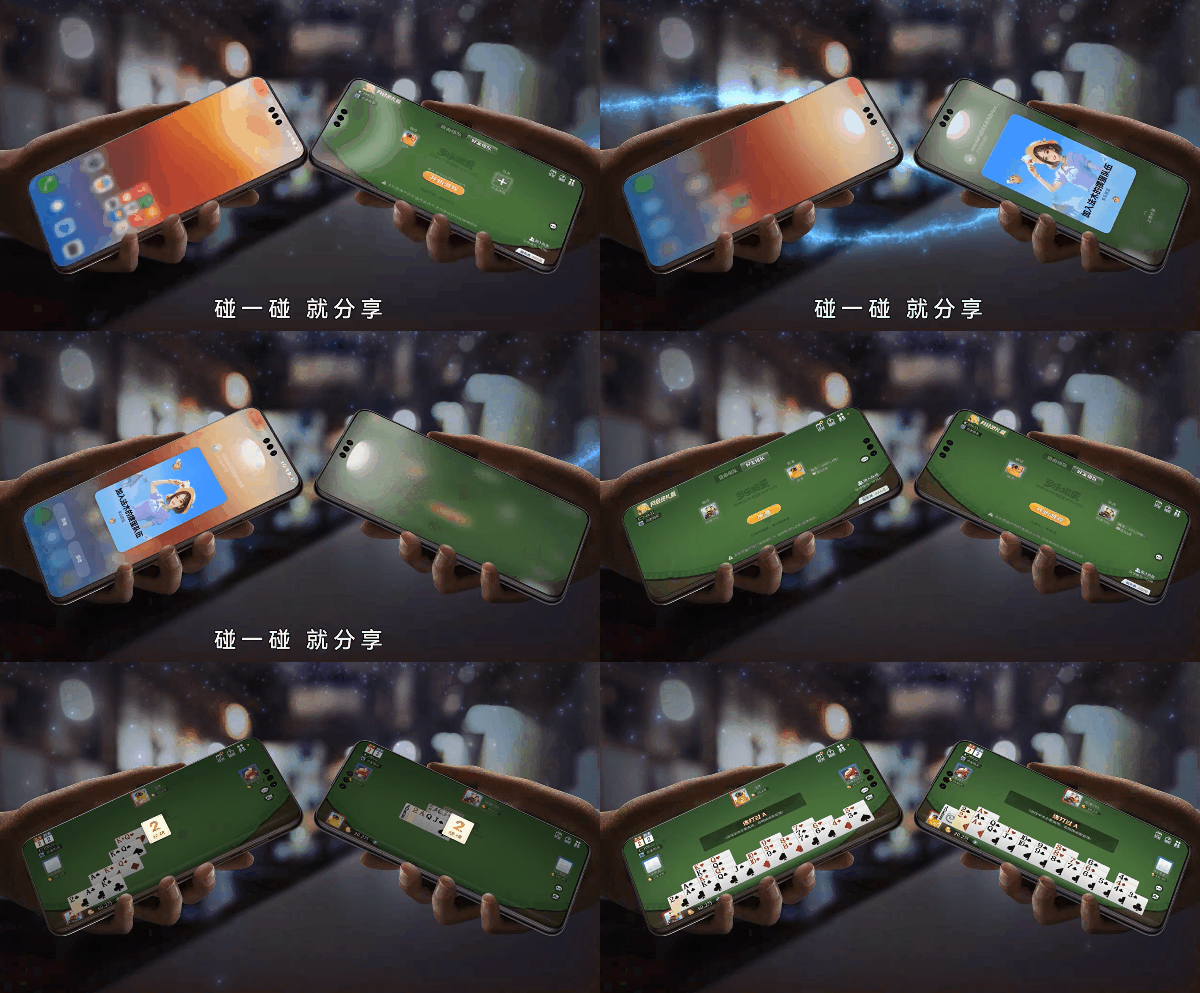
"The domestic card game market is a stock competition, and users are tired of the conventional gameplay. The 'Tap - to - Connect' function precisely hits the user demand. We saw the strong interest of users in this function at the HDC (Huawei Developer Conference), which proves its value."
This interaction innovation based on near - field communication greatly enhances user stickiness and the social attribute of the game.
- MiGu Music
Among all the winning works, the developer of MiGu Music shows a particularly profound and thorough understanding of the HarmonyOS ecosystem:
"We didn't just develop a music app on HarmonyOS. Instead, we truly reconstructed the way of using music based on the system - level capabilities of HarmonyOS."
This reconstruction is reflected in three dimensions:
First, the in - depth use of meta - services realizes "click - and - use, instant access". This makes music no longer limited to the inside of the app but can be searched, recommended by cards, and actively triggered by scenarios, becoming a system - level service entry.
Second, the practice of the distributed soft bus virtualizes different devices into "hardware nodes of the same super - terminal", realizing the real "music follows the user".
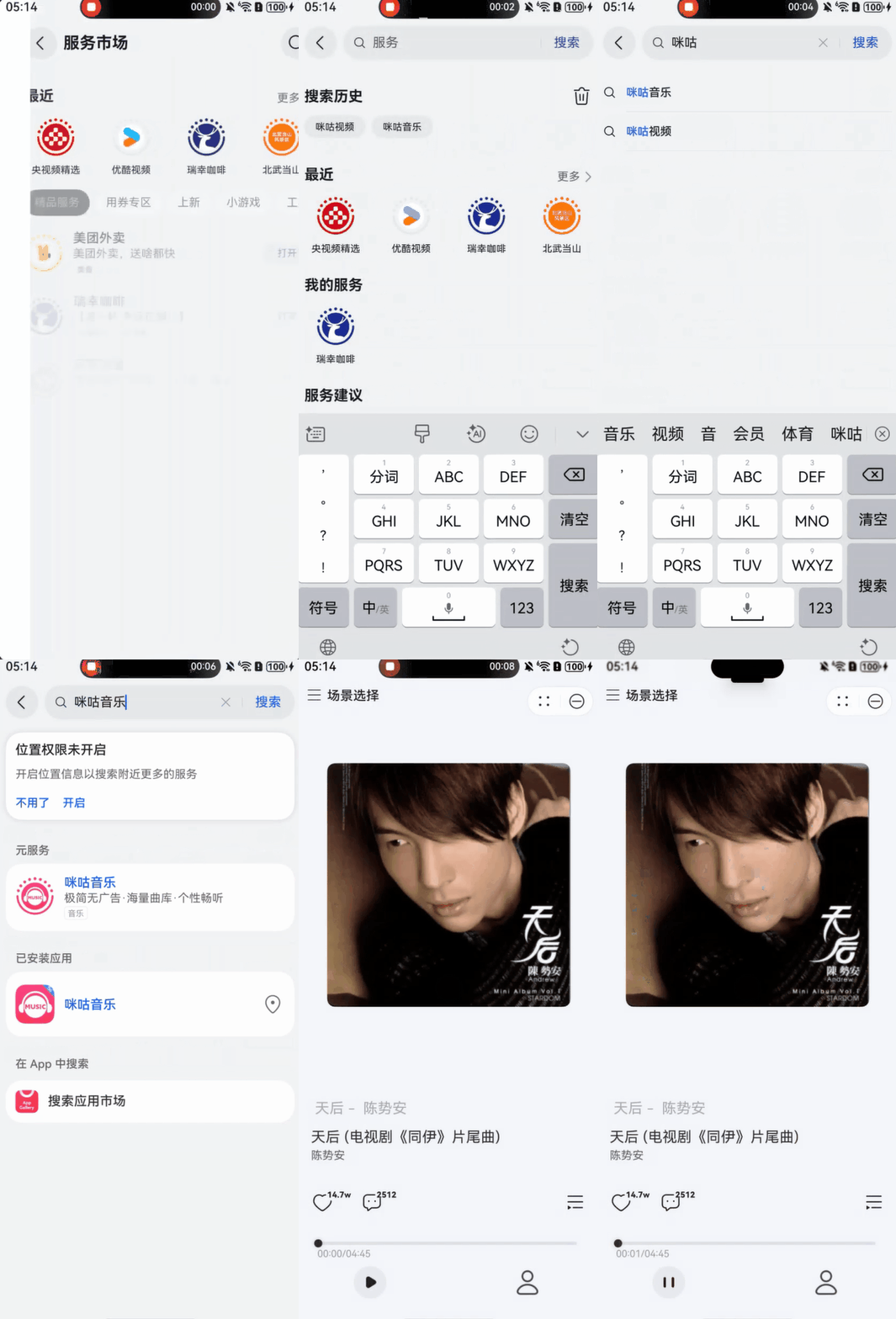
Finally, the integration of AI and accessibility. Relying on the Lingxi intelligent agent, MiGu Music upgrades "manual operation" to "voice control" and combines the accessibility mode to serve visually impaired people.
This subversion from the underlying logic makes MiGu Music rejuvenate in the HarmonyOS ecosystem.
- Cloud Pure Listening
Cloud Pure Listening is a private - cloud music player that amazed the jury with its UI aesthetics of "growing on light".
The developer introduced that they used a large number of unified design controls provided by the HarmonyOS UI Design Kit. By using Gaussian blur, gradient blur, and edge fading interfaces, they covered the entire application with light - field special effects, achieving an immersive experience where "every touch is a blend of light and shadow".
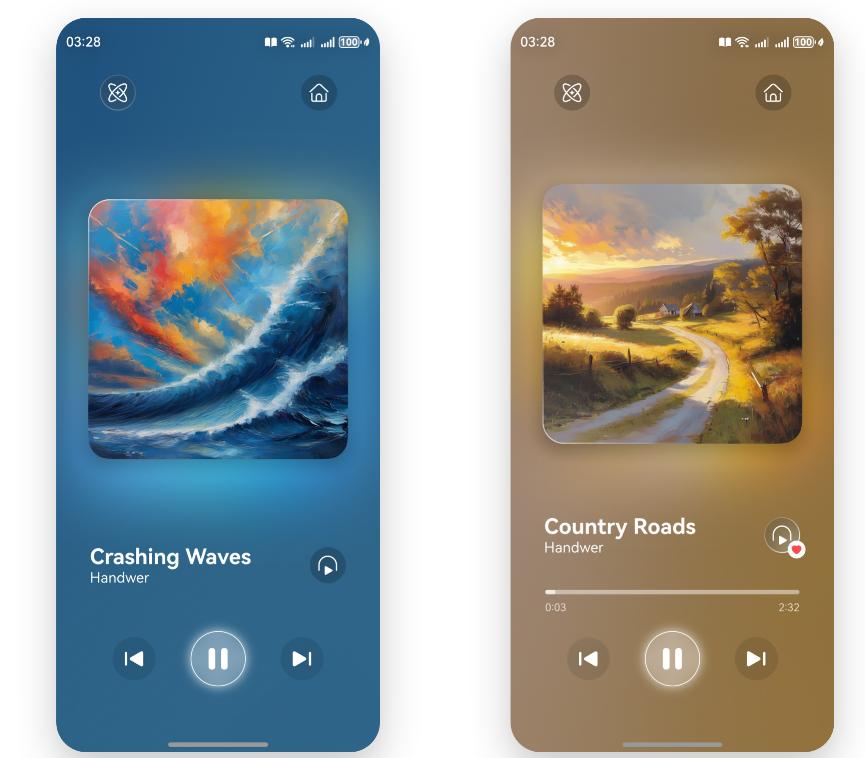
In terms of interaction, Cloud Pure Listening also shows a geeky spirit. It pioneered the "air - control playback" function, which is based on the secondary development of the built - in air gestures and intelligent perception interfaces of HarmonyOS and combined with the Xiaoyi AI Agent, bringing a multi - modal intelligent interaction experience.
When talking about the motivation and concept of developing this software, the developer directly said:
"We hope to solve the problems that today's streaming music software is becoming more and more bloated, while private - cloud playback software is not good - looking or intelligent enough, and explore some new interaction methods for the future."
- Caiyun Weather
Caiyun Weather is a very comprehensive weather data app that can observe real - time weather, provide minute - level precipitation forecasts, such as the weather forecast for the next 15 days.
To gain a foothold in the new HarmonyOS ecosystem, the Caiyun Weather team did not choose simple transplantation but conducted in - depth research on competing products.
"I downloaded the top 20 weather applications in the current app store and found that their functions and interactions are relatively simple, basically no different from the system - built - in weather app."
The developer said so during the communication. This homogenized situation has become an opportunity for them to break through.
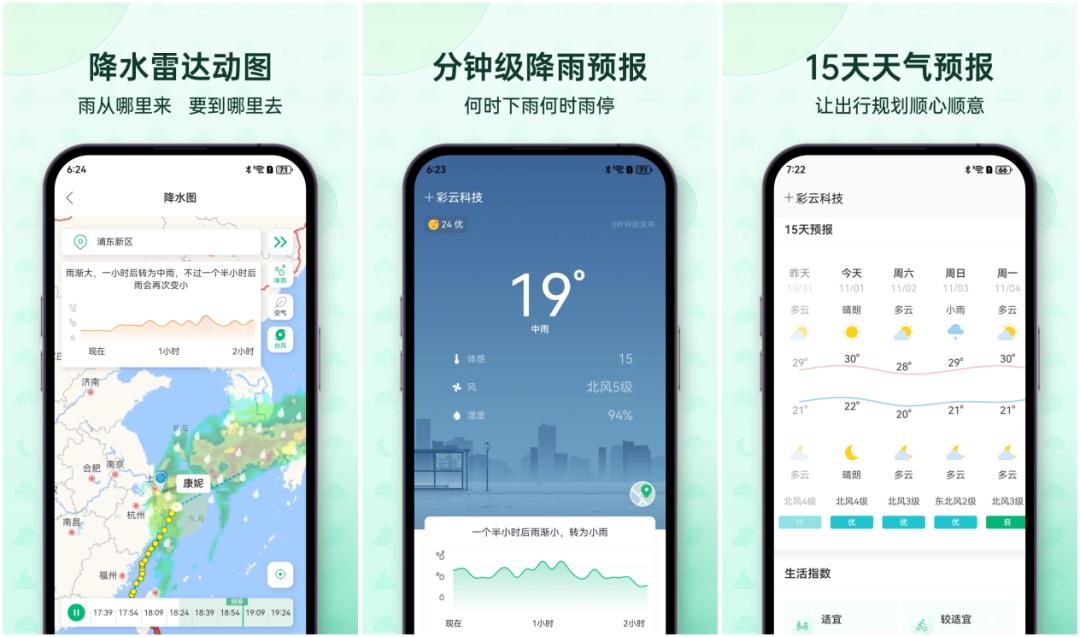
Based on this, the HarmonyOS version of Caiyun Weather plays a combination of "professionalism + intuitiveness". In addition to the core minute - level accurate precipitation forecast, they used the graphics rendering capabilities of HarmonyOS to pioneer the direct overlay of precipitation radar maps and smog radar maps on the app map.
This "what you see is what you get" visual experience turns the boring weather numbers into clear dynamic images.
- Sohu News
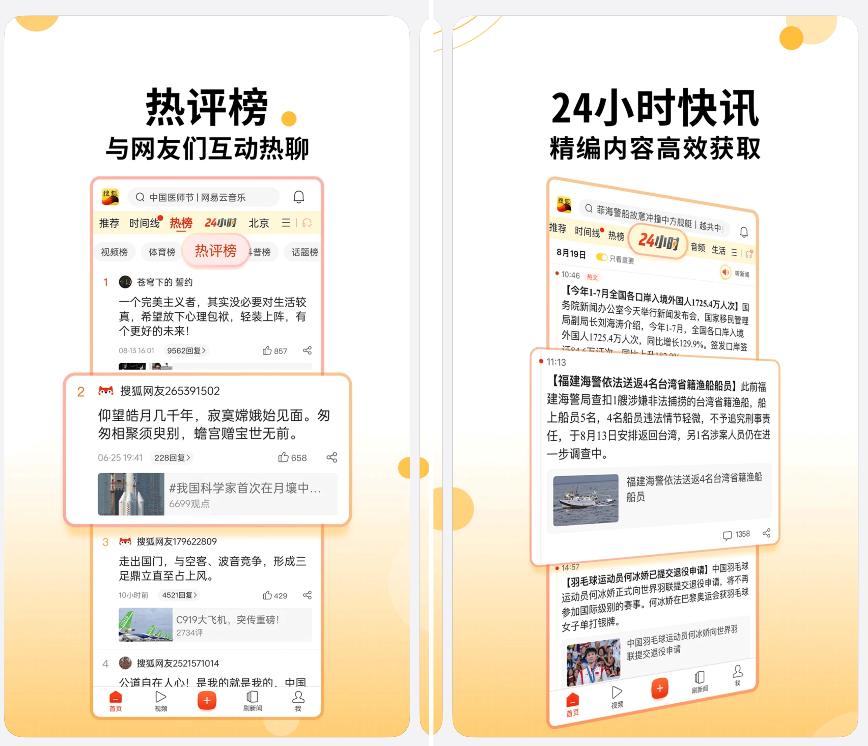
In today's highly mature mobile information industry, homogeneous competition and the "information cocoon" effect have become two stubborn diseases that hinder the upgrade of user experience. On the HarmonyOS version of Sohu News, the development team carried out a comprehensive reconstruction from the underlying logic to the interaction experience based on the characteristics of the HarmonyOS ecosystem.
For example, they deeply integrated the HarmonyOS Form Kit and placed core functions such as the hot list and news listening directly on the desktop. Users can obtain key information without opening the app.
At the same time, with the help of the image text recognition and schedule linkage realized by the Vision Kit and the "Tap - to - Share" function brought by the Share Kit, the interaction path of users in fragmented scenarios is greatly simplified.
This "direct - service" experience effectively differentiates it from the cumbersome operation processes of traditional information apps.
The "new normal" and winner rules of the HarmonyOS ecosystem
These are not only vivid innovation cases but also a clear perception of the "new normal" being formed in the HarmonyOS ecosystem.
Currently, the HarmonyOS ecosystem is redefining the survival rules of mobile applications, and these "new normal" may form the cornerstone of the future development of the Chinese application ecosystem.
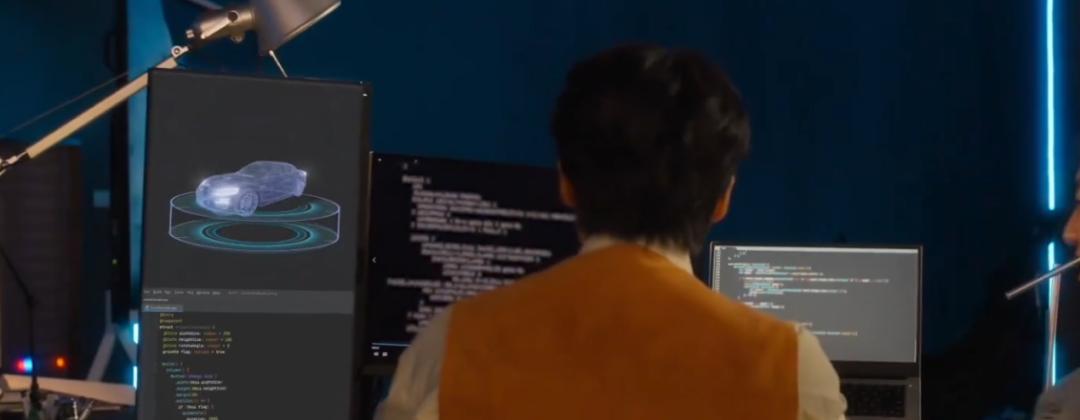
First, AI Native is achieving full - scale penetration from the application layer to the system layer.
In the past, AI was often an "add - on" to applications, but in the HarmonyOS ecosystem, AI has become the "blood" of the system. The system no longer just responds passively to users' click commands but tries to understand users' vague intentions from the system's underlying layer.
Second, the atomization of services and "de - appification" are reconstructing the path for users to obtain services.
For a long time, the "App" has been the basic unit of the mobile Internet, but it has also created information islands and operation barriers.
The innovative practices of apps like MiGu Music in "meta - services" tell us that the concept of "App" is being deconstructed, and "services" are taking its place. Users no longer need to go through cumbersome usage paths but can directly access core services through cards, search, or scenario triggers.
Third, the ultimate experience of virtual - real fusion is becoming a new competitive high - ground.
The ultimate restoration of sweat, light, and sound waves in NBA Showdown and the UI design of "growing on light" in Cloud Pure Listening are not just for "looking good" but for "simulation" and "immersion", trying to blur the boundary between virtual and real and bring a sensory shock to users.
The fourth "new normal" is that the normalization of full - scenario development and distributed capabilities are breaking the physical boundaries of hardware. The concept of "device" is infinitely extended in the HarmonyOS ecosystem, and applications are no longer limited to the screen of a mobile phone.
In the logic of HarmonyOS, all devices are different organs of "the same super - terminal". Developers must have a "full - scenario" mindset. Adapting a set of codes to multiple terminals is no longer an elective but a mandatory requirement.
So, why did these applications win?
Or rather, how can one stand out in the new HarmonyOS ecosystem?
Through this HarmonyOS Innovation Contest and exchanges with the above - mentioned developers, we can also summarize some "winner rules".
Note that these are not only the guidelines for winning in this contest but also the golden keys for future developers to build barriers in the HarmonyOS ecosystem.
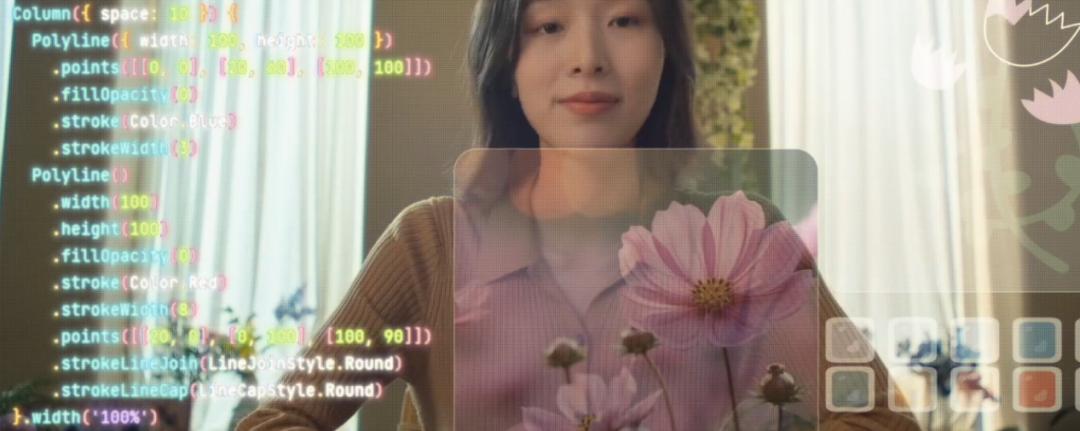
First, your application should have a high "HarmonyOS content" in technology, achieving a qualitative change from "usable" to "user - friendly".
The so - called "HarmonyOS content" does not just refer to how much HarmonyOS code an application uses. More importantly, it lies in whether the developer has touched the soul of