Full exposure of the iPhone roadmap: Seven new models in two years, including foldable and four-curved designs are all coming
Apple is brewing the largest expansion in the history of the iPhone product line.
The Information learned from multiple sources related to Apple products and suppliers that Apple plans to expand the iPhone product line from the current 5 models to at least 7 in the next two years. The new products will also include Apple's boldest design innovation in recent years - a foldable iPhone and a four-curved iPhone.
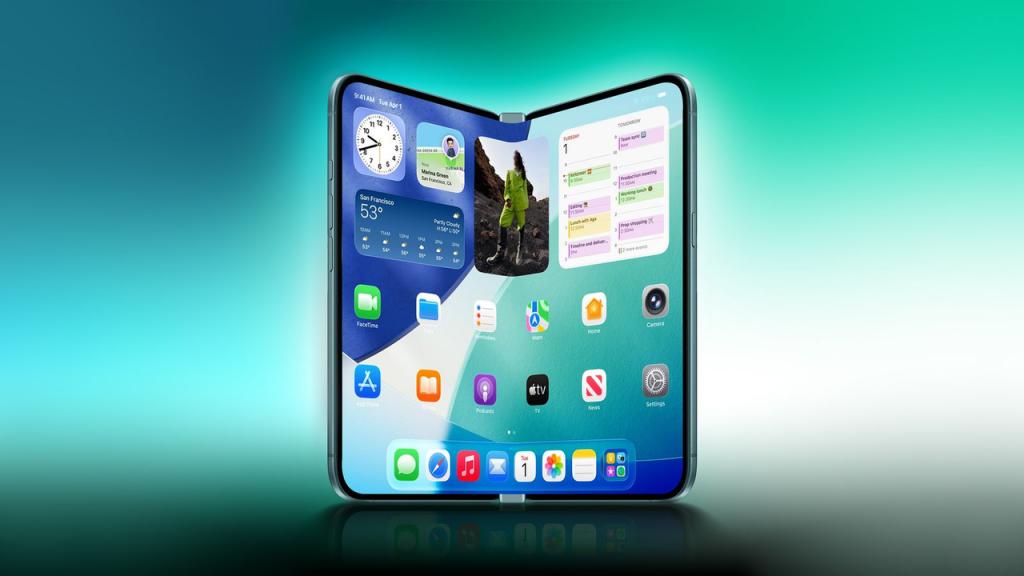
The foldable iPhone: It's actually a "wide fold"
Multiple people directly involved in the project revealed that the first foldable iPhone will be released in the fall of 2026.
This foldable iPhone, codenamed V68 internally, is significantly different from the mainstream foldable phones currently on the market, adopting a horizontal folding scheme. When unfolded, the screen ratio is more horizontal, and its form is closer to an iPad, rather than the nearly square design of most current foldable phones when unfolded.
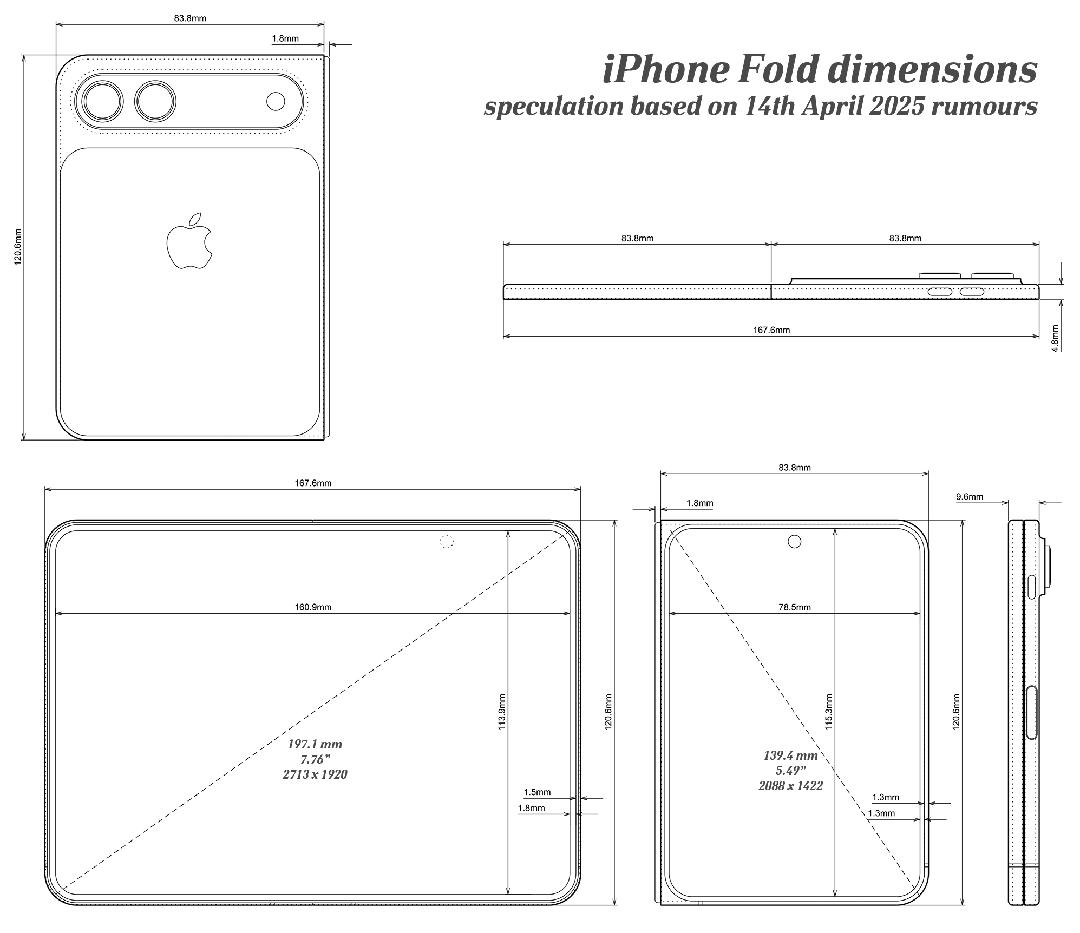
Specifically, the external screen of the V68 in the folded state is about 5.3 inches, with a ratio closer to a square. This size, which is even smaller than the iPhone mini, combined with the slightly special screen ratio, may limit its practicality to a certain extent when folded. However, relevant people also said that there is still room for adjustment in the final size and ratio.
The front camera of the foldable iPhone will be embedded in the upper left corner of the screen, equipped with sensors such as light and distance sensors, but it will not have the Face ID function. The phone will most likely use side fingerprint unlocking.
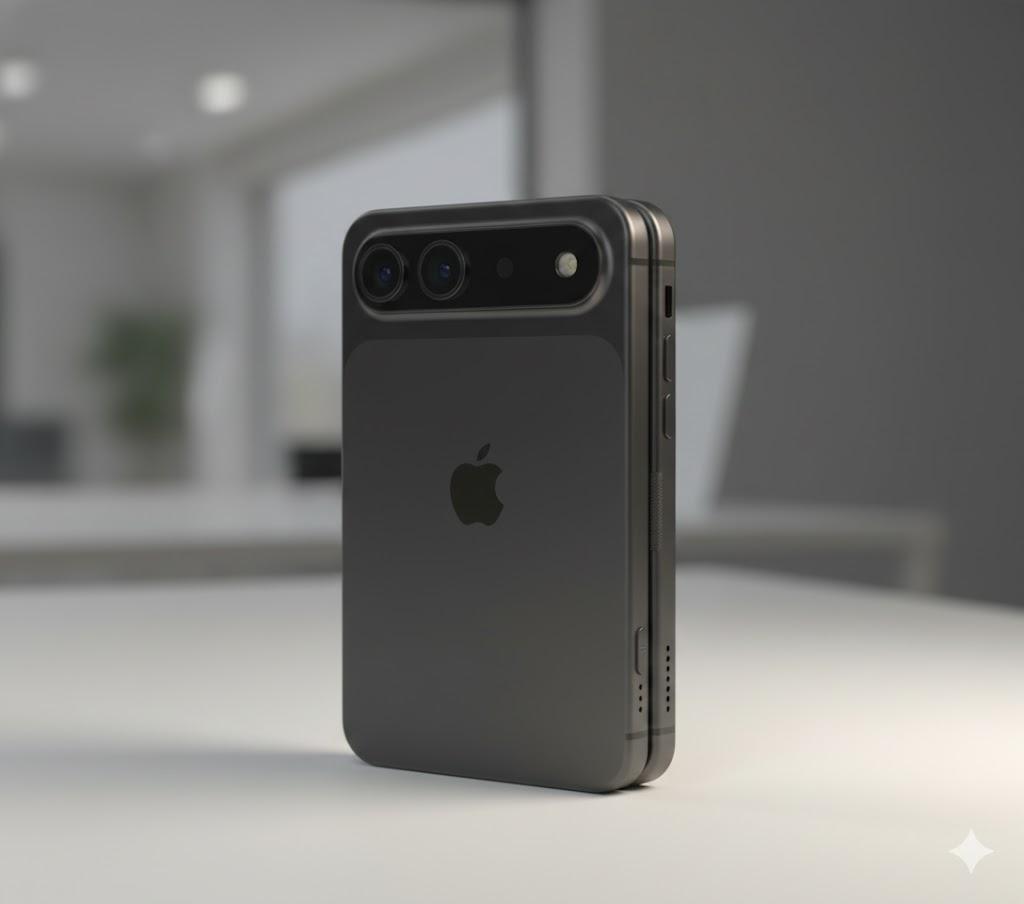
This is one of the most complex phones Apple has ever designed. Apple has kept this device highly confidential. The display, hinge, and other key components all use code names, and even many Apple employees and suppliers are not clear about all the functions of this device.
Some materials for the display come from special glass material companies such as Corning and Schott AG - the latter is already a supplier of Samsung's foldable screen phones.
Lens Technology and Biel Crystal Manufactory from China are also involved in researching different parts of the foldable display, and Foxconn is conducting trial production of this device at its factory in Guanlan, China.
According to multiple sources such as Bloomberg and RS Web Solutions, Apple has overcome the crease problem of the foldable inner screen. The hinge part may use high-strength liquid metal to improve durability and reduce deformation.
Apple is also cooperating with Samsung to verify the full-lamination In-Cell touch screen technology, which can further hide the creases and improve touch accuracy. You can read this article for specific technical details: "How Apple Builds the 'Crease-Free' iPhone".
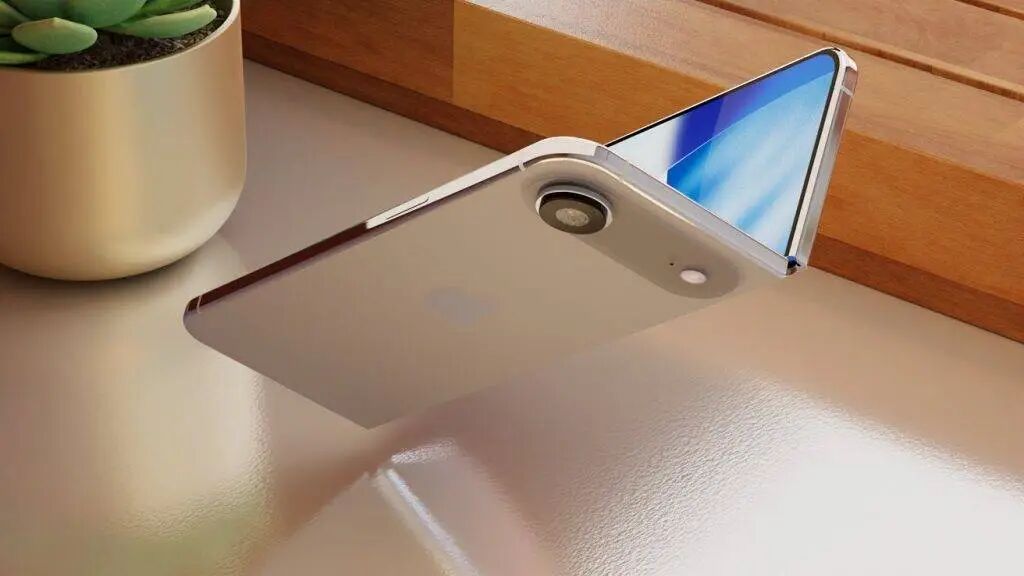
One theory is that the iPhone Fold is similar to two iPhone Airs spliced together.
However, people directly involved in the R & D revealed that Apple encountered a significant yield problem in the display production process, which is normal at the development stage.
In terms of pricing, the foldable iPhone may be priced at around $2,400 (nearly 17,000 RMB), making it the most expensive iPhone to date.
The 20th-anniversary iPhone: The true full-screen phone is coming
2027 will be the 20th anniversary of the iPhone's release. Apple plans to launch a commemorative iPhone with an unprecedented curved glass design.
This device, codenamed V72 internally, will be an "all-glass" iPhone - the glass of the screen and the back will be curved along the four edges, completely eliminating the black borders of the screen. It is not yet clear whether the screen itself will be curved.
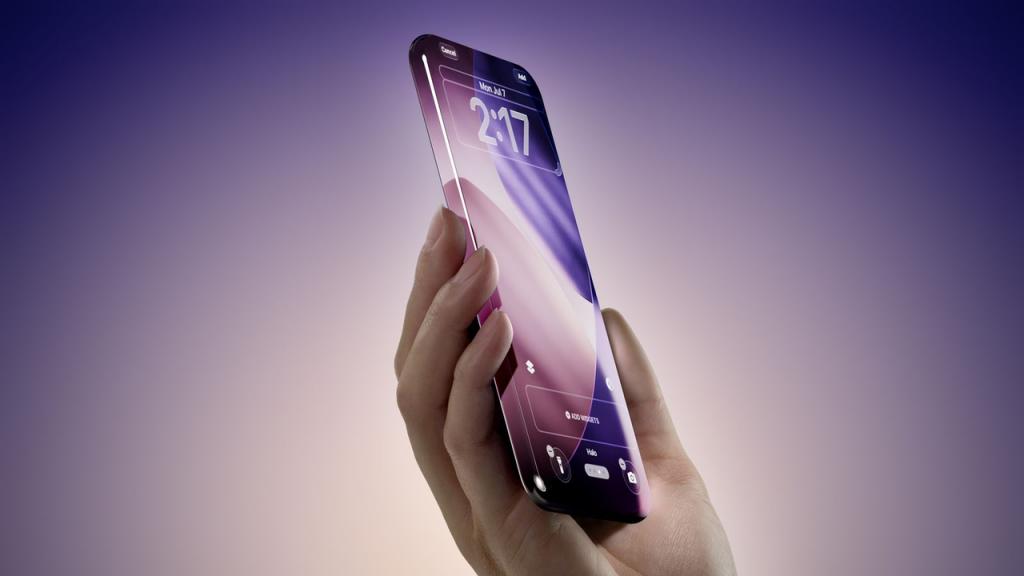
The middle frame of the phone will be compressed into an extremely narrow metal strip, located in the middle of the current iPhone, for placing the phone's buttons.
Apple will also eliminate the phone's openings and place the front camera and Face ID components under the screen. This iPhone 20 will become the first iPhone with a "true full-screen design", fulfilling Jobs' long-cherished wish of the "magic glass".
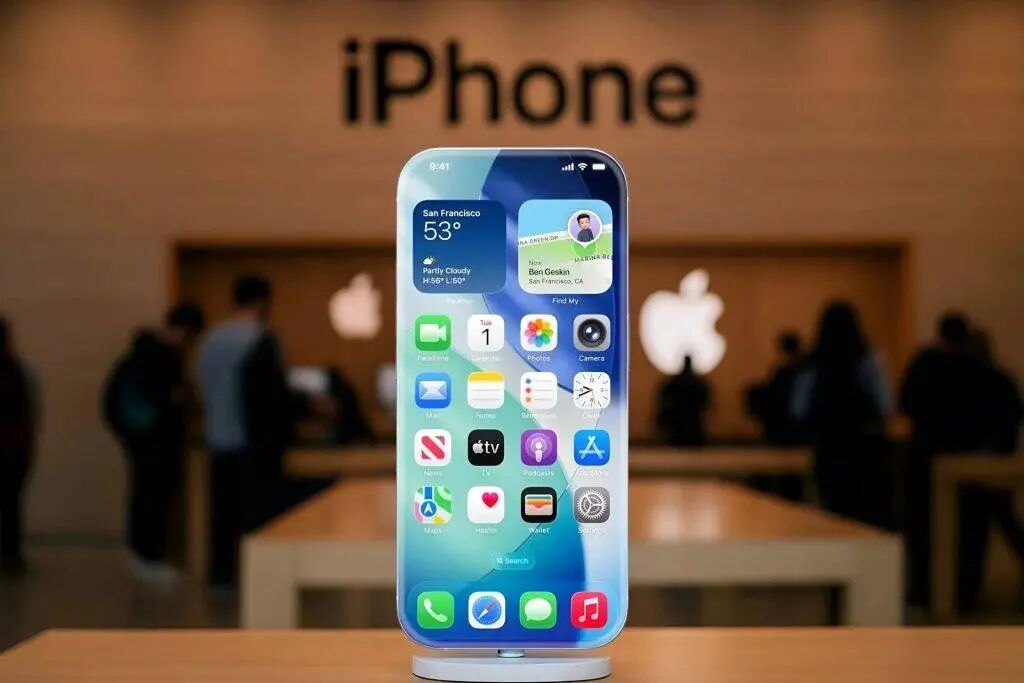
The iPhone 18 series: Incremental upgrades
Since the regular iPhone series had a major upgrade this year, the iPhone 18 series next year will mainly feature incremental upgrades, but there are also some highlights.
For the iPhone 18 Pro and Pro Max, codenamed V63 and V64, the most notable change is that Apple will use the technology of Canadian company OTI Lumionics to hide the entire Face ID sensor under the screen.
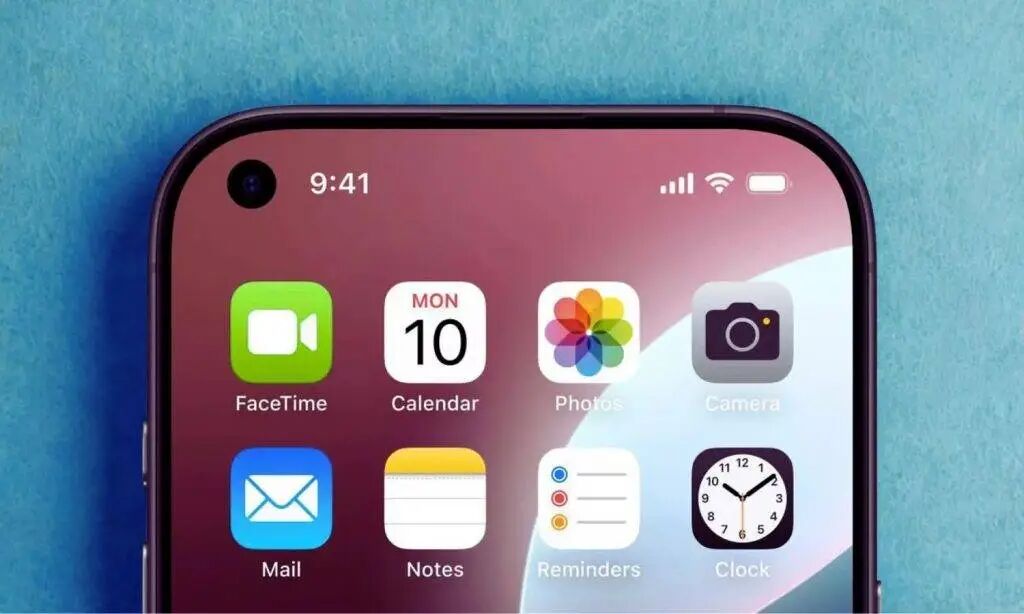
This means that since the "notch" of the iPhone X in 2017 and the "pill" of the iPhone 14 Pro in 2022, the large cutout on the front of the iPhone will finally disappear. It is reported that the front of the iPhone 18 Pro will be a "punched screen", with a single circular opening for the front camera retained in the upper left corner of the screen, gradually transitioning to an under-screen camera solution.
In terms of the rear camera, Apple plans to add a mechanical aperture structure to at least one rear camera to control the amount of light entering the lens. Apple will also use a new camera sensor that can capture more light at night while avoiding overexposure in the daytime.
Apple will also adopt TSMC's new generation of chip packaging technology - Wafer-Level Multi-Chip Module - on the iPhone 18 Pro series, which can place the running memory closer to the processor, allowing the device to run more advanced AI functions locally without waiting for a cloud response and also reducing costs.
It is expected that the iPhone 18 Pro series will be similar in appearance to the iPhone 17 Pro.

As for the ill-fated iPhone Air 2, Apple currently plans to release it in the spring of 2027, along with the iPhone 18 and iPhone 18e.
It is reported that Apple originally planned to release the iPhone Air 2 in the fall of next year, along with the iPhone Pro and the foldable iPhone, but suddenly canceled the trial production last month. The reason is easy to guess - the poor market performance of the first-generation iPhone Air.
Apple is redesigning this product, codenamed V62, considering adding a second camera and reducing the retail price, which were the pain points of the first-generation iPhone Air. Luxshare Precision will lead the trial production work of the new product at its factory in Kunshan, Jiangsu, and it is expected to restart as early as March next year.
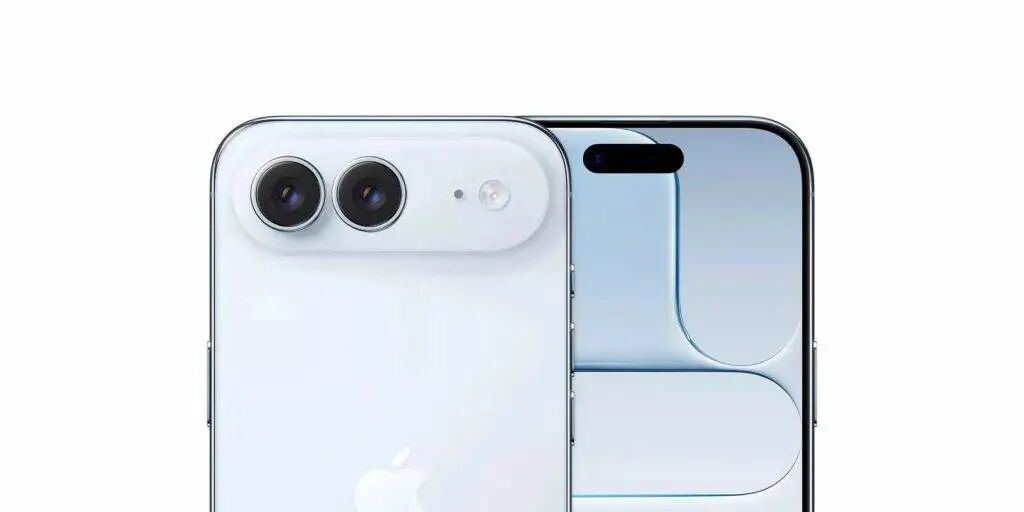
The iPhone 18, codenamed V67, is a minor update. What's more worth discussing is its release time - in the spring of 2027, rather than at the fall press conference in 2026. This means its release will be six months later than that of the Pro models of the same generation.
Apple plans to remove the tactile feedback and touch function of the camera button on the iPhone 18 to save costs. Although cutting the function is a step backward, considering users' indifferent or even negative attitude towards the camera button, this "retreat" may not receive many negative comments.
This may also mean that Apple is gradually marginalizing the camera button and will eventually remove it completely.
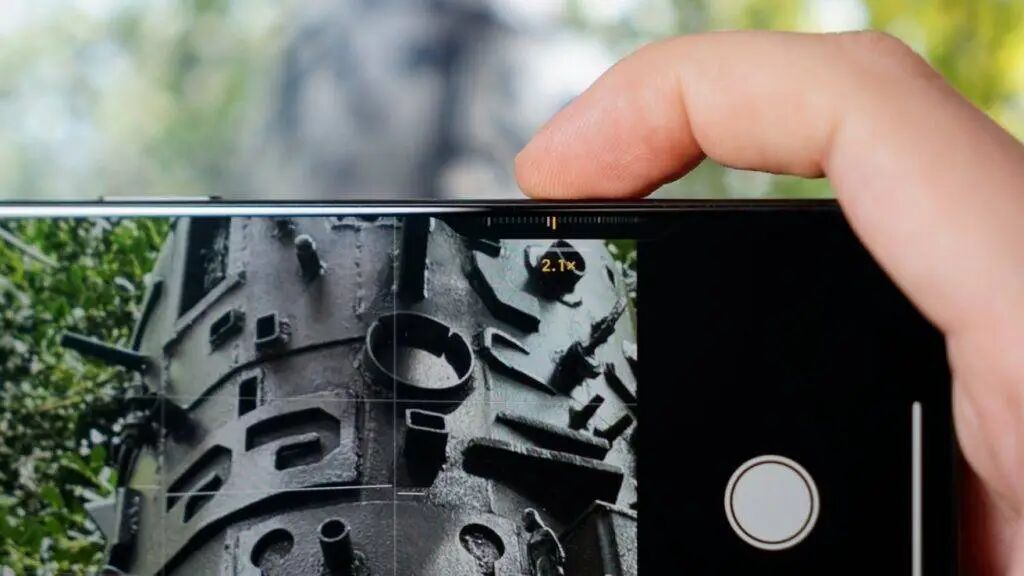
Image source: Apple Insider
The iPhone 18e is planned to be released together with the iPhone 18 in the fall of 2027, codenamed V69. There is currently little information about it. However, the iPhone 18 and iPhone 18e will for the first time try large-scale production at Foxconn's factory in Bangalore, India, before production in China.
Over 10 new Apple products are on the way, and there are also new news about the iPad and iMac
We still have to wait about a year for the iPhone 18 Pro and iPhone Fold. The next iPhone to be released will be the iPhone 17e in the spring of next year.
The iPhone 17e, codenamed V159, will introduce some functions that were missing in the previous generation but are popular among users: the Dynamic Island and MagSafe magnetic charging. It will be equipped with the same A19 processor as the iPhone 17 and a 18-megapixel front camera. As for the baseband chip, it may continue to use the C1 or be equipped with the C1X.

However, it is expected that the screen refresh rate of the iPhone 17e will still remain at 60Hz, differentiating it from the standard version of the iPhone 17. The product will continue to focus on "excellent battery life".
The recent iOS 26.2 update also leaked a large number of Apple products to be released next year:
iPad:
New iPad mini: A20 Pro chip, OLED screen
New iPad Air: M4 chip, N1 network chip, C1X baseband, retains the LED screen
iPad 12: A18 chip, supports Wi-Fi 7 and C1 baseband
Mac:
Apple is testing a high-end iMac equipped with the M5 Max chip. It is not yet clear whether it will be launched in the end
M5 Pro, M5 Max MacBook Pro, to be released in the spring of next year
A18 Pro entry-level MacBook, to be released in the spring of next year
Accessories and home products:
AirTag 2: Supports mobile tracking ability, more detailed battery level report, and the speaker is more difficult to remove
Apple TV: New product with A17 Pro chip, N1 network chip
HomePod mini: S9 chip, N1 chip
HomePod with a screen: 1080P camera, supports Face ID, to be released in the spring of next year

The expanding iPhone is just a stopgap measure
Apple is quite optimistic about its financial report for the last quarter of this year and expects it to be "the best ever". The reason is simple: this year's new iPhones (except the iPhone Air) have sold extremely well.
Facing multiple challenges such as falling behind in the AI wave, setbacks in spatial computing, and the pressure from domestic mobile phones, Apple's confidence lies in the iPhone, which accounts for half of its total revenue. Moreover, as long as Apple shows a little sincerity, the iPhones can sell well.
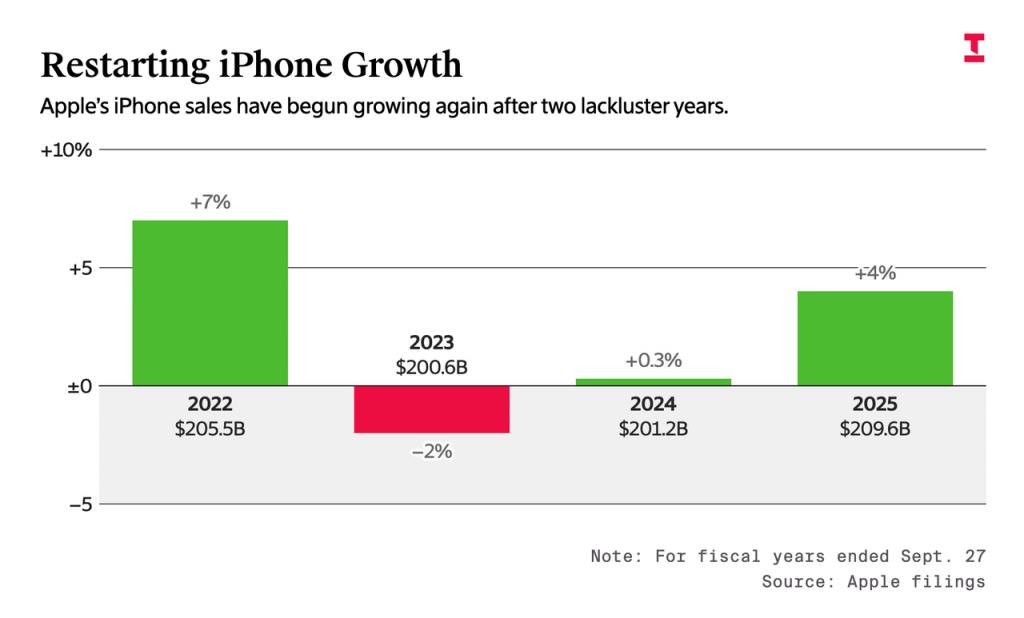
Since this year, Apple's hardware has entered three consecutive prosperous years. Due to their pricing and form, the foldable