Smart door locks are in fierce competition in 2025: Xiaomi disrupts the industry with low prices, and the integration of smart home systems becomes a trend.
In the past few years, smart door locks have been one of the fastest-growing categories in smart homes and one of the first smart home products that many ordinary consumers have come into contact with. However, in 2025, the overall performance of the smart door lock market did not maintain high-speed growth. Instead, it showed a state of stable sales volume and weak share growth.
Data from Aowei Cloud Network shows that in the first three quarters of 2025, the online retail volume of smart door locks was approximately 5.92 million sets, a year-on-year increase of about 12%. The growth rate of retail sales was relatively limited. The battle report of Double 11 was also not optimistic. The monitoring results of institutions showed that the online sales volume was between 1.37 million and 1.4 million sets.
(Image source: Huawei)
However, this change is not a recession in the industry but more like entering a new inflection point. Another report from Aowei Cloud Network points out that the replacement cycle of smart door locks is approximately between 5 and 7 years, which happens to coincide with the first group of users who tried out smart door lock products. This means that the seemingly stable smart door lock market in 2025 is actually preparing for the upcoming replacement wave.
The Smart Door Lock Battle in 2025: AI Becomes the Industry's Greatest Common Divisor
When talking about the new trends of smart door locks in 2025, AI must be mentioned. Two leading smart door lock manufacturers, Desman and Kaadas, continue to increase their investment in AI door locks. Huawei focuses on the Hongmeng whole - house intelligent ecosystem, while Xiaomi still wins a high market share with its high cost - performance ratio.
I. Xiaomi: Still the Price Butcher, Focusing on Mass Popularization
Xiaomi's main theme this year is still "popularization". Instead of competing for the ultimate flagship products in the price range of 5,000 to 6,000 yuan, it focuses on the price range of about 3,000 yuan and introduces the configurations that were previously only available on high - end locks. This actually conforms to Xiaomi's consistent style, which is also applied to its mobile phones, cars, and air conditioners.
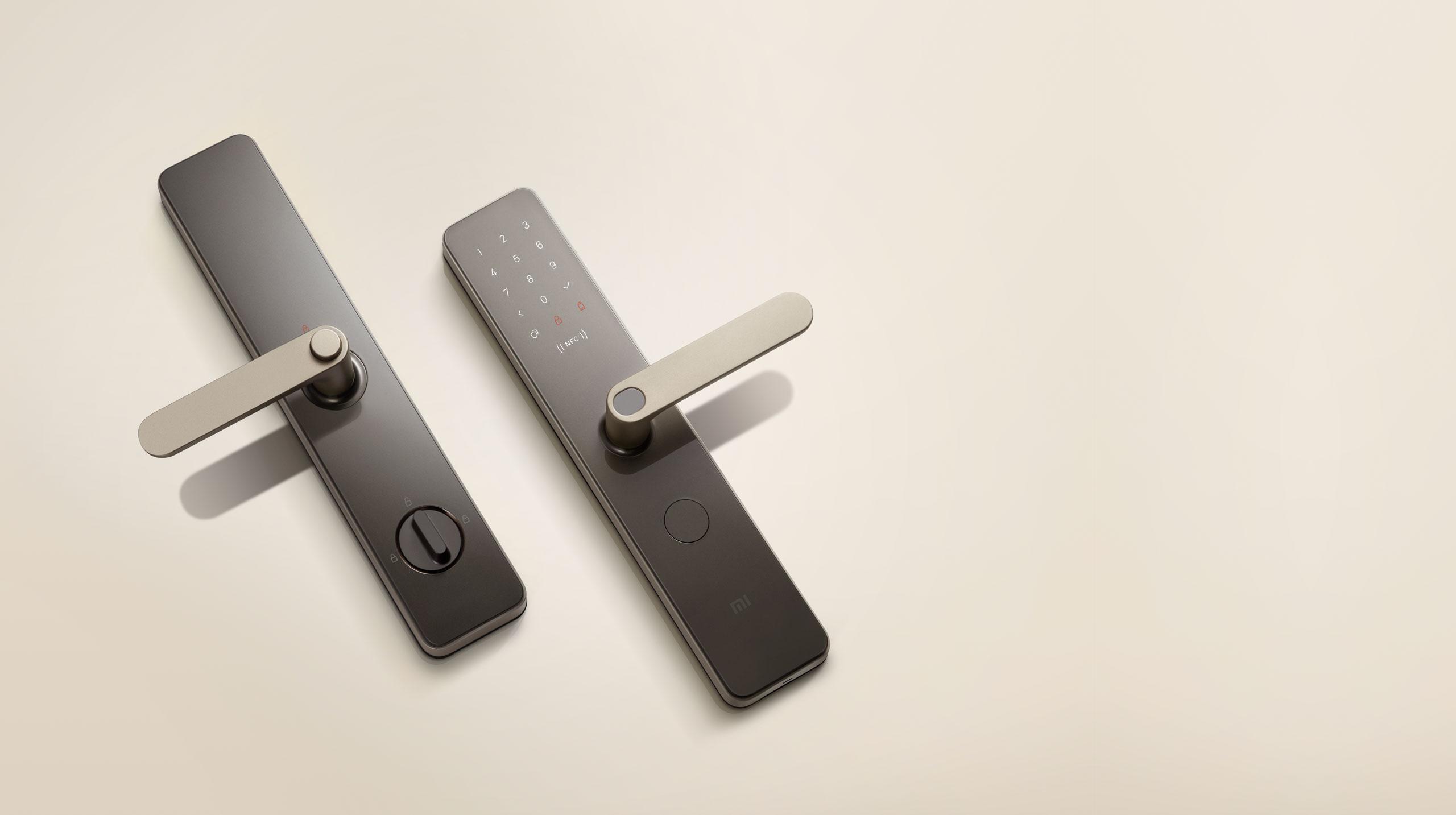
The Xiaomi Smart Door Lock M40 series launched this year includes two models, M40 and M40 Pro. They use a similar hardware platform with a 5 - inch display and a dual - camera cat's eye, achieving a 175 - degree viewing angle and a super - wide coverage of the outside door area. They support infrared night vision and remote visual intercom. In terms of unlocking methods, the Pro version features 3D structured light face recognition, palm vein recognition, and fingerprint recognition, while the M40 retains face and fingerprint recognition and leaves palm vein recognition as a differentiated configuration for the higher - priced model.
(Image source: Xiaomi)
Compared with the early Xiaomi door locks, the obvious upgrade points of the M40 series are the upward movement of three modules, a larger screen, a more professional cat's eye, and higher - level recognition. Previously, Xiaomi door locks were mainly fingerprint locks with a simple cat's eye, while now they regard multi - modal biometric recognition and a large - screen cat's eye as standard configurations. Coupled with the dual - power supply scheme of a lithium battery and dry batteries, as well as the external Type C and mobile phone reverse charging. The advantage of Xiaomi smart door locks is actually their cost - performance ratio. The M40 is priced at 3,499 yuan, and the M40 Pro is priced at 3,799 yuan, which is very affordable compared to leading brands.
II. Desman: Focusing on the High - end Market, with In - depth AI Application
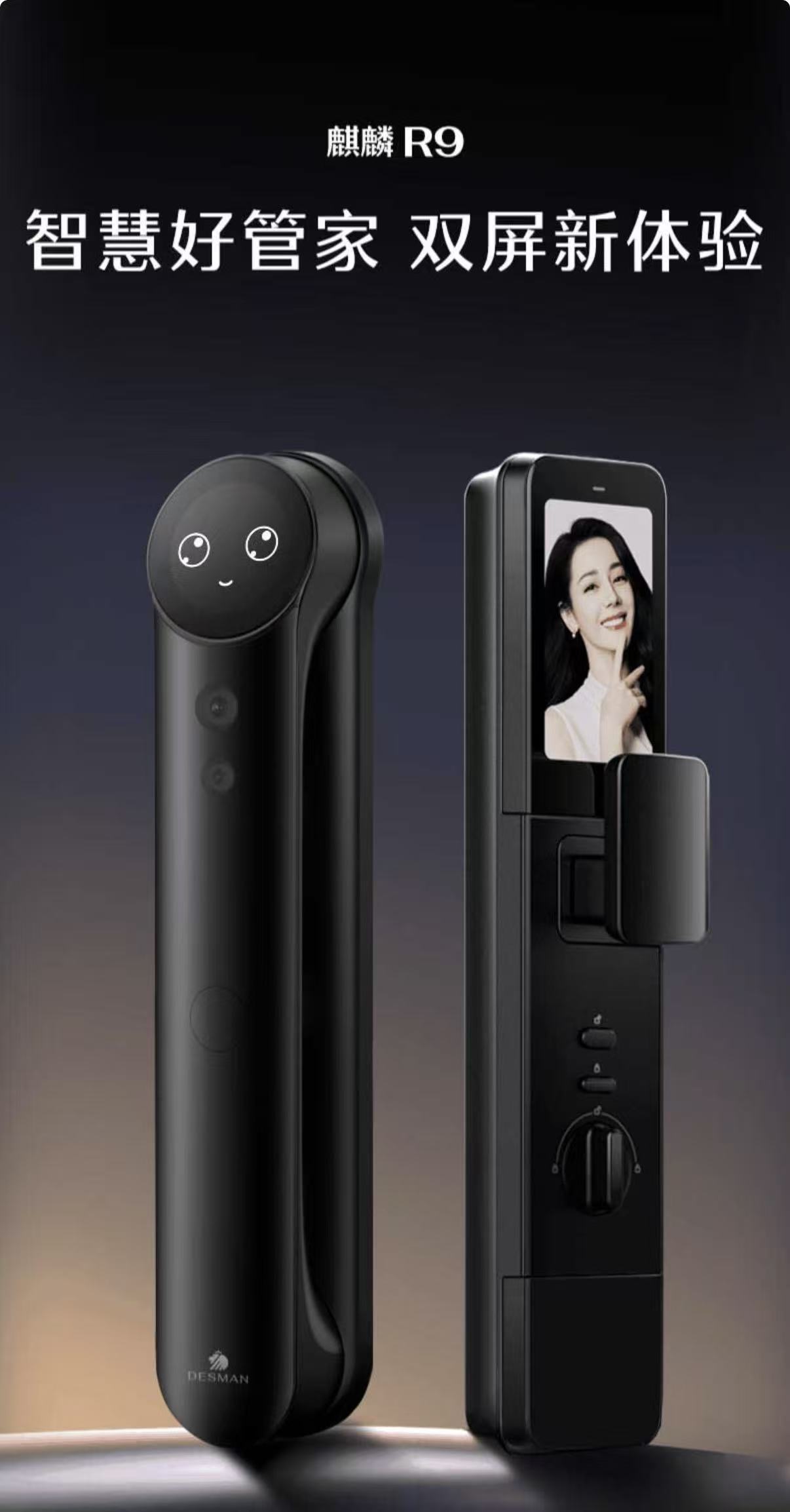
In 2025, Desman held a press conference in Wuzhen and officially launched its Qilin R9 series, which can also be regarded as the benchmark product for high - end smart door locks this year.
Compared with Xiaomi's strategy of promoting smart door locks to the mass market, Desman's strategy of fully AI - izing high - end door locks has also been equally successful. The Qilin R9 series is not simply about piling up configurations but a comprehensive AI upgrade. Firstly, it features GPTfinger 2.0 curved fingerprint recognition, which improves the recognition success rate in difficult scenarios such as wet hands and shallow fingerprints through a larger recognition area and new algorithms. Secondly, the Shotax Sentinel Cat's Eye System has evolved to version 2.0. With the pan - tilt structure and AI tracking, it can recognize behaviors such as human figures, loitering, and staying, rather than simply recording a video as before. Thirdly, the Miya Smart Butler is more deeply integrated into the system, enabling the door lock to make situational judgments and provide prompts based on the entry and exit habits of family members.
(Image source: Desman)
It is worth mentioning that Desman's approach to battery life is different from other brands. Instead of solving the problem of "recharging", it uses semi - solid batteries to significantly increase battery life. Data shows that the Qilin R9 series can even achieve one charge per year in node mode.
Through the Qilin R9 series, it can be seen that Desman is not blindly following market trends but is following its own rhythm and only focusing on high - end smart door lock experiences.
III. Kaadas: Achieving Active Intelligence, the Door Lock "Understands You Better with Use"
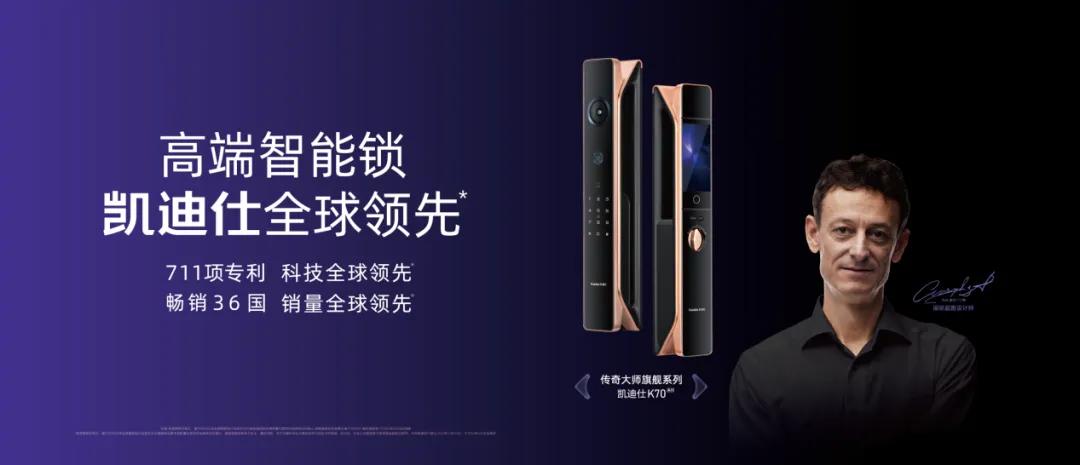
The most prominent feature of Kaadas this year is active intelligence. Similar to today's AI mobile phones, it mainly utilizes its own AI learning chip and large model capabilities to continuously optimize the door lock during use.
Taking the K70 series as an example, there are not many hardware upgrades in this generation of products. It continues to feature 3D face recognition, multiple unlocking methods, and a multi - layer security architecture. However, it emphasizes the "learning" secondary AI model, which is specifically responsible for analyzing the user's door - opening habits, including the commonly used finger, pressing force, operation rhythm, and even the time period of entering and leaving the home. Over time, the door lock will automatically optimize the local algorithm, increasing the owner's unlocking success rate and speed and making it more sensitive to wrong attempts by strangers.
(Image source: Kaadas)
In addition, Kaadas also applies AI capabilities to post - processing. For example, it can cooperate with cloud - based AI editing and intelligent retrieval to organize complex surveillance videos into "event streams". Although this function may seem useless to most users, it is very practical in the event of a conflict or when evidence needs to be investigated.
It is not difficult to see that Kaadas has become so popular in the high - end face lock market mainly by emphasizing AI and providing a light user experience.
IV. Ezviz: Security is in Its Genes, Transforming the Door Lock into a Security Artifact
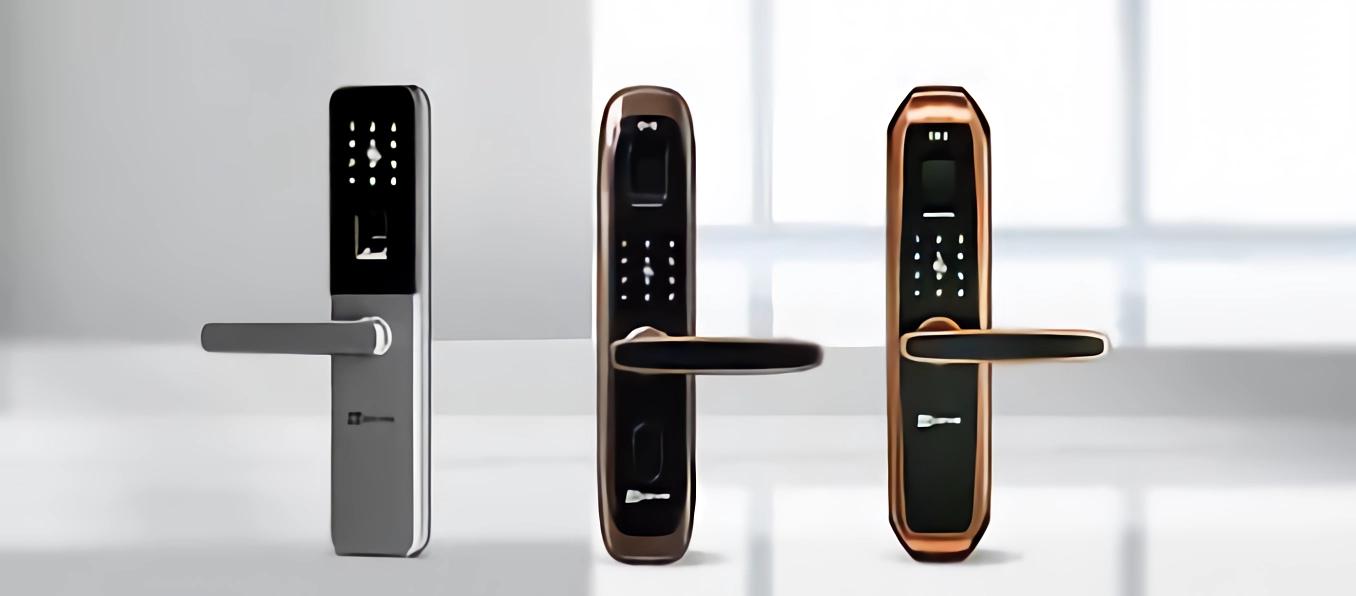
As a manufacturer specializing in security, Ezviz has always provided relatively sufficient traditional hardware compared to the previously mentioned brands. For example, the Y5000FVX Ultra launched this year is a smart door lock that attaches great importance to the security experience.
The Y5000FVX Ultra has received a lot of attention this year. On the one hand, it is equipped with full regular parameters, including multi - modal recognition such as face, palm vein, and fingerprint, a large - screen cat's eye, and local storage. On the other hand, it deeply integrates its own Blue Ocean large model into the door lock system, enabling the door lock to have stronger situational understanding capabilities. For example, if someone stays outside the door for a long time, the door lock can determine whether this is an abnormal behavior and attempt to link other devices in the Internet of Things, such as turning on the screen of the outdoor camera, adjusting the door light, and pushing a reminder to the resident. In addition, the external large screen is designed with unique functions, such as a return code for express delivery, which can be displayed with one click, allowing users to return or exchange goods smoothly without leaving home.
(Image source: Ezviz)
Ezviz's idea is very clear. It hopes to connect the home's cameras, sensors, and cloud services through a door lock, making the entrance truly the starting point of the entire home security system. This also explains why Ezviz has always had a strong presence in the "large - screen cat's eye, face, and palm vein" segment.
V. Loock: Breaking Through with Vein Recognition
Loock is an established player in the smart door lock market. It ranked first in China's retail sales market from 2021 to 2023, with a maximum market share of 41%. Compared with other brands, Loock has gone deeper in the field of vein recognition.
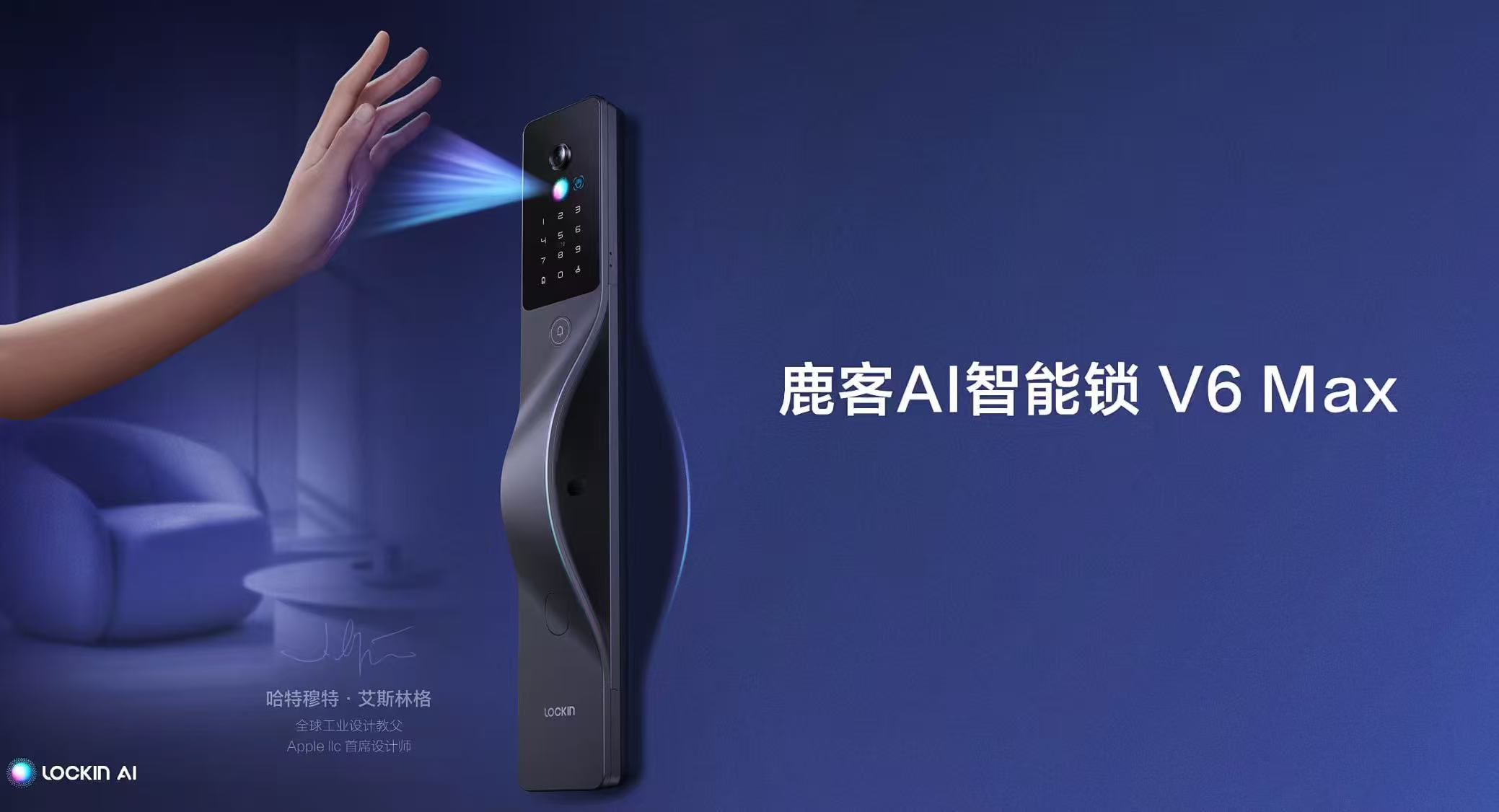
In 2025, Loock's achievement is the V6 Max. Compared with the previous generation, it focuses on optimizing recognition capabilities, making vein recognition more stable and less affected by the environment. Whether the palm is wet, the weather is cold, or the outdoor light changes greatly, the recognition process remains as consistent as possible. At the same time, Loock has spent a lot of effort on the UI and interaction, including clearer voice prompts, more prominent status lights, and minimizing the probability of accidental touches and operations by the elderly in terms of button layout and screen information display.
(Image source: Loock)
In the market of vein recognition smart door locks priced above 1,500 yuan, Loock has basically maintained a leading position. Its smart move is to connect to Mi Home and Apple's HomeKit early on, allowing most consumers to find an ecological environment suitable for them. "Sticking to" vein recognition has also made its brand image more recognizable in the entire industry.
VI. Huawei: The Door Lock Becomes the "Start Button" of the Hongmeng Whole - house Intelligent System
Compared with the previous brands that focus on the smart door lock single product market, Huawei's smart door lock business is more like "the vinegar needed for eating dumplings". It regards the smart door lock as the start button of the whole - house intelligent system.
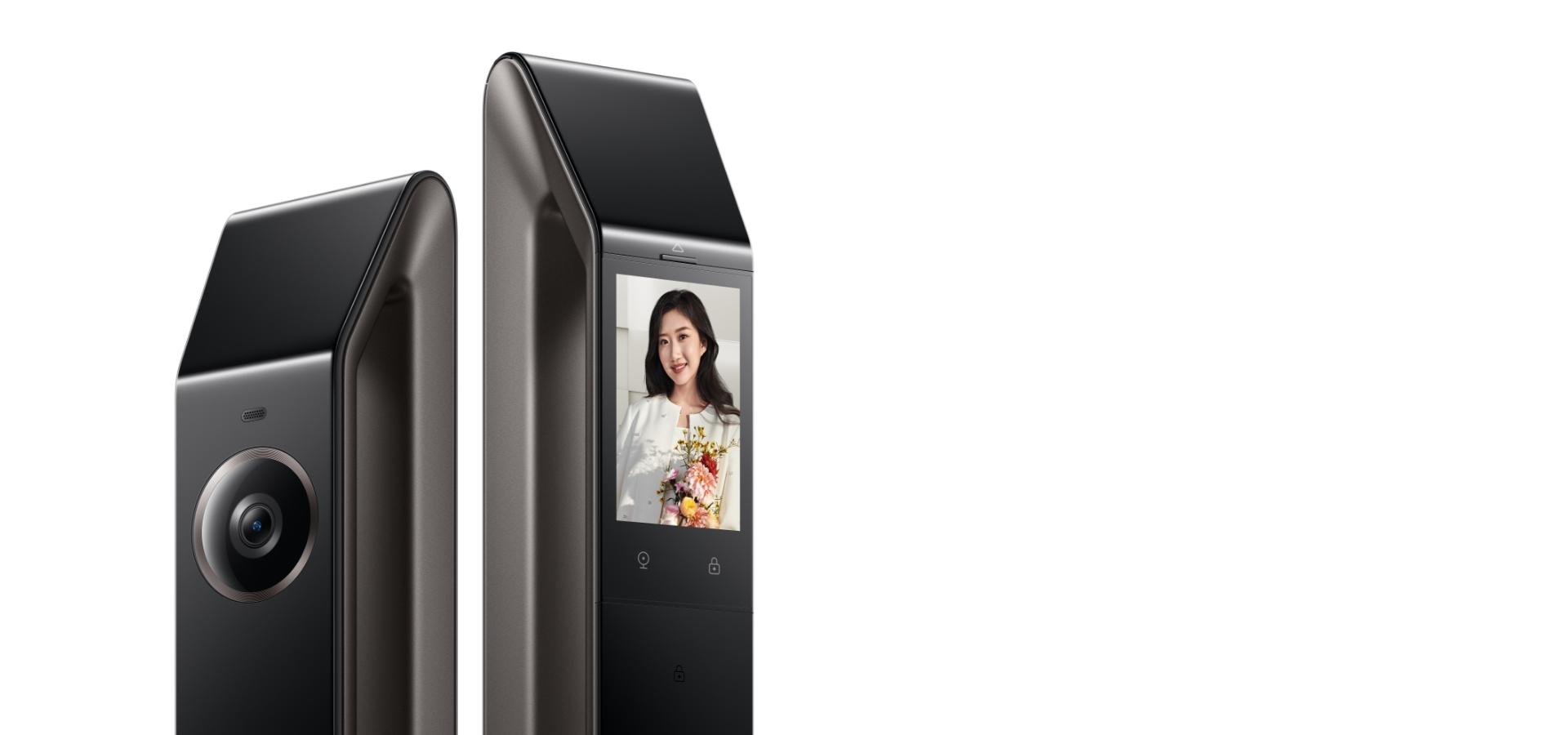
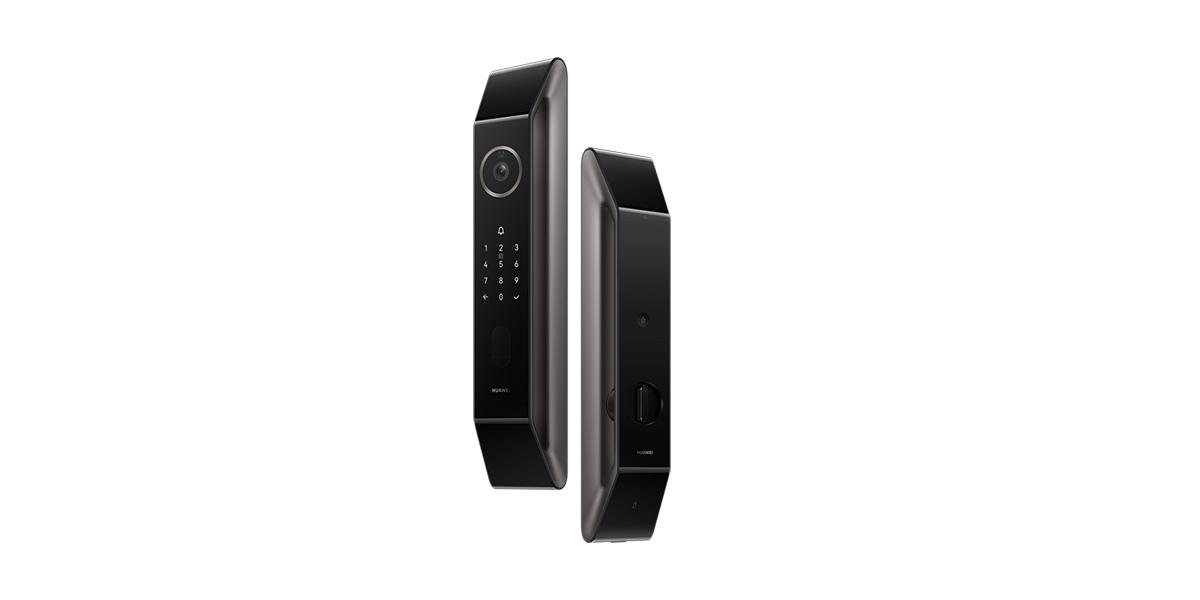
This year, the Huawei Smart Door Lock 2 series, especially the 2 Pro, is one of the most discussed models. Its core selling point is straightforward: dual biometric recognition of face and palm. The door lock supports both 3D face recognition and palm vein recognition, and both systems have undergone hardware and algorithm upgrades.
(Image source: Huawei)
Of course, for Huawei, the most important thing about the smart door lock is its linkage with the whole - house intelligent system. The Huawei Smart Door Lock 2 series can be linked with mobile phones, smart screens, speakers, cameras, and even the entire home intelligent system. For example, after recognizing that a family member has returned home, it can automatically adjust the lights, air conditioner, or security mode. This kind of experience is very sticky for users with a complete Huawei ecosystem.
Also because of its integration into the ecosystem, Huawei's smart door lock has not been very attractive to non - Hongmeng users, which has led to its poor sales performance on the Double 11 list this year. However, it can be predicted that as the Hongmeng whole - house intelligent system continues to develop, Huawei's market share of smart door locks will gradually increase.
VII. Haier: Building a Smart Door Lock Matrix with the Idea of Whole - house Intelligent System
Haier clearly continues its consistent home appliance brand strategy in the field of smart door locks. It first expands the product line and then focuses on structural upgrades. The Jinwuwei series in 2025 is a specific manifestation of this idea.
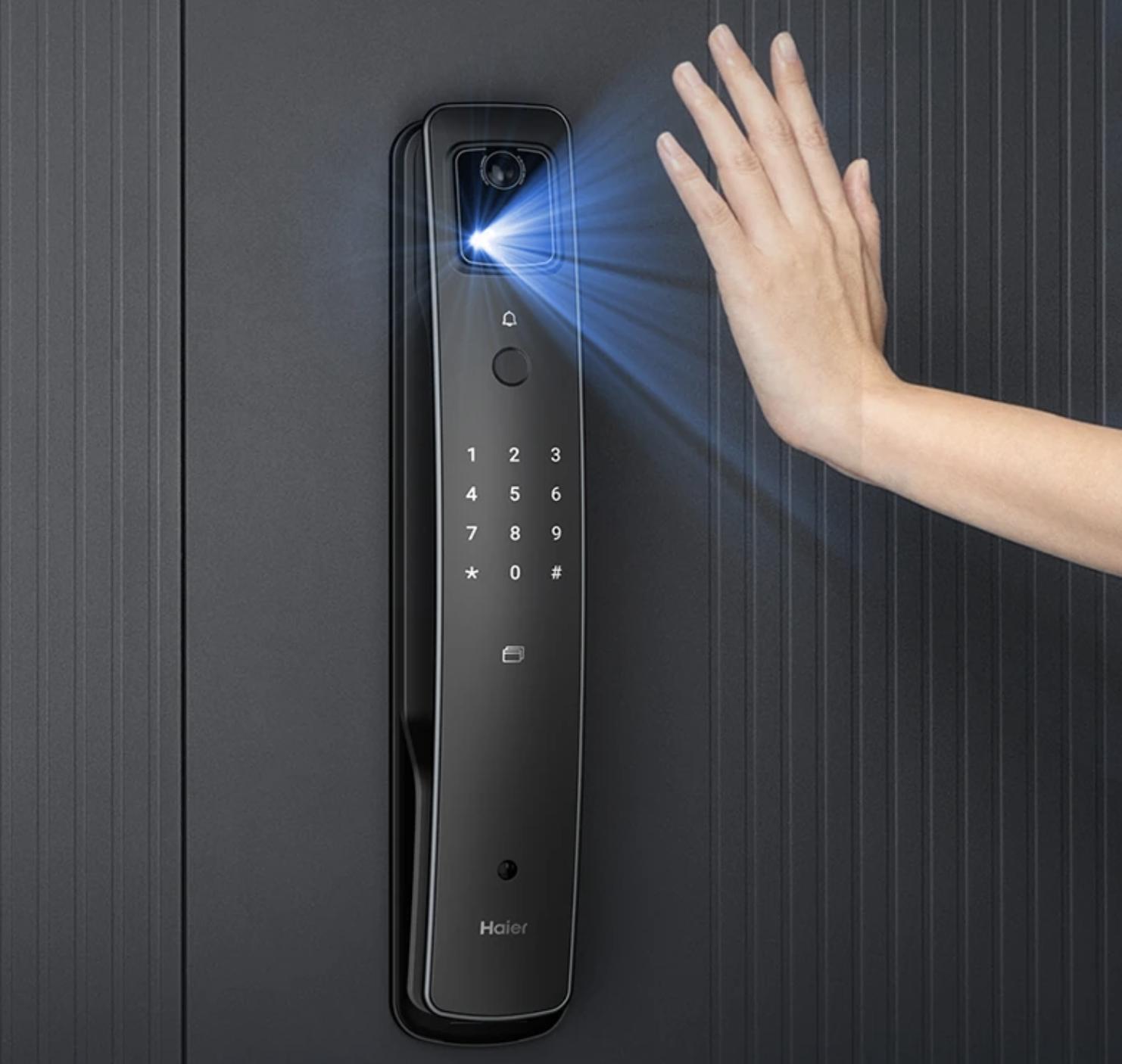
This entire product line is roughly divided into four levels. The L300 corresponds to the entry - level lever handle lock, which prioritizes solving the basic anti - theft ability and the reliability of the mechanical structure. The S300 brings face recognition and screen capabilities to the price range of about 2,000 yuan, providing users who want to experience "face unlocking" with a lower - threshold option. The S600 further adds palm vein recognition, featuring a secure combination of "face and palm recognition". The highest - end S900 adds a sense of design on top of security, using a thinner body and more refined material craftsmanship to match high - end home decoration scenarios.
(Image source: Haier)
Different from many brands that only produce one or two flagship locks, Haier's logic is more similar to "suite home appliances". It hopes that the Jinwuwei line can cover the entire price range from entry - level to high - end and then cover different family stages and budgets through different combinations of biometric technologies and appearance designs at different price points.
From such a product layout logic, it can be seen that Haier does not pursue the popularity of a single product in the smart door lock market but wants to solve the door