Artificial intelligence is reshaping the form of work and may also trigger an entrepreneurship boom.
God Translation Bureau is a compilation team under 36Kr, focusing on fields such as technology, business, workplace, and life, and mainly introducing new foreign technologies, new ideas, and new trends.
Editor's note: Those who combine their professional knowledge with artificial intelligence will become the main force in embracing the entrepreneurial wave. They will transform passionate projects into real business entities at an unprecedented speed. This article is from a compilation, hoping to inspire you.
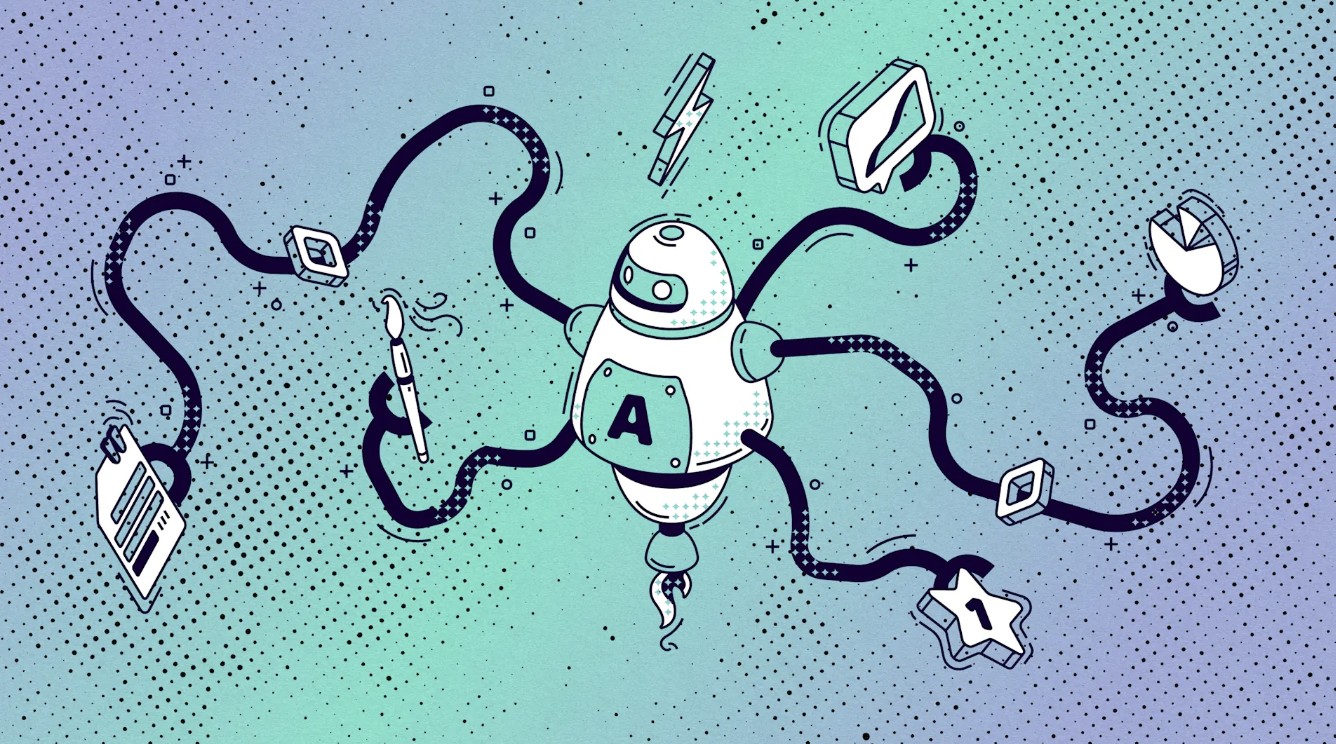
[Image source: Upklyak/FreePik]
For a long time, we have constantly heard remarks about artificial intelligence replacing jobs. Initially limited to marginal fields, it is now beginning to erode positions that were once considered unshakable. Automation is reshaping not only administrative work, copywriting, or design but also fields such as consulting, data analysis, and programming.
But history tells us that technological change does not eliminate jobs but reshapes their forms. The Industrial Revolution did not end human contributions; it just redefined the areas where humans could create the greatest value.
Today, artificial intelligence is repeating this process. Although it does replace or reduce the demand for certain positions, it can and will open up new paths for entrepreneurial opportunities. The rise of no-code tools, automated workflows, and AI-driven entrepreneurial support tools enables people to transform ideas into businesses faster than ever before. The real challenge now is to ensure that the accessibility and utilization of these resources can match the job replacement rate caused by artificial intelligence.
Although the employment rate seems stable, the data masks the profound changes in the way of working. The automation process continues to advance, and artificial intelligence accelerates it. Many companies are quietly reducing their workforce, not by laying off employees but by reducing working hours, automating tasks, or relying on streamlined teams to maintain productivity. This hidden reduction in working hours is called "shadow layoffs," which reveals a much more complex employment situation than headlines and statistics.
1. Artificial Intelligence Makes Independent Entrepreneurship More Feasible
Since the 1990s, as about 80% of US companies have transformed into "employerless companies" (i.e., the boss is the only employee), the self-employment model has become increasingly popular. This significant trend has not received sufficient attention, and the unique ability of artificial intelligence to drive entrepreneurial activities will herald a wave of cultural and economic transformation towards independence, flexibility, and autonomy.
Artificial intelligence makes the traditional employment model less reliable and familiar positions more unstable, but the advantages of AI-driven entrepreneurship are expected to reshape the labor market in the near future. For individuals, artificial intelligence eliminates many of the once-existing obstacles in the entrepreneurial process. For example, AI assistance eliminates time-consuming and costly marketing campaigns, as well as the problems of customer support and training material preparation that consume budgets and delay the entrepreneurial process.
Today, with the help of AI tools, product development, market promotion, and scale expansion can be optimized from scratch. It only takes a few days instead of months to establish a brand, open an online store, or provide special services.
For example, a laid-off marketing manager can use AI tools to start a personal consulting business and complete all work from financial accounting, content creation to customer management alone. In the past, this kind of business required at least three employees to work together.
Although the technology is mature, without a perfect support system to bridge the gap between the unemployed and the AI-driven entrepreneurial model, most people still find it difficult to access the path of entrepreneurship. For the future group of AI entrepreneurs to thrive, an ecosystem that can accept and drive them forward is needed.
2. Transform Disruption into Entrepreneurial Driving Force
The ultimate goal of transforming the substitution effect of artificial intelligence into entrepreneurial opportunities is to empower talents with unique perspectives and AI literacy. Investing in regional AI training camps, small business accelerators, or micro-funding programs for unemployed workers will provide them with resources for transformation.
Timely support is crucial. Skill improvement workshops, business literacy training, and AI ability cultivation must be provided before layoffs occur, not after. If the unemployed can transform faster, the economic and social impacts will be minimized.
The most effective solution for success in this regard lies in the complementary cooperation between the public and private sectors. Public-private partnership entrepreneurial centers can bridge this gap. The public sector ensures fair access, while private enterprises focus on practicality and innovation. Through skill improvement programs, educational projects, and incentive cooperation, both sides can transform layoffs into a platform for incubating small and micro enterprises.
Although artificial intelligence has shaken the traditional employment relationship, it has also opened up new opportunities for a new generation of entrepreneurs. These entrepreneurs may not have Ivy League degrees or venture capital support, but they will make good use of the powerful capabilities of artificial intelligence to monetize their skills in innovative ways.
Artificial intelligence will continue to change the way and place people make a living, but the result depends on how society responds. If a perfect infrastructure can be established, this wave of automation will become one of the most powerful entrepreneurial driving forces since the rise of the Internet. Otherwise, it will exacerbate inequality and economic stagnation.
Disruption is inevitable, but reshaping the future is the choice of workers. Those who combine professional skills with AI capabilities will not only survive this transformation but also become pioneers in embracing the entrepreneurial spirit. They will transform passionate projects into real business entities at an unprecedented speed. Today, the entry barrier is no longer a team or capital but a change in mindset. In this transformation, the winners are not those who fear artificial intelligence but those who dare to seize a good idea and put it into practice.
Translator: Teresa