This year, investors have injected 4 billion yuan to boost the development of AI smart glasses. Some companies have secured three rounds of financing in a single year.
In 2025, while VR headsets are gradually becoming a thing of the past, the smart glasses market is experiencing a revival and has become bustling again. Especially, the recent moves of big tech companies entering this field have attracted explosive attention.
Alibaba recently officially launched the Quark AI Glasses S1, which integrates the Qianwen large - language model and supports functions such as real - time translation, payment, and internet search. It has officially entered the consumer - grade smart wearable device market.
Yesterday, Li Auto released its first Livis AI glasses. Working in conjunction with the voice commands of "Li Auto's Smart Assistant", these smart glasses can remotely control Li Auto cars, including operations such as turning on the air - conditioner, heating the steering wheel, and controlling the tailgate.

After years of upgrades, smart glasses products have evolved. Empowered by AI, they now have more powerful capabilities, are more lightweight in design, have a richer ecosystem, and can be used in a wider variety of scenarios. This is the intuitive feeling of consumers.
At the industry level, global tech giants such as Meta, Google, and Apple are also eyeing the "cake" of AI/AR glasses. Undoubtedly, this demonstrates the strategic position of smart glasses as a potential new traffic entry point in the AI era. AI glasses can provide a seamless and immersive experience, covering scenarios from entertainment to office work. Whoever has the leading advantage will be able to dominate the formulation of future standards.

In terms of consumer brands, currently, emerging startups still dominate the mainstream AI smart glasses brands in China, and the influence of big - company brands is obviously insufficient. Thanks to the mature supporting industrial chain and the support of large - language models, capital is very active in the AI smart glasses market at present, indicating that there are opportunities for startups in this trend.
According to incomplete statistics, investors have invested over 4 billion yuan in AI smart glasses this year, and some companies have received three rounds of financing within a year.
I. The Smart Glasses Market Heats Up with Financing in 2025
According to IT Juzi data, as of December 1st, a total of 36 financing events have been recorded in the global smart glasses market in 2025, with an estimated total financing amount of approximately 436.7 million yuan, involving 26 startups and covering all links of the industrial chain from upstream components, mid - stream industry solution providers to terminal brands (more than half of the total).
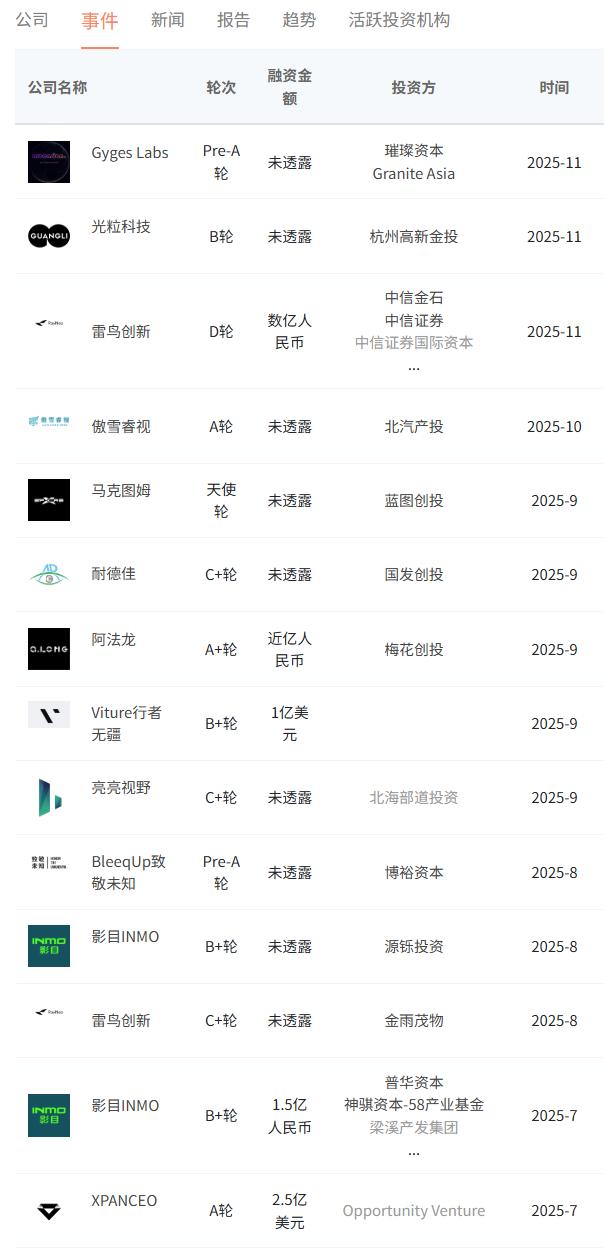
Data source: IT Juzi
Characteristics of the Distribution of Financing Rounds
In terms of the distribution of financing rounds, early - stage investments (before Series A) and mid - to - late - stage rounds (after Series B) each account for 40%, indicating that this market is still in the innovation and incubation period, but some companies have taken the lead and been recognized by capital and the market.
On the one hand, new entrants mostly rely on angel/Pre - A round funds to verify their technological concepts, and these "fast - paced" projects are still in the early stage. On the other hand, relatively mature companies with more financing are moving towards the mid - to - late - stage, attracting more industrial capital for large - scale production and ecosystem construction.
This reflects the industry's development pattern: currently, the technologies related to AI glasses are evolving rapidly. Early - stage investments focus on prototype verification, while mid - to - late - stage investments emphasize commercialization and market implementation.
Geographical Distribution Characteristics
In terms of geographical distribution, companies in Guangdong (mainly in Shenzhen) and Beijing dominate, reflecting the manufacturing advantages of the Pearl River Delta and the R & D cluster effect in Beijing. Several innovative companies in Hangzhou, Zhejiang, and other places have also received financing. Due to the global nature of smart glasses, they can be sold worldwide. Therefore, many domestic companies that have received financing are actively expanding overseas, and some entrepreneurs are targeting the European and American markets.
Overall, in 2025, the financing pace in the smart glasses market has accelerated, and capital preference has shifted from pure smart hardware to AI - enabled projects.
II. Which AI Glasses Companies Are Standing Out and Winning Capital Favor?
Thunderbird Innovation: The Leader with Three Rounds of Financing in One Year
Among many companies with active financing, Thunderbird Innovation stands out as the leader in the consumer - grade AR glasses ecosystem.
Thunderbird, a smart terminal brand company incubated by the TCL Group, mainly developed and produced large - screen smart TVs in the early years. In 2021, it incubated a new brand, "Thunderbird Innovation", and entered the smart glasses field. The company completed three rounds of financing in the past year, with major investors including CITIC Jingshi, Fosun Capital, Rongyi Investment, etc., and the cumulative financing amount exceeded hundreds of millions of yuan.
Thunderbird Innovation's current main product portfolio covers the high - end AI+AR Glasses X series, Consumer - grade Movie - watching Glasses Air series, AI Shooting Glasses V series, etc., targeting different needs and market segments.
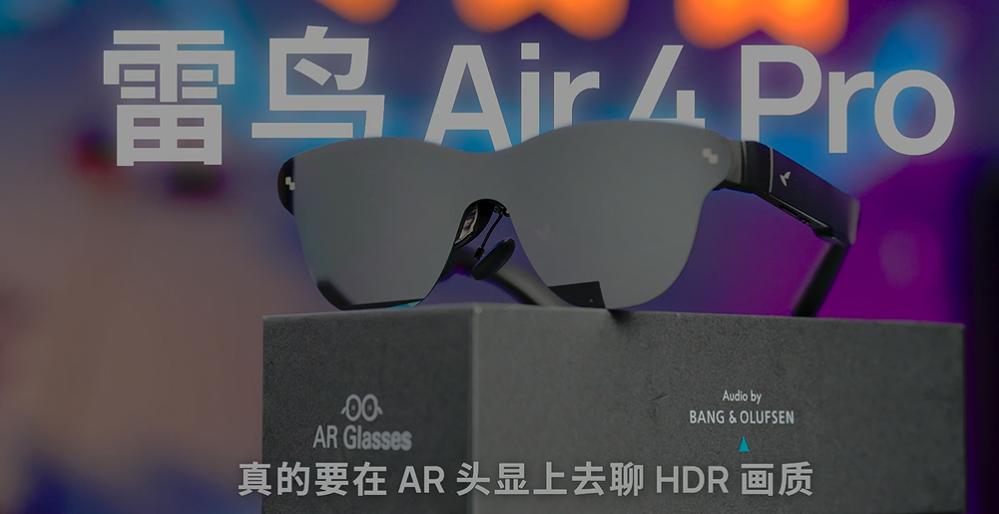
Thunderbird Innovation AR glasses, Image source: Thunderbird Innovation
The key factor for Thunderbird Innovation to attract capital lies in its market performance. According to Counterpoint Research data, Thunderbird Innovation topped the global AR glasses sales list in the second quarter of 2025 with a 39% market share and has maintained its leading position in the domestic market for three consecutive years.
Thunderbird's parent company, TCL, is already listed on both the Hong Kong and A - share stock exchanges. Thunderbird Innovation plans to initiate the IPO process within the next 2 - 3 years.
INMO: The Creator of an AI+AR Content Ecosystem
INMO completed its Series B1 and B2 financing rounds in July and August 2025, with a total financing amount exceeding 150 million yuan. The investors included Puhua Capital, Shenqi Capital - 58 Industry Fund, and Liangxi Industrial Development Group. Earlier, Matrix Partners China also participated in the investment.
It is reported that INMO's core team includes founder Yang Longsheng (a former executive of a Xiaomi ecosystem company) and several experts in the AR/VR field.
In 2025, the company upgraded and launched the INMO Go3 AI glasses. Its self - developed INMO OS system supports multi - modal interaction, including voice, touch, and gesture control, and integrates an AI assistant. The product is positioned as an "AI companion anytime, anywhere", which can display real - time information such as notifications, weather, and stock prices, creating an AI+AR content ecosystem and supporting AI voice interaction (such as Q&A, photo translation, simultaneous interpretation) and AR enhancement (such as virtual try - on, game overlay in reality).
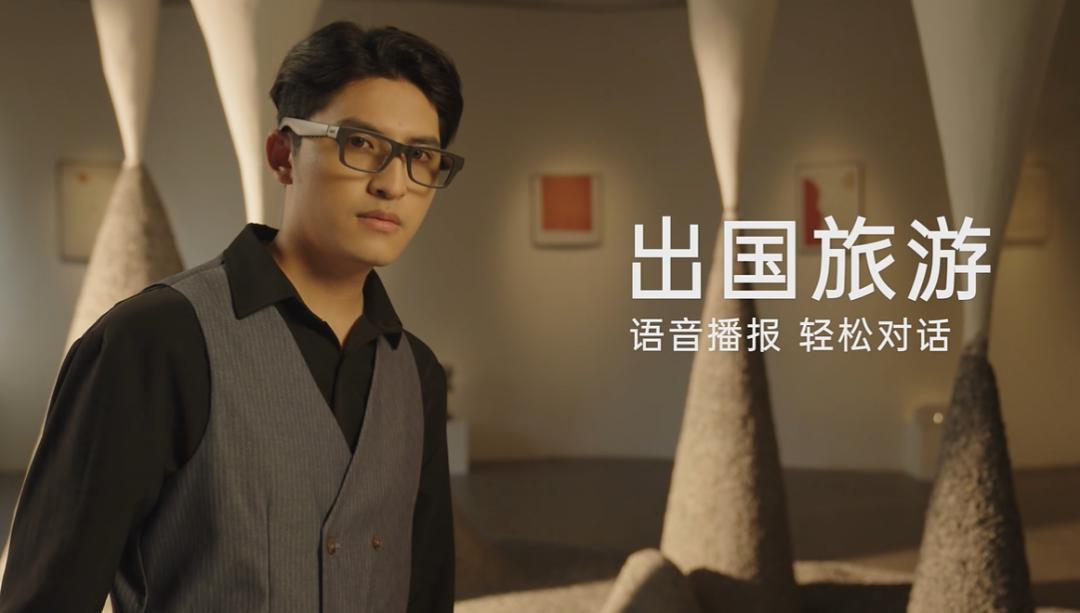
INMO GO2 AR Translation Smart Glasses, Image source: INMO
Gyges Labs: The Innovator in Stealth Display Technology
Gyges Labs completed its Pre - A+ round of financing in November 2025. The investors in this round were Granite Asia and Bright Capital. It also received investment from GSR Ventures last year.
The company focuses on "lightweight wearables". With its stealth display technology - the core optical module is integrated into the glasses frame, achieving "display without exposure" - it has ventured into the crowdfunding market. It has self - developed the Digiwindow near - eye display system. The crowdfunding amount for its first product, Halliday Glasses, was nearly 4 million US dollars. The product is expected to be officially launched next year, mainly targeting markets in Europe and other regions.
Light Particle Technology: The Breakthrough in Vertical Scenarios
In November 2025, Light Particle Technology completed its Series B financing, invested by Hehe Venture Capital (Hangzhou High - tech Financial Investment). Although the specific amount was not disclosed, the company's registered capital increased from 22 million yuan to 26 million yuan, an increase of over 18%.
Light Particle Technology was founded in 2017 and is headquartered in Hangzhou, Zhejiang. It is a terminal brand company focusing on the R & D and application of AR smart sports glasses. Currently, the company starts with smart swimming goggles, breaks through the underwater AR technology barrier, and has expanded its products overseas. Its sales channels include Xiaomi Youpin and Decathlon.
The company's core product is the Holoswim Series AI Smart Swimming Goggles, which was first launched in 2021 and has gone through multiple iterations. In 2025, it also launched the SollaWave AI Smart Audio Swimming Goggles, further enriching its product line.

Light Particle Technology AR+AI Glasses, Image source: Light Particle Technology
In terms of functionality, the Holoswim AI swimming goggles emphasize "no need to raise your hand to view data". Through AR holographic display, multiple indicators such as swimming distance, duration, number of laps, 100 - meter pace, speed, stroke rate, heart rate, blood oxygen saturation, and calorie consumption are presented in real - time on the lens. AI algorithms are used to provide data analysis and suggestions to help users optimize their training results. Additionally, the latest product also supports audio playback and voice broadcast functions.
LightinView: From Enterprise Services to the Consumer Market
LightinView was founded in 2014 and is an established XR/optics industry solution provider. It mainly provides integrated AR+AI solutions for the enterprise service market. This year, it received investment from state - owned capital such as Yizhuang Guotou and recently launched a new - generation consumer product, the Leion Hey2 Translation Glasses, which is also available on the JD online platform.
It is reported that the Leion Hey2 weighs 49 grams, has a battery life of up to 8 hours, supports more than 100 languages and dialects, and has a recognition accuracy of 98% when the voice is 20dB lower than the ambient noise. It has been tested in some international conference scenarios.
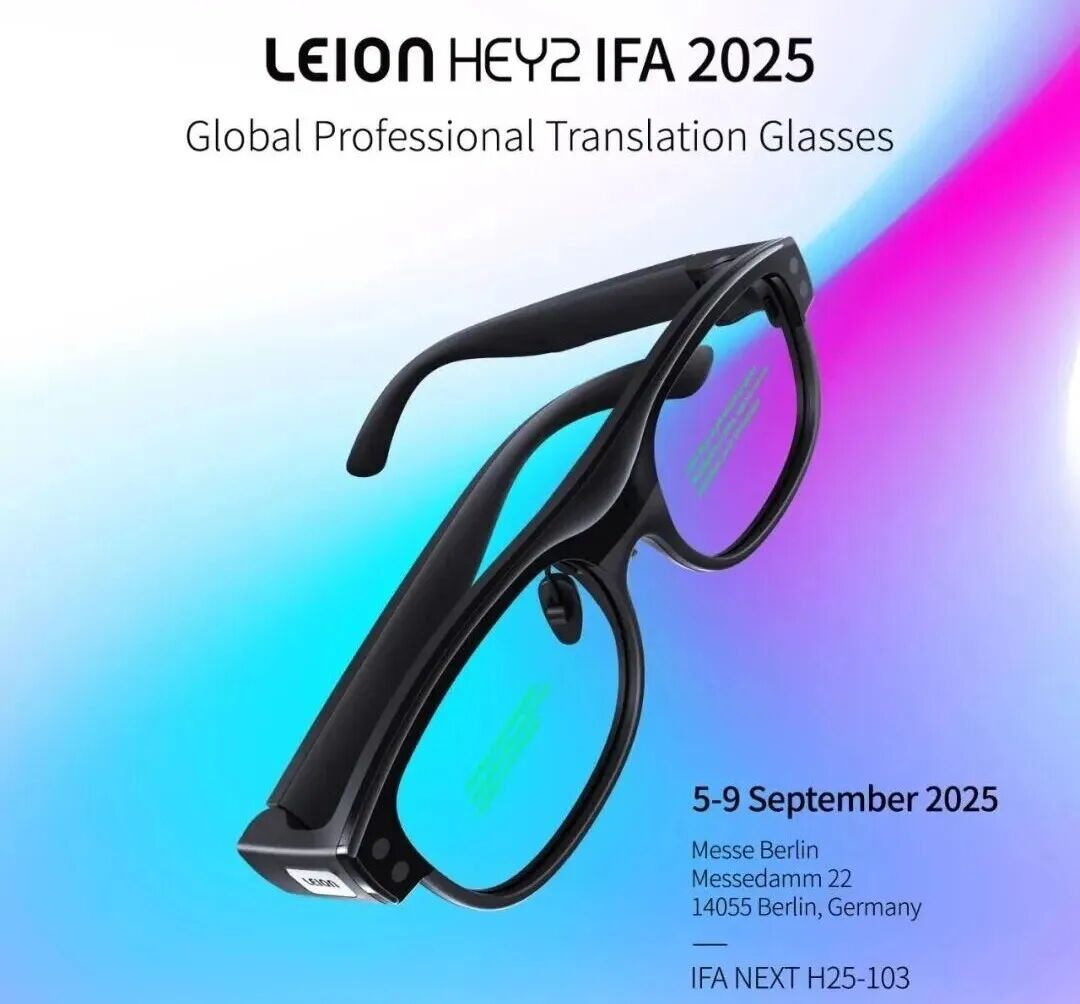
LightinView Translation Glasses, Image source: LightinView
MicroLight Electronics Technology: The Modular Innovation Path
The emerging MicroLight Electronics Technology was founded in 2023 and completed a Pre - A round of financing of 50 million yuan in May this year. It focuses on the combination of AI vertical - domain intelligent agents and AR technology and has developed an extremely lightweight Clip - on AR Smart Glasses solution.
Different from most one - piece AR smart glasses, MicroLight Technology creatively uses a modular approach to achieve AR display. Users don't need to wear additional prescription glasses and can use them by simply clipping on.
This year, the company also cooperated with Yuanchen Technology to jointly develop a new - generation industrial - grade AI smart glasses. The first batch of jointly - defined products is expected to deliver 20,000 units, mainly for core scenarios such as smart environmental protection and intelligent detection.
ZhiGe Technology: The Upstream Core Component Supplier
In the upstream component field, optical components, as the technological core of AI smart glasses, became a key area for capital investment in 2025. Among them, ZhiGe Technology's financing performance was particularly prominent.
This year, ZhiGe Technology completed two rounds of financing exceeding 100 million yuan, and has received hundreds of millions of yuan in investment from industrial capital such as Xiaomi, OPPO, and SMIC Juyuan.
The company has an automated mass - production line for diffractive waveguides. In 2025, it further expanded its production capacity. Its waveguide modules are compatible with more than 80% of consumer - grade AI glasses brands. Its technical parameters are comparable to those of international leading suppliers, and it is the core supplier of Alibaba's Quark AI glasses.
Two Overseas Companies: XPANCEO in Dubai and Cellid in Japan
One is the technology company XPANCEO located in Dubai. It became the focus this year with a huge Series A financing of 250 million US dollars, and its valuation reached 1.35 billion US dollars. Its feature is the development of ultra - thin smart contact lenses that integrate AI, AR, and health monitoring functions.
At GITEX 2025, it displayed 6 prototypes, including versions with AR display, glucose, and intraocular pressure sensors. The concepts are very advanced. The product is expected to be launched next year and commercialized in 2027.
The Japanese manufacturer Cellid received 7.5 million US dollars in Series C financing and 13 million US dollars in strategic investment in 2025. It focuses on the R & D of AR glasses display modules with waveguide architecture and has also developed the space - recognition software Cellid SLAM.
The company announced a cooperation with 7 - Eleven convenience stores this year and conducted an AR shopping experiment in one store, realizing functions such as identity verification, product recognition, and payment during the shopping process, expanding the consumer scenarios. It is reported that it will further develop functions such as product recommendation display and product shelf guidance in the future.
III. Trend Outlook for the AI Glasses Market
From the perspective of industry development patterns, new technological verifications for AI smart glasses emerged in 2025, triggering innovation in C - end products. It is expected that the market will enter a mature