Financial reports of new energy vehicle startups in Q3 2025: A mix of profit divergence and transformation pains
In the third quarter of 2025, as the third - quarter financial reports of various new - force car manufacturers were successively released, the overview of the whole - year battle gradually became clear. Xiaomi's automotive business achieved its first - quarter profit. Leapmotor maintained profitability for two consecutive quarters and topped the sales list. The losses of NIO and XPeng significantly narrowed, and they clarified their profit timetables. However, Li Auto, which had been profitable for 11 consecutive quarters, suffered its first quarterly loss in nearly three years due to multiple factors. This financial report is not only a direct test of each enterprise's product strategy and cost - control ability but also indicates that the competitive landscape of China's new - force car manufacturers will face a major test in 2026, and the "Matthew Effect" in the industry is accelerating.
The Game between Profit Breakthrough and Transformation Pressure of New - Force Car Manufacturers
In the financial report matrix of Q3 2025, the profit - making camp composed of Xiaomi and Leapmotor stood out. Although their paths were different, both demonstrated the commercial value of economies of scale and precise positioning.
Leapmotor's consecutive profitability is the result of its practice of the inclusive intelligent route. This quarter, its sales volume reached 174,000 units, doubling year - on - year, and it topped the sales list of new - force car manufacturers. With revenues of 19.45 billion yuan and a net profit of 150 million yuan, it broke the industry perception that affordable pricing and self - developed technology are difficult to reconcile. Although its comprehensive gross profit margin of 14.5% is not outstanding, through its all - domain self - development strategy, it compressed the cost of core components to 65% of the vehicle cost, achieving a virtuous cycle of "trading price for volume".
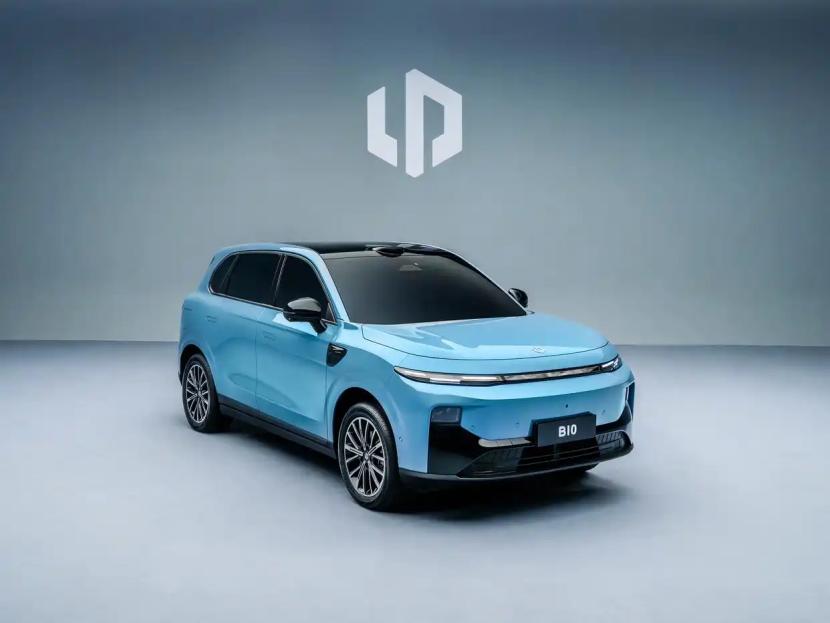
In the first three quarters of this year, Leapmotor's cumulative net profit was 180 million yuan. Although it was lower than market expectations, compared with a loss of 690 million yuan in the same period last year, it still showed strong momentum. It is only one step away from achieving annual profitability and is expected to become the second profitable Chinese new - force car manufacturer after Li Auto.
From a comprehensive market perspective, Leapmotor's core advantage lies in its precise market positioning. It focuses on the mainstream market of 100,000 - 250,000 yuan, which accounts for 62% of the domestic new - energy vehicle market. Its B01 model, with a starting price of 87,800 yuan, lowers the consumption threshold for intelligent vehicles. The C16 model, with a starting price of 151,800 yuan, meets the needs of family cars. The upcoming D - series flagship models will also be priced at around 250,000 yuan.
In 2026, Leapmotor has set a clear sales target of 1 million units, with 10% from overseas markets. The layout of more than 600 outlets in Europe is in progress, which will help its scale expansion. The progress in the Southeast Asian market (17,400 units exported in the third quarter) also injects momentum into its global layout. The advancement of localization projects in Malaysia and Europe makes the market full of expectations for its one - million - unit target in 2026.
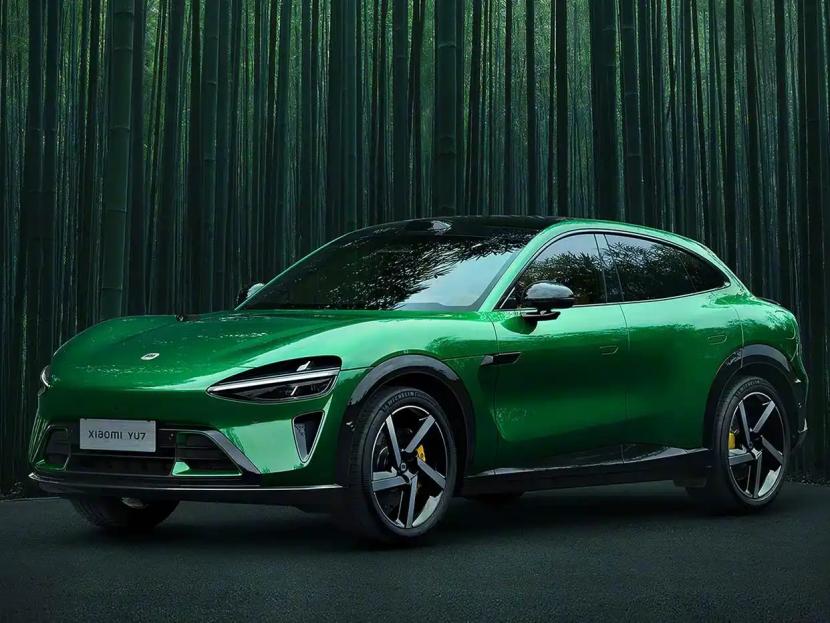
Xiaomi entered the automotive market as a dark horse. Despite facing some controversies, stock - price fluctuations, and channel - coverage issues, its operating income of 700 million yuan in the first quarter still demonstrated its strong supply - chain integration ability. Behind this breakthrough, the delivery volume of 109,000 units provided scale support, and the product - structure upgrade was the key factor. The delivery proportion of the mid - to - high - end YU7 model increased to 40% this quarter, pushing the average selling price up from 253,600 yuan to 260,000 yuan. Even though the delivery proportion of the SU7 Ultra decreased, resulting in a slight drop in the gross profit margin to 25.5%, this level is still among the top in the mainstream new - force car manufacturers. The resource support from Xiaomi Group is also crucial. The automotive business has accounted for 25.6% of the group's revenues. Continuous R & D and channel support have helped it achieve the annual delivery target of 350,000 units ahead of schedule, and the market's attention to the sustainability of its profitability has also increased.
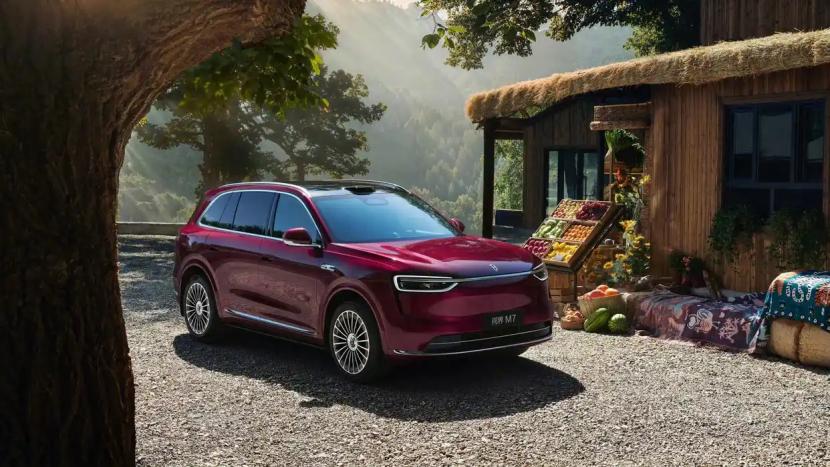
After cooperating with Huawei, Seres also had a good time. The financial report shows that in the third quarter, Seres' revenues were 48.133 billion yuan, a year - on - year increase of 15.75%; the net profit attributable to shareholders of the listed company was 2.371 billion yuan. In the first three quarters of this year, Seres' cumulative revenues were 110.534 billion yuan, a year - on - year increase of 3.67%; the net profit attributable to shareholders of the listed company was 5.312 billion yuan, a year - on - year increase of 31.56%. The net cash flow was 22.65 billion yuan, a year - on - year increase of 13.18%. From January to September, Seres' cumulative sales of new - energy vehicles reached 304,629 units. In November, Seres was listed on the Hong Kong Stock Exchange, becoming the first luxury new - energy vehicle enterprise listed on both the A - share and H - share markets. Many institutions such as CSC Financial, Changjiang Securities, Western Securities, and Yongxing Securities gave a "buy" rating, and Huachuang Securities even gave a "strong buy" rating.
Corresponding to the performance of the profit - making camp, the "loss - reduction sprint camp" composed of NIO and XPeng sent out positive signals. Both showed a double - increase trend in "sales volume + gross profit margin" and were moving towards the break - even point. This quarter, NIO achieved revenues of 21.79 billion yuan, a year - on - year increase of 16.7%. Its sales volume was 87,100 units, a year - on - year increase of 40.8%. The gross profit margin of its vehicles reached 14.7%, a new high in nearly three years. Although the absolute value of the net loss of 3.48 billion yuan was still relatively high, it narrowed by 31.2% year - on - year, indicating an improvement in its business operations. NIO's management clarified the profit target for the fourth quarter at the financial - report press conference and planned to launch three high - end pure - electric large vehicles in 2026, further clarifying its high - end strategy.
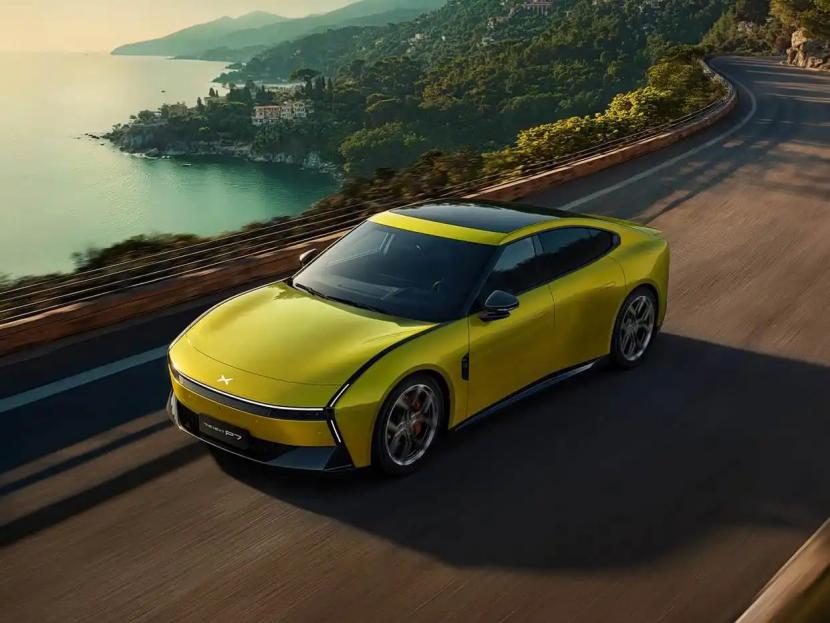
XPeng's loss - reduction effect was particularly significant. This quarter, its net loss was 380 million yuan, narrowing by 78.9% year - on - year. Its revenues were 20.38 billion yuan, doubling year - on - year. The single - quarter sales volume of 116,000 units set a new record, and it achieved the annual target of 350,000 units ahead of schedule. As a technology - driven enterprise, XPeng's loss reduction was due to the implementation of technology and cost optimization. The comprehensive gross profit margin rose to a record high of 20.1%. The increase in the gross profit margin of the automotive business to 13.1% was due to the cost - spreading effect of the large - scale delivery of the G6 and G9 models on the one hand and the growth of the subscription revenue of the XPILOT intelligent driving system on the other hand.
XPeng's strategic layout for 2026 has been clarified. It will launch three super - extended - range models in the first quarter, plan to achieve large - scale mass production of high - level humanoid robots by the end of the year, and start the trial operation of three Robotaxi models, forming a business layout of "intelligent vehicles + robots" to support its achievement of the break - even point.
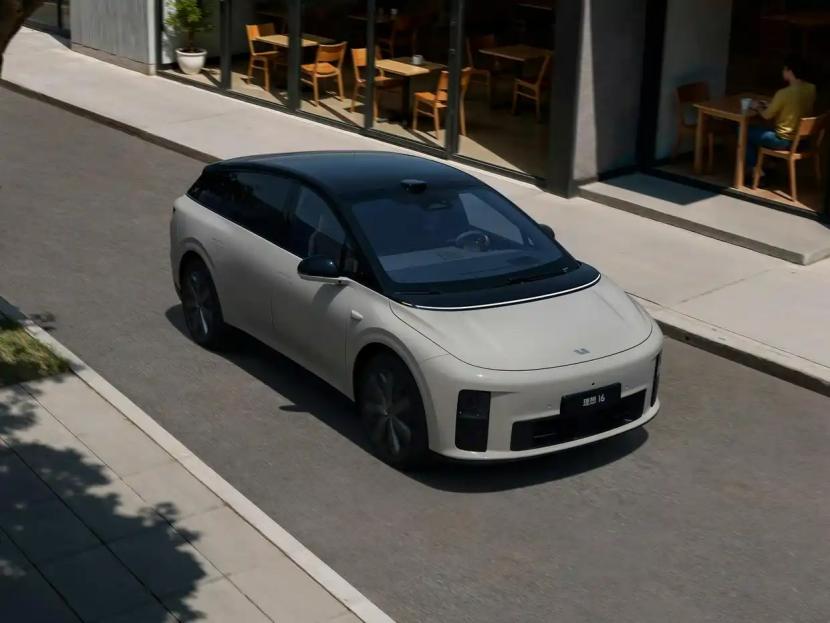
In contrast to the above enterprises, Li Auto is in a transformation and adjustment period. This quarter, Li Auto achieved revenues of 27.4 billion yuan, a year - on - year decline of 36.2%. Its sales volume was 93,000 units, a year - on - year decrease of 39%. It suffered a net loss of 624 million yuan, the first quarterly loss in nearly three years. The net loss was directly caused by the 1.1 billion yuan warranty cost due to the MEGA recall event. If this factor is excluded, Li Auto's overall gross profit margin would rise from 16.3% to 20.4%, and the vehicle gross profit margin would rise from 15.5% to 19.8%, approaching its previous profit level. In response, Li Xiang, the chairman of Li Auto, admitted at the third - quarter financial - report conference call that the company had faced various challenges such as product cycles, public - relations issues, supply - chain ramping - up, and policy changes, which had affected its delivery and operations. In addition, he also said that the company would firmly return to the management mode of a startup company from the fourth quarter to face the challenges of the new era and new technologies.
Profitability Is Not the Ultimate Answer for the Industry
The differentiation in the financial reports of Q3 2025 shows to some extent that the choice of technology route, cost - control ability, and market - positioning accuracy have become the three core variables affecting the business status of enterprises. Moreover, profitable car manufacturers have shown that the quality of profit is more important than profit itself.
Among the strategies of small - profit - high - volume and ecological premium, the former relies on supply - chain efficiency, and the latter depends on brand premium. The pure - electric routes adhered to by Xiaomi and NIO have been recognized in the high - end market. The gross profit margin of pure - electric vehicles priced above 250,000 yuan generally exceeds 20%, reflecting the profit margin in this market. Leapmotor adjusts its technology route according to the vehicle size and launches extended - range versions in the large - vehicle segment. The 50% - 60% proportion of extended - range versions not only meets the usage needs in areas with imperfect charging facilities but also balances profitability and market coverage. Li Auto's transformation and adjustment provide inspiration for the industry. The risks of a single technology route are gradually emerging. Although the dual - line layout conforms to the industry trend, it has encountered obstacles in the pure - electric field, and how to break the deadlock still needs to be considered.
The difference in cost - control ability will further widen the performance gap between enterprises. In a market environment with fluctuating raw - material prices and continuous price wars, self - development ability has become the key to cost reduction. Leapmotor's "all - domain self - development" and Xiaomi's group - supply - chain collaboration have both achieved a virtuous cycle of "scale increase - cost reduction - profit improvement". NIO has increased its vehicle gross profit margin to a new high in nearly three years by optimizing parts procurement and production processes.

XPeng has expanded its profit sources by self - developing and externally outputting its intelligent driving system. For Li Auto, in addition to the direct cost caused by the recall event, the delay in the delivery of pure - electric vehicles has affected its sales volume and also brought challenges to cost control. This phenomenon shows that the new - energy vehicle industry has entered a stage of refined operation with efficiency as the priority from a stage of extensive development with scale as the priority. The effect of cost optimization is directly reflected in the financial data and has become one of the core competitiveness of enterprises.
Judging from the third - quarter financial reports of 2025, the new - force car manufacturers have bid farewell to the general - growth stage and entered a stage of differentiation and adjustment. Profitable enterprises have generally established a collaborative system from technology, products to the market, responding to market demands and realizing commercial value. Those under pressure need to reshape their competitiveness through strategic transformation and filling in their weaknesses. In 2026, the competition in intelligent driving and battery technology will become more intense, which also sets another hurdle that all new - force car manufacturers must cross.
Image sources: Leapmotor, Xiaomi, AITO, NIO, XPeng, Li Auto, Qianku.com
This article is from the WeChat official account "Automotive Market Insights". Author: Yang Shuo, Editor: Yang Guo. Republished by 36Kr with permission.